

Our partners
The Vaccine Alliance draws on the skills of a variety of partners, combining the technical expertise of the global health community with the business know-how of the private sector.
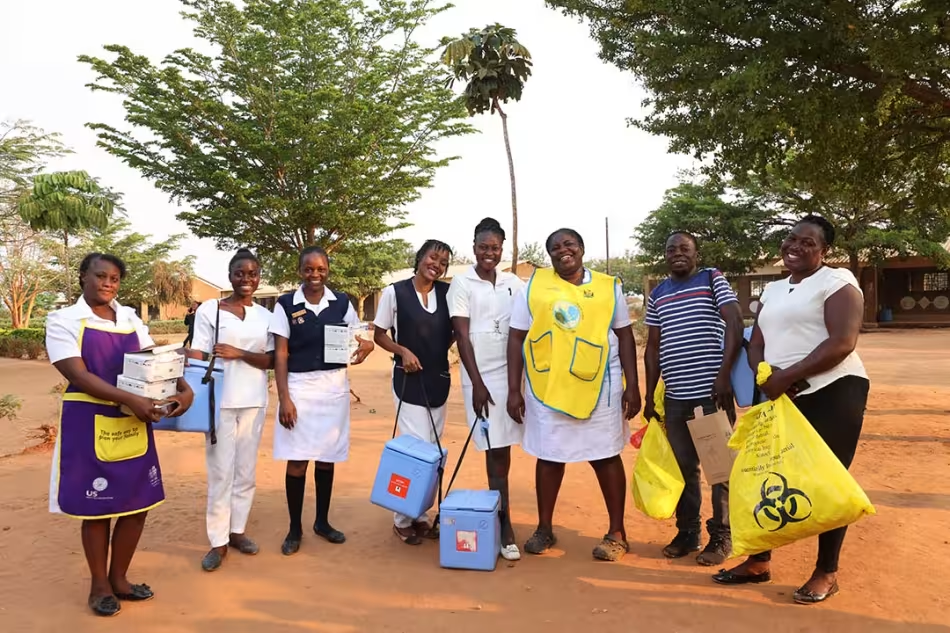
Two key factors set us apart from other actors in global health:
- The partnership model: as a public-private partnership, we capitalise on the sum of our partners’ comparative advantages.
- The business model: by pooling demand for vaccines from lower-income countries, securing long-term funding and shaping vaccine markets, we are accelerating access to life-saving vaccines in the countries that need them the most.
In this section, we explain Gavi’s partnership model and explain the role of each of the Vaccine Alliance’s four founding partners.
As the UN's specialist agency on global health issues, WHO is a key Vaccine Alliance partner.
As the world's biggest buyer and supplier of vaccines for developing countries, UNICEF has a pivotal role in the Vaccine Alliance.
The World Bank brings the expertise of the world's biggest source of development assistance to the Vaccine Alliance.
Gates Foundation's initial pledge of US$ 750 million in 1999 provided the seed money to launch Gavi.
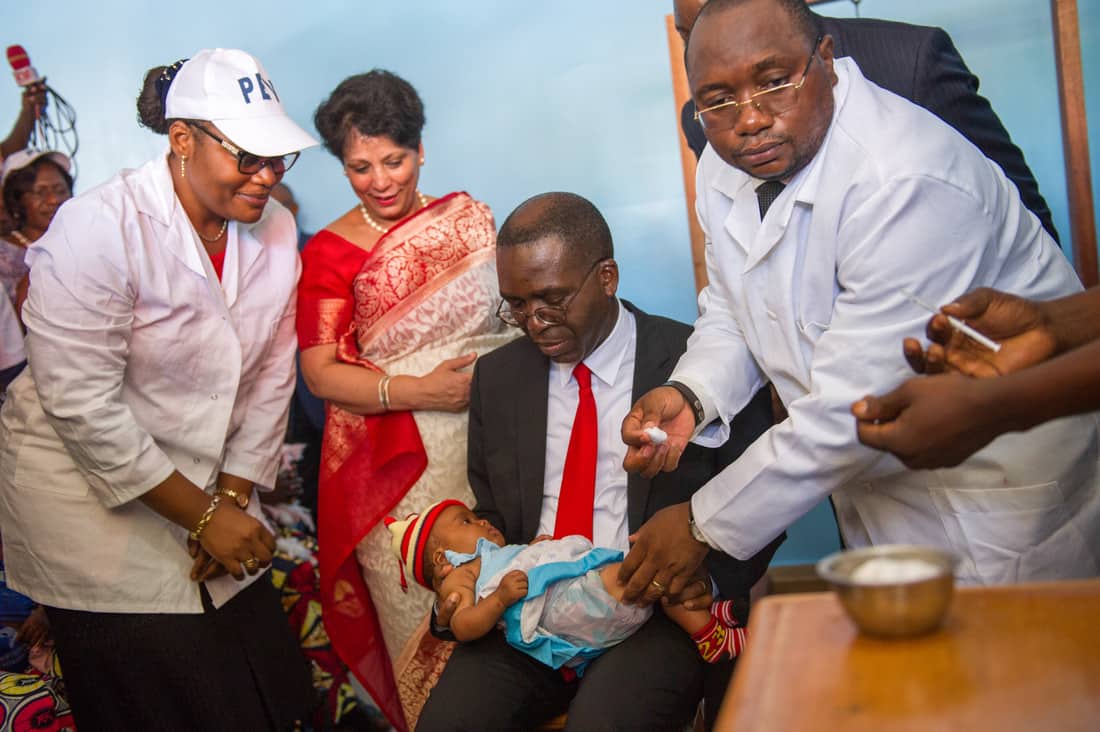
Implementing country governments
Implementing countries take the lead in identifying their immunisation needs, implementing vaccine programmes and co-financing their vaccines.
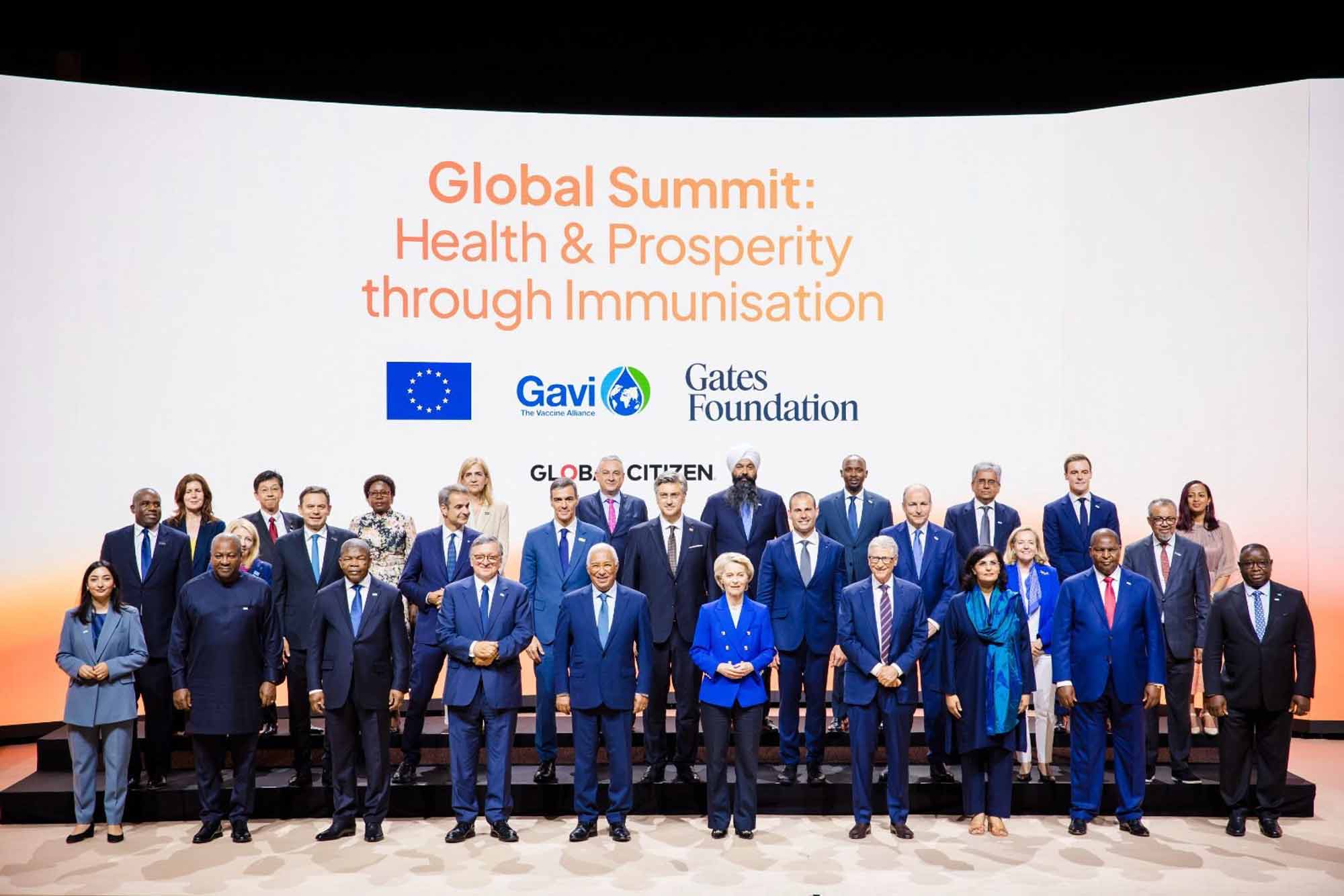
Donor governments contribute funding as well as expertise in international development programmes.
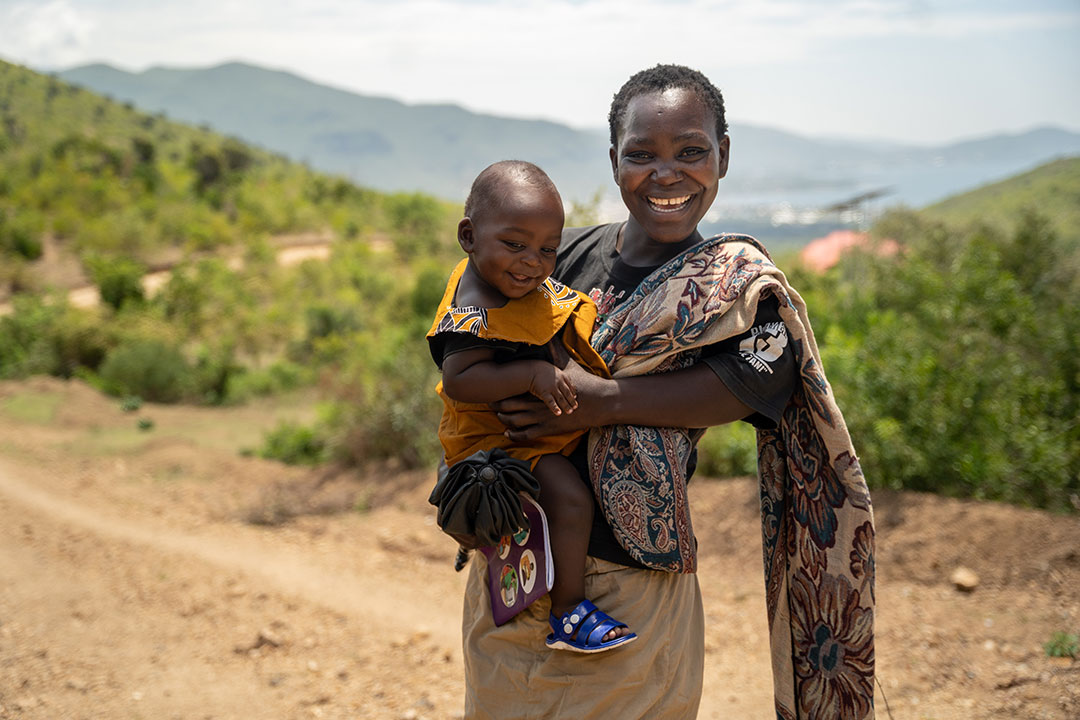
Civil society: driving increased equity in immunisation
Since Gavi’s inception, CSOs have been recognised as key partners for immunisation at global, regional and country levels.
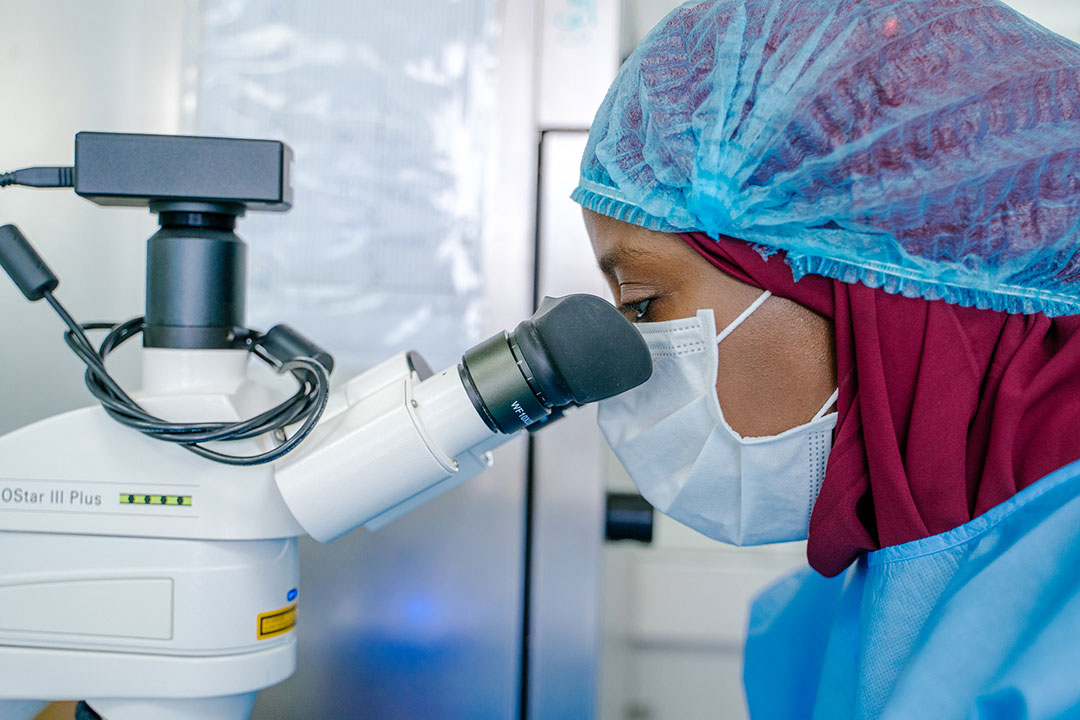
Gavi’s partnerships with the vaccine industry in developing and industrialised countries help ensure that vaccines are accessible and affordable.
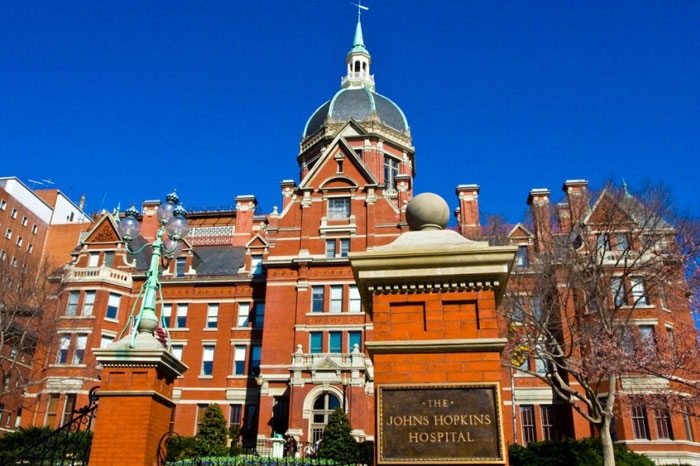
Research and technical institutes
Tapping into the latest information and thinking from the scientific, medical and product delivery communities.