

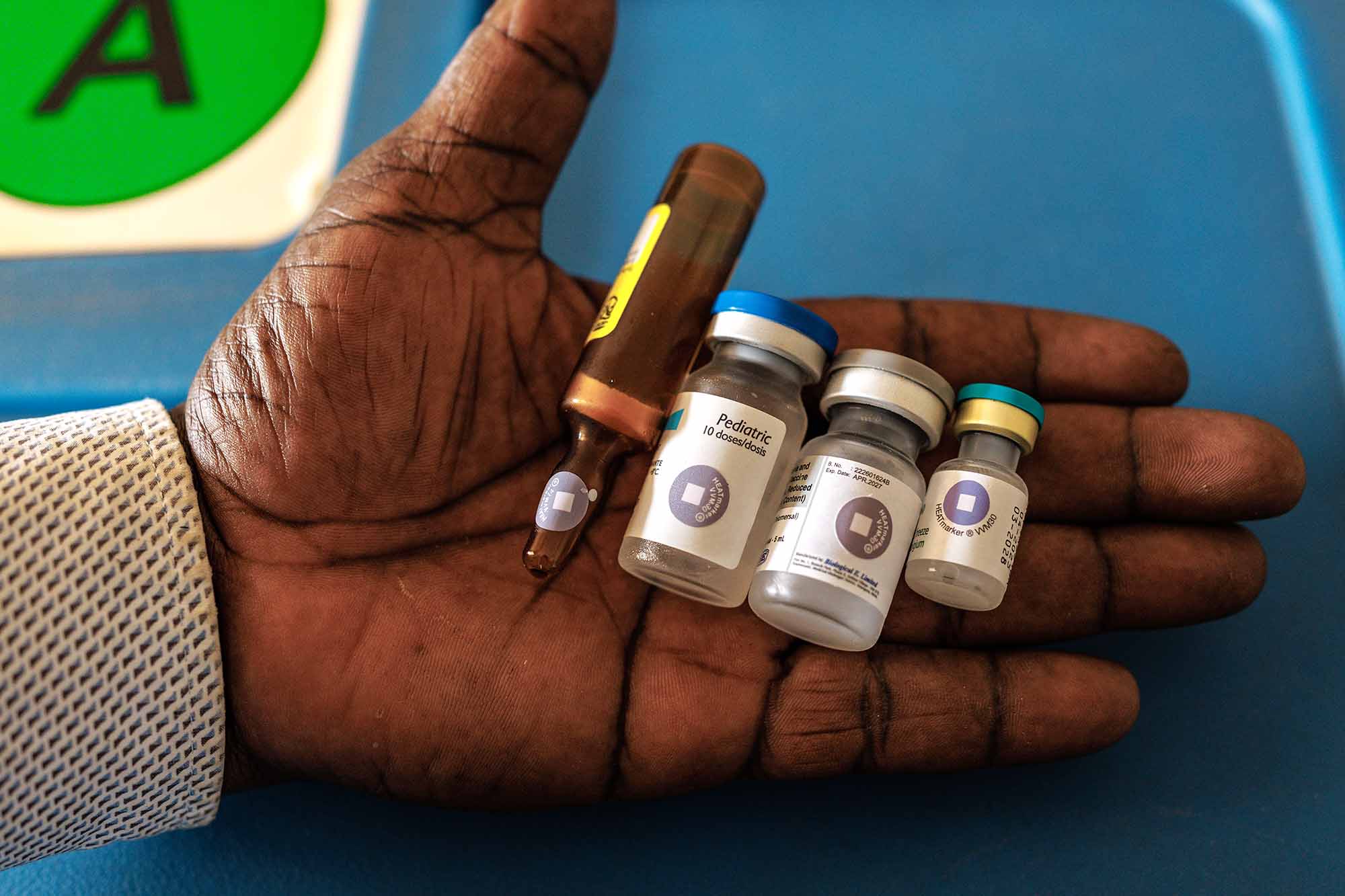
How vaccine vial monitors help protect children against disease
For 30 years, a simple heat-sensitive label has given health workers immediate proof that a vaccine is effective.
By Jjumba Martin, Anita Reza Zein | 9 Nov 2026

To stay safe and effective, vaccines must be kept at the right temperature range from the moment they are made until they reach the people who need it. But if a vaccine is damaged by heat, there’s no way to tell.
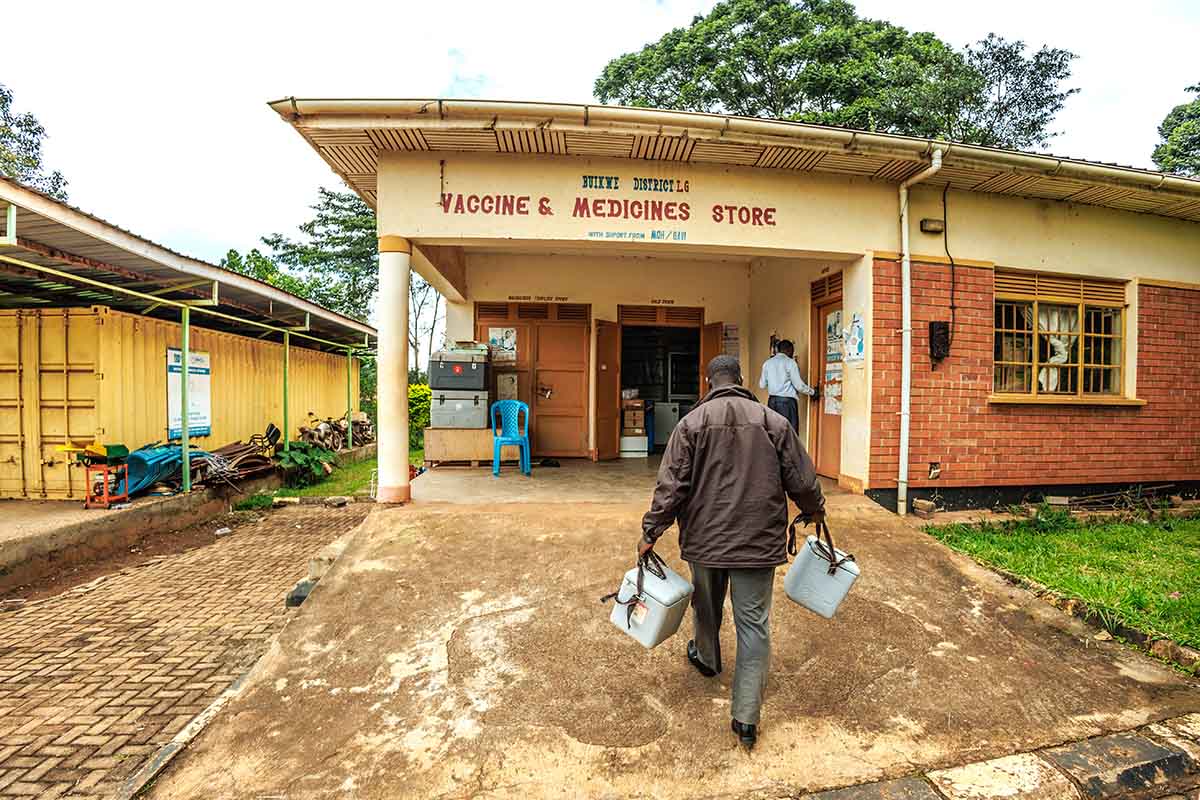
In remote health centres, maintaining that cold chain is a constant struggle against extreme heat and unreliable power grids. When the electricity fails, health workers face a critical question: is the vaccine still ok to use?
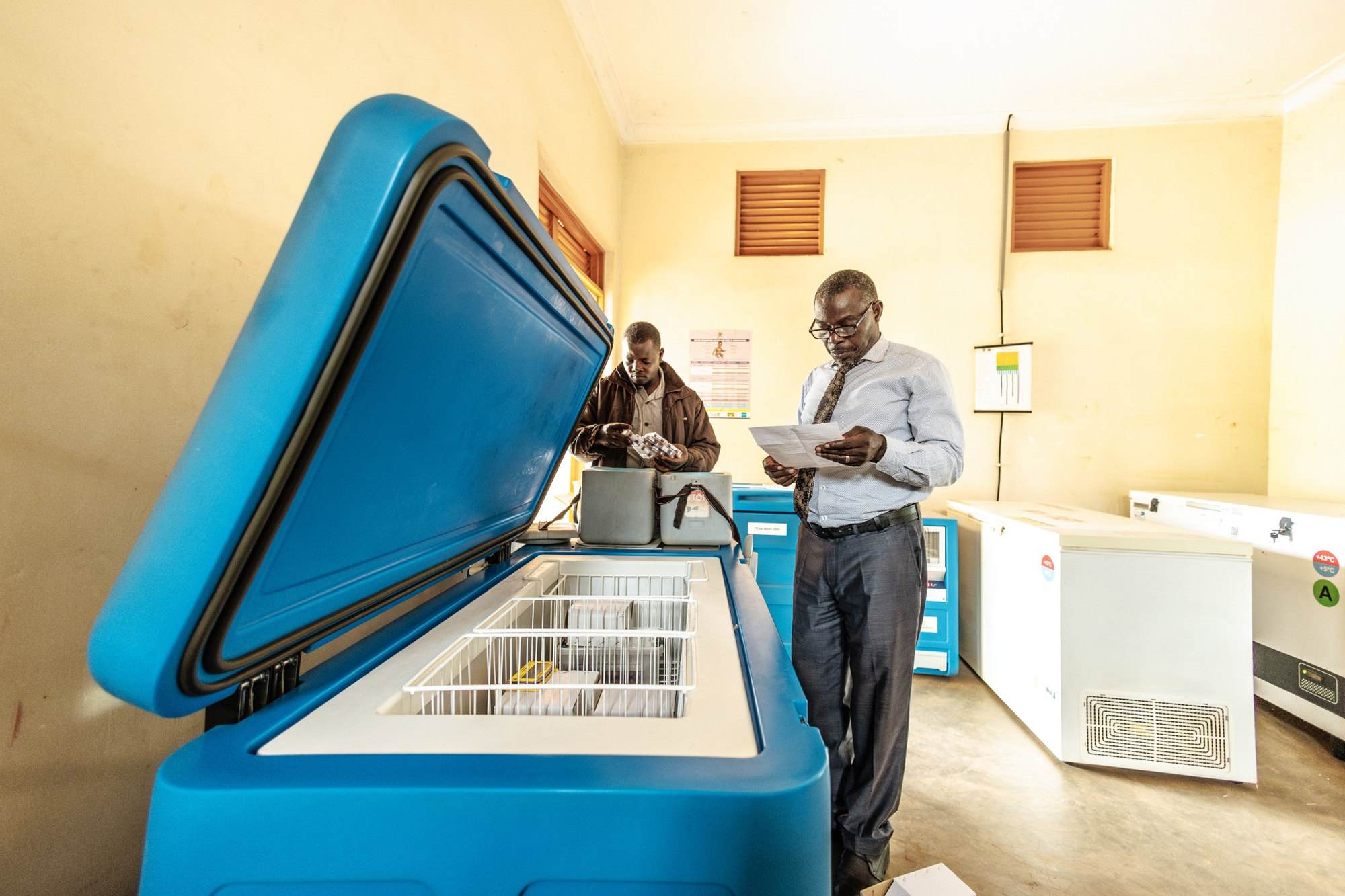
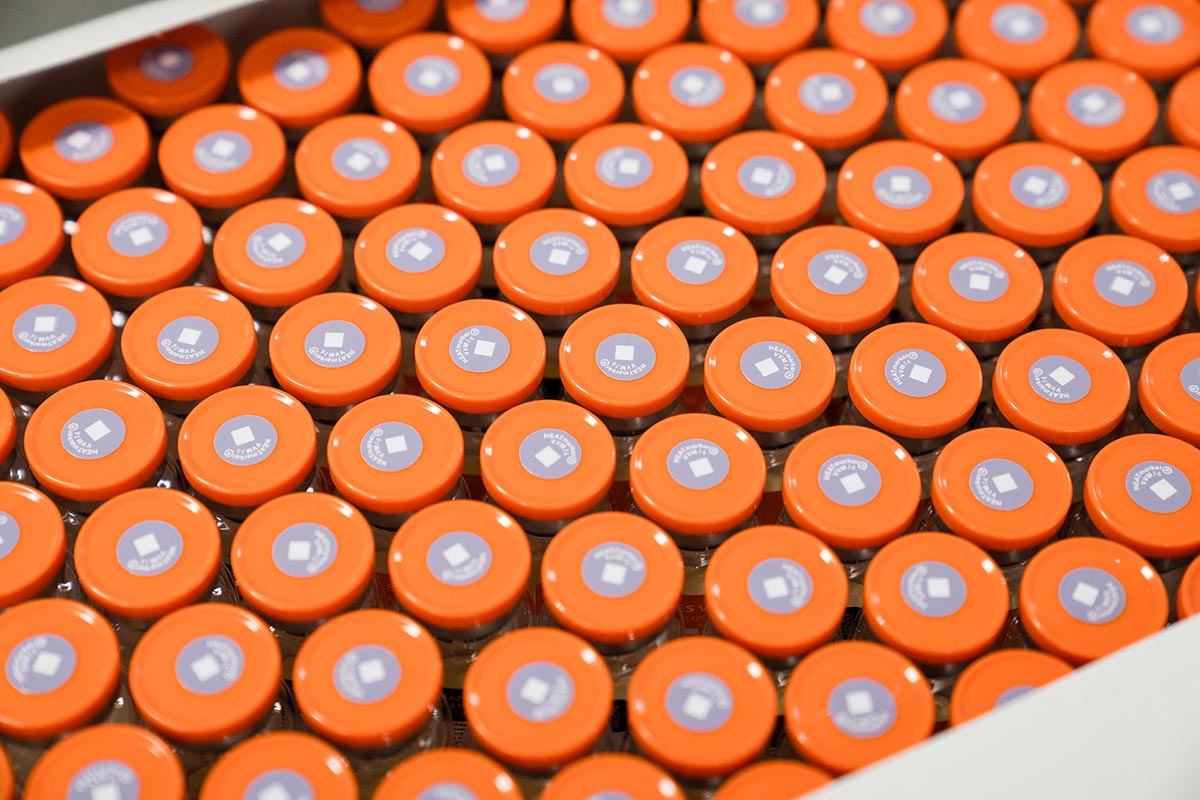
Vaccine vial monitors eliminate that uncertainty. They use a heat-sensitive chemical that irreversibly darkens over time as temperatures rise, meaning health workers can see immediately if the vaccine has lost its efficacy.
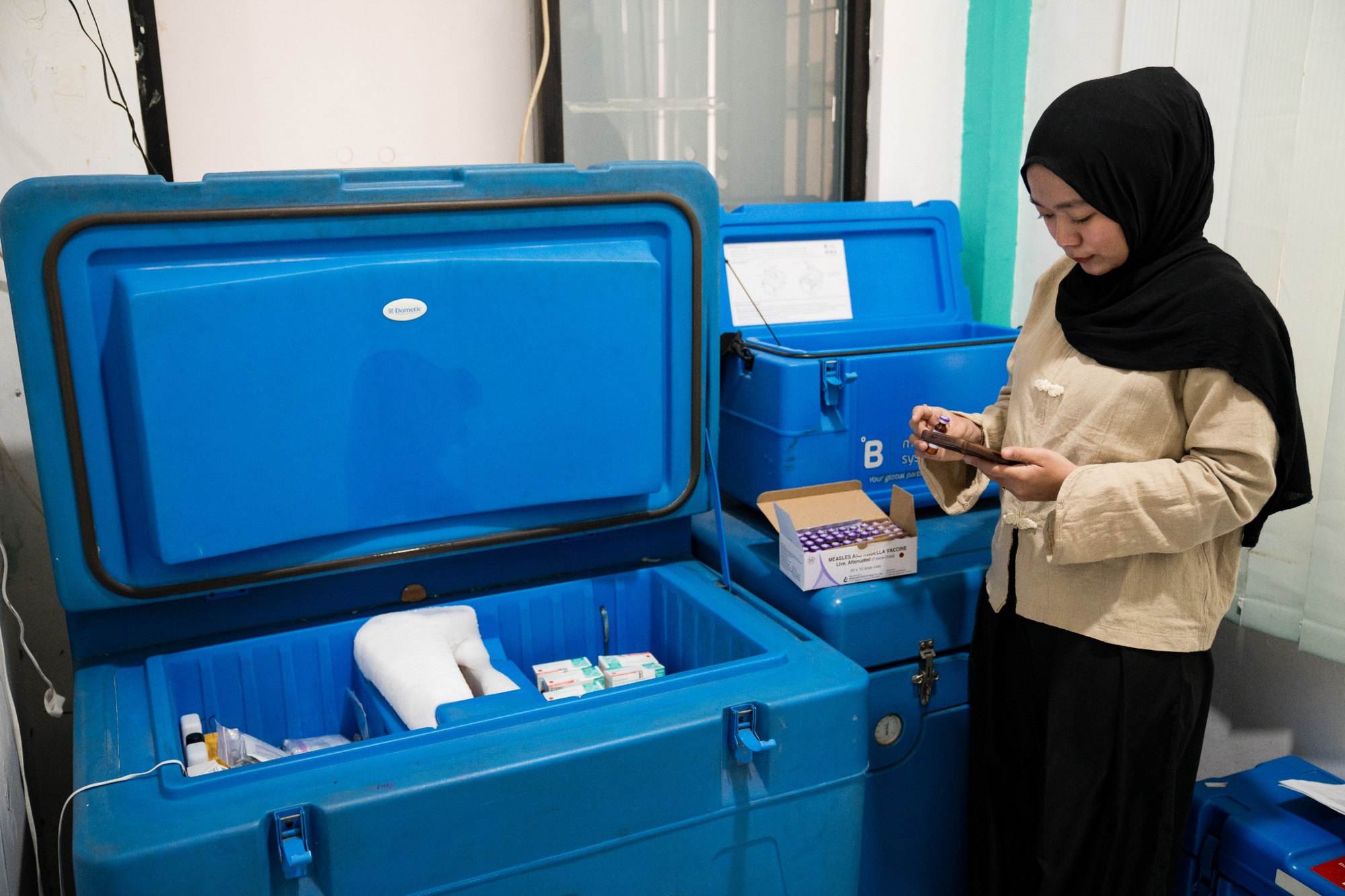
"In many clinics, if the power goes out people assume all the medicine is ruined. The vaccine vial monitor allows us to see whether a vaccine is still safe or damaged by heat... Without it, we might throw away an entire supply unnecessarily."
Yulianti Rohimah, Health Worker, Puskesmas Rancabali, West Java, Indonesia
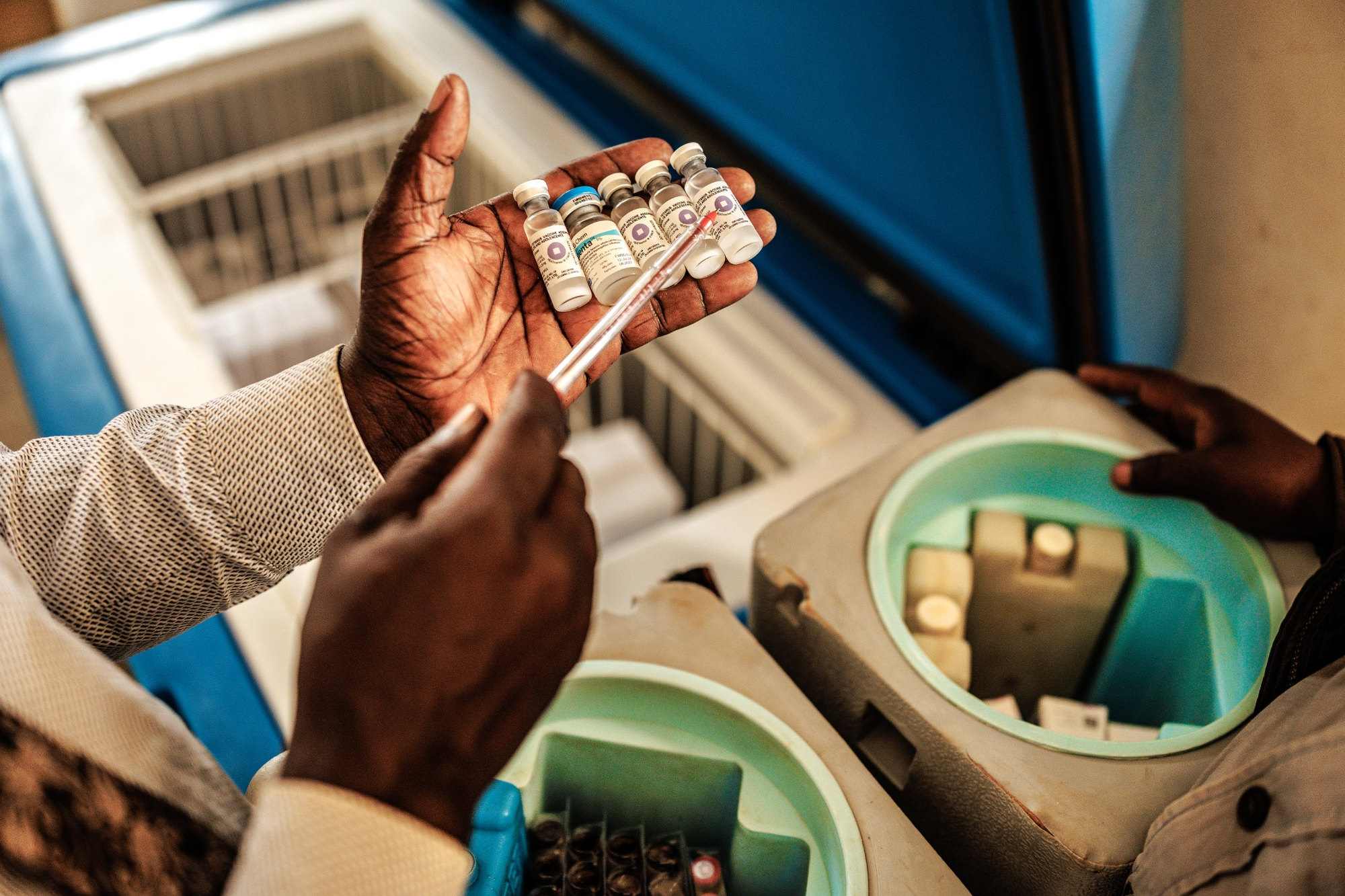
Today, frontline health workers rely on the technology to eliminate guesswork when administering routine vaccines.
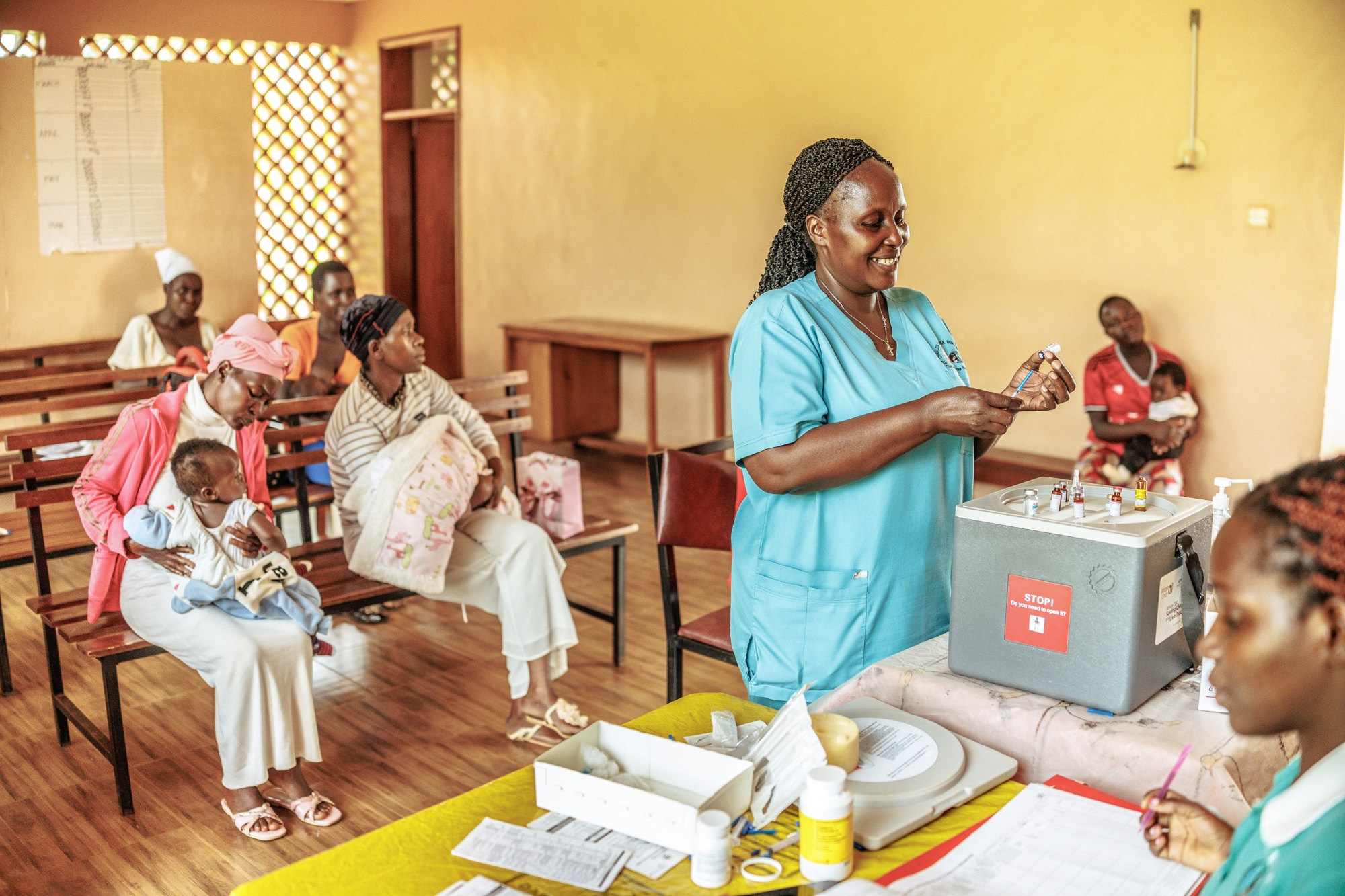
"I rely solely on the vaccine vial monitor as I perform my work... giving us the confidence that the medicine we inject into a child is still effective."
Grace Luzze, St. Charles Lwanga Hospital, Uganda
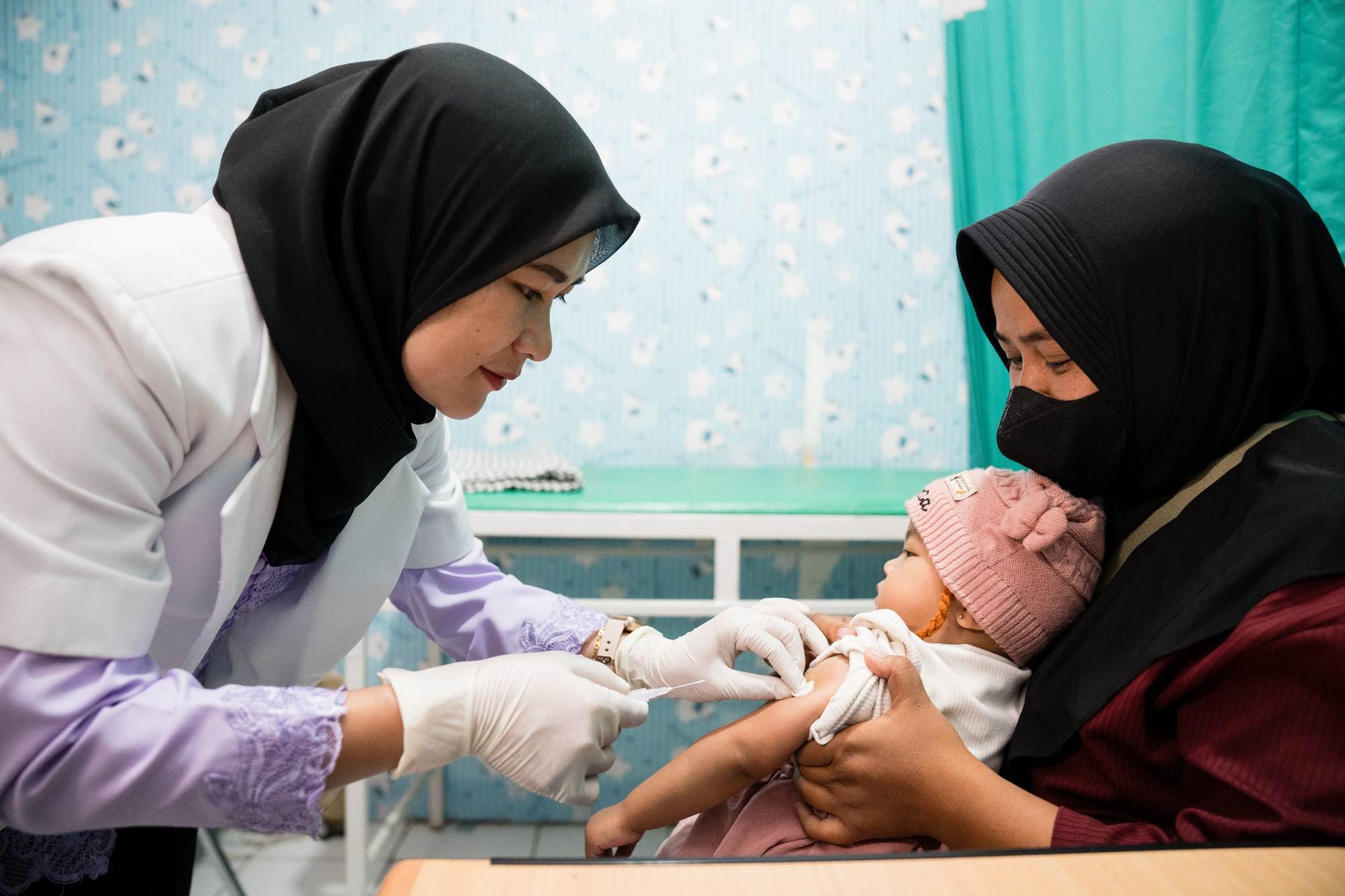
"I feel at peace knowing that my daughter is protected... I hope she will grow up to be strong, healthy, and happy."
Siska Rusmayanti, Mother, West Java, Indonesia