
1.3 billion children immunised, 23 million lives saved
Gavi, the Vaccine Alliance has now helped immunise roughly one-sixth of humanity since our inception in 2000. Read all the latest results in Gavi's 2025 Annual Progress Report.
Leaving no one behind with immunisation
Gavi, the Vaccine Alliance is a public-private partnership that helps vaccinate more than half the world’s children against some of the world's deadliest diseases.
About us Explore our Progress Report
Latest VaccinesWork features
View moreWhat – or who – wiped out most of the indigenous people of the Americas?
Can we really blame smallpox, measles and other imported pathogens for the “Great Dying” that followed European arrival in the New World?
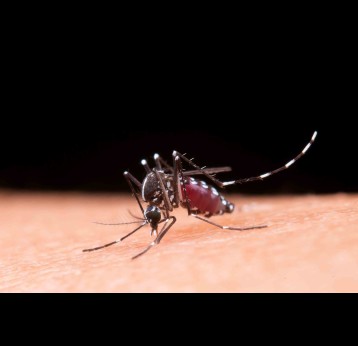
How viruses hijack mosquito saliva to help them infect us
Several viruses, including West Nile and Zika, release packages of genetic material that appear to suppress the body’s innate immune defences.
Mamaga knows best: Togolese queens counsel confidence in vaccination
In Togo, “mamagas” – community matriarchs – support efforts to stem the flow of vaccine misinformation.


VaccinesWork is an award-winning digital platform hosted by Gavi, covering news, features and explainers from every corner of global health and immunisation.
The Gavi Leap
The Gavi Leap
The Gavi Leap is the most ambitious reform agenda in global health, offering a blueprint for broader reform of the health and development architecture. Learn more about how Leap principles, such as country ownership, radical simplification and innovation, are already having a tangible impact on how immunisation is delivered in Gavi-supported countries.
Our work
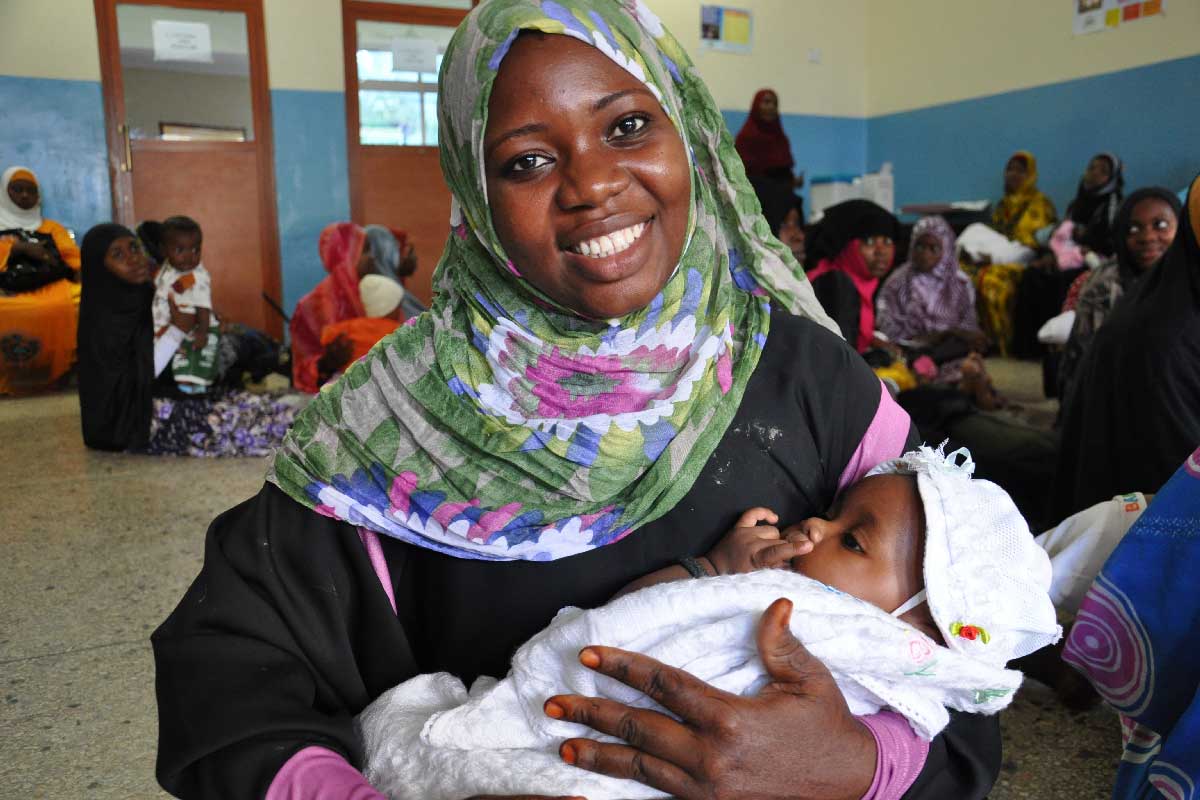
Vaccine portfolio
Gavi supports vaccines against 20 infectious diseases, including Ebola, malaria, mpox and rabies.
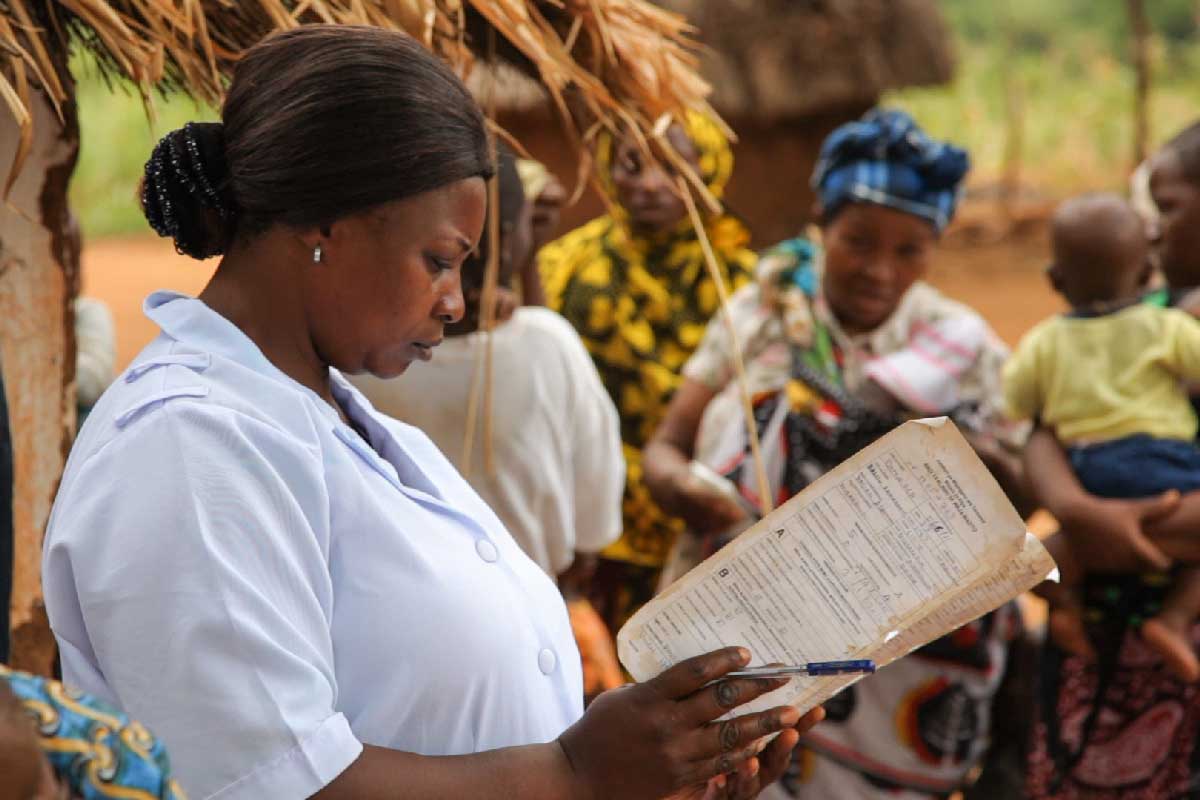
Health systems support
Strong health and immunisation systems are vital to deliver vaccines to all the children who need them.
Latest Gavi news releases
View allAn agreement announced today will cut the price of the RTS,S/AS01 malaria vaccine by approximately 40 per cent. The deal, executed by UNICEF and financially backed by Gavi, the Vaccine Alliance, is expected to generate around US$ 50 million in…

Vaccines deliver over US$ 30 billion in economic benefits for lower-income countries in 2025
Gavi-supported immunisation generated more than US$ 30 billion in economic benefits in 2025, through lower healthcare costs and healthier, more productive populations.
Made in Africa: New measles rapid diagnostic tests mark breakthrough for vaccination efforts
First-of-their-kind rapid measles diagnostic tests will support targeted vaccination during outbreaks and identification of priorities for preventive vaccination efforts.
The Vaccine Alliance
The Vaccine Alliance
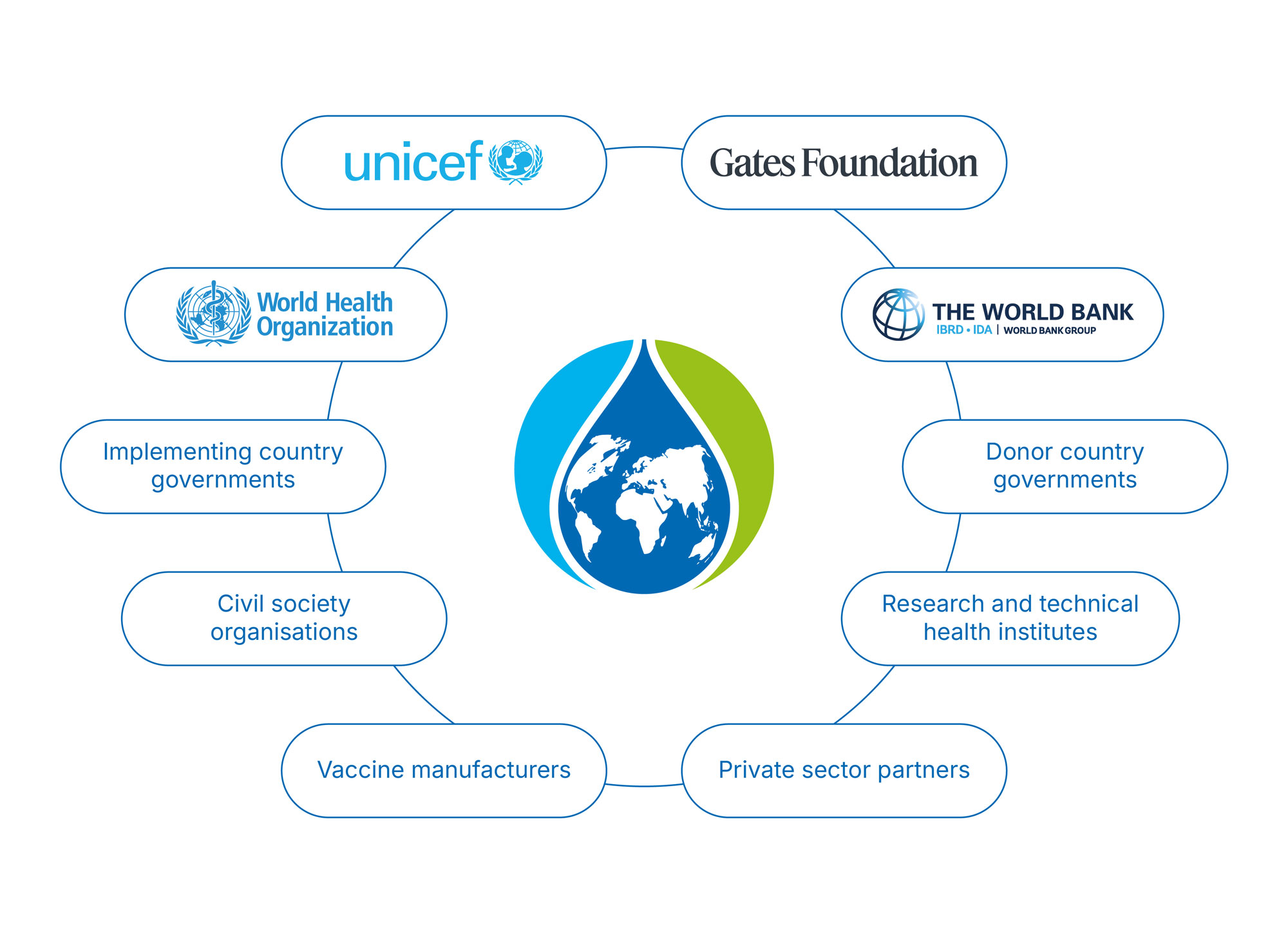
Gavi draws on the skills of a variety of partners, combining the technical expertise of the development community with the business know-how of the private sector.
Gavi 6.0 funding guidelines
Newly released funding guidelines outline the scope of Gavi’s vaccine and cash support for the 2026–2030 strategic period (Gavi 6.0), explain how countries should plan and prioritise their immunisation programmes within this support, clarify the requirements for the Gavi 6.0 country application and describe how to access other forms of assistance such as outbreak and emergency support.
Partner countries
Partner countries
Since its inception in 2000, Gavi has helped to immunise a whole generation – over 1.2 billion children – and prevented more than 20.6 million future deaths, helping to halve child mortality in 78 lower‑income countries.
Our donors
Our donors
As a public-private partnership, Gavi is funded by governments, foundations, institutions, organisations, corporations and private individuals.