
In Bangladesh, we found that vaccine hesitancy is often about socio-cultural anxiety
A team of anthropologists learned that the anxieties that govern decision-making about human papillomavirus vaccination are often not biomedical in nature.
- 6 November 2026
- 5 min read
- by Faria Binte Arif
At a glance
- Since 2023, Bangladesh has been on the offensive against cervical cancer, rolling out the human papillomavirus (HPV) vaccine to girls aged 10–14, and expanding access to cervical cancer screening through VIA (visual inspection of cervix with acetic acid) for women.
- Despite progress, Bangladesh continues to encounter vaccine hesitancy among parents of adolescent girls due to myths and misinformation, exacerbated by cultural taboos surrounding sexual and reproductive health and rights (SRHR)
- New anthropological research finds that improving sustained uptake requires multisectoral engagement, particularly active participation from teachers and religious leaders, to mobilise support, and educate girls and parents through community-based outreach approaches to target under-served audiences.
A fast-moving national roll-out, facing bottlenecks
A vaccine can protect a girl from cervical cancer, but its availability alone cannot protect her from the deleterious health effects of a rumour.
In Bangladesh, the human papillomavirus (HPV) vaccine has reached 5.6 million adolescent girls since it was launched in 2023. Yet for many parents in Sylhet, a city in the country’s east, the decision to vaccinate or not vaccinate their daughters is shaped less by the science and more by fear, misinformation and cultural silence around sexual and reproductive health.
This is why Bangladesh’s HPV vaccination campaign needs more than high coverage numbers: it needs improved trust. Without engaging parents, teachers and religious leaders, the country risks seeing a life-saving vaccine turn into a victim of rumour.
Cervical cancer remains a major global health burden, claiming around 350,000 women’s lives in 2023, with 94% of these deaths occurring in low- and middle-income countries. In Bangladesh, it is the second most common cancer among women, causing approximately 12,000 new cases and over 6,000 deaths each year.
HPV vaccination is a powerful preventive tool, particularly when administered to adolescent girls aged 9–14, and many countries have now launched nationwide immunisation campaigns.
Yet vaccines can only protect the next generation if girls actually receive them. In Sylhet, we saw how social norms, parental education, cultural and religious beliefs, and the stigma surrounding sexual health shape whether families accept the HPV vaccine, and learned that building trust is as important as providing the vaccine itself.
Field insights from Sylhet: awareness gaps, inclusion and trust
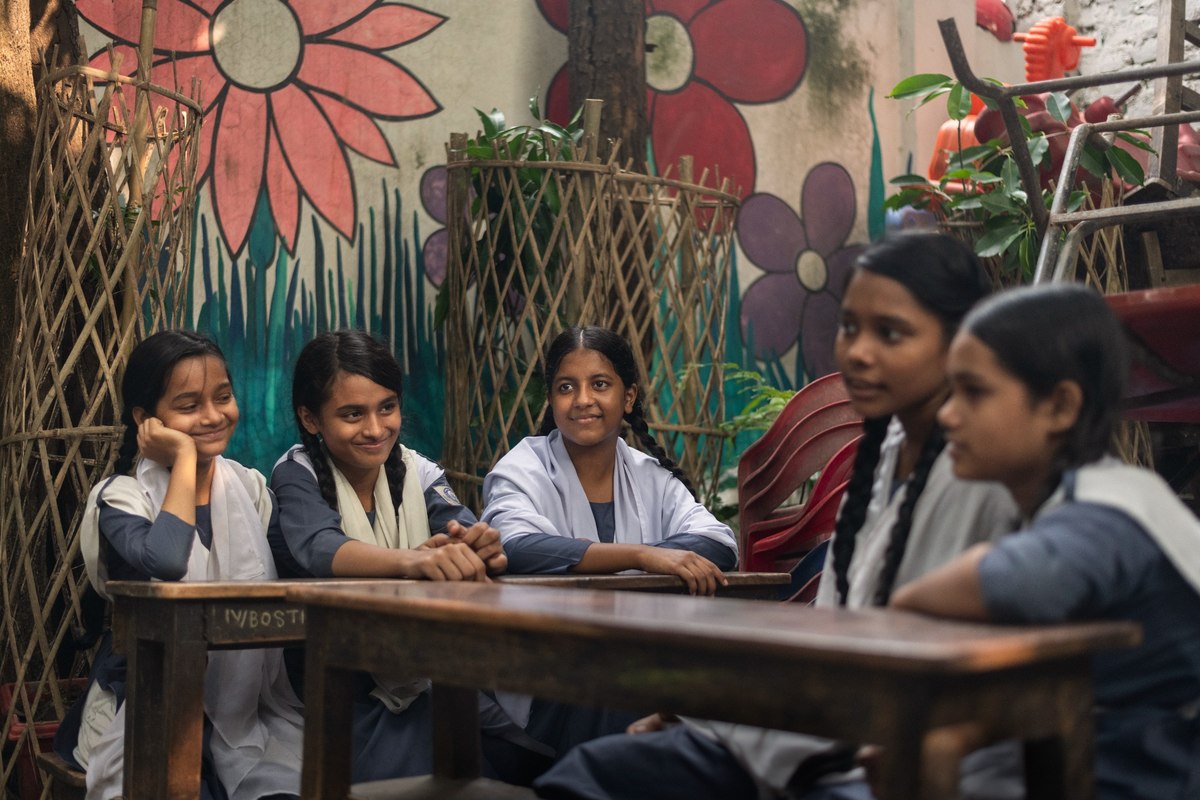
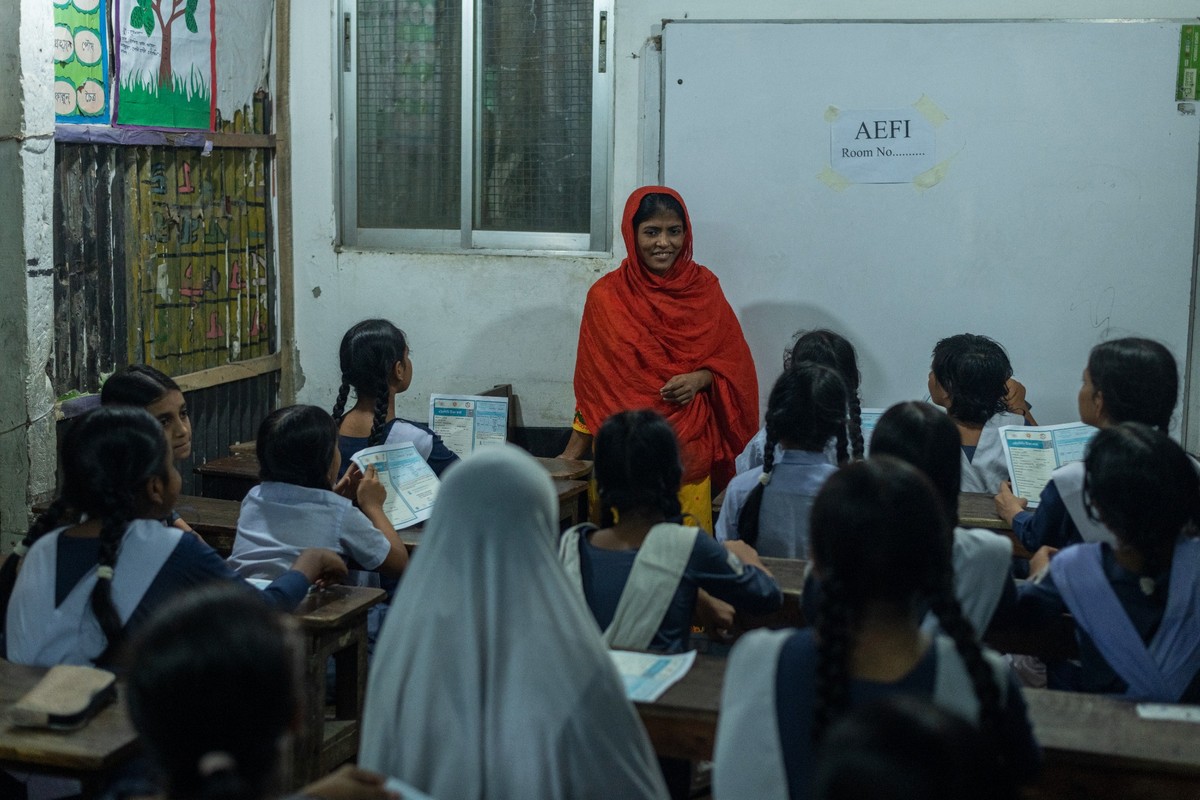
We saw that the uptake of the HPV vaccine depends not only on access, but also on awareness and trust. Teachers reported that many parents initially lacked information and voiced concerns. Field observations suggest that hesitancy is less about the vaccine’s safety profile and more about moralised interpretations of an STI-linked intervention. Some parents linked the vaccine to anxieties about adolescent sexuality, while others echoed post-COVID mistrust of “external” health agendas.
Misinformation amplifies these fears. Claims that the vaccine causes infertility – baseless, and publicly refuted by the Directorate General of Health Services – continue to shape household decisions.
Such content deepens fears of side-effects and stigma. Yet amid the backlash, some parents still sent their daughters to school for vaccination. Those with prior knowledge of the vaccine were far more likely to encourage uptake.
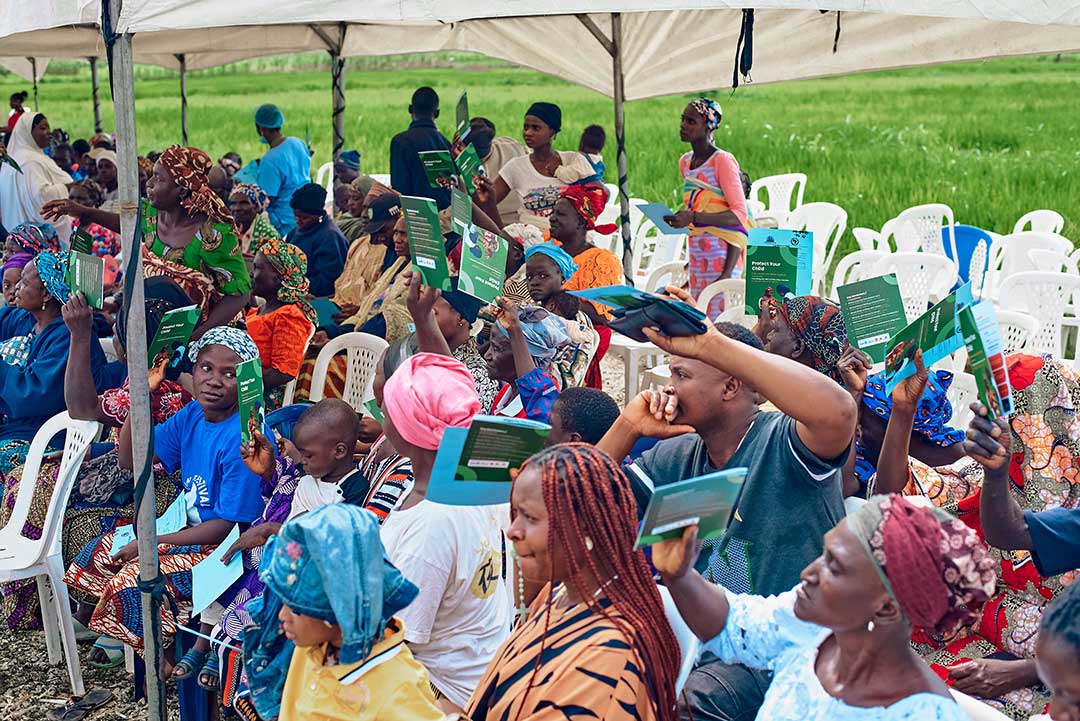
Educational interventions are essential. Authorities should adopt multi-component strategies: social media and TV campaigns, school-based events, parent-teacher counselling and community sensitisation. E-services such as SMS and media campaigns targeting parents – especially fathers – and adolescent girls can address infertility rumours, side-effect concerns, and religious perspectives through clear, locally resonant messages.
What works: evidence-informed strategies for sustained uptake
Recent evidence from Bangladesh offers a clear roadmap. In 2024, a quasi-experimental study across six divisions found that social media campaigns that had been informed by behavioural insights significantly increased HPV vaccination beyond the national campaign’s effect, with targeted social media outperforming population-wide messaging. School-awareness activities alone produced smaller gains, underscoring the need for layered approaches.

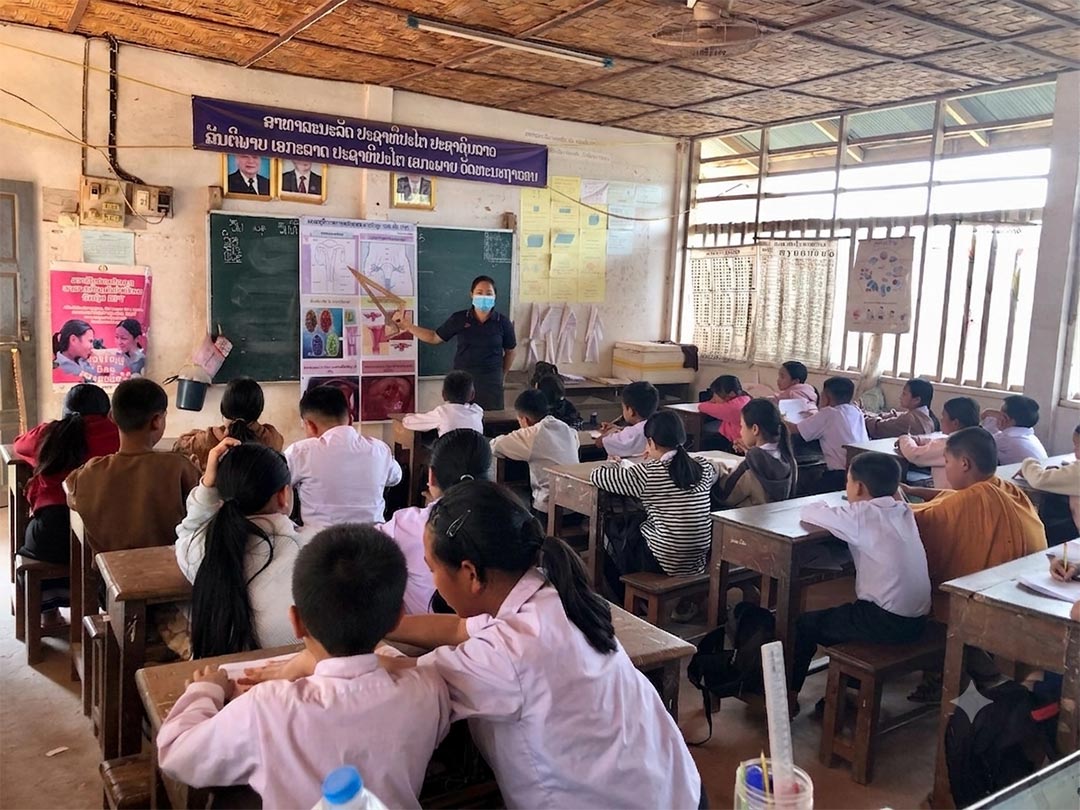
In Sylhet, we suggest that two priority actions can strengthen future rounds. First, repeated sensitisation sessions with teachers, madrasa leaders and imams before each campaign would help, as they are trusted local voices.
Second, hold pre-vaccination counselling for parents and students; involve male students in awareness sessions to reduce stigma; and establish simple on-site consent and record-keeping to minimise drop-offs.
Conclusion
These findings highlight that health interventions must address not only scientific aspects but also social, cultural, and religious dimensions. Trusted educators, NGO representatives, or peer groups significantly influence behaviour.
When reluctance to vaccinate is grounded in socio-cultural norms, targeted strategies are called for.