
Why measles is a bigger killer among India’s marginalised indigenous people
After 32 children from the Baiga forest community died earlier this year, health officials reckon with the geographical, cultural, linguistic and economic barriers to health facing this forest-dwelling community.
- 25 November 2026
- 6 min read
- by Shuriah Niazi
At a glance
- A measles outbreak killed 32 children in the forest-dwelling Baiga community of central India this year.
- Among the Baiga, a marginalised indigenous group, vaccination rates were dangerously low, hovering at between 49 and 70%.
- Now, health officials are reckoning with the complex social, cultural and geographic factors that explain why Baiga children have tended to remain less protected from infectious disease than their counterparts in less vulnerable groups.
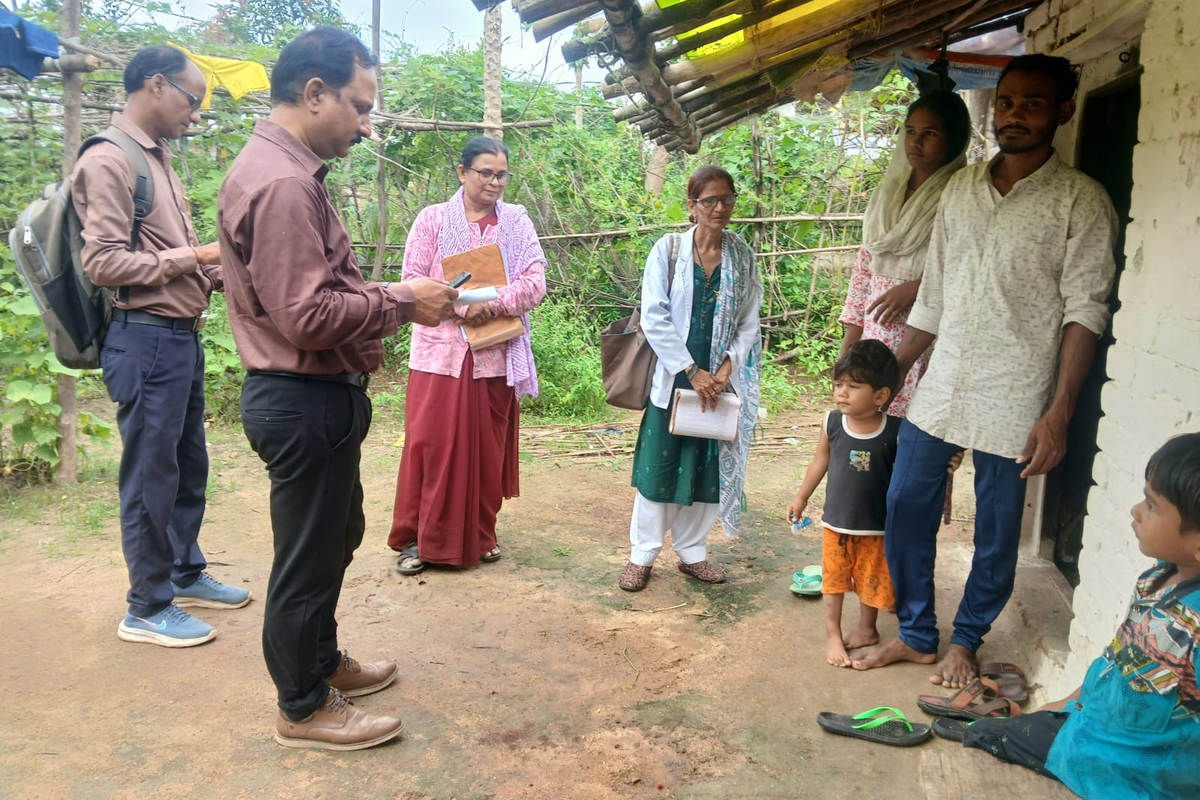
A desolate kind of calm welcomes visitors to the forests of Birsa block, in Balaghat district, Madhya Pradesh. There’s a grim reality underpinning this quiet: 32 children have reportedly died here since May 2026.
The skin rashes that some children developed meant that locals blamed Mata ka prakop – a belief that attributes measles to the wrath of a goddess. Instead of going to health centres, they initially turned to traditional healers.
When health workers eventually reached the forest villages, many families hid their children and refused to allow medical examinations. By that time, eight had already died. The toll quadrupled before the outbreak was quelled.
A disease of poverty and social exclusion
The children who died belonged to the Korku Bundari and Songadda areas – parts of Birsa block inhabited by the indigenous Baiga community.
The Baigas are classified in India as a Particularly Vulnerable Tribal Group (PVTG), reflecting not just their poverty, but also their distinct language, traditions, and forest-based way of life, which leave them prone to exclusion from mainstream services.
Intersecting social realities including high rates of malnutrition, a lack of clean drinking water, and residence in remote areas, mean that Baiga children are disproportionately at risk from infectious diseases. Vaccination serves as their most critical form of protection. However, ensuring that every child receives the necessary doses remains a challenging task.
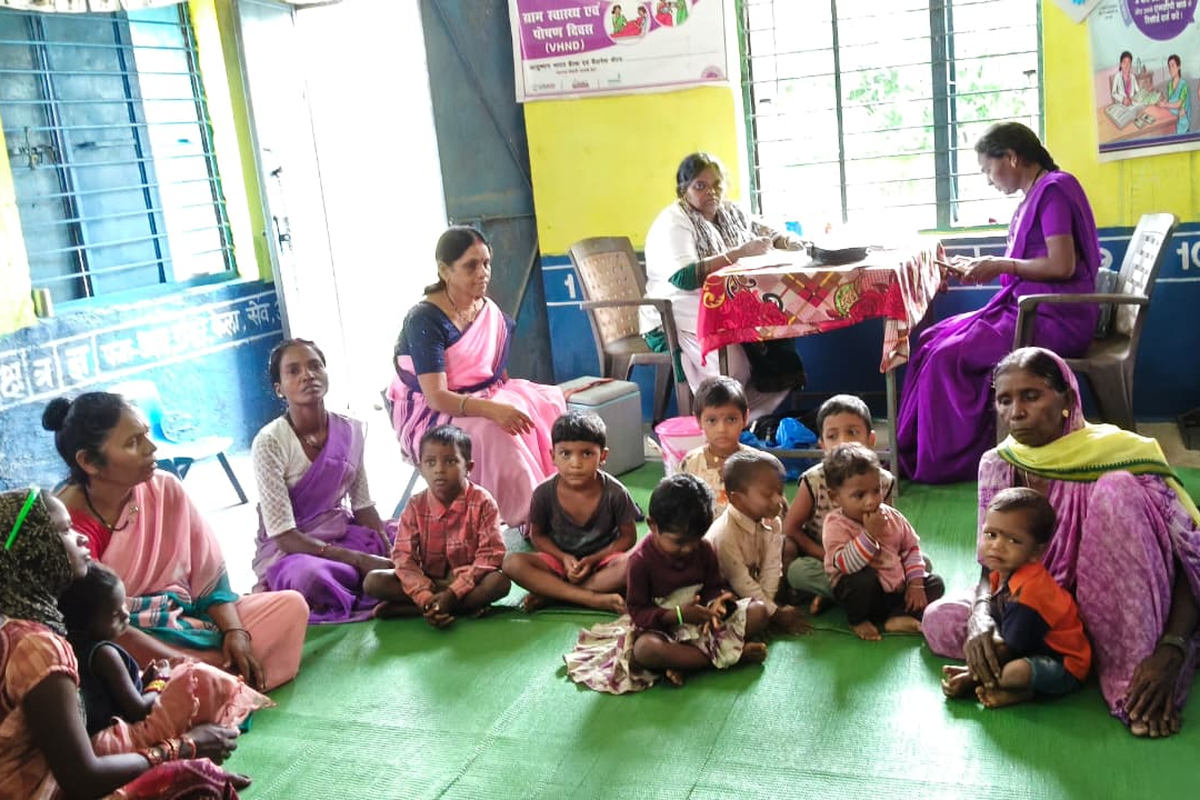
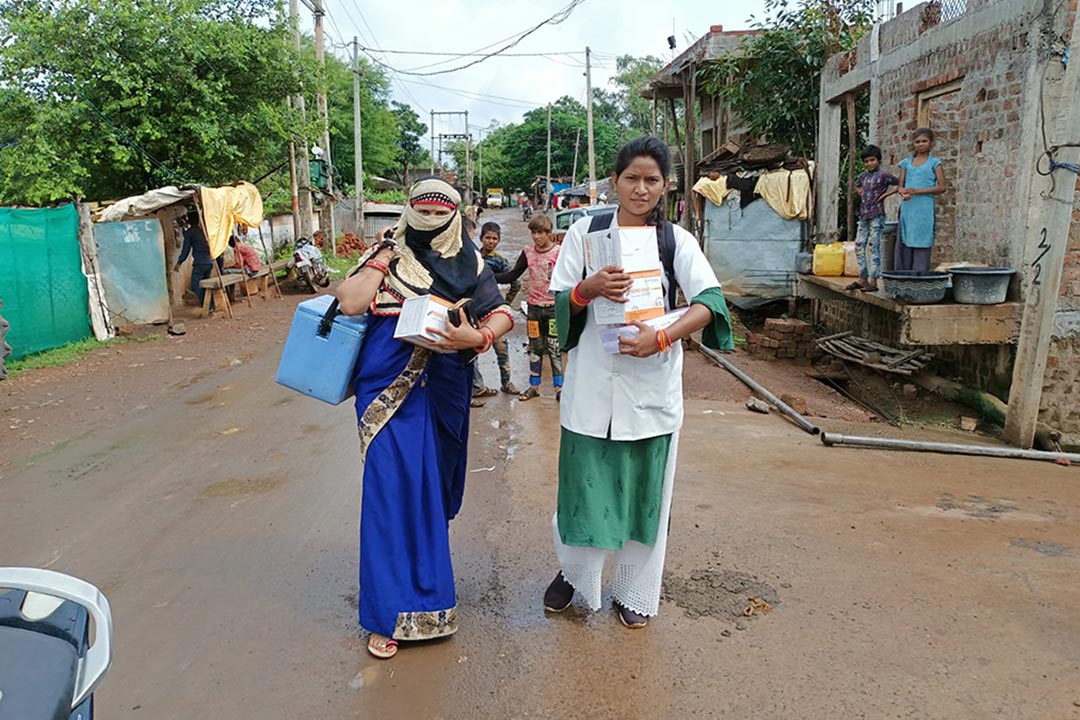
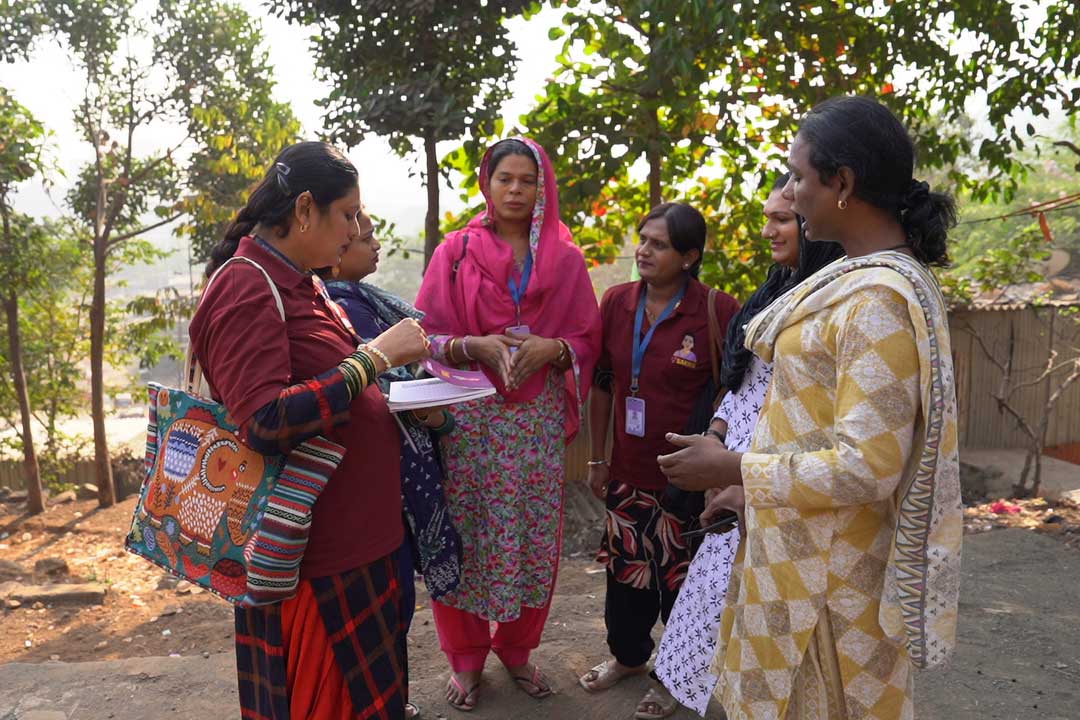
ANM (Auxiliary Nurse Midwife) Asha Maravi explains the challenges she faces. She covers nine villages, spread over a range of 40–45 km in the forest. Some villages are three or four kilometres from the road, meaning that she and the ASHA workers – Indian frontline community health workers – who support her, travel on foot.
However, she explains that the biggest issue she faces is gaining the trust of families.
“Many times, explaining [the importance of vaccination] just once is not enough. That is why we have to visit families repeatedly to convince them about the importance of vaccination.”
Maravi went on to explain that many of the children in her area suffer from malnutrition, leaving them at greater risk of complications and death in the event of an outbreak. “Families need to be specially counselled about the health of such children,” she said.
Brittle trust and mobile lives
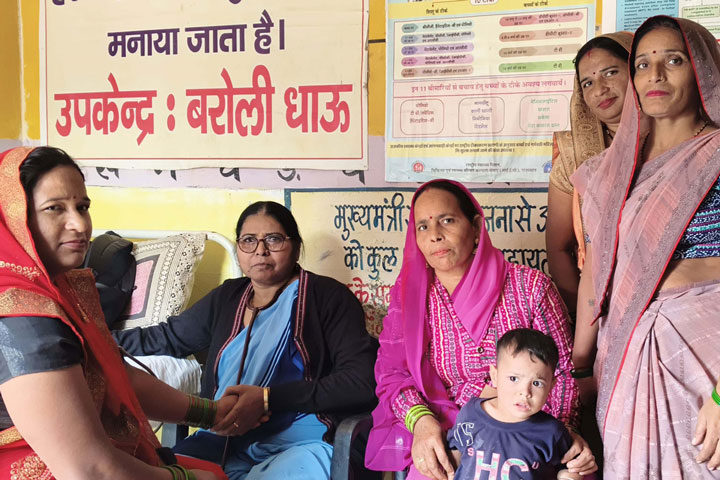
“After a vaccination, if a child develops a fever or swelling at the injection site, the elders in the family – especially the grandparents – often become distressed seeing the child cry,” says Rita Uike, an ANM who serves several villages of Baihar block, Balaghat district. She says most of the Baiga families in her area do opt to vaccinate, but trust is easily lost.
“In such cases, some families hesitate to bring the child back for the next dose. Health workers then have to revisit them and explain that these vaccines protect children from serious illnesses.”
That worked for the family of Ashok Sayayam. At age four, Sayayam’s son remained unimmunised because the adults in his families were unnerved by the febrile side-effects they had seen in other children. A patient conversation was enough to change that. “When the health workers explained everything to us, we realised that vaccination is essential for our child’s health,” Sayayam said.
Uike adds that seasonal migration is another major hurdle. “Many families move away in search of work – for instance, to work in chilli fields or to find employment in cities like Hyderabad. Others are occupied with seasonal tasks, such as collecting mahua flowers and leaves. Consequently, children are often unavailable for vaccination on the scheduled dates. When these families return, health workers reach out to them to ensure the missed doses are administered.”
Measles coverage rates of 49–70% spell grave danger
According to an investigation by the Central National Joint Outbreak Response Team (NJORT), between April 2025 and March 2026, the coverage for the first dose of the measles-rubella vaccine in the Baihar block of Balaghat district stood at 51%, while the coverage for the second dose was 49%. In Birsa block, these figures were 64.8% and 65%, respectively. Measles is an incredibly fast-spreading virus, and the World Health Organization reports 95% coverage with both doses as the threshold for herd immunity.
There was some improvement between April and July 2026, but coverage with the first dose in Birsa reached only 70.4% by mid-year.

Meantime, the investigating team found that 604 children in various Anganwadi areas of Birsa block were suffering from severe acute malnutrition (SAM), while 1,985 children were suffering from moderate acute malnutrition (MAM).
“There are various challenges regarding immunisation within tribal communities. Language barriers, in particular, pose a significant problem; it is often difficult for health workers to explain the importance of vaccination to the local population in their own tribal languages. Furthermore, a lack of awareness, social beliefs, and misconceptions about vaccines also influence the decisions made by families," said Dr Saurabh Purohit, Deputy Director, Routine Immunization programme, Madhya Pradesh.
“In many remote tribal villages, delivering healthcare services and ensuring timely vaccination for children remains a persistent challenge. Geographical conditions, the distance from health centres, and a lack of basic infrastructure further exacerbate the situation.
“Lack of participation in immunisation programmes can’t be blamed on lack of awareness or unwillingness. There are several social and cultural factors at play,” added Purohit.
Have you read?
Finding a fitting response
Amulya Nidhi, national convener of the Jan Swasthya Abhiyan India, or People’s Health Movement, a nationwide network of health workers, doctors, researchers, and civil society organisations – elaborated on those factors: “To understand the health-related vulnerabilities of the Baiga community, we must examine several factors collectively: their way of life, their dependence on forests, poverty, malnutrition, access to clean drinking water, and their physical distance from healthcare facilities. For this community, forests have served as a source of livelihood, food and traditional medicine. When implementing health programmes, it is essential to consider local culture and social beliefs.”
Nidhi further says that the community may place greater trust in traditional healers. “Therefore, fostering collaboration between health workers and trusted local figures can be highly effective in promoting vaccination and ensuring timely medical treatment. Communicating in the local language is also crucial, as it ensures that information regarding disease symptoms and treatment reaches families accurately. Data from Balaghat also highlight the link between vaccination and nutrition,” he added.
Since the outbreak, the administration deployed 20 health teams to the area to conduct door-to-door health screenings for children. Health officials also convened evening vaccination sessions for the families in the at-risk areas, since most Baiga parents work as daily-wage labourers, and can’t afford to take time off to get their children vaccinated during the day.