
The Gavi Leap has reached an inflection point: its impact is already being felt
- 11 November 2026
- 5 min read
- by Sania Nishtar
Gavi is on track to deliver more than one billion life-saving vaccine doses by the end of 2026, even as the organisation moves from planning the most ambitious reform in its history to helping countries implement it.
The reform has been anchored in the perspectives of countries and shaped collectively by Gavi employees, Alliance partners and a Board that deserves plaudits for being willing to enable transformation at pace and at scale.
In its conception, I may have drawn upon lessons from leading complex reforms in Pakistan, however the credit for its design and implementation belongs to the remarkable commitment of colleagues across the Gavi community.
Together, we are building on Gavi’s strengths while accelerating a deeper shift towards country ownership, stronger national institutions and greater domestic investment in immunisation.
The Gavi Leap reform was undertaken amid profound change: donor funding cuts, growing country demand for greater autonomy and the post-COVID-19 rebalancing of global health.
Reform is never easy and this process has been no exception, changing the way many of us work and involving the loss of valued colleagues. I do not underplay that. Despite narrowing the financing gap, financial pressures remain and difficult measures are still required.
But through this difficult transition, however, the important steps we have taken are making Gavi more efficient, effective, fairer and more country-centric.
If I could sum up the Gavi Leap in a few words, they would be “optimization, simplicity, transparency and accountability”. Achieving these ambitions has been by no means straightforward and a great deal of learning and adaptation is ongoing to overcome bottlenecks and pain points.
Today, however, Gavi’s approach to grant-making is much more systematic: we have moved away from isolated pockets of funding towards clearer processes, collective decision-making and stronger checks and balances.
We have also undertaken a long-overdue digitisation of the grant-making process, tightened our procurement and contracting, and increased competitive tendering.
We have also strengthened country ownership and inter-country equity by giving each country its own vaccine budget, replacing a first-come, first-served approach that had created winners and losers in the past.
About Gavi Leap
Today, the Gavi Leap reforms are well on their way to implementation. A good number of country applications are in and, while a number of process adjustments have been made in response to feedback from programmatic colleagues, I am proud that at no point has any country experienced any delay to its immunisation programmes as a result of our changes and our audits remain unqualified.
Mindful that there are 33% fewer Gavi colleagues than a year ago, the fact that we will deliver over one billion vaccine doses this year is a powerful testament to the herculean task that has been accomplished.
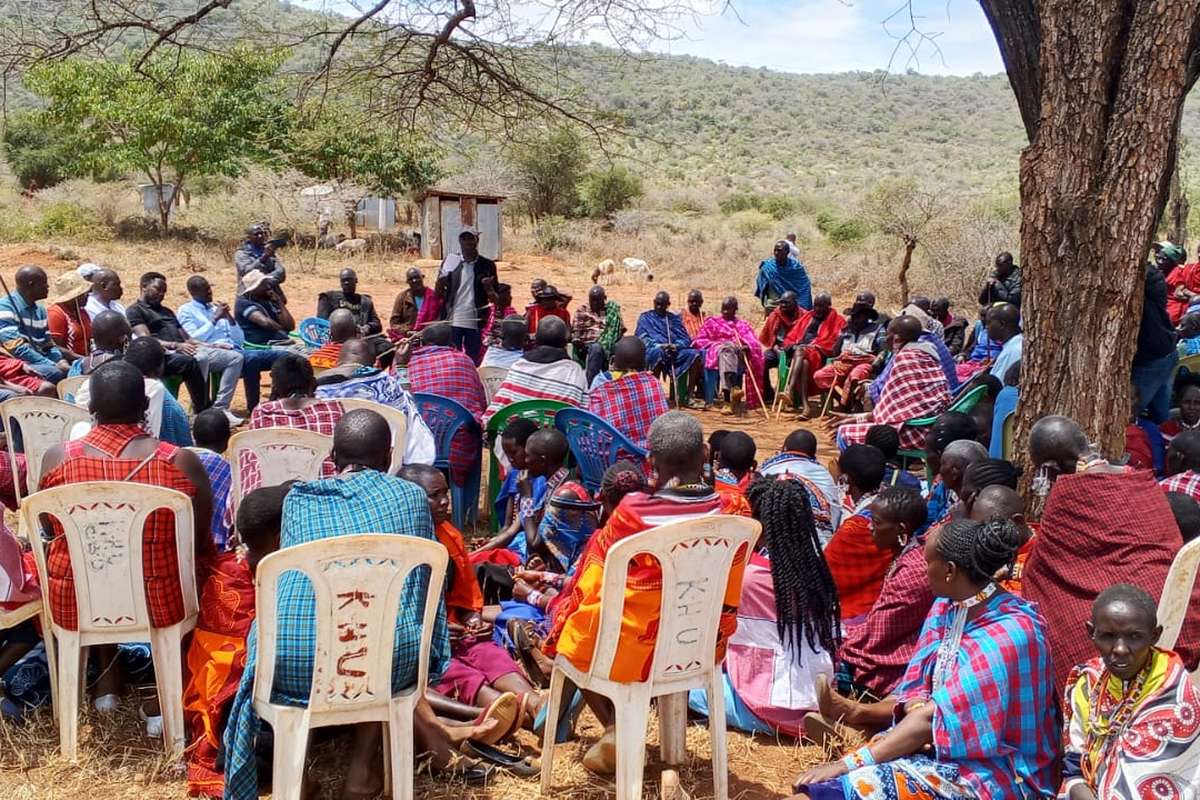
Importantly, African leaders are welcoming the Gavi Leap’s emphasis on devolved decision-making, simpler administration and greater country agency.
That matters, because the ultimate test of reform is not what changes inside an institution, but whether those changes better serve countries and their people.
The hidden costs of change
Gavi’s transformation is not happening in isolation. Across global health, organisations are grappling with many of the same pressures, having to make difficult choices to ensure their future viability and effectiveness.
There is no doubt the need for wholesale change has taken a toll on staff, some of whom have questioned the choices their leaders made, while others have worked constructively to find ways forward.
The hard reality of change is that any shift in authority and resources brings disruption to established interests. I learned this firsthand in government. With Cabinet-level responsibility for social protection, I had the opportunity to translate into practice convictions I had developed much earlier in my career when I was a civil society activist.
Leading Pakistan’s largest social protection programme meant confronting systemic challenges and the interests that had grown around them. That became very real from the outset. One of my first actions was to remove 820,000 people who did not meet objective eligibility criteria from the social protection roll, despite significant resistance.
During COVID-19, we took a similarly principled approach, delivering cash assistance to around 15 million families through an end-to-end digital system that was designed specifically to minimise political interference.
Throughout my time in government, I repeatedly encountered both committed allies and vested interests seeking to preserve the status quo. The lesson I carried forward was simple: meaningful reform requires being prepared to challenge the interests the old system serves.
Another reality I have experienced personally is that when difficult reform is led by a woman, particularly one from the Global South, it is often judged through a different lens and held to a different standard.
I am sharing these reflections because I believe my experiences in government, and more recently at Gavi, are highly relevant for the current discourse on reform of global health. Changing established ways of working carries a weight and burden that is always under-appreciated at the outset and often gets masked by diplomatic nuance in later accounts that rarely reveal the interests disrupted, the resistance encountered or the price reformers paid for challenging the status quo.
Global health reform must, therefore, go beyond structures, mandates and institutional design and actually challenge the interests and incentives that sustain the status quo.
Gavi Leap is our own contribution to that broader transformation, and its work is far from finished.
I am deeply grateful to Gavi’s Board for the trust they have placed in me by extending my term for another three years. I approach the years ahead with humility, committed to listening to countries, partners and colleagues, and to learning from what works and what does not.
I will remain open to scrutiny, transparent about our progress and guided above all by the countries and people we serve. Ultimately, the Gavi Leap will be judged by whether or not we are able to help more children reach their fifth birthday.