
How Keralam, India, tackles a monsoon Shigella spike
As Shigella cases rise in Keralam, health workers are racing to trace infections before they spread.
- 1 September 2026
- 7 min read
- by Kanika Gupta , Jeff Joseph Paul
At a glance
- When monsoon starts in Keralam, southern India, acute diarrhoeal diseases, including shigellosis, spread rapidly
- No vaccine is yet available for the bacterial infection and the state’s health system relies on early case-finding, infection tracing and community awareness campaigns to keep the potentially fatal bug in check
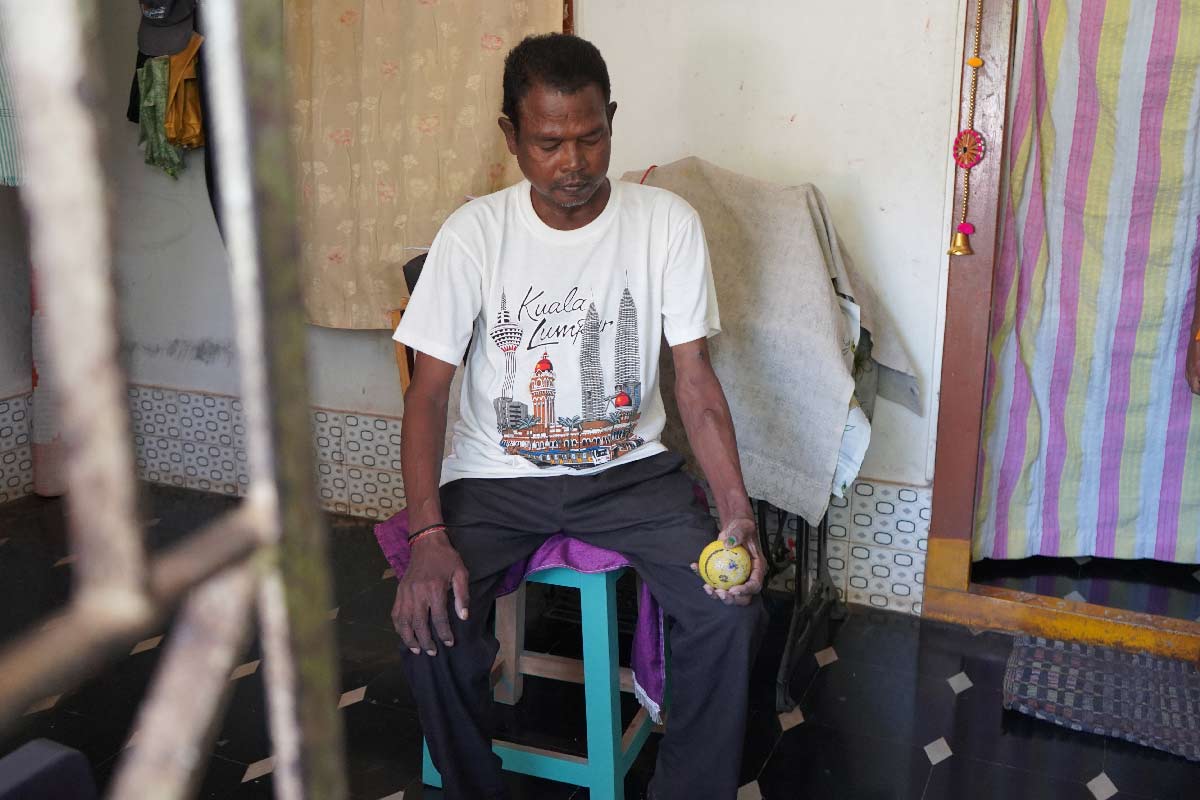
- Keralam’s public health system is known for its efficiency. “In our case, they started treatment even before the infection was confirmed as Shigella,” said Babu Puthalat, who recently recovered. Sadly, for his granddaughter, that wasn’t soon enough. Nila was one of six Keralans to die during a June surge.
The first week of June brought tragic news for the Puthalat family in Thirukulathur village in Keralam’s Kozhikode district. Their four-year-old daughter, Nila, had died after a severe bout of diarrhoea.
According to her mother, Princy Mary, Nila vomited upon returning sick from her abortive first day at school. She was taken to a nearby clinic, where doctors diagnosed food poisoning. But by evening, she had developed fever and diarrhoea. The family took her to a bigger facility, the Atholi Cooperative Hospital, for tests.
With no vaccine yet available for routine use, although several candidates are now in clinical trials, places such as Keralam are left relying on the tools they already have: early case-finding, infection tracing and community-based efforts to halt the spread.
The next morning, 2 June, they took her to their regular paediatrician in Kottaparambu, who found that she was showing signs of shock, and advised them to go to the Government Medical College. She was admitted that evening. Doctors suspected Shigellosis, a highly contagious bacterial infection of the intestines that causes severe diarrhoea. Further tests confirmed their suspicions on the night of 5 June. The next morning, Nila died.
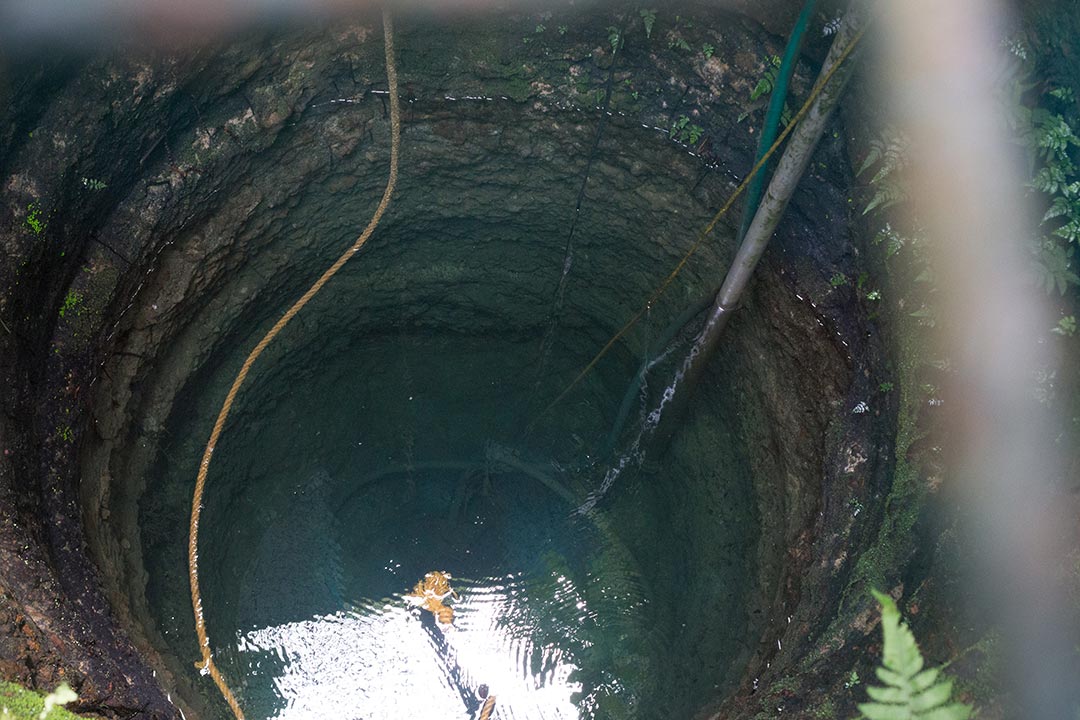
The origin of her fatal infection was found to be a small well located 30 feet from their home, on the property of a neighbour.
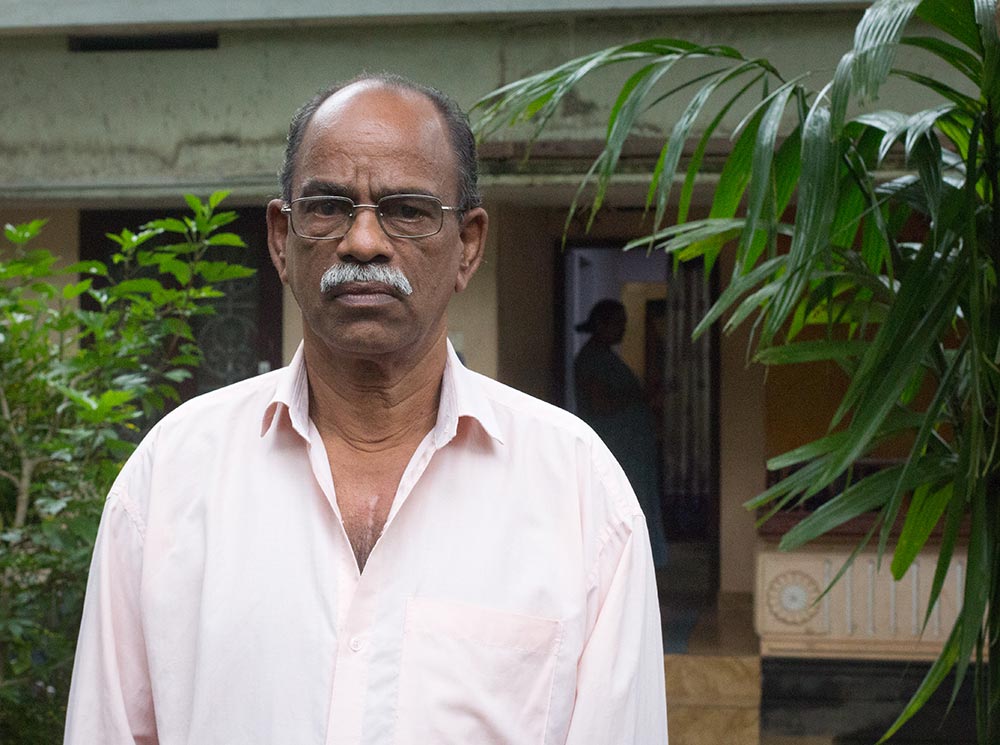
“The Medical Officer came home on June 3 to test the well we drew water from. Five families were using it,” said Babu Puthalath, Nila’s 62-year-old grandfather, who also contracted the bacterial infection, but survived. The outbreak was restricted to two more cases apart from Nila and her grandfather, a small cluster by Shigella outbreak standards.
Credit: Jeff Joseph Paul
Monsoon swell
The shift from Keralam’s hot, dry summer in May to the monsoon of June brings with it a yearly rise in communicable diseases, particularly acute diarrhoeal diseases (ADD), caused by viral, bacterial or parasitic infections that spread in contaminated food and water.
Shigella is one of the bacterial culprits. In June alone, Keralam racked up 110 cases of shigellosis.
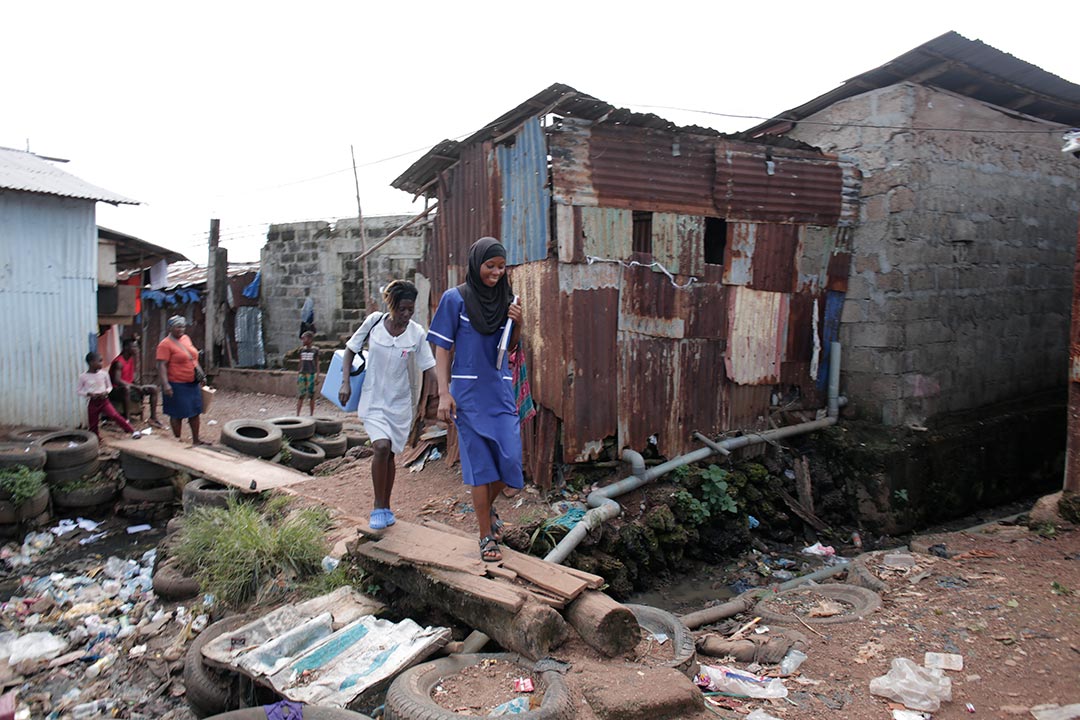
Globally, up to 165 million cases of shigellosis are estimated to occur, particularly in low- and middle-income countries, where risk rises poverty, poor nutrition, and inadequate sanitation.
Over time, Shigella has progressively become resistant to several antibiotics used to treat it, making infections harder to manage.
With no vaccine yet available for routine use, although several candidates are now in clinical trials, places such as Keralam are left relying on the tools they already have: early case-finding, infection tracing and community-based efforts to halt the spread.
When an outbreak is detected
Nila’s death wasn’t the first Shigella-related fatality reported in Kozhikode this year. The district is currently Keralam’s shigellosis epicentre.
According to Junior Health Inspector (JHI) Manoj Kumar of Peruvayal CHC, on March 15, three-year-old Fathima Sabooba had died in one of the wards of Peruvayal panchayat as part of an outbreak that sickened 15 people.
As it had in Nila’s case, the state health department kicked off its response even before the Shigella infection was confirmed. “We started house surveys on the 15th itself, even though it was a Sunday,” Kumar said.
Over the next 15 days, health workers visited 452 houses where ASHA workers – India’s million-woman army of frontline community health workers – JHIs, Junior Public Health Nurse (JPHNs) and other health workers undertook surveys.
Have you read?
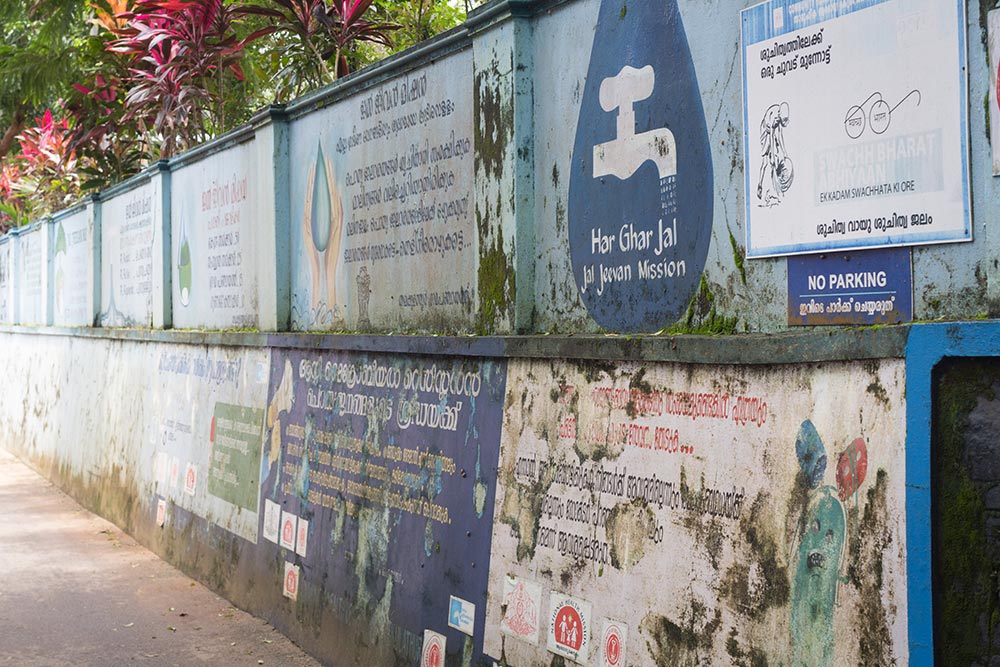
As they went house to house, they also conducted an awareness campaign on safe food and water, handwashing and personal hygiene. Some 300 notices were printed and distributed, while a vehicle fitted with loudspeakers travelled across the panchayat playing a four-minute public service announcement recorded by the health department.
Health workers chlorinated 178 household wells and three public wells and collected 17 water samples for testing. They visited six schools and 14 Anganwadis – government childcare centres – where handwashing and hygiene were emphasised, and inspected four food establishments.
Credit: Jeff Joseph Paul
Health workers interviewed by VaccinesWork also underscored that Shigella control work is not just reactive, but also anticipatory. “We work year-round according to a calendar of activities, keeping watch on which diseases are more likely in each month,” said Riju CP, Health Inspector, Thalakulathur.
Different seasons bring different challenges, they know. Monsoon’s deluges can cause accelerated spread of waterborne disease, but so can water scarcity in April and May, the peak of summer.
“A single case itself is considered a trigger and treated as […] an outbreak at our end,” Riju says. Community work kicks up a gear, and already-chlorinated wells are super-chlorinated. “The surveillance system is strong in Keralam. Even private clinics report to the District Medical Office on time.”
How Keralam responds
“In our cases, they started treatment even before the infection was confirmed as Shigella,” says Babu Puthalat, Nila’s grandfather. His family believes the early intervention helped save him.
Pushpa Puthalat, Nila’s grandmother, is convinced the child could also have been saved if only they had gone directly to the Medical College. “We didn’t know,” she says. “No one else should lose a family member the way we did.”
Changing public behaviour will also require stronger enforcement. Even though Keralam has a Public Health Act, officials say stricter rules and penalties may be needed to tackle practices such as releasing wastewater or failing to keep premises clean.
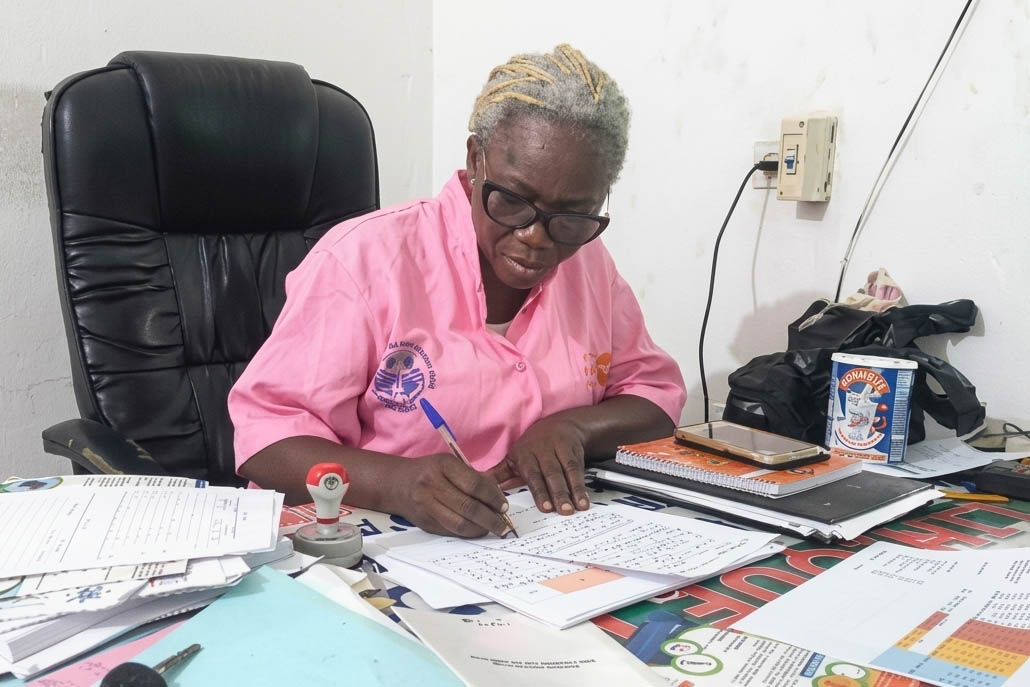
It is these risky lags that Keralam’s surveillance system is seeking to address. Oversight of cases of ADD reported by public and private health facilities are conducted under the Integrated Disease Surveillance Programme (IDSP), India’s decentralised, nationwide public health surveillance system launched in 2004.
“In the case of Shigella, the spread happens very fast,” says Dr Rajesh VP, Additional District Medical Officer, Kozhikode. To respond efficiently, he explains that a “constant watch” is kept over Integrated Health Information Platform allows (IHIP), a web-based, real-time digital disease surveillance system launched in 2021, that tracks disease spread across India down to the village and block levels. The platform even allows for community surveillance, meaning that community members can report outbreaks.
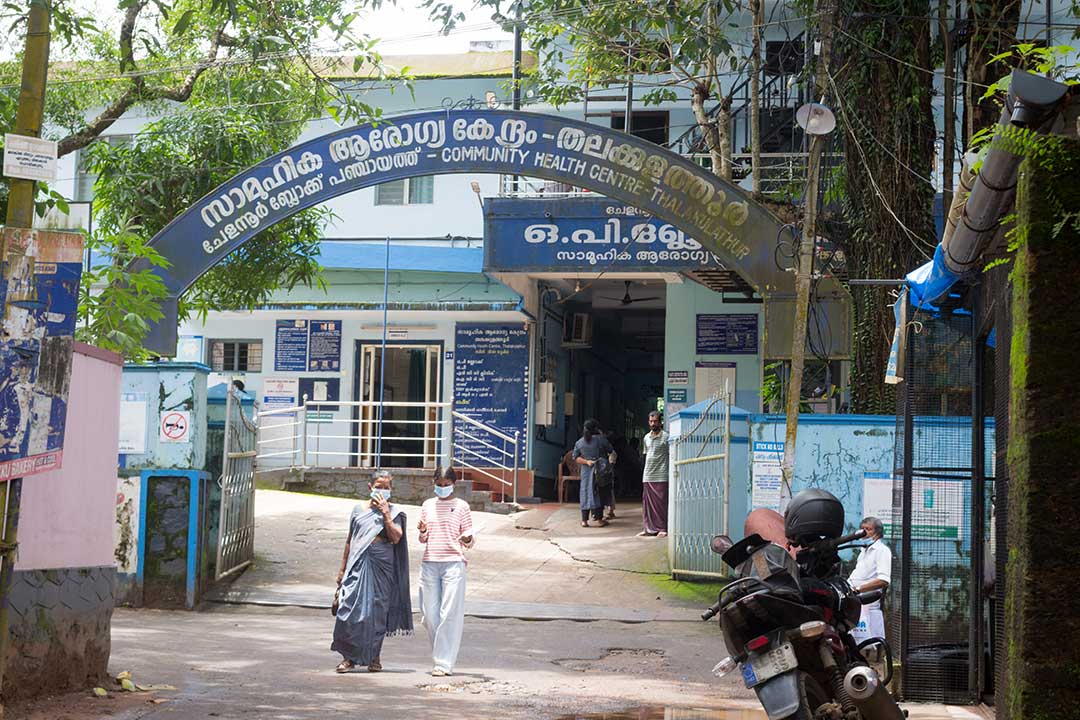
Keralam’s standout success is in its handling of the follow-up to that information. When a Shigella case is reported, the district epidemiologist alerts the concerned primary health centre, which then initiates the detective work to locate the outbreak’s source. “Tracing is done by health officials at the Junior Health Inspector level, with Health Inspectors and Medical Officers coordinating the process,” adds Dr Rajesh. “The focus is on finding the source of infection by speaking to patients, family members and neighbours.”
Household surveys then seek to discover hidden cases. Dr Rajesh says the main symptoms are high fever, and blood and mucus in the stool. Other symptoms include stomach pain and diarrhoea.
Treatment is relatively straightforward when the infection is identified early. “The first line of treatment for Shigella, like any other ADD, is [oral rehydration solution]. This is followed by administration of antibiotics if Shigella is confirmed.”
Credit: Jeff Joseph Paul
Safety is often a social question
For health officials, one challenge is that clean drinking water alone is not enough. Water used for washing the mouth, cooking and other household activities also needs to be safe. Officials encourage larger establishments to install water filters, but these can cost around 40,000 rupees (US$ 308), putting them out of reach for many.
Officials recommend greater use of potable water supplied by the Keralam Water Authority, but that would also require a shift in behaviour. Many households in Keralam remain dependent on private wells, and some people associate the smell of chlorine with poor-quality piped water. This poses a challenge for healthcare workers.
“Taste change of water is a common issue raised during chlorination by ASHA workers,” says Kumar.
“People are also more mobile than before,” says Dr Rajesh, making it harder to contain infections once they begin to spread.
Credit: Jeff Joseph Paul
Changing public behaviour will also require stronger enforcement. Even though Keralam has a Public Health Act, officials say stricter rules and penalties may be needed to tackle practices such as releasing wastewater or failing to keep premises clean.
More from Kanika Gupta