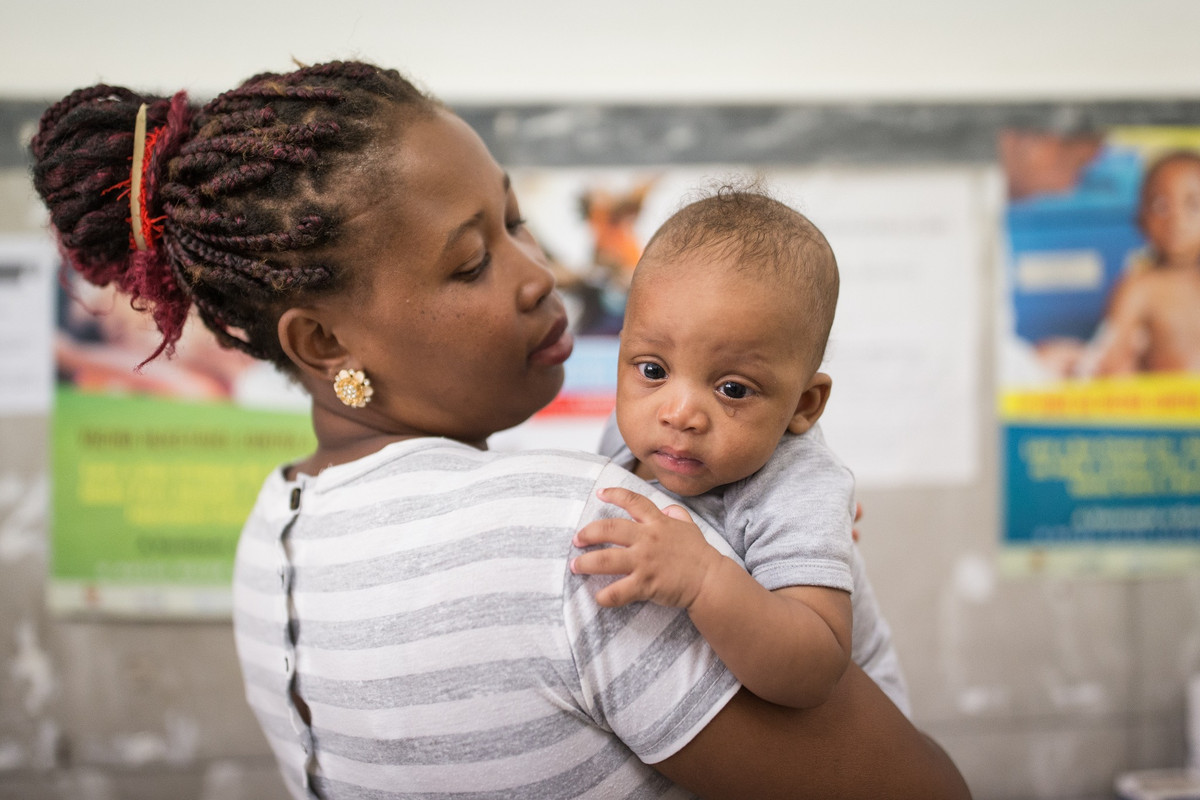

What’s a 'Vaccinodrome'? In this rural town in Mali, it’s a life-saver
In Mali’s Sikasso region, community dialogues, home visits and the support of a local imam helped to pave the way for a pragmatic fix for under-immunisation.
- 10 November 2026
- 5 min read
- by Dr Sidibé Aminata , Olivier Konan
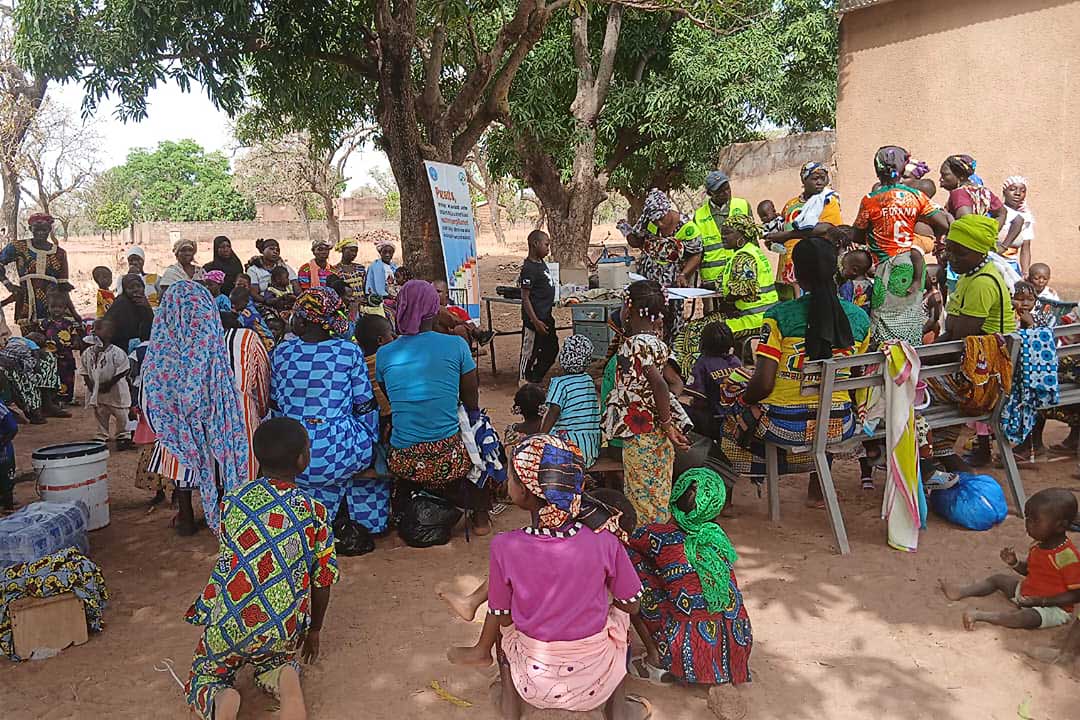
In Kignan, a district of Mali’s Sikasso region, vaccines were available. But that did nothing to protect the children who weren’t receiving them.
“Zero-dose and under-immunised children are not hard to reach simply because they live far from health centres. In some cases, the real barriers are a lack of information, mistrust and a loss of confidence in vaccination services,” explained Dr Almahdy AG Alitiny, Project coordinator at the Malian civil society organisation SOUTOURA Association.
Among those who lacked confidence in vaccination was 46-year-old Imam Loukmane Diallo. As the chief cleric of the mosque in Kignan’s Millionking neighbourhood, his views carried weight with the community. “I was afraid,” he said. “I thought that vaccines might harm our children.”
Trust is the first line of defence
For more than 20 years, the SOUTOURA Association has worked to support community development and improve public health in Mali. To improve vaccination uptake, the organisation works closely with families, community mobilisers, religious leaders and health services to address vaccine hesitancy and improve access to immunisation services.
In August 2025, representatives of the organisation met with community members and health workers in Kignan, to discuss rumours and questions circulating in the five districts where the SOUTOURA Association was focussing its efforts. This meeting, and the opportunity to openly discuss his concerns and hear evidence-based information about vaccination, was a turning point for Imam Diallo.
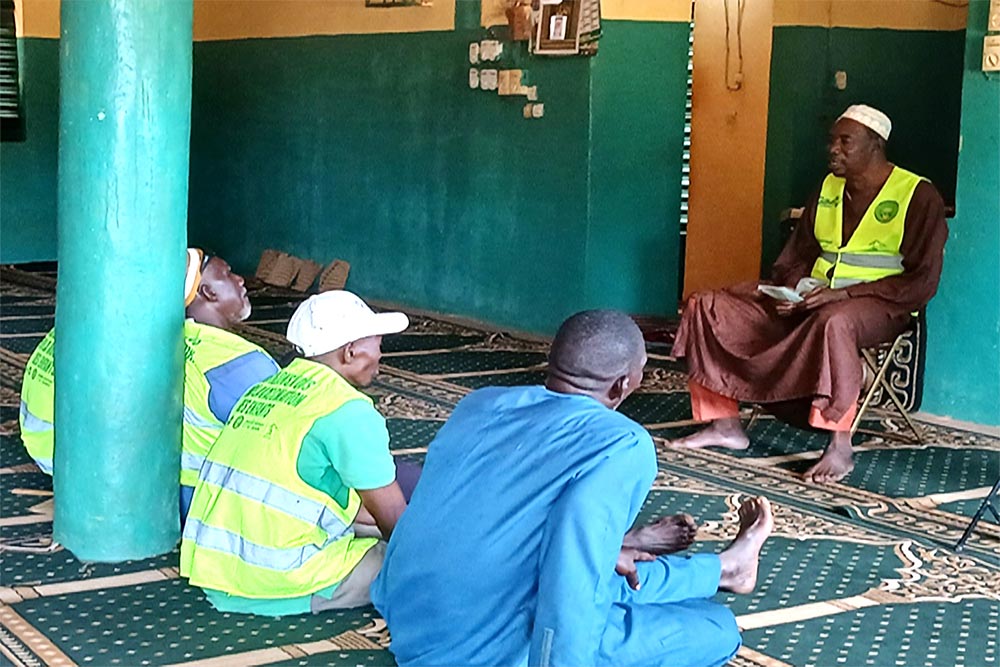
Credit: SOUTOURA Association, Mali 2026
Leading by example
One month after the meeting, in September 2025, Imam Diallo had begun to speak differently about vaccination. After prayers at Millionking’s mosque, he would stay behind and talk with parents who were still uncertain. Rather than dismissing their fears, he shared his own experience.
Since speaking to SOUTOURA, Imam Diallo had taken his own one-month-old son, Kassim, to be vaccinated. Contrary to the misinformation he had once believed, nothing bad happened to Kassim.
Between April 2025 and June 2026, SOUTOURA Association’s community mobilisers visited nearly 10,994 households, providing 5,192 parents with reliable information on vaccination.
Now in his sermons, Imam Diallo reminds worshippers that protecting children is a parental and moral responsibility. “Today, my child is fully vaccinated. I understand that vaccines protect children against serious diseases. I now devote my sermons to vaccination, and I encourage every family to follow the vaccination schedule.”
A reactive vaccination response
The SOUTOURA Association’s trained community mobilisers continued visiting parents at home and holding educational talks each Tuesday in Kignan’s reading and cultural activities centre. Together with families, the team reviewed vaccination cards, identified missed doses and explained where the children could go to receive the vaccines they needed.
Then, in August 2026, resurgent conflicts linked to the presence of non-state armed groups led to a mass exodus of people in Kignan to a remote site that lacked all basic healthcare provisions. Health card checks during the humanitarian response revealed the presence of many unvaccinated and under-vaccinated children in the displaced population.
This CSO identified and referred 1,061 zero-dose children and 4,082 under-vaccinated children, reaching a total of 5,143 children who were not yet fully protected against vaccine-preventable diseases.
This prompted local authorities to request SOUTOURA’s intervention. Collaborating with local health wokers, the organisation set up a Vaccinodrome.
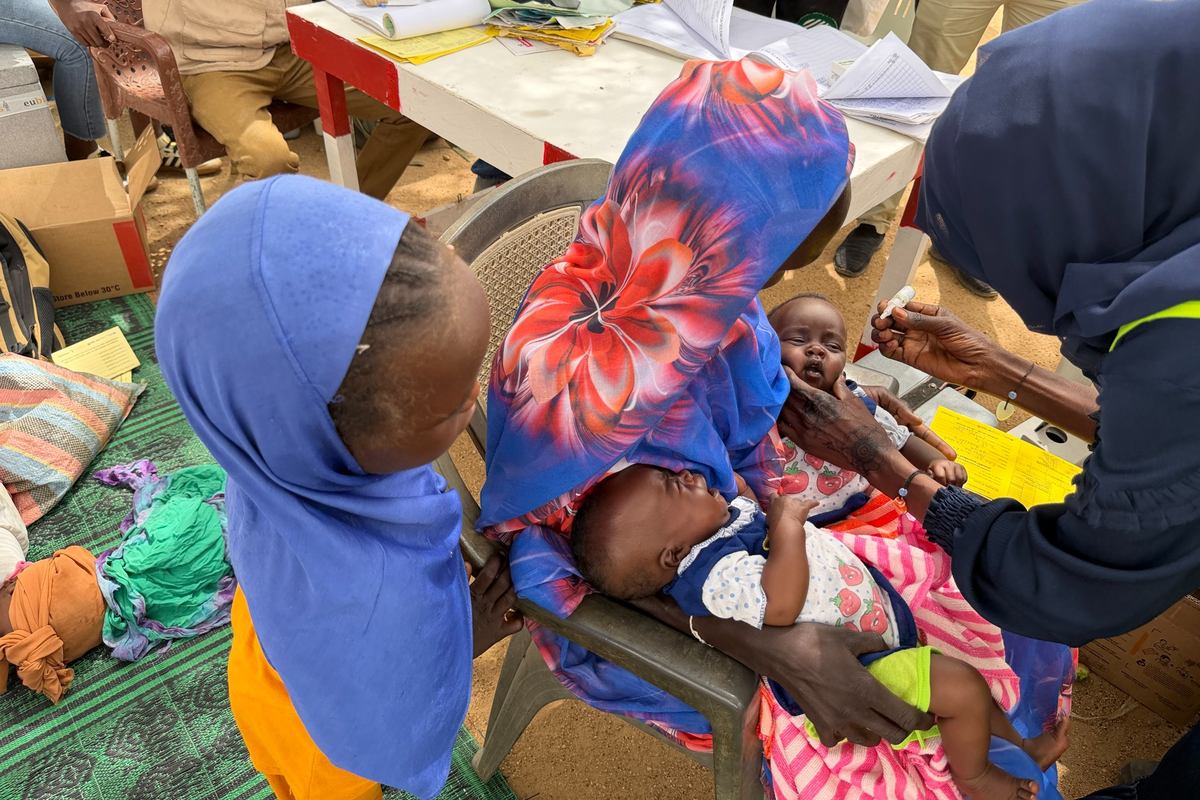
A Vaccinodrome is a specially organised outreach vaccination session that occurs when need arises. It serves as a temporary site where health workers can provide vaccination and catch-up services to zero-dose and under-immunised children.
Finding children, preparing the Vaccinodrome
The Vaccinodrome marked the culmination of months of groundwork. Without the home visits, many of the families with children in need of vaccination would never have been identified. Without community dialogue, many would likely have remained hesitant about vaccination.
On the day of the vaccination session, community mobilisers welcomed the families they had been supporting. Health workers arrived prepared, having estimated the vaccine needs using data collected by SOUTOURA during a household census.
Have you read?
Parents arriving with their children were greeted by Imam Diallo at the reception point. He provided support and reassurance to parents who were still hesitant. “Yes, I have vaccinated my children,” he would say. “And I want every child in our village to be protected like mine.”
Turning trust into action
The combined efforts of community members, religious leaders, mobilisers and health workers helped to restore trust in vaccination in Kignan.
Between April 2025 and June 2026, SOUTOURA Association’s community mobilisers visited nearly 10,994 households, providing 5,192 parents with reliable information on vaccination.
This CSO identified and referred 1,061 zero-dose children and 4,082 under-vaccinated children, reaching a total of 5,143 children who were not yet fully protected against vaccine-preventable diseases.
Today, Imam Diallo, who once doubted vaccination, regularly accompanies parents to health centres.
This shows that families are often more willing to change their minds about vaccination when they can discuss their concerns and see the positive experience with someone they trust.
It also highlights the critical role of civil society organisations like the SOUTOURA Association in connecting communities with health services. Their proximity to local people enables CSOs to identify and understand the causes of resistance more easily, and to support families all the way to vaccination.
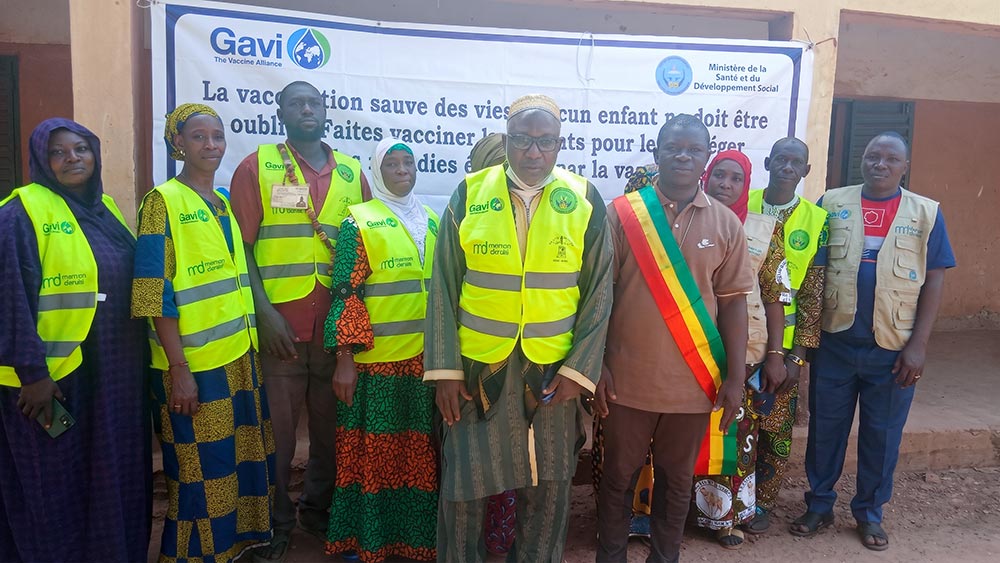
Credit: SOUTOURA, Mali 2026
How is Gavi helping?
To help increase immunisation coverage in lower-income countries, Gavi has launched a series of funding opportunities for civil society organisations (CSOs) to deliver projects targeting zero-dose children and under-immunised communities via its CSO Fund Manager.
MannionDaniels, a global health and social development consultancy working in a consortium with Oxford Policy Management (OPM), currently fulfils this role, providing end-to-end grant management services.
With support from Gavi through this funding mechanism, CSO SOUTOURA Association is implementing since April 2025 a project: Community initiative to improve the vaccination coverage of children with zero or incomplete vaccination records to support the ministries of health and expanded immunisation programmes in Mali, notably in Malian regions such as Koulikoro and Sikasso (including the districts of Dioïla, Kangaba, Fana, Kignan and Niéna).
The SOUTOURA Association has delivered health outreach and services in Mali since 2000. Its vaccination activities include community awareness campaigns, social mobilisation initiatives and outreach to identify zero-dose and under-immunised children.
More from Dr Sidibé Aminata