
In Mali, one year in, hybrid malaria vaccine programme shows early results
Health workers say they are seeing encouraging signs of the vaccine's impact, even as the programme's steepest challenge comes into focus: bringing families back for every last dose.
- 20 May 2026
- 6 min read
- by Aliou Diallo
At a glance
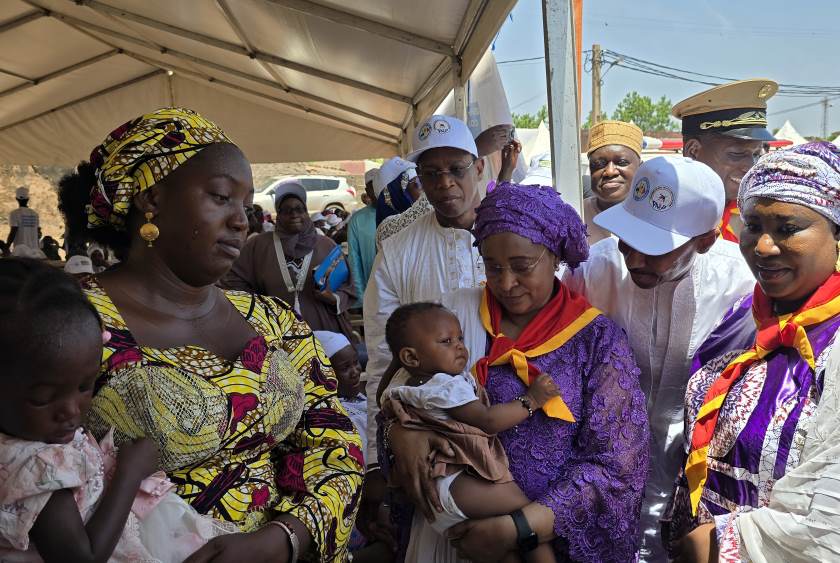
- In Mali, the malaria vaccine was introduced in April 2025 in 19 priority districts, using a hybrid approach that combines routine immunisation with seasonal doses ahead of the peak transmission period.
- One year in, health workers report strong uptake among families and say they are seeing early signs that the vaccination campaign is protecting health among the youngest.
- The challenge now is ensuring families return for all recommended doses, so that the vaccine can fully complement other prevention tools, such as insecticide-treated nets and seasonal chemoprevention.
Strong uptake from the start
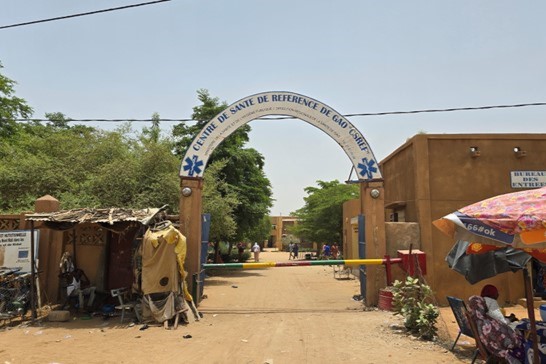
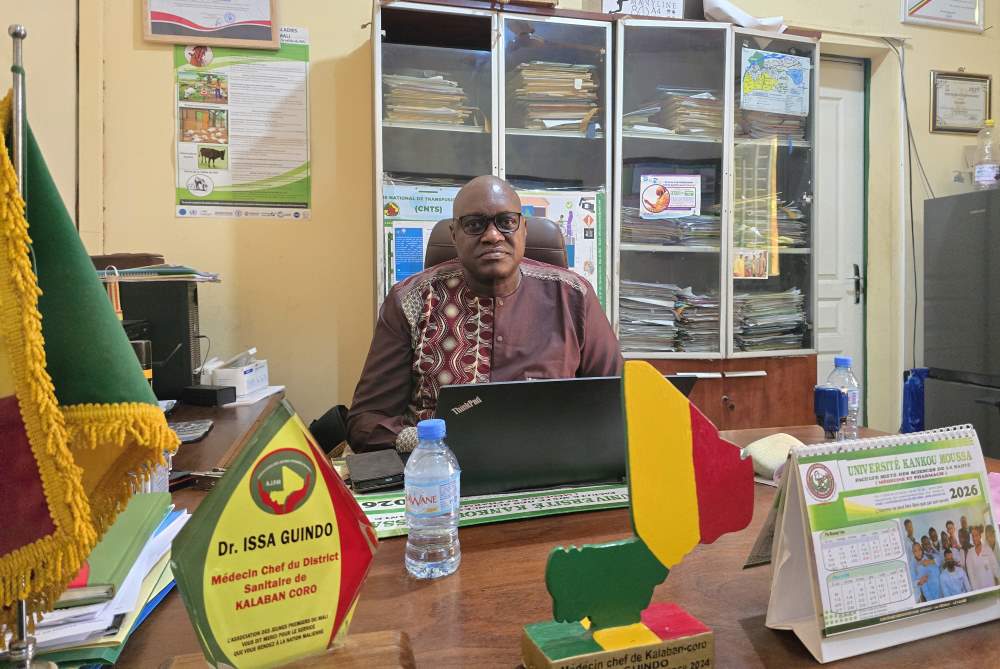
In his office at the Kalaban Coro Referral Health Centre, Dr Issa Guindo, chief medical officer of the health district, remembers the scale of the malaria vaccine launch one year ago. But in his account, what still stands out most is the daily burden of the disease.
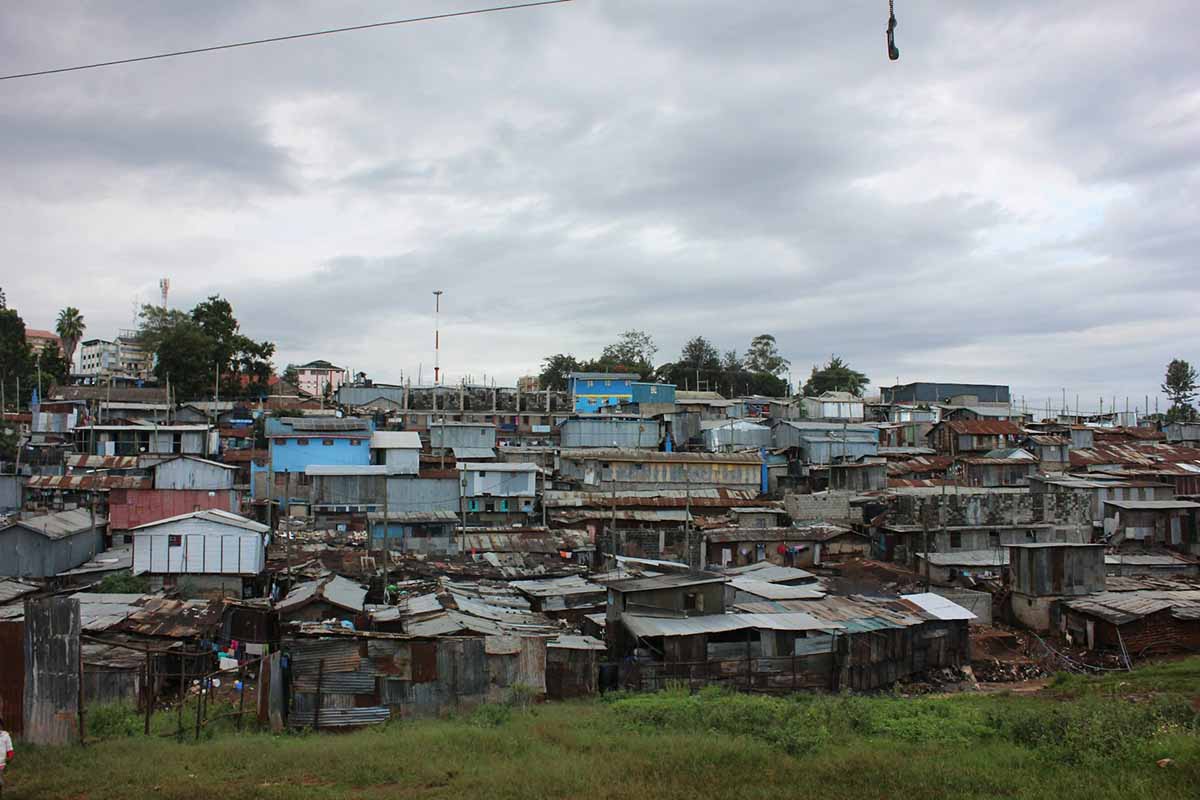
It’s no coincidence that Kalaban Coro, a densely populated district on the outskirts of Bamako, was chosen as a the venue for the nationwide kick-off. “Prevalence is high here. It is a disease that weighs heavily on households and on the economy,” he says.
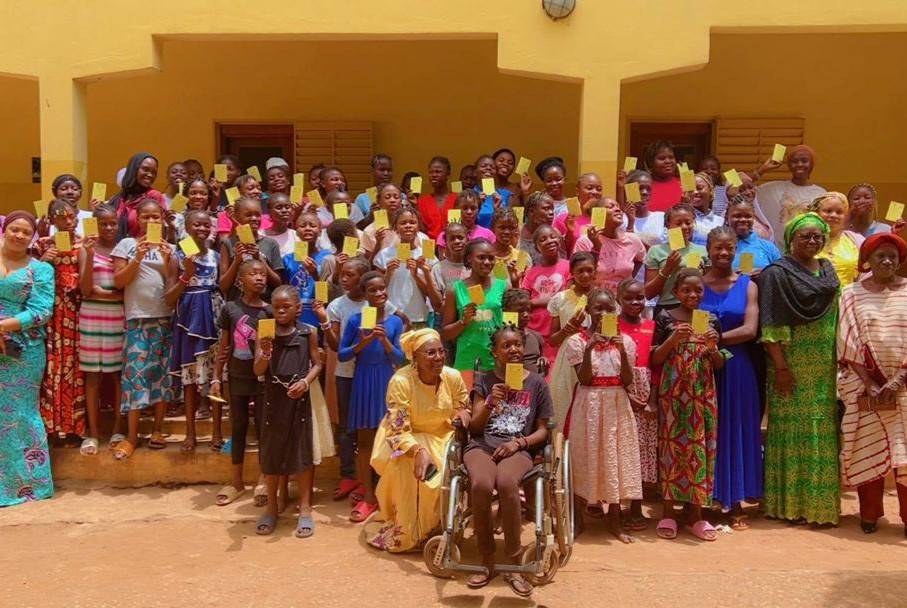
When the vaccine was introduced in April 2025, uptake was swift. “The presence of the authorities reassured people,” said Dr Guindo. “And above all, everyone knows the devastation caused by malaria. People were waiting for this vaccine,” he explains. Turnout even exceeded initial forecasts. “Women came to us saying: you asked us to come in large numbers with our children, but the vaccine ran out,” he recalls.
Credit: Aliou Diallo
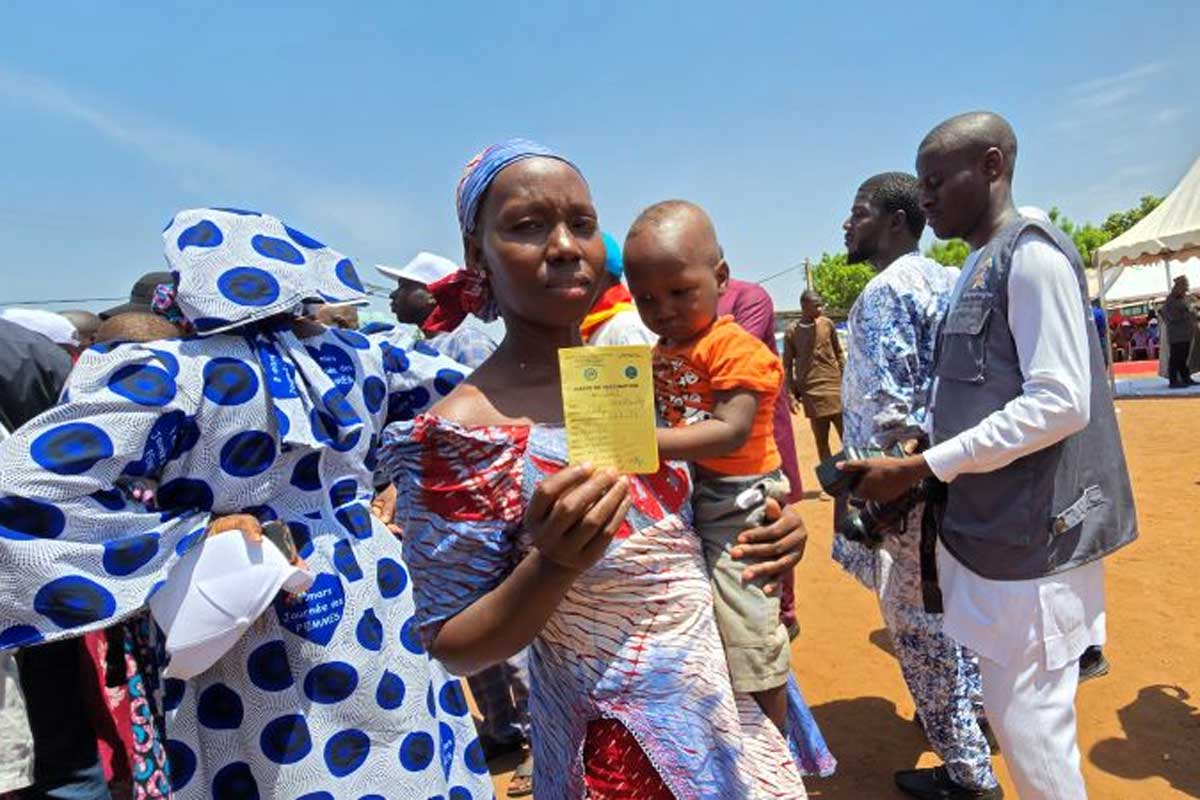
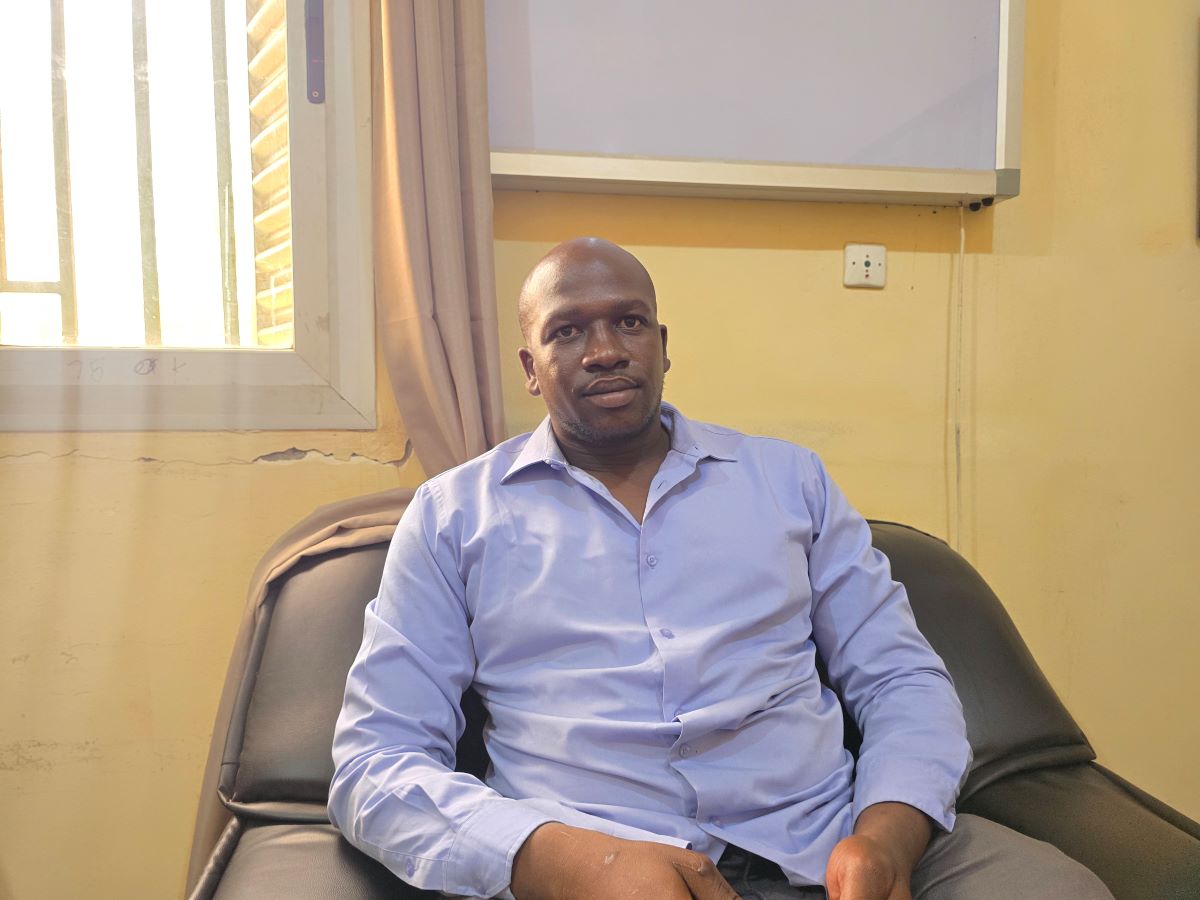
Mohamadou Kébé, the Malaria and Immunisation Focal Point for Kalaban Coro, echoes him. “The community embraced it very quickly. Even people from districts where the vaccine was not yet available were travelling to benefit from it,” he explains. According to him, more than 67,000 children had received at least a first dose in the district between the launch and the end of March 2026.
For many parents, the vaccine first and foremost represents a very concrete hope against a feared disease. “If it can prevent my child from becoming seriously ill, I would rather they receive all the doses,” says Maimouna Coulibaly, a homemaker in Sénou.
The challenge of completing the full vaccination schedule
Figures from other districts show a similar response. In Mopti, Hassane Haïdara, chief medical officer of the Referral Health Centre, says tens of thousands of doses have been administered. According to data shared locally on 23 April 2026, more than 20,000 first doses, more than 11,000 second doses and more than 7,000 third doses had been administered in his district.
These gaps between doses reflect both the programme’s strong start and the difficulty that emerges afterwards: bringing families back at each stage of the multi-dose vaccination schedule.
One year after the vaccine’s introduction, the main challenge is getting past the initial enthusiasm, and building continuity. “Many parents thought it was a single-dose vaccine. But because there are five doses, some struggle to come back for the booster doses,” explains Dr Guindo. This is where the programme’s success will now be determined: in the ability to make clear that protection depends on completing a full schedule over time.
The choice of a hybrid approach
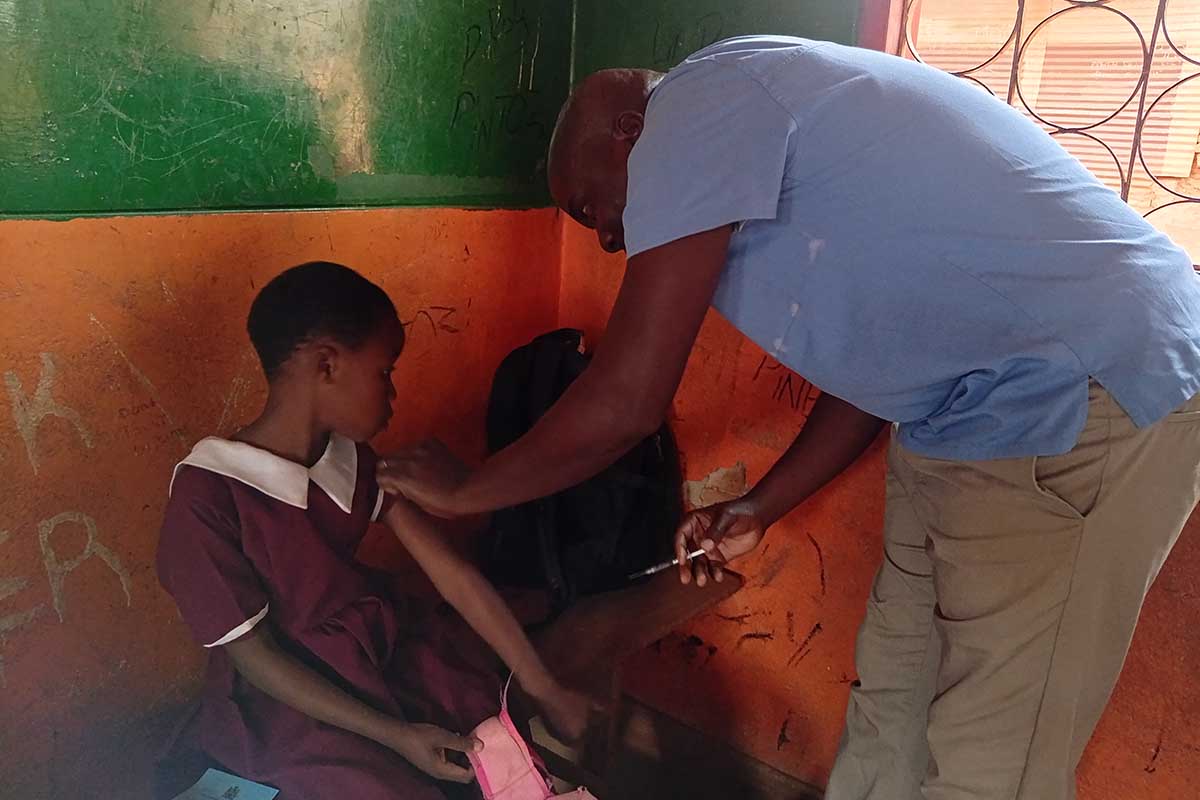
In Mali, the R21/Matrix-M vaccine was not introduced as a one-off campaign. It was integrated into the routine immunisation schedule with a five-dose schedule for children aged 5 to 36 months. The country has opted to administer those five doses according to a hybrid approach: the first three doses are administered according to the child’s age throughout the year, while the fourth and fifth doses are given in May or June, ahead of the peak transmission period. The programme was launched in 19 priority districts across the regions of Kayes, Koulikoro, Mopti, Ségou and Sikasso.
For Mohamadou Kébé, the value of this approach lies precisely in its combined logic. He points out that the vaccine is not replacing other malaria control tools: it is being added to a set of interventions already in place, including seasonal chemoprevention during periods of high transmission and the distribution of insecticide-treated nets. “These are combined efforts that have shown satisfactory results,” he says.
Crédit : Aliou Diallo
This complementarity is essential in a country where malaria continues to take a very heavy toll. According to WHO, Mali was among the 11 countries with the highest malaria burden in the world in 2023, with 8.15 million cases and 14,328 deaths linked to the disease. Mali’s approach also illustrates the synergy between support from the Global Fund, which backs interventions such as seasonal chemoprevention and insecticide-treated nets, and Gavi’s support for the introduction of the malaria vaccine.
For health workers, the vaccine represents an important step forward, but not a standalone solution. “Vaccination alone is not enough. People must continue to sleep under mosquito nets, improve hygiene and take part in prevention campaigns,” insists Dr Guindo.
Have you read?
Early observations on the ground
On the ground, health workers cautiously report seeing signs of impact. “We are seeing that children who have received the vaccine develop fewer severe cases of malaria,” observes Mohamadou Kébé.
Dr Issa Guindo places this observation in the context of the district’s reality. “It is a disease that leads to frequent hospitalisations, absenteeism and sometimes severe forms such as cerebral malaria,” he recalls. If severe cases decline, even modestly, the impact is likely to be major, for both families and health facilities.
In Mopti, Hassane Haïdara also says he is seeing encouraging developments, but refuses to draw conclusions too quickly.
“We are seeing satisfactory progress in the targeted age group. But more time will be needed to clearly measure the vaccine’s effectiveness, particularly with this hybrid approach,” he explains. For him, the progress observed so far must be understood in light of the overall package of interventions: “chemoprevention, insecticide-treated nets and the introduction of the vaccine in part of the population”.
Adapting vaccination to local realities
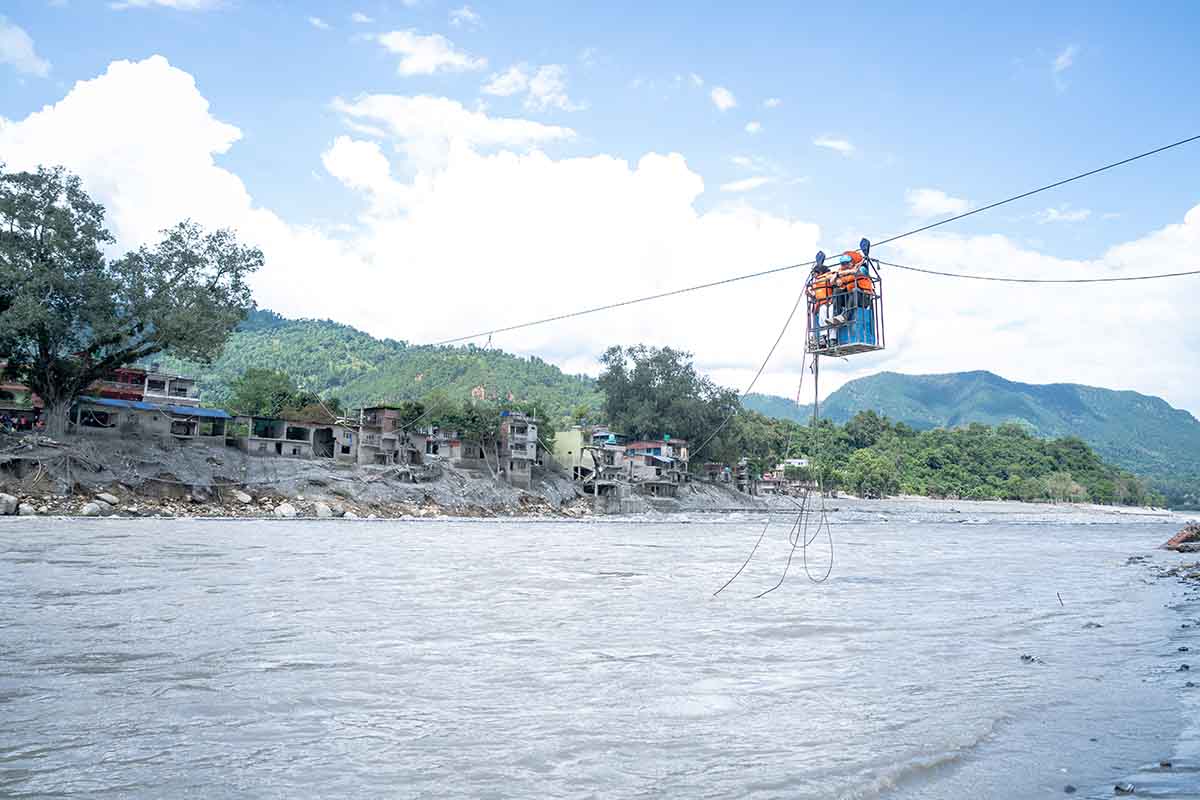
Teams must also work with very different local realities. In the Kalaban Coro health district, some populations live in particularly exposed settings, including at the Tourela gold mining sites in the commune of Sanankoroba, in Bozo camps along the Niger River and among internally displaced populations. “We go to these populations. We do not ask them to come to us with their children to be vaccinated,” explains Mohamadou Kébé.
“People must not forget this vaccine. We need to keep informing and mobilising them,” insists Dr Guindo. In a country where malaria remains a daily threat, the real impact of this hybrid approach will be determined over time, and by the ability to keep all protection tools working together.
More from Aliou Diallo