
Cameroon, under attack from measles, strikes back hard
Cameroon reached more than 95% of its target in an October measles-rubella vaccination campaign that aimed to halt a widespread outbreak.
- 17 November 2026
- 6 min read
- by Nalova Akua
At a glance
- Measles has been spreading in Cameroon since the start of the year, with more than 9,800 cases and 18 deaths confirmed.
- A mid-October vaccination campaign aimed to protect 6.2 million children with a dose of the measles-rubella vaccine. It reached more than 95% of that number.
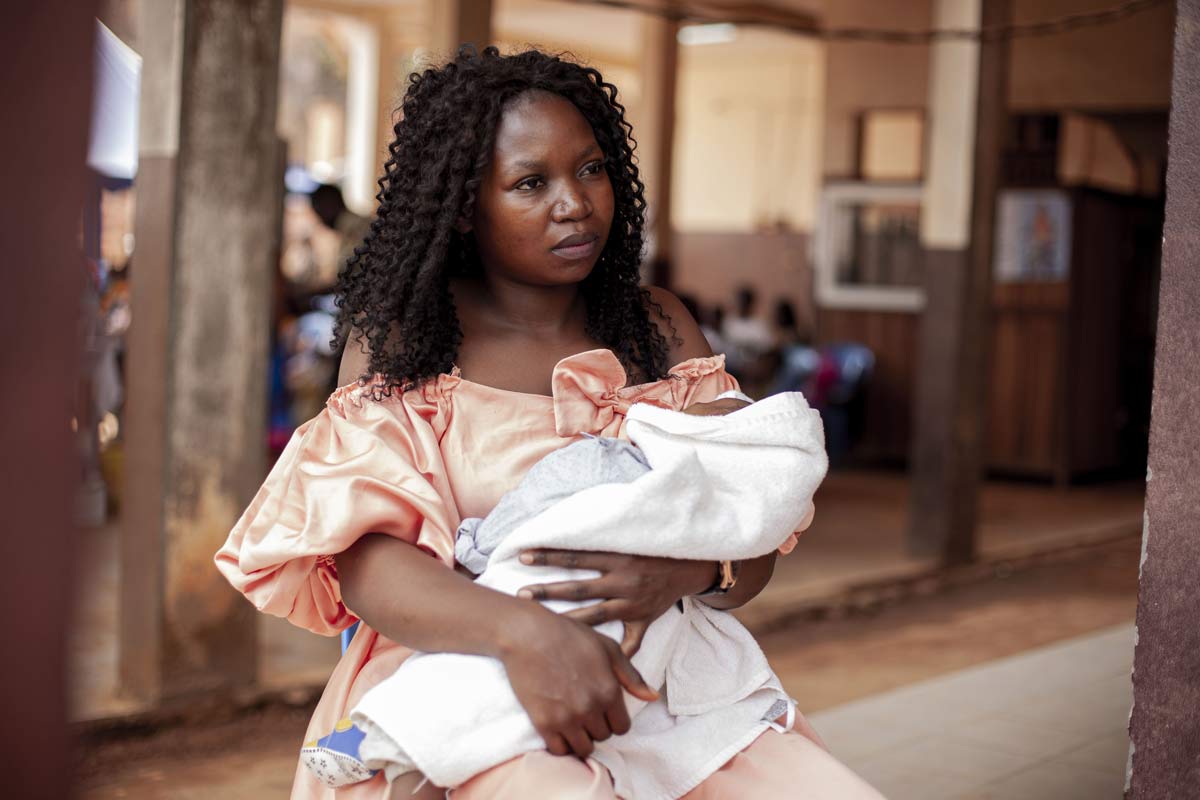
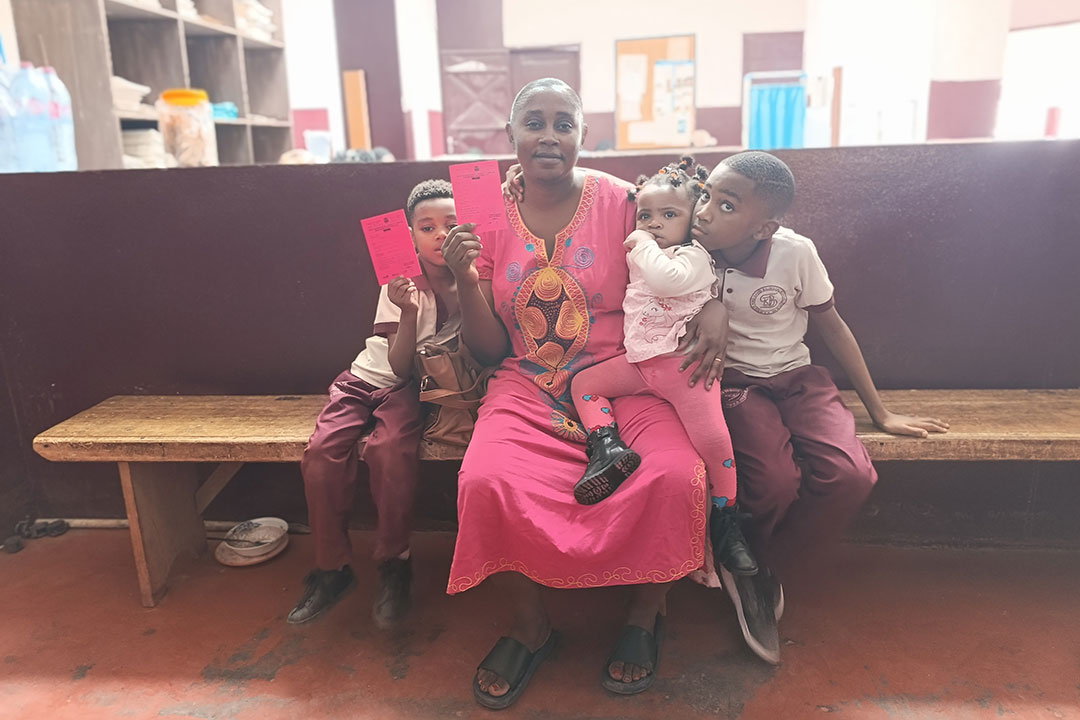
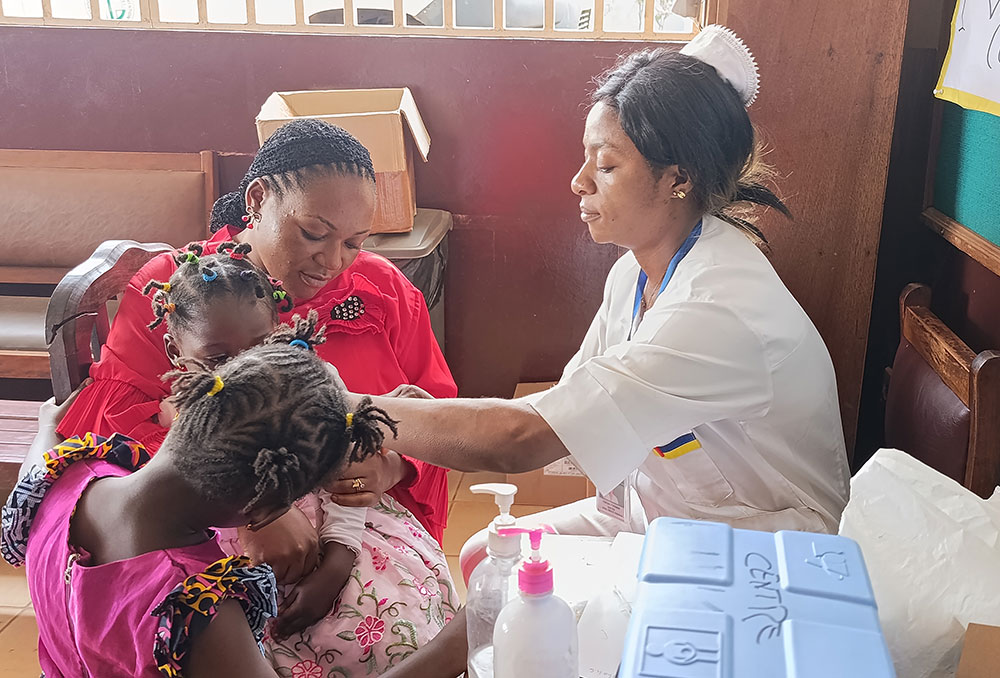
Estelle Djanang, a 40-year-old housewife living in Cameroon's political capital, Yaounde, left the Mendong Medical Centre on 15 October feeling relieved: she had just watched her two children receive the combined measles-rubella(MR) vaccine.
Credit: Nalova Akua
“My nine-month-old nephew spent a week in hospital when he suffered measles in 2024. It was very violent: he had skin rashes and his eyes were swollen and foaming,” Djanang told VaccinesWork.
“Measles is a dangerous disease. That is why I didn't want my children to miss this opportunity. After the vaccination, the doctors told me to come back subsequently for the second dose,” the mother of three said.
Outrunning risk
Cameroon has been battling a measles epidemic, with at least 18 deaths and more than 9,800 cases confirmed since the start of the year.
Some 113 of the country’s 215 health districts – approximately 53% – have experienced a measles outbreak. Officials of the Expanded Programme on Immunization (EPI) attribute the resurgence principally to the low vaccination coverage for both recommended doses of the combined MR vaccine.

Photo courtesy of Mboke Ekoum Eric
“To curb the resurgence of measles outbreaks, vaccination coverage of at least 95% for both doses of the MR vaccine is required. However, WHO and UNICEF estimates for the past year indicate coverage rates of 75% for the first dose and 66% for the second, meaning many children remain unprotected and, consequently, susceptible to measles,” Dr Mboke Ekoum Eric, head of the surveillance and outbreak response section for vaccine-preventable diseases at EPI Cameroon, told VaccinesWork.
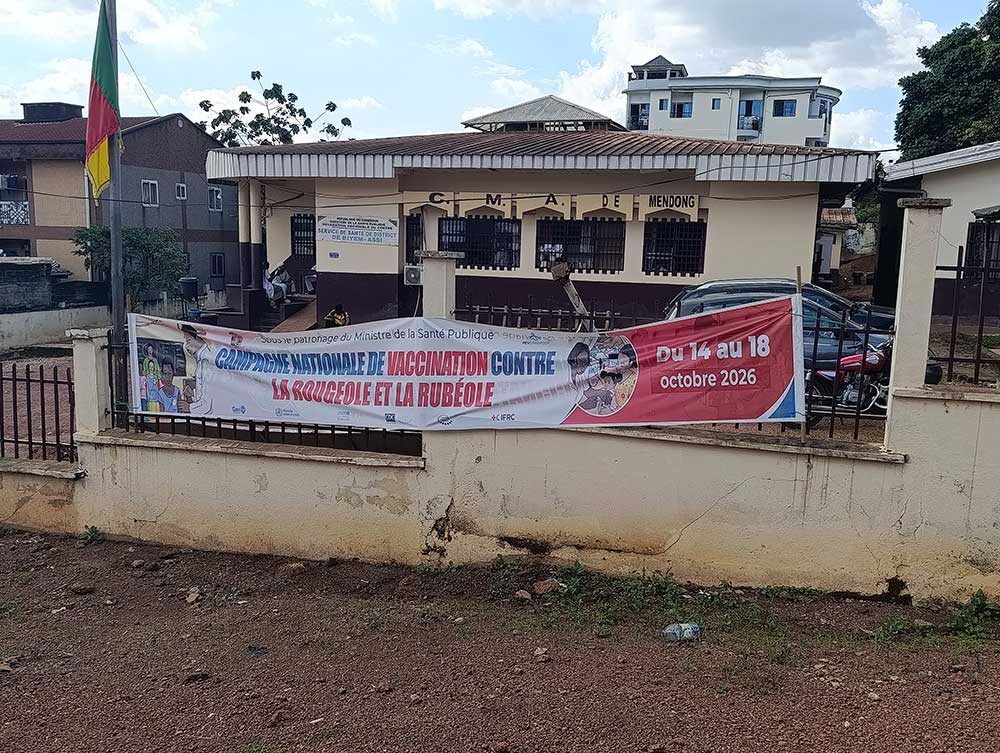
To arrest the latest outbreak, the country rolled out a measles-rubella catch-up vaccination campaign from 14–18 October, targeting 6.2 million children aged between 9 and 59 months.
More than 95% of the 6.2 million children Cameroon hoped to reach were immunised during the October campaign. For 116,000 of them, it was confirmed to be their very first dose of protection against measles, a virus that has been causing rolling outbreaks since the start of the year.
The campaign‘s reach was impressive, with more than 95% of the target population immunised, according to statistics from the EPI, which were ratified by a post-campaign survey. A total of 116,000 children received their combined measles-rubella vaccine for the very first time during the campaign.
Measles-rubella vaccination campaigns are organised every three years in Cameroon, with the last one held in 2023. “Over time, a large number of susceptible children have accumulated, which explains the current surge in cases,” said the EPI’s Dr Mboke.
From schools to churches: All aboard!
To reach the maximum number of children possible, Cameroon health authorities came up with a two-pronged strategy. The first involved stationing fixed vaccination teams at all health centres to vaccinate all eligible children who came visiting.
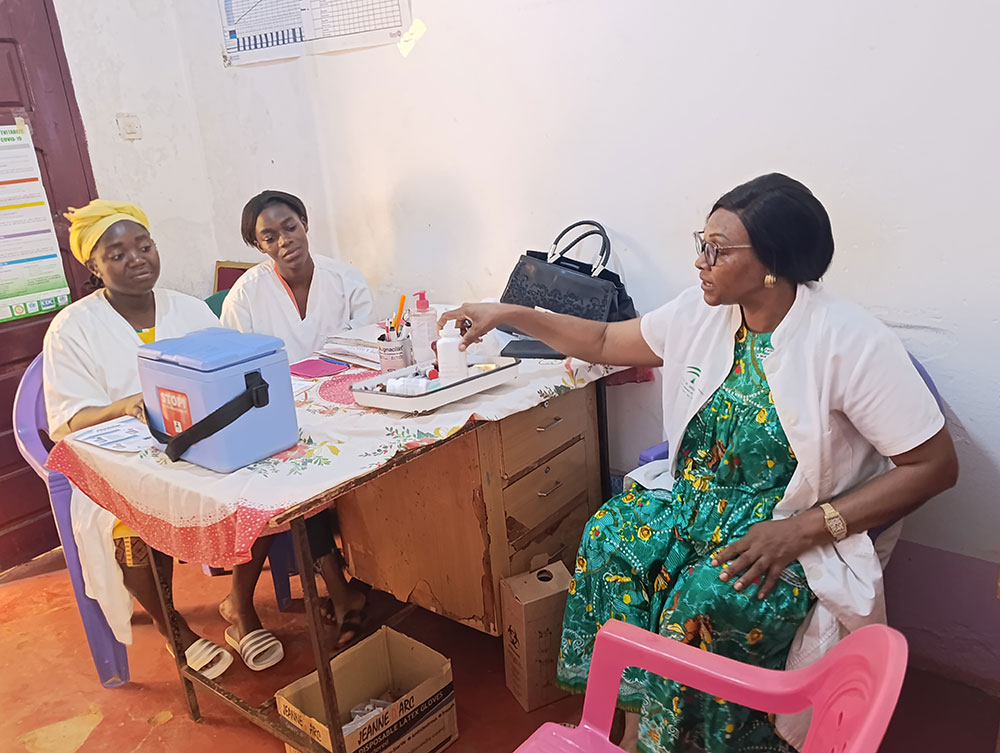
Credit: Nalova Akua
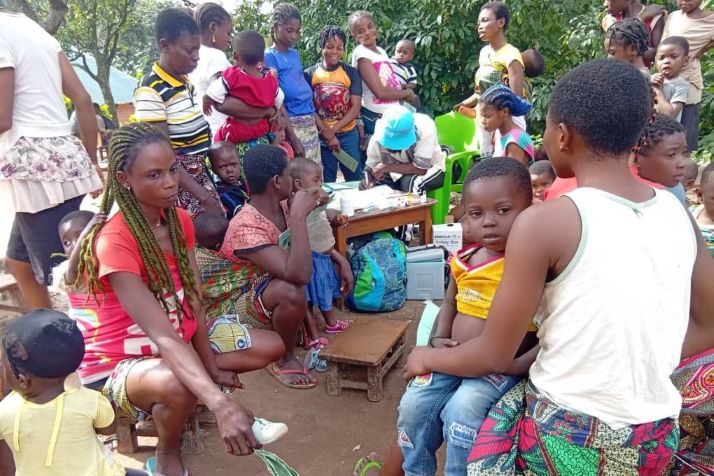
The second consisted of setting up temporary vaccination sites in palaces, school premises, markets, churches and public squares. The Biyem-Assi health district in the Centre Region deployed 202 vaccination teams to such sites. The health district has so far recorded 90 measles cases, five of them laboratory-confirmed. A total of 100,000 children were earmarked for vaccination in the health district.
“Most parents accepted the vaccine for their children,” Bete Gisele, head of Biyem-Assi health district told VaccinesWork. “A few others refused to have their children vaccinated because of rumours, influence from family members, and sheer ignorance. But we made them understand that an unvaccinated child poses danger not only to them but to the community.”
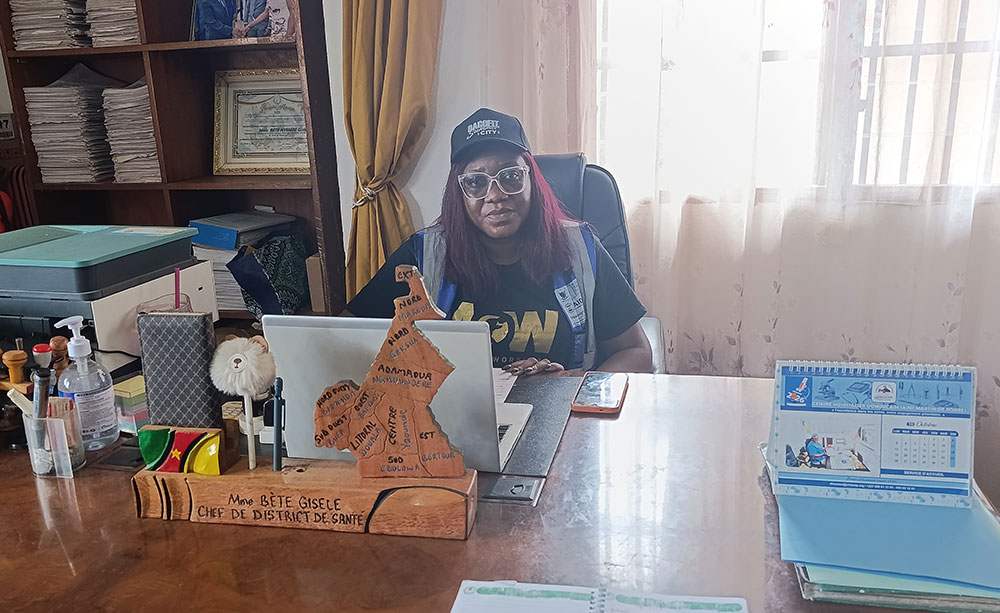
Credit: Nalova Akua
Yvonne Safeh, a nurse at Etoug-Ebe Baptist Hospital in Yaounde, shuttled between the health facility, a nearby primary school and its environs to vaccinate hundreds of children.
“The majority of parents welcomed the vaccine while a few were reluctant out of naivety,” said Safeh, who confirmed that five cases of measles had been treated in the health facility in the past couple of weeks. “We told parents that the vaccine was to boost their children’s immune systems,” she said.
The head teacher of Etoug-Ebge Baptist School, Victor Ringda, told VaccinesWork that 60% of the 450 eligible pupils in the school (out of a total of 820) received the vaccines after their parents consented. It wasn’t the first time the school was opening its doors to vaccinators. “We take the health of our pupils very seriously. We educated parents on the need to have their children vaccinated,” Ringda said.
Credit: Nalova Akua
Some 305,000 children were targeted for vaccination in Cameroon’s war-affected North West Region. A total of 175 measles cases have been reported in that region this year, 35 of them laboratory-confirmed. Dr Cornelius Chebo, coordinator of the EPI and the Centre for Epidemics and Pandemics in the region, says insecurity has greatly reduced vaccination coverage rate, seen in the coverage rate with the second dose of the MR vaccine, which stands at 53%.
“The campaign has witnessed some challenges including kidnapping, sporadic gun firing in some areas including in the regional capital, Bamenda, with resultant suspension of vaccination activities,” Chebo told VaccinesWork. “This was worsened by the very few allocation of vaccination teams and denial in some schools. The electricity and internet disruptions slowed down data reporting.”
Challenges, lessons and way forward
There are other reasons besides conflict that can make it all but impossible for vaccinators to reach certain areas in different parts of the country.
For Dr Tchokfe Shalom Ndoula, Permanent Secretary of EPI in Cameroon, the timing of the vaccination campaign – during low-risk periods for disease transmission, at the end of the rainy season, when roads were less likely to be washed out and transportation disrupted, and while schools were in session – proved to be a gamechanger.

Credit: Nalova Akua
A little over half of the measles cases in Cameroon concern children aged between 9 and 59 months old. By targeting this age group, the campaign sought to cover more than half of the susceptible population, thereby substantially reducing ongoing outbreaks.
But Ndoula regrets that the campaign consequently sidelined the age group that produced 20% of the cases found in 45 districts – children aged between five and ten years. “We had financial constraints to extend it up to this age range. Completely eliminating the measles outbreak would have meant including children above five,” said Dr Ndoula. The Cameroon government contributed 10% of doses while Gavi, the Vaccine Alliance took charge of the remaining 90%.
Cameroon’s Health Ministry has established a local response mechanism for new outbreaks, enabling the rapid vaccination of populations living in communities where new cases have emerged. This helps protect these individuals and curb the spread of the epidemic, according to EPI’s Dr Ekoum.
“In addition, a system to strengthen surveillance – through active site visits, formative supervision and training for frontline healthcare workers and clinicians – ensures that suspected cases are quickly identified, sampled and promptly sent to the laboratory, allowing for a rapid response should an outbreak be confirmed,” he said.