
Rural Kenya is digging its way to safety from diarrhoeal disease
This July, 24 additional villages in Trans-Nzoia were declared “open defecation-free” after residents built pit latrines.
- 13 November 2026
- 5 min read
- by Pius Sawa
This January, when Obed Lovoga of Nalondo village, in Kenya’s Trans-Nzoia County, built a pit latrine – visible as small, flat-roofed, mud-walled structure near the main house – he was doing his part for a local sanitation revolution.
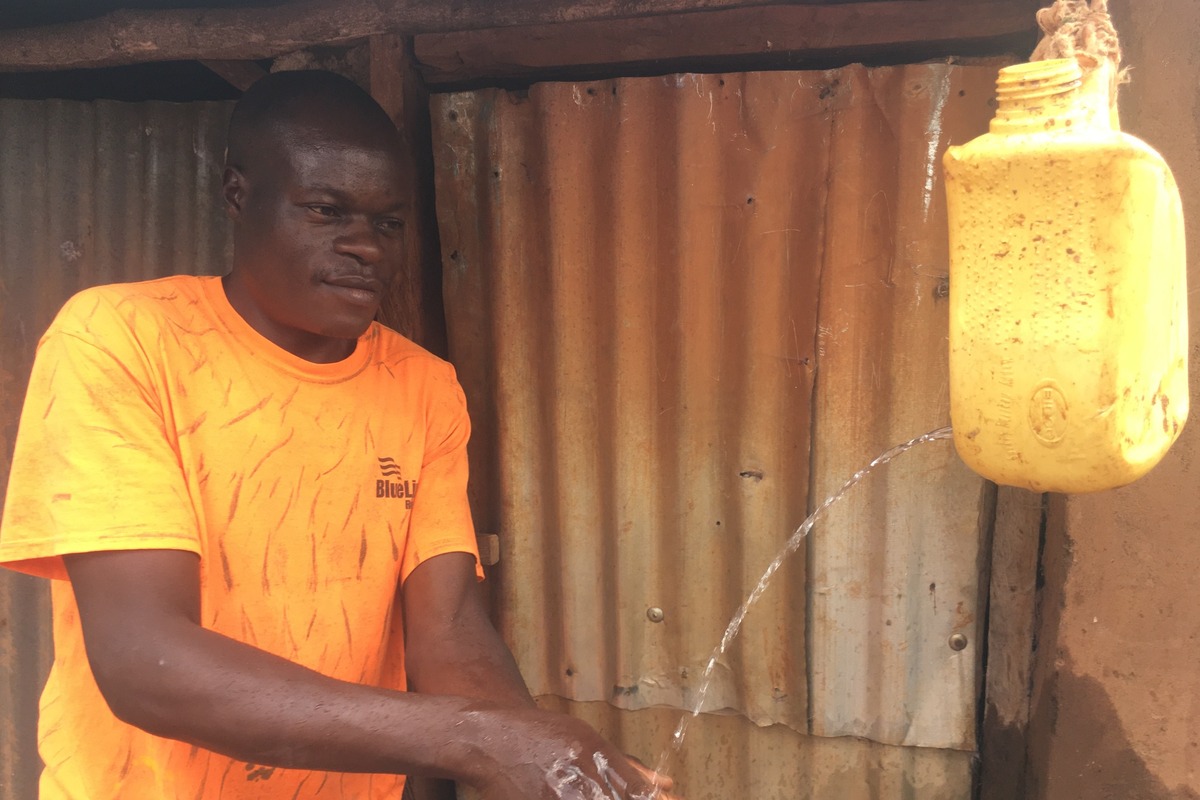
As important as the latrine itself, which drops human waste and all the pathogens it contains more than 7.5 metres below the surface, is the water-filled plastic container that hangs from one corner of the roof. Lovoga demonstrates how it works, pulling out a small stick at the bottom of the container to allow water flow out. He grabs a bar of soap from a wooden stand near the latrine door, washes his hands under the free-flowing stream from the container, then pushes the stick back in.
“This is to ensure that we don’t get diseases like diarrhoea,” said Lovoga.
Next door, his new neighbour has begun work on his own latrine. A heap of excavated red soil sits to one side. For now, it’s a slab of concrete, wire mesh and timber boards with a deep hole in it. Walls and a roof will complete it.
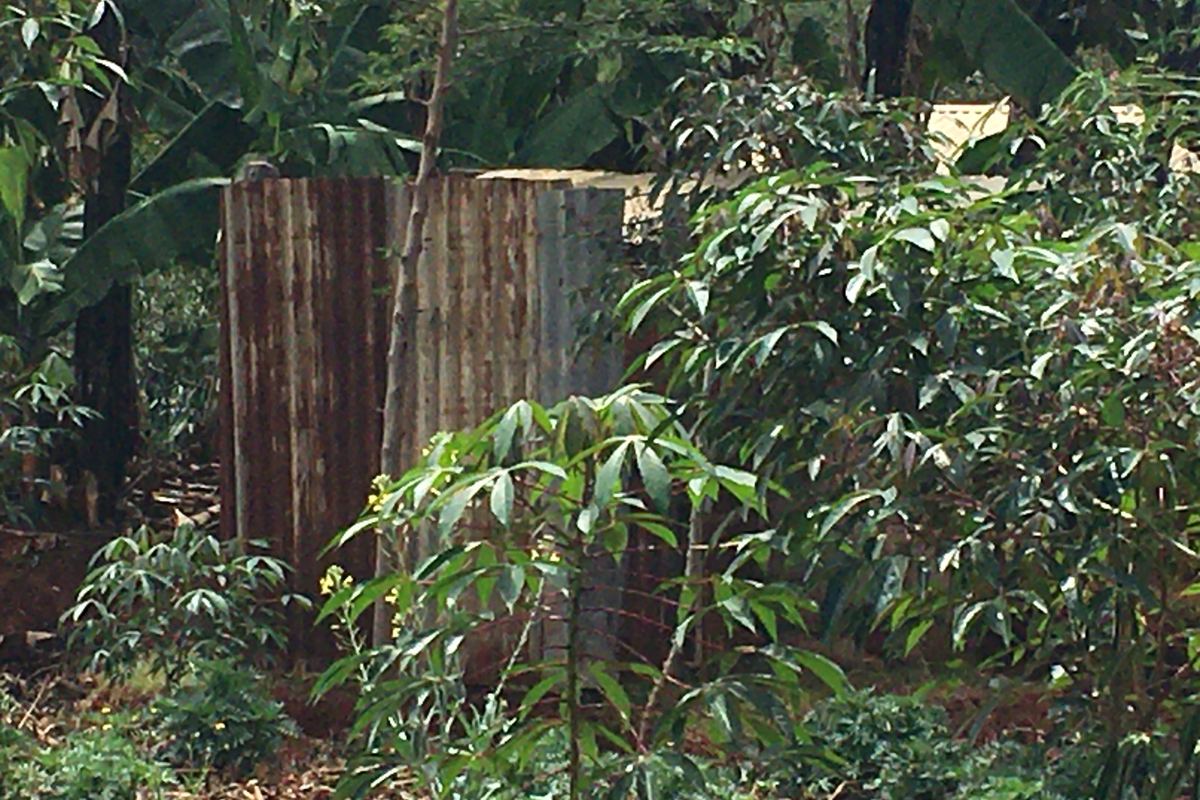
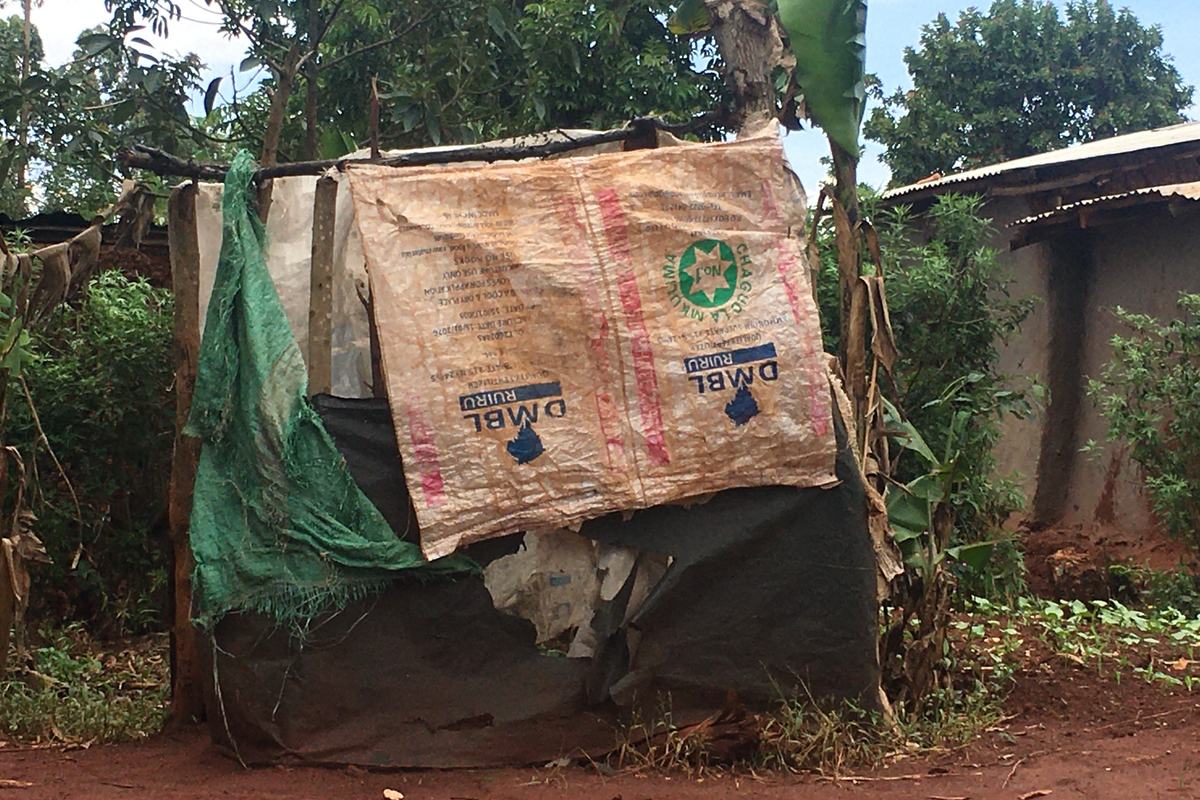
Not far away is another household’s pit latrine, this one shielded with polythene sheeting. Some homes in the village have new latrines without roofs, some with walls made from repurposed corrugated metal, others, like Lovoga’s, from mud.
They vary superficially, but all these toilets are equipped to do their life-saving jobs: fight diarrhoeal diseases like cholera and typhoid through the safe disposal of human faeces.
“Community-led total sanitation”
In May 2011, the government of Kenya launched what it called the National Community-led Total Sanitation initiative, which saw the official adoption of the open defecation-free (ODF) campaign in rural areas. The first campaign in Kwanza Sub County started in 2019 with a target of 12 villages.
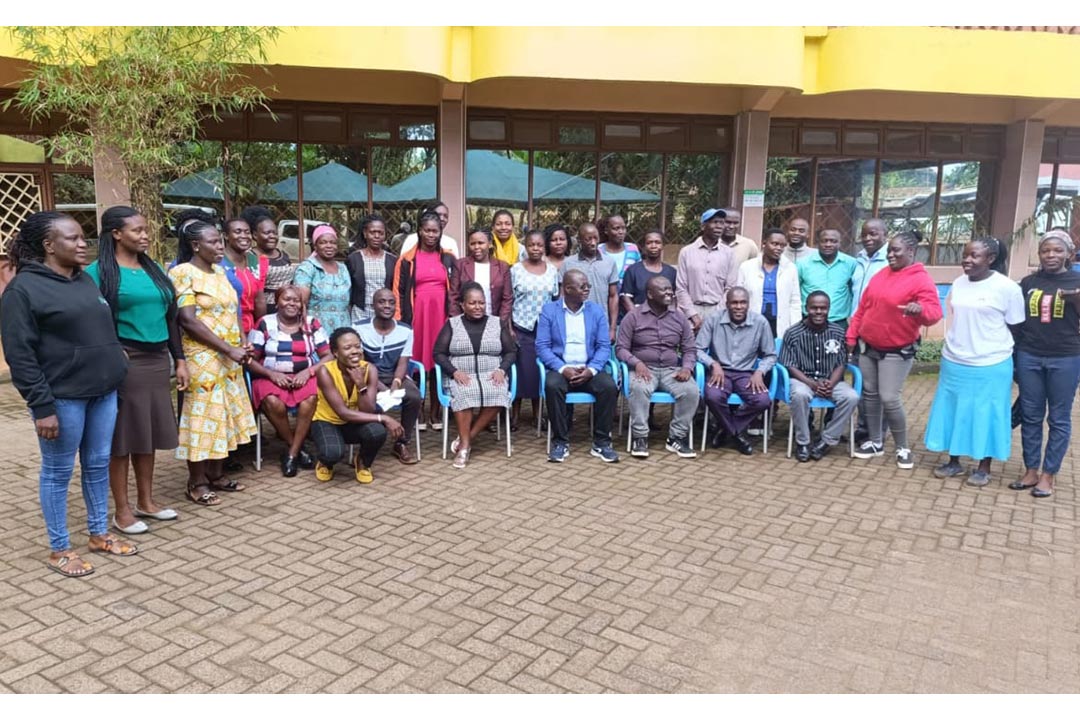
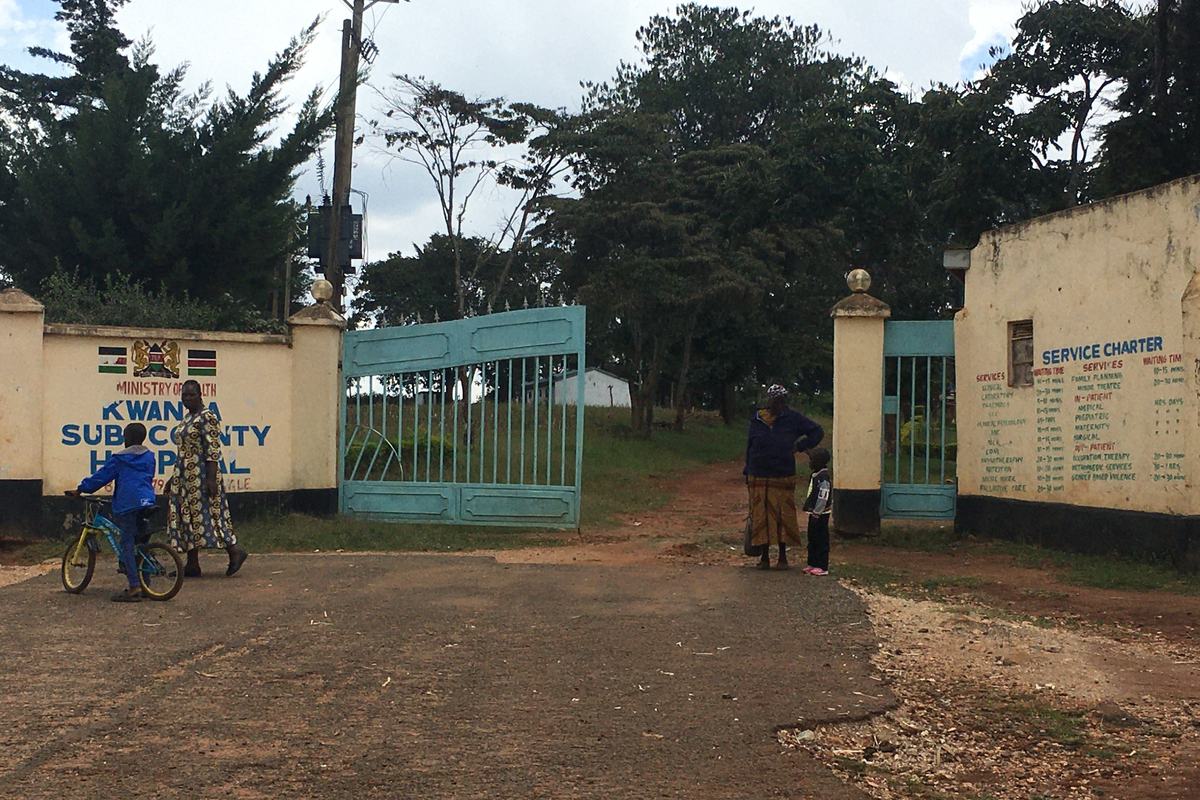
At the end of July 2026, the Trans-Nzoia County Department of Health Services and Sanitation declared an additional 24 villages open defecation-free. The announcement followed a project led by WASH Alliance Kenya, The African Institute for Health and Development (AIHD) and AMREF Kenya, to help communities dig pit latrines and instal hand-washing equipment in Keiyo and Cherangany wards.
Speaking at the certification ceremony, Dr Edward Wesaya, Director of Pharmaceuticals for the county government, noted that open defecation was not just an inconvenience, but a threat to the health of children.
“Poor sanitation is equivalent to cholera, typhoid and diarrhoea, placing a heavy burden on the county’s healthcare system. Resources spent on treating sanitation-related illnesses could instead be directed towards other development priorities,” he said.
The Trans-Nzoia County Director of Public Health and Neglected Tropical Diseases coordinator, Dr Norbert Musundi, said the county government was committed to achieving Sustainable Development Goal 6.2, which seeks universal access to sanitation and hygiene by 2030, saying Kwanza Sub-County could now boast 37 ODF villages.
Keiyo Ward, which is part of Kwanza Sub-County, has a population of around 33,000 people and, prior to recent improvements, stood out for its poor performance on latrine coverage.
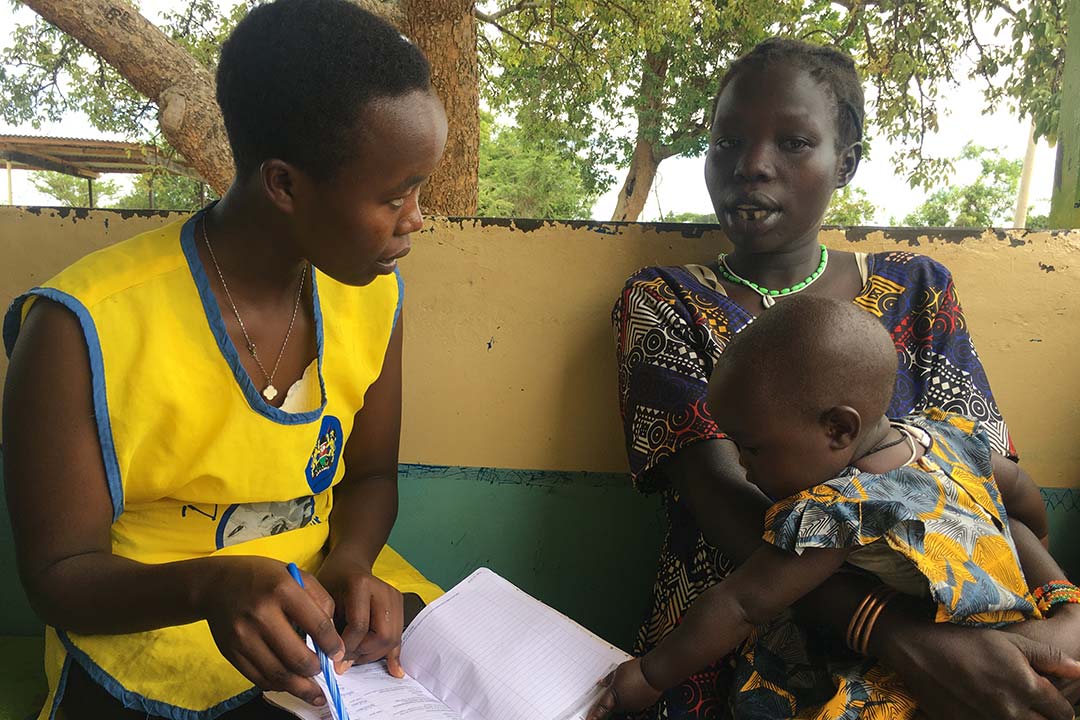
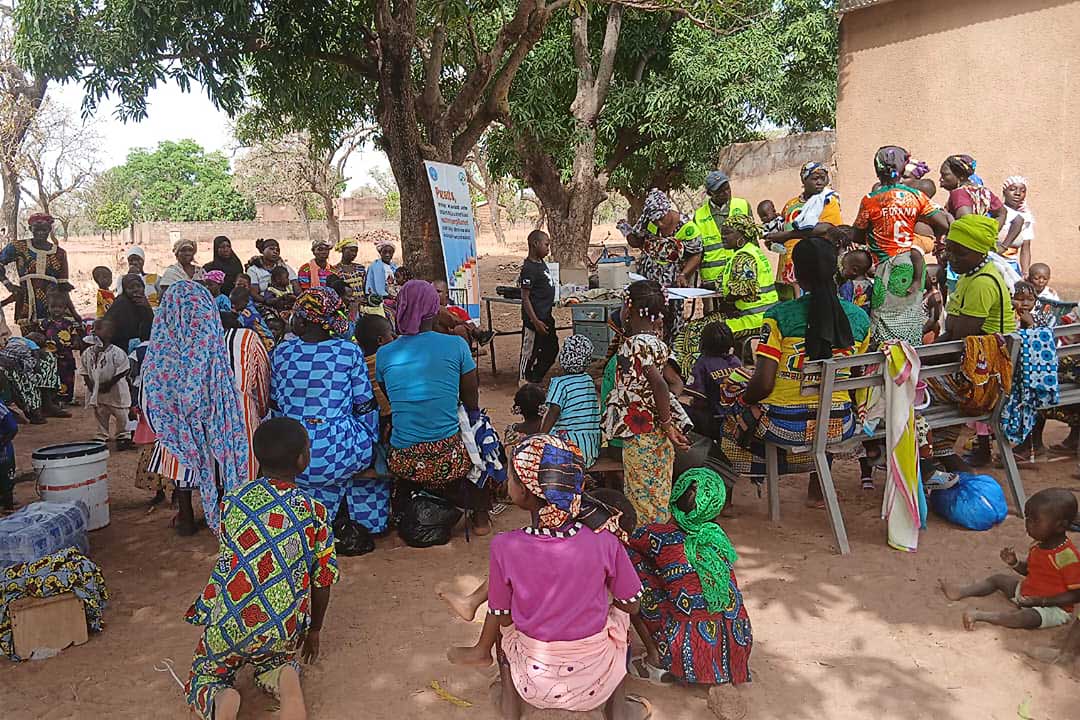
Vanice Namalwa, a Community Health Promoter attached to Keiyo Level 2 Hospital, was among the frontline workers tasked with visiting every single household to talk to residents about the need to have both a latrine and hand-washing facilities. She also visited schools and pasted up posters illustrating proper hygiene during and after visiting the toilet.
“We had to pass them through the dangers of not having latrines and why they should wash hands after visiting the toilet. Some were reluctant and others were quick to understand,” she said.
“We told them how a simple toilet could be done by even just digging at least 15 feet hole and make sure no faeces is exposed on the surface where adults and children can step on or touch while playing.“
With support from the local area administration like the chiefs, households started digging pit latrines and setting up hand-washing containers in early June 2026.
Have you read?
Doubling down on typhoid defence
It’s too soon to say what impact the new pit latrines will have on the transmission of diarrhoeal disease across Keiyo and Cherangany wards. But evidence from elsewhere in Kenya shows that being certified open-defecation free is associated with a significantly lower prevalence of diarrhoea, compared both to the county’s own baseline and to surrounding counties that still practise open defecation.
In the meantime, there are other ways the health system can help. Jackson Omukundi, another CHP, said during the house-to-house visits associated with the sanitation campaign, he and his colleagues were also able to make sure that eligible children had received their dose of the typhoid conjugate vaccine (TCV), which was introduced to Kenya’s national immunisation schedule in 2025. Typhoid, which sickens more than 109,000 people in Kenya each year, is strongly associated with poor sanitation.
Between the vaccine, the latrine and the family’s new soap-and-water routine, Obed Lovoga said his family is healthier this year. “I have an eight-year and two-year-old children. They received the typhoid vaccine and because of hand washing with soap after the toilet, the children don’t get sick as they used to.” Previously, he says, the children were “always having diarrhoea”.
He’s doing his bit to help his wider community achieve a similar change. “We need to protect others as well, by allowing them to use my latrine, water and soap, or else they just defecate on the roadside,” he said.`
According to UNICEF, the number of people living without access to basic sanitation in Kenya decreased by 86,341 in 2025, after 423 villages attained open defecation-free status. That brought the total number of villages certified as ODF since 2021 to 6,651, an increase from 17% to 44%.