
In southern Chad, a preventable tragedy helps galvanise a community
In Guissa Delemdi, one family shared their story to help protect the whole community.
- 11 November 2026
- 4 min read
- by Olivier Konan
To reach Guissa Delemdi, 400 km from Chad’s capital N’Djamena, you leave main roads behind.
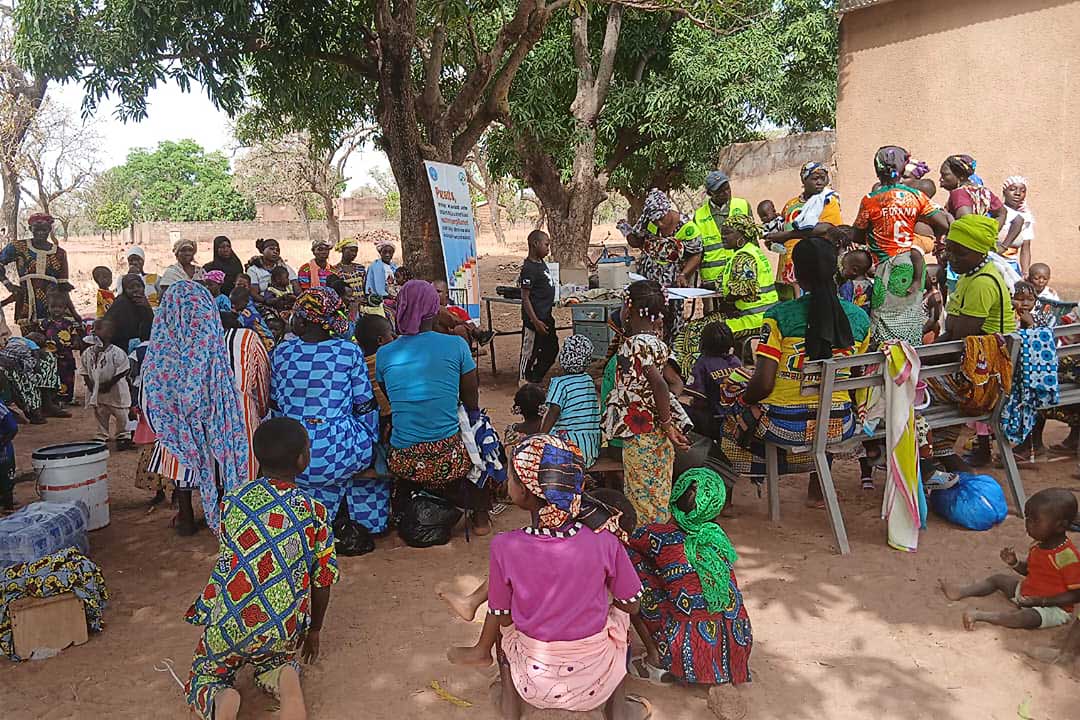
Dirt tracks cut through fields to reach the village, where farming sets the rhythm of life. During the dry season, when the fields lie barren, many men leave Guissa Delemdi to find temporary work elsewhere. Women stay behind, looking after the home and the children.
The nearest health centre is in Tamio, 18 km away, and mothers from Guissa Delemdi typically cover that distance on foot. That journey is even harder in the rainy season, when flooding often makes the road to Tamio completely inaccessible.
The consequence is that the children of Guissa Delemdi visit the clinic too rarely. Many children miss out on at least some of their routine vaccines.
Mothers say their sense of disconnection from health services is reinforced by a feeling that the village has been too often overlooked during mosquito net distributions. That sense of exclusion can sometimes tinge other health initiatives, and has influenced villagers’ responses to government-led vaccination efforts. Often enough, when a campaign has been announced, some families prefer to temporarily leave the village or avoid health teams.
A foreseeable tragedy
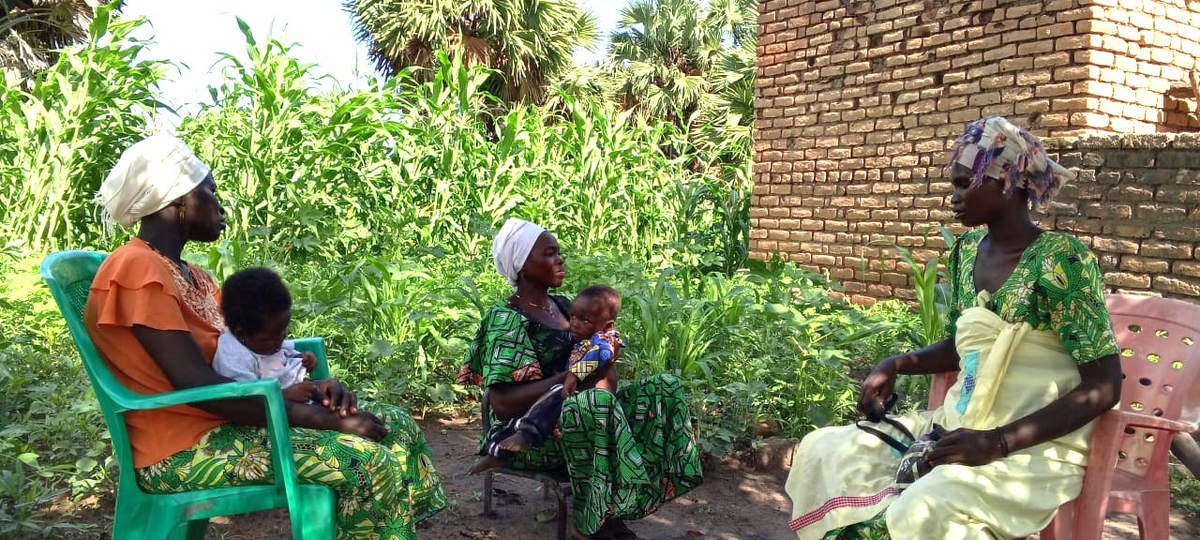
For a long time, 21-year-old Adeline Brya was no different than the many vaccine-shy mothers of Guissa Delemdi.
Between the baseless rumours that cast vaccination has risky and the distance to the clinic, the decision not to take her son, three-year-old Richard Koumamada, to the health centre for his jabs came easily.
Then, in November 2025, Richard slowly started losing the use of his legs. Brya and her husband, Andigue Jonas, took him to a health facility. Lab tests showed that Richard had polio, a vaccine-preventable viral illness that causes irreversible paralysis in about one in 200 cases.
“When I understood what had happened to my child, I asked myself a lot of questions. I wondered if it could have been avoided,” Brya recalled, cradling her second child, three-month-old Kousmia Odette.
Fire-fighting
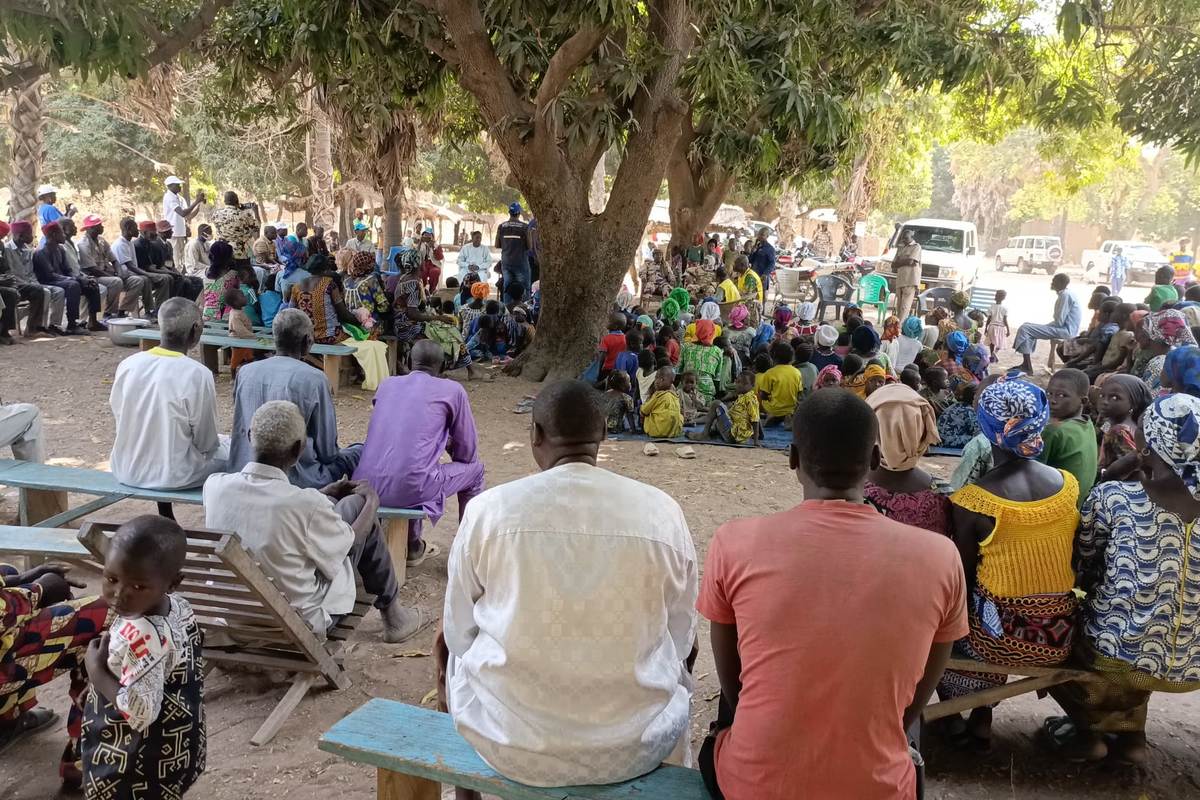
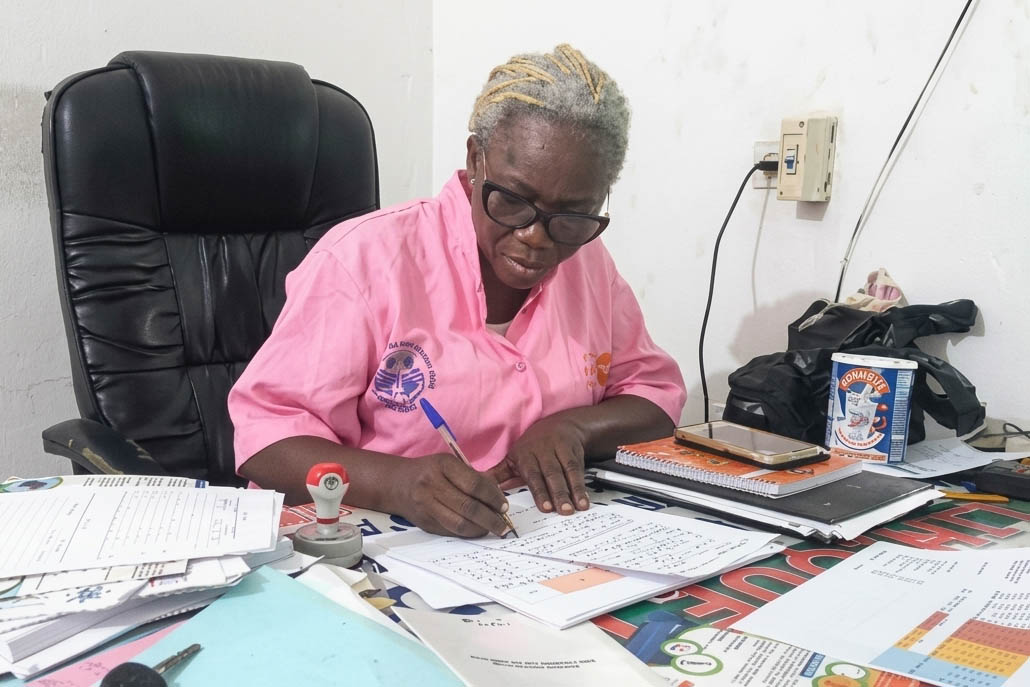
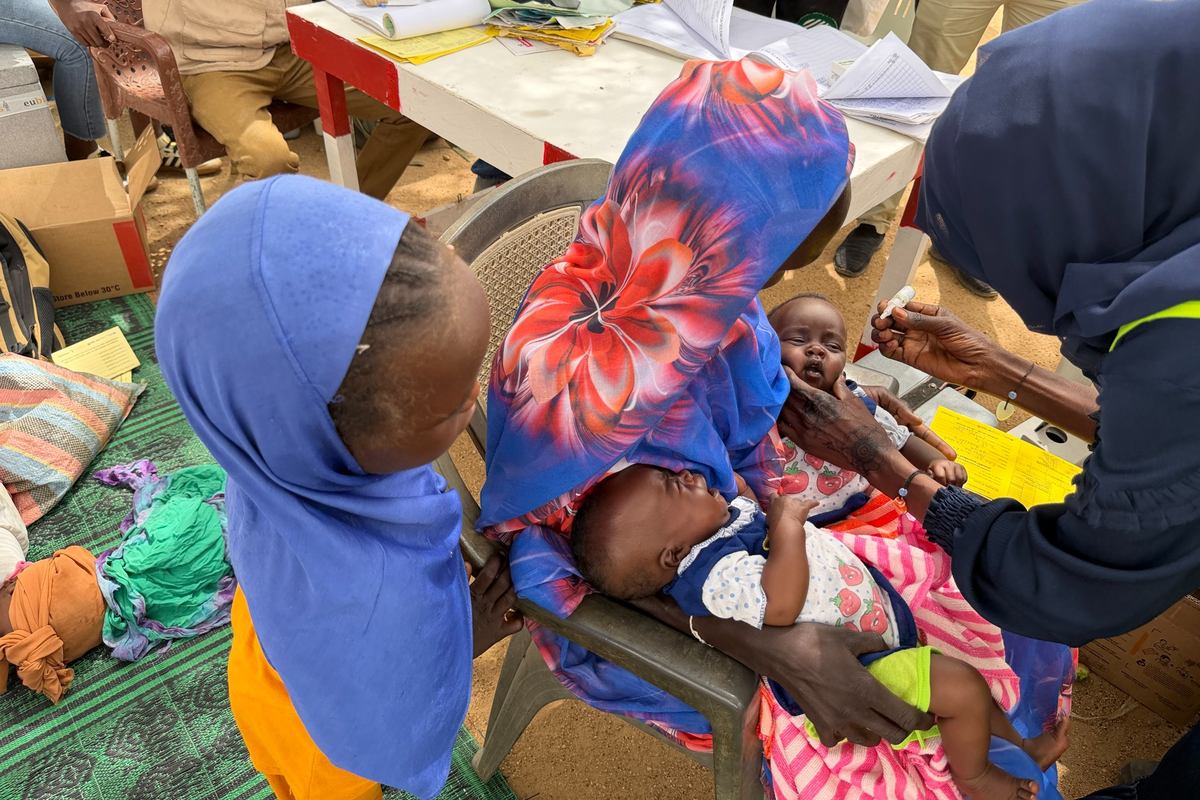
News of Richard’s diagnosis reached the Béré Health District authorities, who quickly joined forces with trusted local civil society organisation (CSO) L’Association pour la Promotion de la Santé Villageoise au Tchad (APVST), to find the children who remained vulnerable to the virus and get them protected.
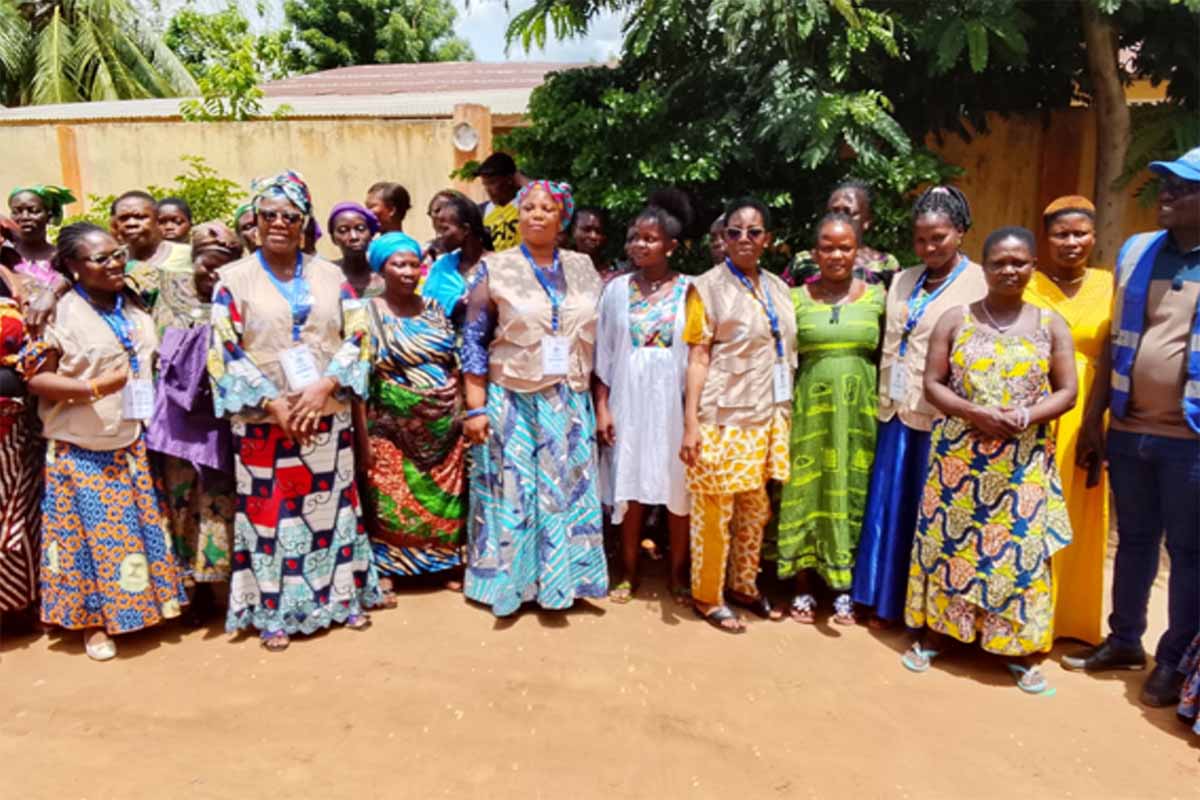
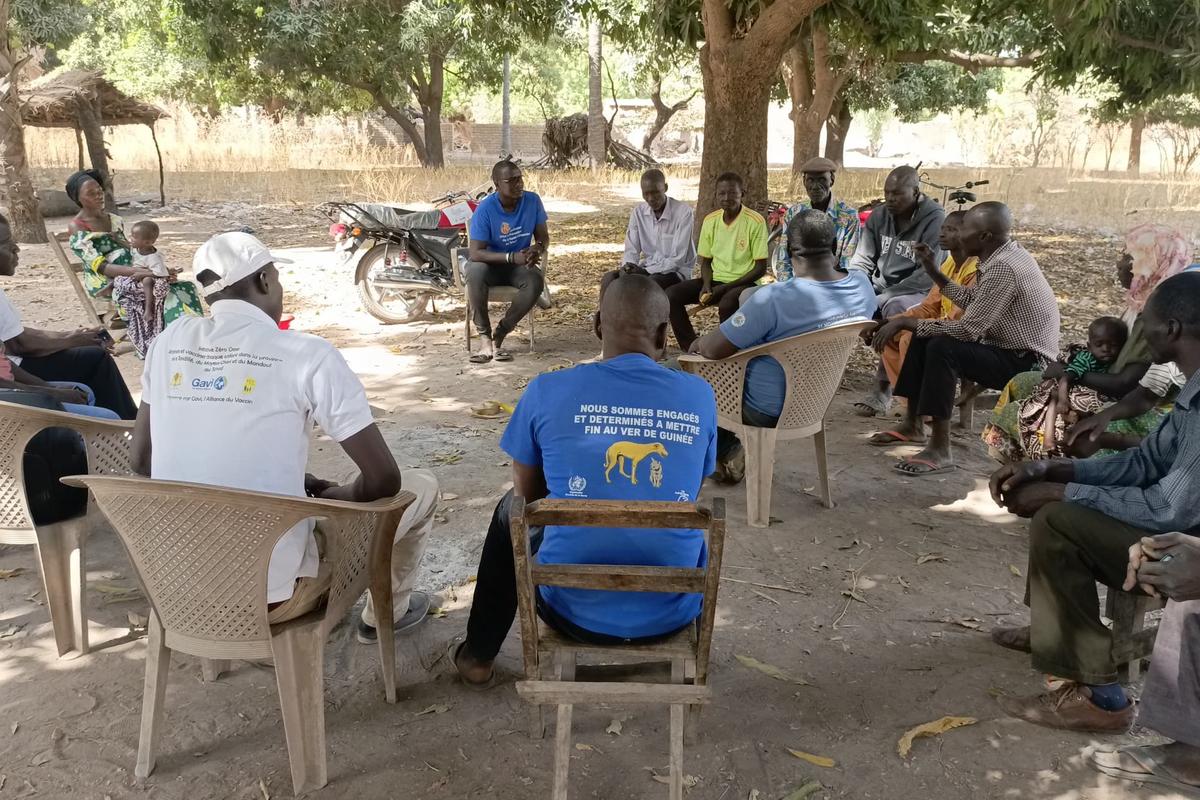
That meant rebuilding trust with families, strengthening contact with the community and setting up a responsive vaccination campaign. APSVT teams, health workers and local authorities held many rounds of discussions with Guissa Delemdi’s four chiefs.
Two of those chiefs were, like many in the community, initially opposed to vaccination, so APVST and health teams took great care to listen to their fears and explain the importance of vaccination in meetings convened regularly in the public square. Two months into this trust-building process, in February 2026, all four chiefs agreed to support the immunisation campaign. Robert, the chief of Brya’s neighbourhood, said Richard’s polio diagnosis had played the key part in his change of heart.
Have you read?
A system built with the community
Once the team had won the support of the chiefs, APVST community mobilisers and health workers conducted door-to-door visits in Guissa Delemdi village to count every child aged 0 to 59 months.
The polio vaccination campaign kicked off in March 2026. Brya joined the mobilisation efforts, accompanying teams as they visited households to speak with families, share Richard’s story, and encourage parents to complete their children’s vaccination schedules.
“I don’t want any other mother to go through what I’ve been through,” explained Brya.
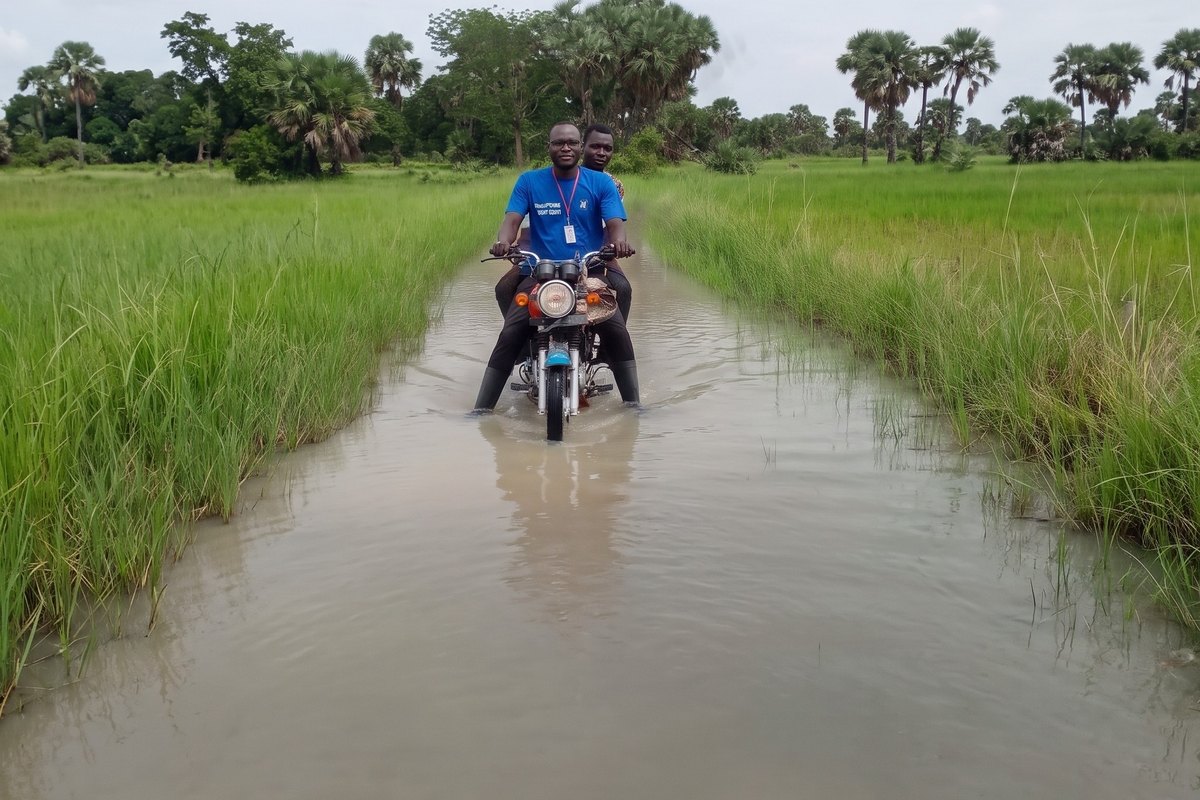
From fear to action
During APVST’s intervention to identify children, rebuild trust and strengthen follow-up in February 2026, 271 children aged 0 to 59 months – including 63 zero-dose and 105 under-immunised children – were identified and referred for vaccination.
In March, APSVT used flexible Gavi funding to support the identification of absent children, the mobilisation of families and the follow-up of children during the polio outbreak response campaign.
Brya’s second baby, Kousmia Odette, was born a few months later. Throughout her pregnancy, and after delivery, Adeline was careful to make all her appointments at the clinic.
In Guissa Delemdi, vaccination has been recast as a responsibility shared by the whole community: traditional chiefs, community health workers, health staff, parents, and people like Brya, who chose to put their experience to work for others.
How is Gavi helping?
To help increase immunisation coverage in lower-income countries, Gavi has launched a series of funding opportunities for civil society organisations (CSOs) to deliver projects targeting zero-dose children and under-immunised communities via its CSO Fund Manager.
MannionDaniels, a global health and social development consultancy working in a consortium with Oxford Policy Management (OPM), currently fulfils this role, providing end-to-end grant management services.
With support from Gavi through this funding mechanism, APVST has worked to tackle the root causes of under-immunisation, such as vaccine hesitancy, vaccine refusal, geographic isolation, and community distrust by placing communities at the centre of the solution.
More from Olivier Konan