
How a 'nightmare' cholera outbreak brought Nepali hospitals to the brink
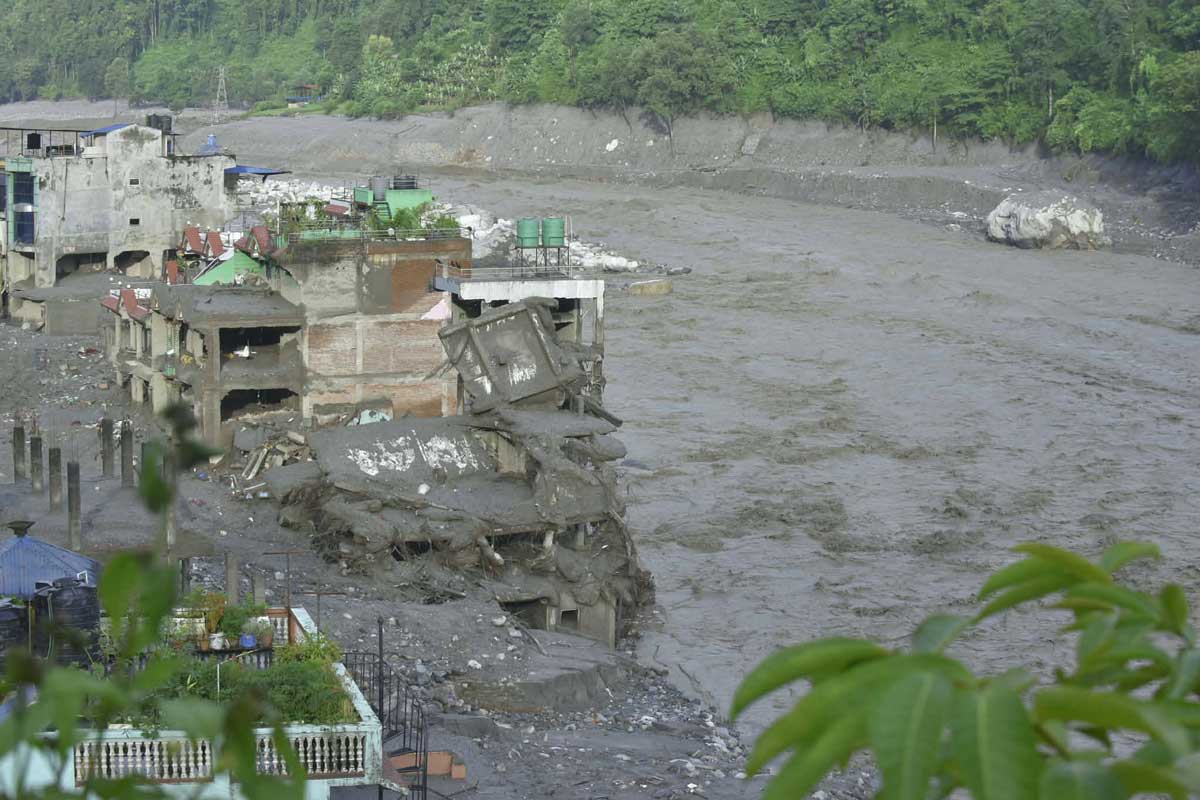
Beginning in August, cholera hospitalised thousands in the southern city of Birgunj. In mid-October, a million doses of vaccine brought relief.
- 3 December 2025
- 5 min read
- by Pragya Timsina

At a glance
- More than 1,500 people were hospitalised with cholera in southern Nepal late this monsoon season, and four died.
- Hospital staff describe a “nightmare” as need outstripped supply, with severely ill patients treated on floors and in corridors.
- The global oral cholera vaccine stockpile shipped out an emergency consignment. In mid-October more than 723,000 people in the affected area were immunised. Disease transmission has slowed to zero.
In the last week of August, health facilities in Nepal’s Birgunj reported a sudden surge in cases of acute watery diarrhoea – a warning signal for a cholera outbreak.
The illness was severe, with a majority of patients reporting more than 40 episodes of loose stool in a single day, with intractable vomiting and severe dehydration. Some arrived at the hospital unconscious, their blood pressure too weak to register.
Within another two days, Birgunj city, which has a population of around 272,000, was in a state of chaos. By the time the National Public Health Laboratory could officially confirm Vibrio cholerae – specifically the 01 Ogawa serotype – as the causative organism, the case-count was overwhelming.
Dr Chuman Lal Das, hospital director at Birgunj’s Narayani Hospital – the main public hospital in the province – remembers the weeks of the cholera outbreak as one of the scariest nightmares in his entire career.
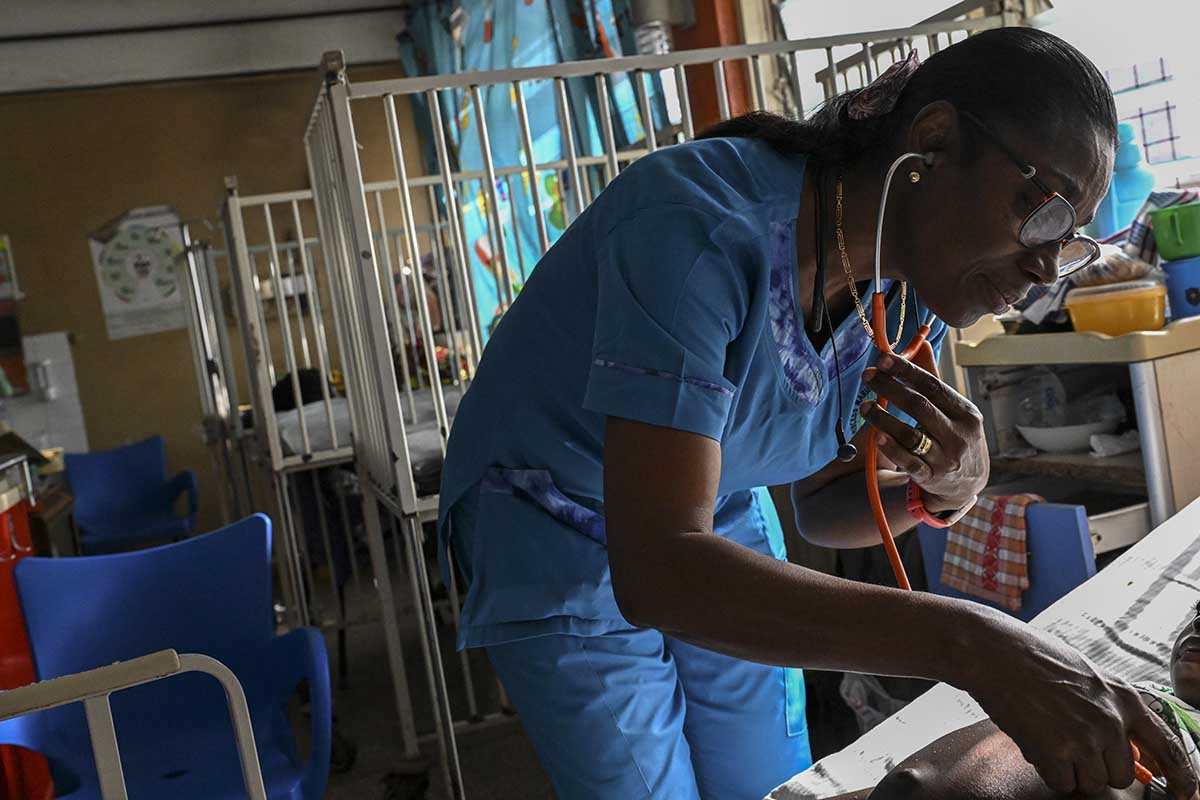
The government hospital had only 26 beds in the emergency department, but more than 100 new, severely sick cholera patients were showing up each day. Patients were being treated on the floor; even the corridors of the hospital were all flooded with patients having diarrhoea and vomiting.
In no time all, manpower and medical supplies were running short too, Dr Das recalls.
A city infected
Government epidemiologists established that the first cases had cropped up mid-month in just a couple of areas of Birgunj. It only took a week for cholera to spread to distant wards, parts of town that didn’t even share water lines or food vendors with the outbreak’s cradle.
Once the expert team from the Epidemiology and Disease Control Division (EDCD) declared active community transmission, emergency medical support to Birgunj was mobilised.
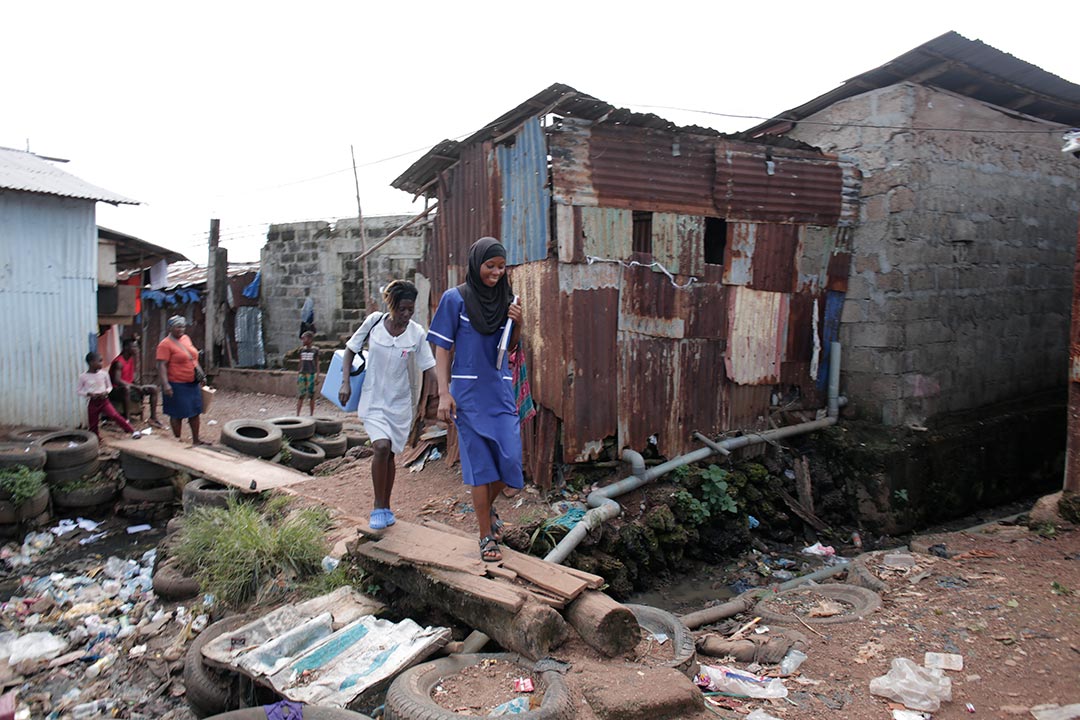
The spark for the epidemic is not yet clear, but Dr Chuman Lal Das – who is also a public health expert – strongly suspects cross-contamination between sewers and drinking water pipelines during the monsoon. Birgunj’s old and damaged water pipelines, running parallel to sewage drains, are thought to have allowed leakage and backflow during heavy rains.
In any case, by late September, 1,500 people had been hospitalised in one of the largest cholera epidemics in Nepal’s recent history. Four people had died.
The frontline
Doctors and nurses at the hospital committed their days and nights to delivering the life-saving rehydration therapy patients so urgently needed. But they also report having been aware that unless the public health system could halt disease spread in the community soon, the hospital would soon be utterly overwhelmed.
First, the municipal office closed schools in the affected areas, and redeployed school staff to a door-to-door awareness campaign.
At the same, the local government, in collaboration with the Red Cross Society, World Health Organization and many other non-governmental organisations, conducted water, sanitation and hygiene interventions. These included chlorination of drinking water in affected wards, cleaning water tanks in schools, cleaning toilets, and inspecting water supply networks for contamination. A complete ban on street food was imposed to reduce the risk of food-borne transmission.
But cholera was already spreading rapidly: more preventive tools were called for. Jaymod Thakur, Public Health Supervisor in Birgunj, wrote to the central government calling for cholera vaccine to be supplied to the epidemic-hit area.
Cholera vaccines on the march
Dr Abhiyan Gautam, who currently leads the department of Child Health and Immunization Services, assigned the request topmost priority. He checked the government stocks: they were low. He wrote to the Ministry of Health and various donor agencies alerting them to the chaotic situation in Birgunj city, and advising them of the need for a consignment of oral cholera vaccine (OCV).
The Gavi-supported global oral cholera vaccine stockpile, which is managed by the ICG, duly mobilised1,018,100 doses to Nepal to support the emergency response. This commitment laid the foundation for the government to announce a vaccination campaign in cholera-affected areas, scheduled to begin on 12 October.
The target population for the vaccine campaign were all people older than one year, in all the municipalities of Parsa district, and in six bordering local units of Bara.
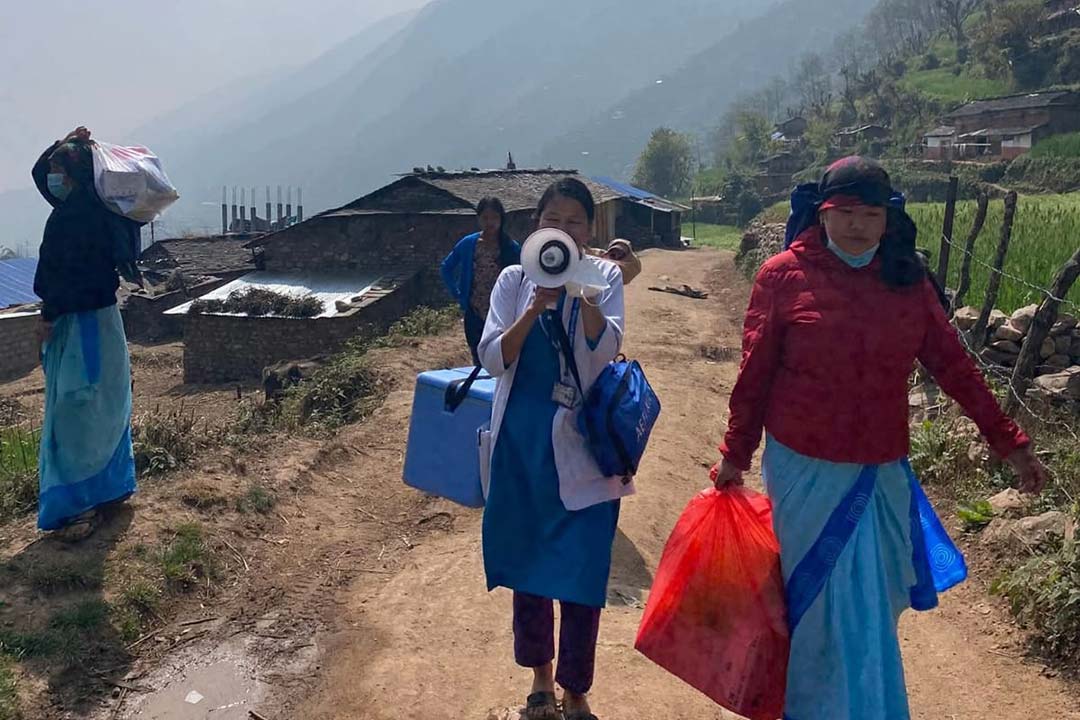
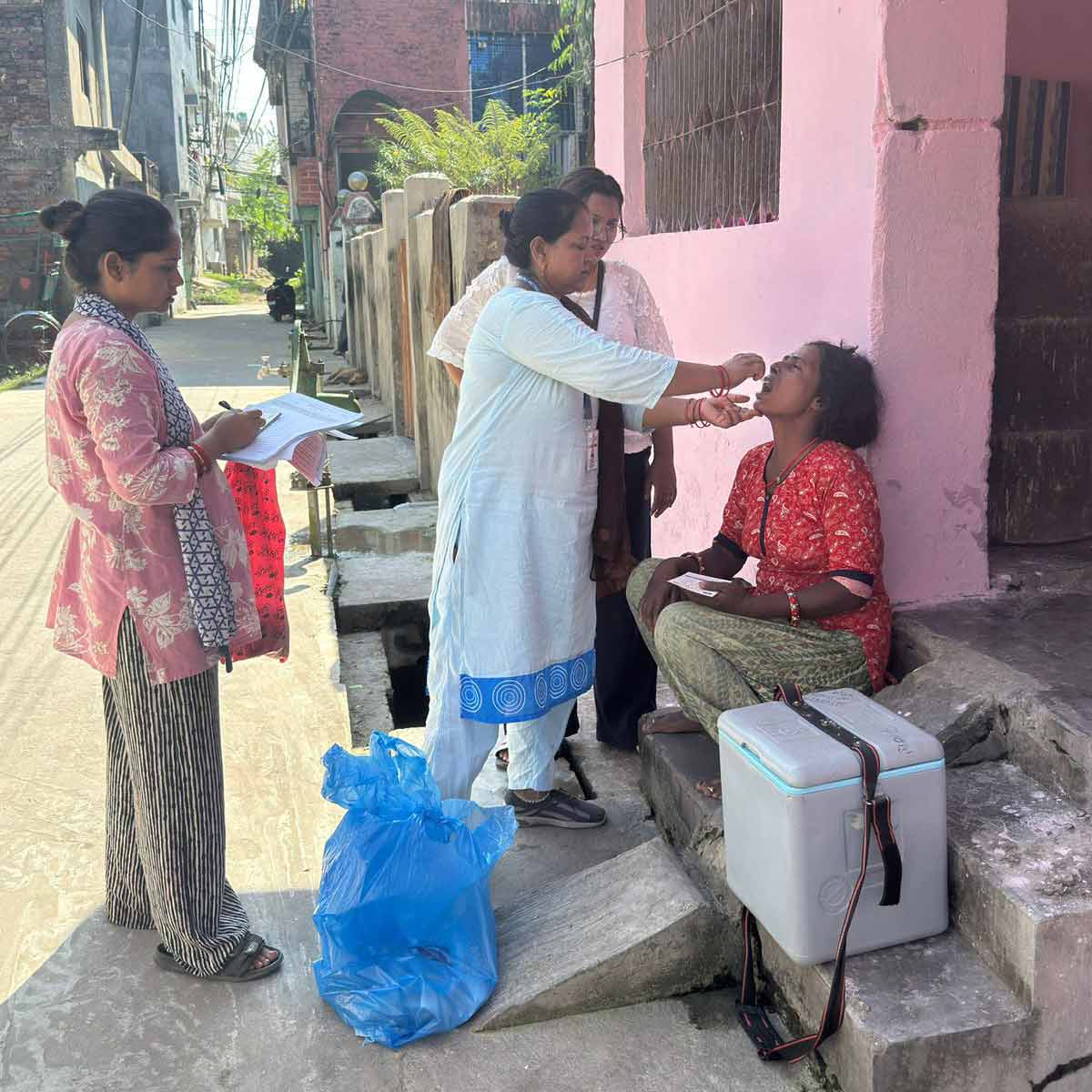
The first challenge at the time was manpower. Reaching that number of people in such a short period of time would require 1,000 government health workers and about 2,200 Female Community Health Volunteers (FCHVs) to be trained up and ready to go in just three days, Dr Abhiyan Gautam told VaccinesWork.
The FCHVs deserved particular credit, Gautam said. During the campaign they worked from early morning until 20:00 each night, to make sure the campaign reached every family.
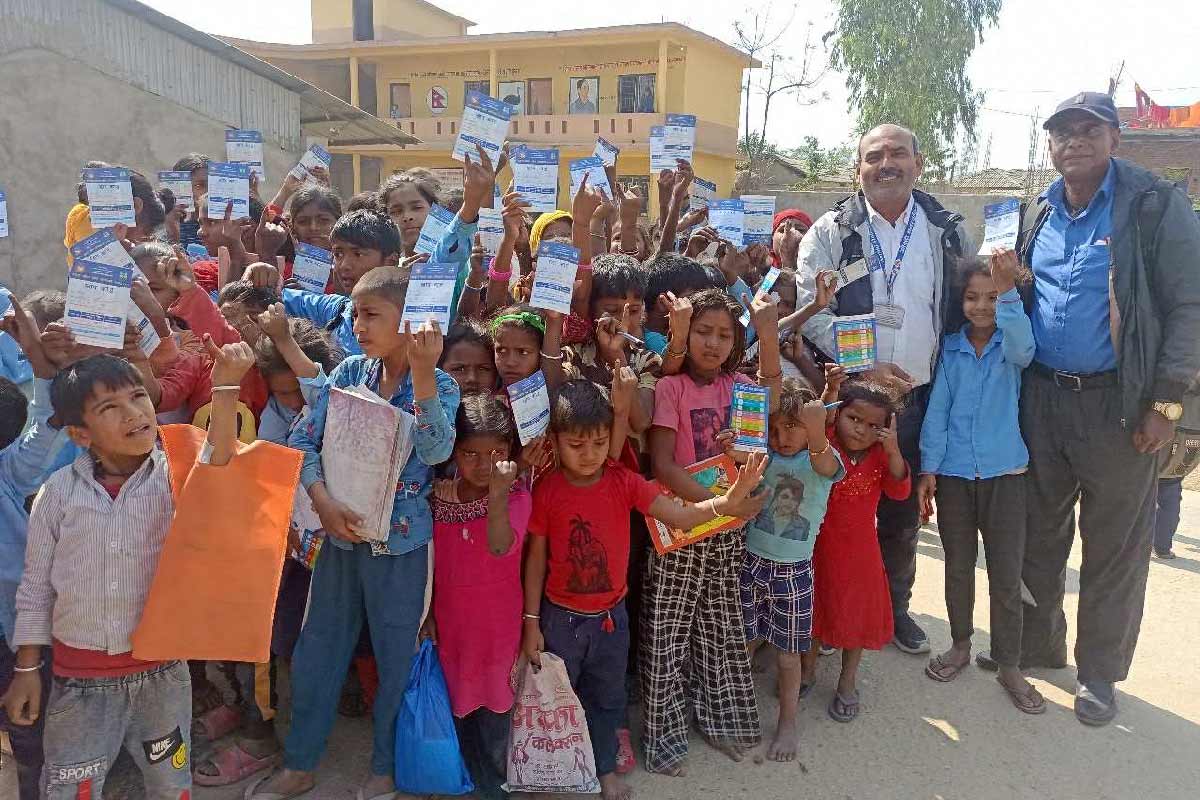
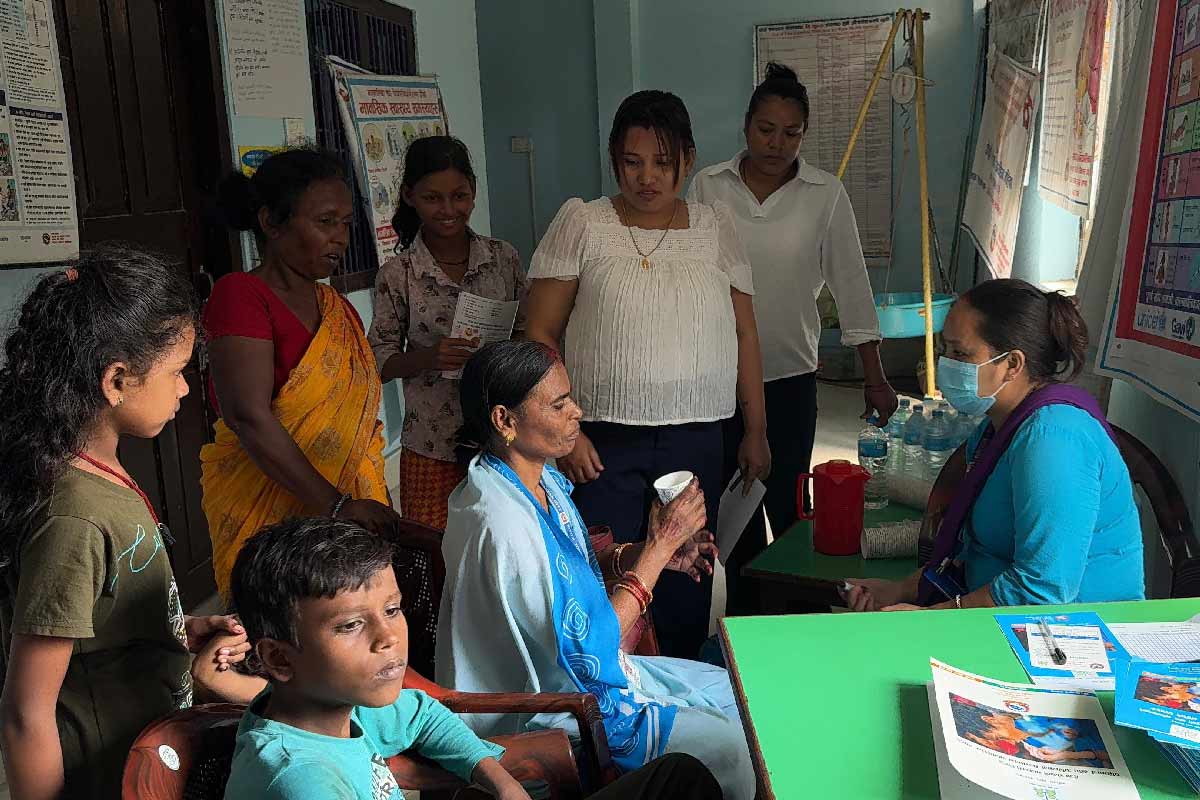
At primary vaccination sites – schools and local healthcare centres – 188,000 people received the vaccine in just the first three days. And by 18 October 2025, authorities were in a position to report 723,836 people across Parsa and Bara – about 71% of the target population, meaning everyone over the age of one – were protected.
In later days, vaccinators sorted out the missed people, even reached them at home, such that by the end of campaign the vaccination rate reached up to 85% of the target population. The fact that it was the highly-mobile festive season, with both Deepavali and Chhath falling in the first half of November, may have capped their reach, Dr Gautam said.
Have you read?
The community queues up
Pinkidevi Turaha, who lives with six of her family members in Birgunj, says she was lucky that no one in her household came down with the diarrhoeal disease even when it seemed that almost all the villagers were suffering.
She was taking no chances: as soon as the children’s teacher came to the house to inform the family that the government had launched the campaign, Turaha and her family members rushed to the vaccination site. All of them took the vaccine without hesitation. Radio and TV broadcasts had by then assured the family that the vaccine was safe and effective – she reported feeling no doubt.
As the vaccination campaign built a safety cordon around the affected population, and as the heavy rains slowed, disease transmission tailed off. While the epidemic has yet to be declared over, no new cholera cases have been reported during or after the second half of October.
More from Pragya Timsina