
How Ondo State is confronting Nigeria’s changing Lassa fever threat
It’s deadly, and it’s becoming less predictable. Health workers on the Lassa fever isolation ward say, “We cannot let our guard down.”
- 14 September 2026
- 9 min read
- by David Akinadewo-Adekahunsi
At a glance
- With hundreds of deaths from Lassa fever recorded in Nigeria already by mid-year, health workers on the frontline say vigilance is called for.
- Prompt diagnosis is critical for life-saving intervention on the isolation ward, doctors and nurses in hard-hit Ondo state say, but it’s often delayed by a tendency to mistake early symptoms for the more common malaria.
- Researchers say better public awareness, improved scientific understanding of a changing epidemiology and changing climate, and new tools will equip a stronger public health response.
When Olabode Fatoyinbo from Akure in Ondo State, Nigeria, developed a fever, he didn’t imagine he was about to become another statistic in Nigeria’s largest Lassa fever outbreak.
Instead, he felt reasonably safe assuming that malaria was the culprit. He bought antimalarial drugs and waited for the fever to subside. Instead, his condition worsened.
A visit to a nearby hospital brought no relief. After further laboratory investigations at another facility, he was referred to the Federal Medical Centre (FMC), Owo, one of Nigeria’s foremost treatment centres for Lassa fever.
There, finally, clinicians ordered a different test. This one came back positive.
“I was taken straight to the isolation ward,” Fatoyinbo says. “Treatment started immediately.”
An alarming diagnosis
Fatoyinbo’s diagnosis lands amid one of Nigeria’s severest Lassa fever outbreaks in recent years, and Ondo is its epicentre. According to the Nigeria Centre for Disease Control and Prevention (NCDC) by epidemiological week 28 of 2026, the country had recorded 963 laboratory-confirmed cases and 229 deaths across 23 states, with Ondo accounting for nearly one-third of all infections.
The outbreak has continued to challenge health systems despite years of experience responding to the disease, which most typically infects people when they consume food or drink contaminated with the urine or faeces of the multimammate rat.
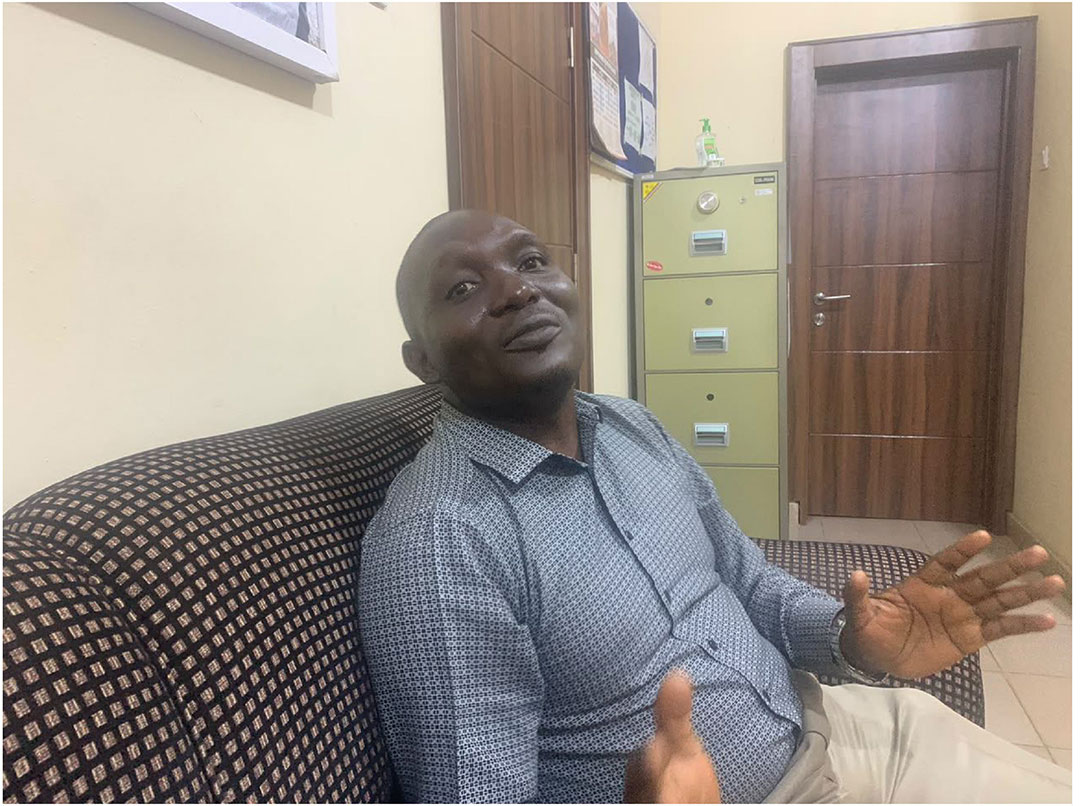
For Fatoyinbo’s family, the diagnosis was terrifying. “When people hear Lassa fever, they become frightened,” he says. “When I arrived here, I was so weak that I couldn’t even speak. My wife and my brother were with me, and when my relatives heard what had happened, everyone became worried.”
Credit: David Akinadewo-Adekahunsi
The fear surrounding Lassa fever is understandable. While the vast majority of people infected with Lassa virus experience mild or no symptoms, one person in five becomes severely ill.
Among those patients, advanced disease can precipitate bleeding from bodily orifices, fluid collection in the lungs, shock, seizure and confusion. Fifteen percent of patients hospitalised with Lassa fever die.
A deadly virus is not a death sentence
It’s the worst cases that have informed the public picture of the disease.
“Before now, hearing about Lassa fever felt like hearing something extremely terrible,” Fatinboyo says. “Because patients are isolated and you see health workers wearing protective equipment, it reminds you of Ebola.”
His perspective changed after arriving at FMC Owo. Within days of receiving treatment, his condition began to improve. As he recovered, he watched other patients leave the isolation ward and return to their families.
“I’ve seen many people treated successfully and discharged,” he says. “That changed my understanding completely.”
His treatment also challenged another common assumption – that surviving a serious infectious disease inevitably leaves families with overwhelming medical bills.
“Everything has been free,” he says. “The treatment, feeding, even laundry services. We have not paid a single naira.”
Vigilance required
For Fatoyinbo, the experience has become a lesson in the importance of early diagnosis, though he still cannot say exactly where he became infected.
“There are no rats in my house,” he explains. “I don’t eat bushmeat either. It could have happened through contact with someone else. I honestly don’t know.”
The uncertainty is one of the realities of Lassa fever. Incubation – the period of time that elapses between exposure and first symptoms – can be between two and 21 days, making the moment of contagion often tricky to pinpoint. Moreover, while rat excreta are usually to blame, human-to-human transmission can occur.
And then there’s the fact that early symptoms resemble the far more common malaria. Confusion can be costly: early diagnosis and prompt supportive treatment significantly improve survival.
Fatoyinbo now encourages people to seek medical attention quickly if fever persists despite malaria treatment.
“It’s good to pray,” he says. “But don’t rely on prayers alone or herbal remedies when you’re not getting better. Go to the hospital and find out what is wrong. The earlier, the better.”
A changing challenge
His appeal echoes the message repeatedly delivered by clinicians working on the isolation ward.
For Dr Ihinmikaye Isaac, Consultant Public Health Physician and infectious disease specialist at FMC Owo, delayed presentation remains one of the biggest obstacles to saving lives from Lassa fever.
“Lassa fever is difficult because the early symptoms are almost the same as malaria and several other febrile illnesses,” he explains. “Patients come with fever, weakness, sore throat, abdominal pain, vomiting or diarrhoea. The challenge is recognising when it is no longer ordinary malaria.”
“By the time some people arrive here, they already have severe complications such as bleeding or kidney failure. Those are the cases that become much more difficult to manage.”
And still the difficulty of a prompt diagnosis is only one part of the challenge that Lassa fever puts to the health system.
Dr Isaac has spent years managing Lassa fever patients, but the disease he confronts today is different from the one he encountered at the beginning of his career.
“Traditionally, we expected more cases during the dry season,” he says. “Now we see cases throughout the year. There is hardly any opportunity to rest because patients keep coming.”
The changing pattern has placed increasing pressure on frontline health workers, who are locked in a battle against a disease that no longer follows the rhythms that once informed their tactics.
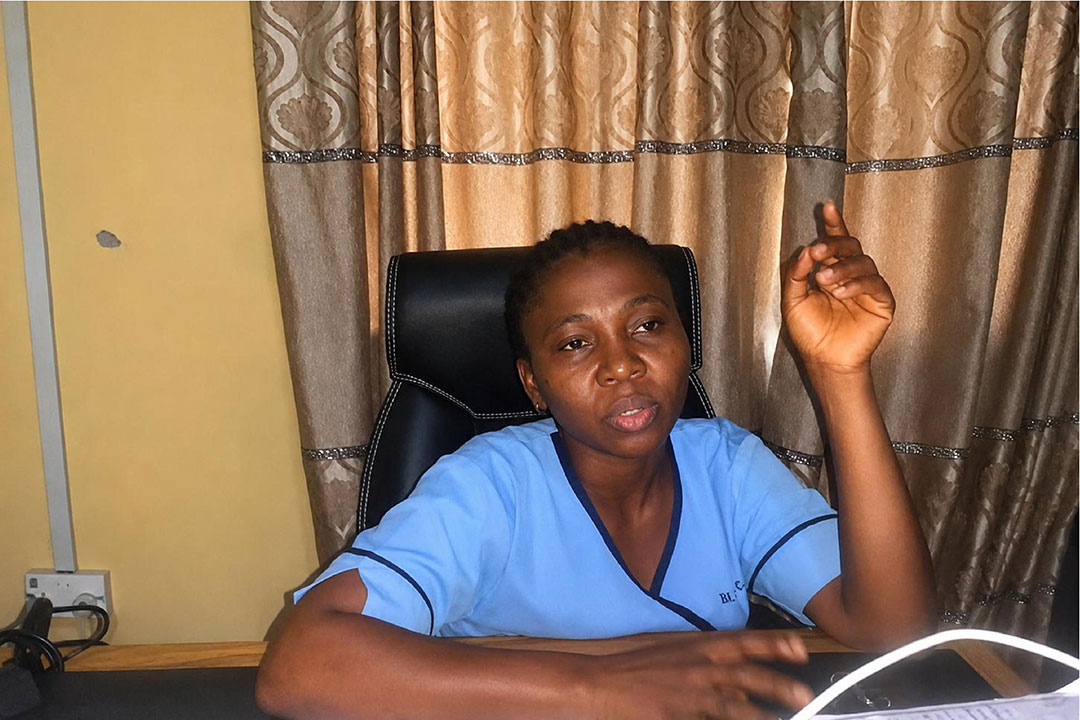
“Previous outbreaks were more stable and predictable,” says Oyebimpe Oyegunle, Assistant Director of Nursing Services at FMC Owo. “This time, the number of patients has been fluctuating continuously. We are still seeing many cases at a time when we would normally expect them to reduce.”
The changing epidemiology has also brought new clinical observations. While fever, abdominal pain and weakness remain common, she says some patients have presented with hearing impairment, while others, particularly women, have experienced unusual symptoms such as breast engorgement.
The healing vocation
Despite the risks, Oyegunle describes caring for patients as a calling rather than a burden. “Seeing patients recover and return home is what keeps me motivated,” she says.
She recalls the recent discharge of a critically ill newborn who survived after weeks of intensive care. “There were moments when we thought the baby might not survive. Watching the child leave the hospital with the parents was one of the happiest moments for the entire team.”
Those moments help offset the emotional strain of losing patients who arrive too late for treatment to reverse severe complications, and the exhaustion that follows physically demanding days.
Health workers spend long hours wearing full personal protective equipment (PPE), often emerging drenched in sweat after attending to patients.
“We cannot afford to let our guard down,” Dr Isaac says. “Lassa fever does not discriminate. If infection prevention measures are not followed strictly, healthcare workers become vulnerable too.”
Stepping up disease response
Support from the Nigeria Centre for Disease Control and Prevention (NCDC) and humanitarian partners, including ALIMA (The Alliance for International Medical Action), has strengthened infection prevention and control in Ondo, but clinicians say improved supplies of laboratory reagents, PPE and medicines such as the antiviral ribavirin are essential if treatment centres are to keep pace with the outbreak.
While hospitals remain at the centre of the response, Ondo State has increasingly recognised that controlling Lassa fever begins long before patients reach an isolation ward.
One important investment has been in the strengthening of diagnostic capacity. In partnership with the Institute of Human Virology Nigeria (IHVN), the state upgraded its Public Health Laboratory in Akure to complement testing at FMC Owo. The expanded laboratory network has shortened the time needed to confirm suspected cases, allowing treatment to begin earlier while improving surveillance.
For Ondo State Commissioner for Health, Dr Banji Ajaka, preventing deaths depends as much on public awareness as on the quality of hospital care.
He has repeatedly urged residents not to dismiss persistent fever as “ordinary malaria” and has encouraged people to report early to designated treatment centres, where diagnosis and treatment are provided free of charge. According to the commissioner, every delay increases the risk of severe complications and makes outbreak control more difficult.
The state has also expanded community engagement with support from UNICEF Nigeria. Through its Risk Communication and Community Engagement (RCCE) programme, health educators have taken prevention messages directly to markets, schools, churches and other public spaces across Ondo’s 18 local government areas.
Rather than relying solely on radio announcements, officials speak directly with traders and residents about proper food storage, environmental sanitation and the importance of seeking medical care if fever persists after malaria treatment. The objective is to replace fear and misinformation with practical knowledge that can prevent infections and encourage earlier diagnosis.
Disease in a changing world
Understanding why outbreaks are becoming less predictable has also become a priority.
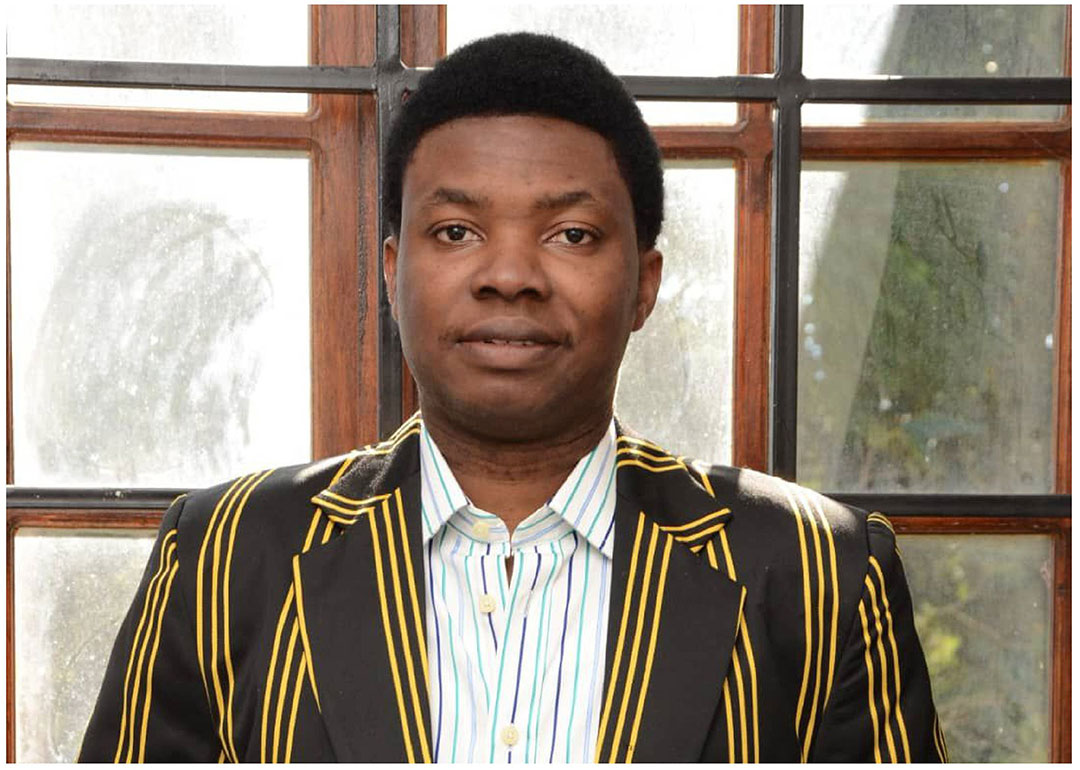
According to Associate Professor Olayinka Osuolale, an environmental management and toxicology expert at Elizade University, Ilara-Mokin, Ondo State, Lassa fever is increasingly being shaped by changes in the environment.
Credit: David Akinadewo-Adekahunsi
“Climate change does not act alone,” he explains. “Deforestation, urbanisation and agricultural expansion are bringing humans and infected rodents into closer contact.”
He says rainfall patterns are among the strongest environmental predictors of Lassa fever outbreaks. Moderate rainfall encourages vegetation growth and increases food availability for rodents, while flooding destroys burrows and drives infected animals into homes and food stores, increasing opportunities for transmission.
Osuolale believes climate forecasting should become part of Nigeria’s disease surveillance system, allowing health authorities to anticipate periods of increased risk and prepare hospitals, laboratories and response teams before outbreaks intensify.
His recommendations reflect the growing adoption of a One Health approach, which recognises that human, animal and environmental health are closely interconnected. Better housing, safer food storage, improved sanitation and effective waste management, he argues, are as important to preventing Lassa fever as clinical treatment.
New tools called for
Even with stronger surveillance and improved preparedness, experts agree that a long-term solution will require new, additional tools.
Several Lassa fever vaccine candidates are currently advancing through clinical development with support from the Coalition for Epidemic Preparedness Innovations (CEPI) and international research partners. Although no vaccine has yet been licensed for public use, researchers hope a successful candidate will eventually be able to protect health workers and people living in endemic communities.
Until then, early diagnosis, prompt treatment, robust surveillance and community engagement remain the most effective defences.
For Fatoyinbo, the lesson is deeply personal. Recovering from Lassa fever has transformed both his outlook and his sense of purpose. “I am grateful for life,” he says. “Every day I became stronger, I became more thankful.”
He now believes survivors have an important role to play in changing public perceptions of the disease. “People should not stigmatise anyone with Lassa fever,” he says. “Fear is one reason some people delay going to hospital. They need to know that recovery is possible if they seek help early.”
More from David Akinadewo-Adekahunsi