
The imams, priests and pastors helping to immunise Burundi’s most vulnerable
Whether Pentecostal, Catholic, Anglican or Muslim, these faith leaders believe saving children from disease is an act of faith.
- 18 November 2026
- 6 min read
- by Olivier Konan
In late 2025, in Cancuzo, eastern Burundi, the barriers to vaccination were piling up. Parents were forgetting appointments, or not returning after being turned away due to a stock-out at the health centre. Health centres were reporting increasing hesitation to vaccinate due to mistrust, fear or misconceptions about vaccines. In response, in December 2025, the Burundian civil society organisation RCBIF launched the Tubacandage Bose project, which means “let’s vaccinate them all” in Kirundi.
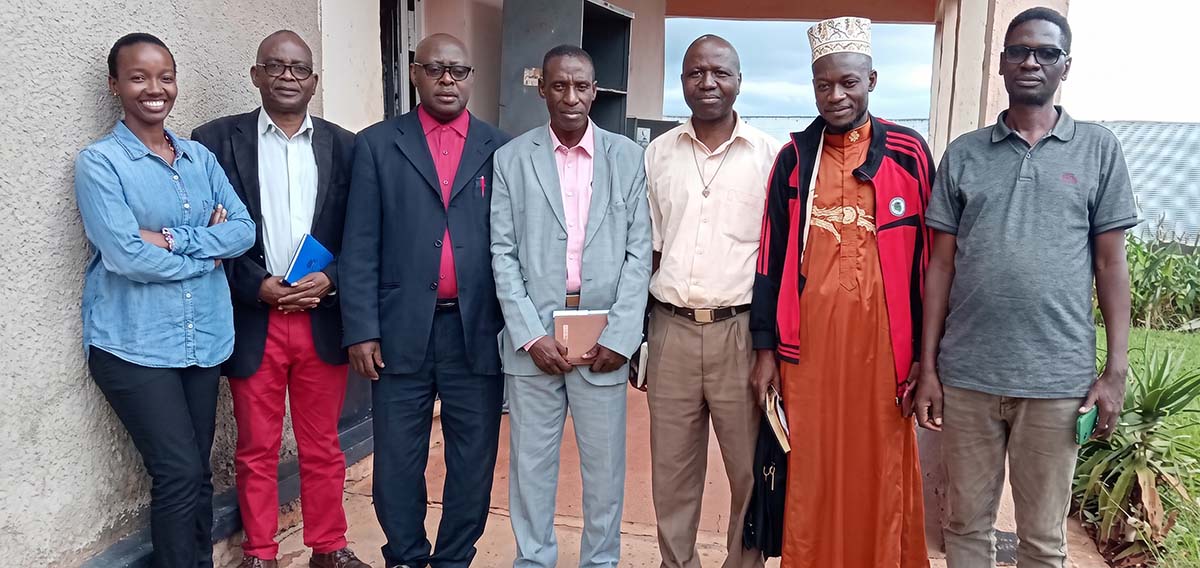
RCBIF, the Interfaith Network for the Promotion of Health and the Holistic Well-being of the Family, was founded in 2013. It brings together eight Catholic dioceses, nine Anglican dioceses, seven Pentecostal missions, and the Islamic Community of Burundi. Its provincial and zonal committees – called Ndemeshabuzima Committees – help to link communities, local governments and other structures to tackle public health challenges. They circulate information, facilitate mobilisation, and monitor activities and interventions alongside local authorities.
RCBIF’s unique structure and large footprint means it is able to reach some of the country’s most isolated families.
A mission of unity
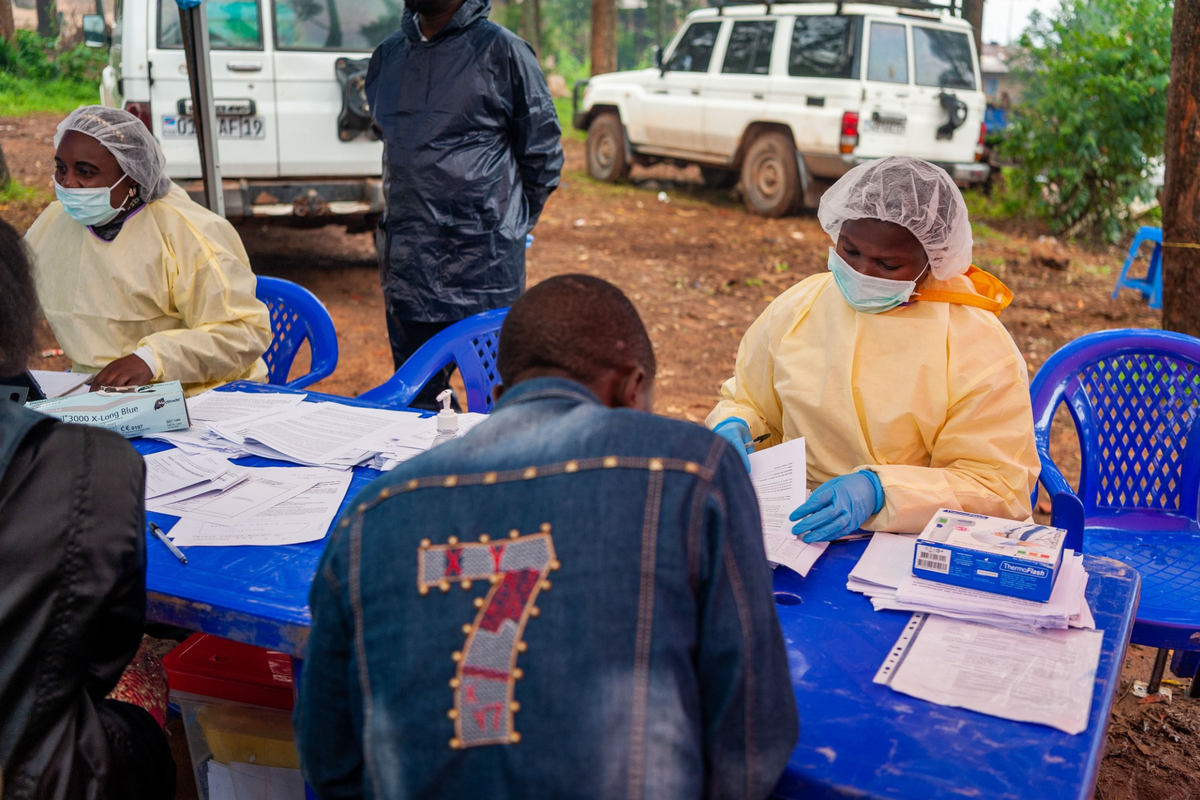
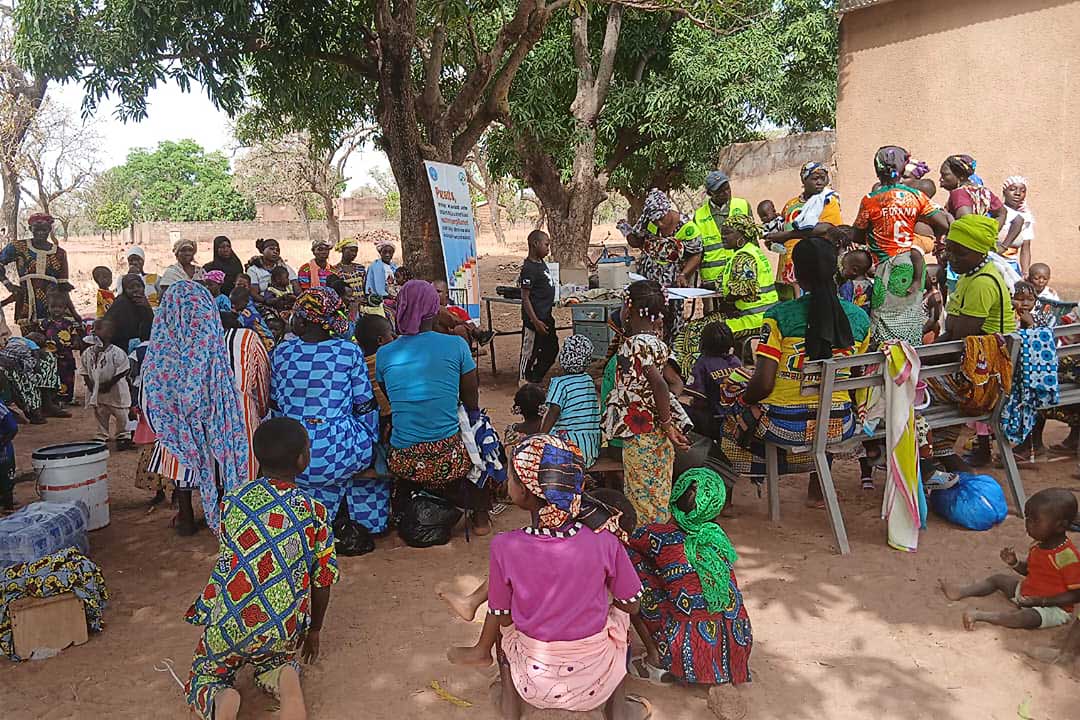
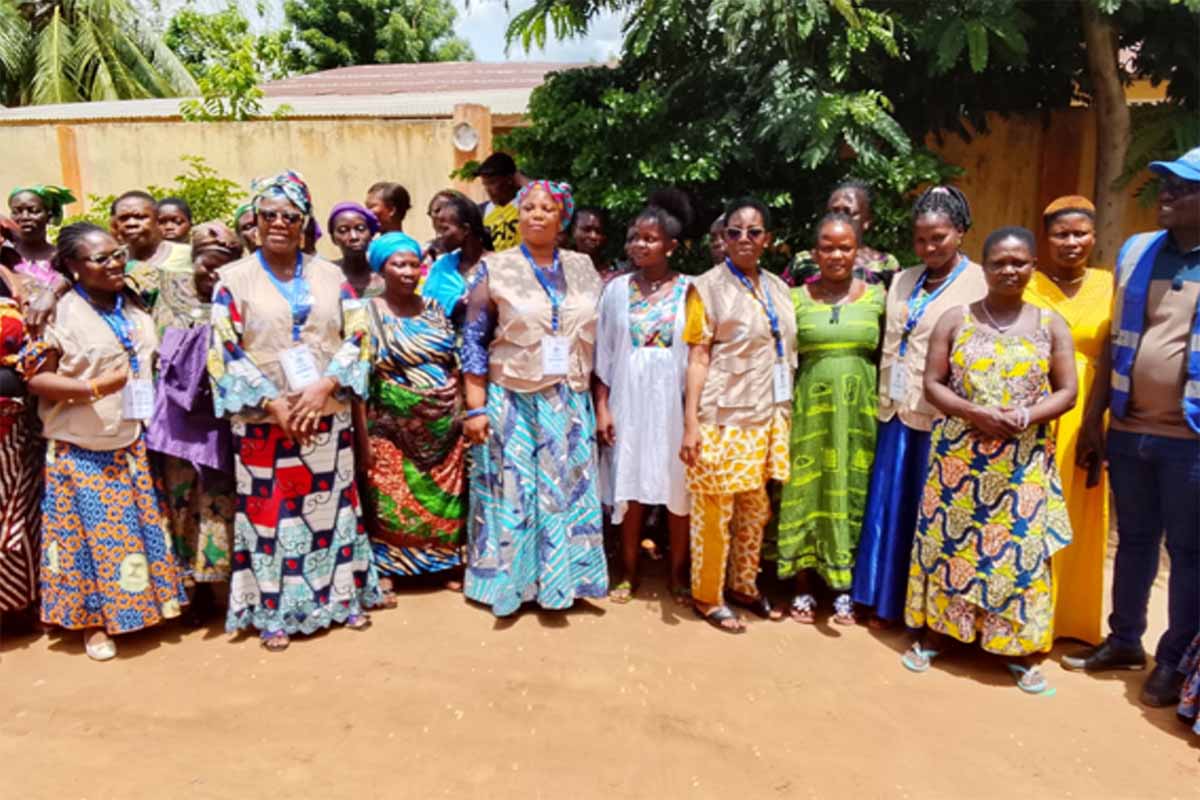
Between December 2025 and January 2026, RCBIF and the Expanded Programme on Immunization (EPI) brought together religious leaders, health centre staff, district medical officers, local and provincial authorities, and community radio stations from the regions of Muyinga, Cankuzo and Makamba. The aim was to teach them how best to talk about vaccination.
In a series of workshops, RCBIF’s message to religious leaders was clear: to use their teachings, their places of worship and their closeness to the congregation to raise awareness, reassure and mobilise in support of vaccination.
Where faith and vaccination meet
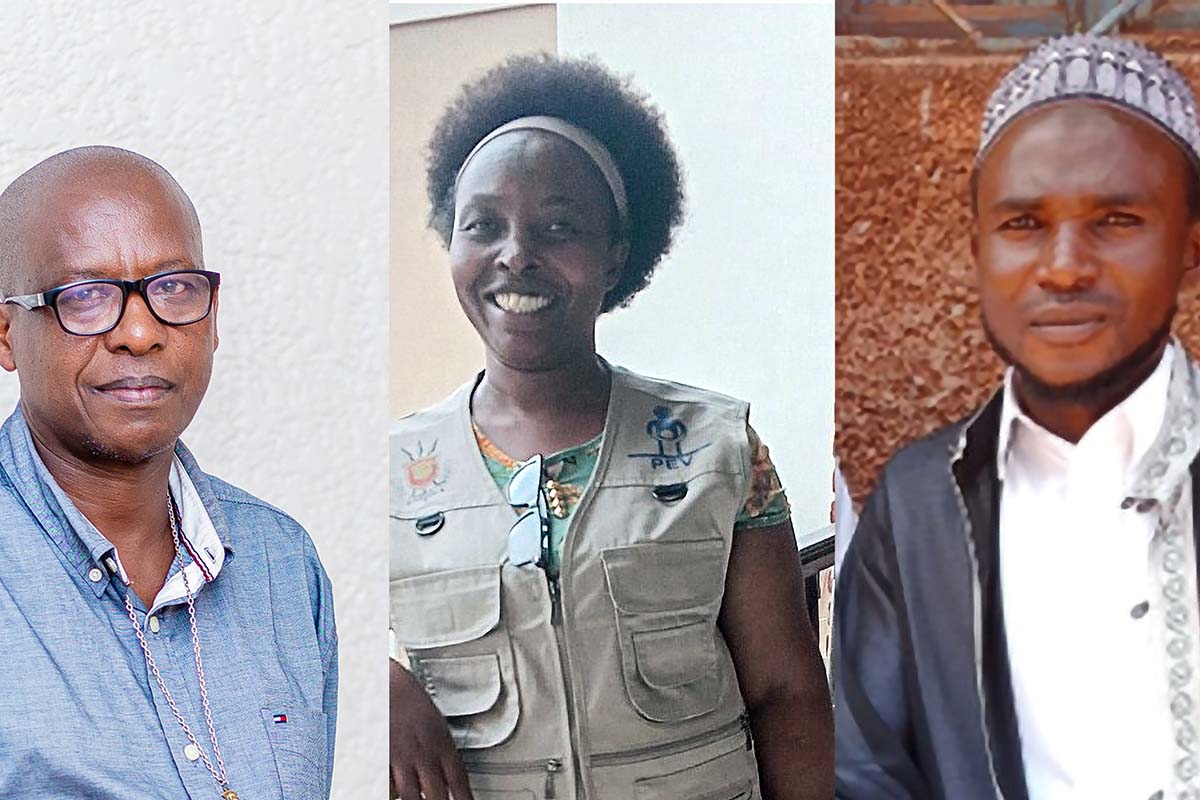
Father Aloys Cambara, a Catholic priest, chair of the Cankuzo Ndemeshabuzima and a local RCBIF representative, knows the power of a word that is truly heard.
“The Bible tells us that God wants us to live in good health”, says Father Cambara. “Saving a child from a preventable illness is an act of faith, responsibility and love for one’s neighbour.”
In parishes beyond Cankuzo, priests and Anglican pastors have begun talking to their congregations about the vaccination schedule. Father Désiré Nduwayo, leader of the Gitwengue Catholic parish in Buhumuza Province, explains how conversations about vaccination have been woven into preparation for baptism in his parish. “Baptism is an important milestone in Christian life. And in the preparation course we provide, we raise the subject of vaccination, both with young catechists and with the adult godparents who most often accompany them.”
Communities reached during the RCBIF-led intervention have also used the “Model Couple” approach to encourage other families to vaccinate their children fully and on time. Model Couples are couples from a church-going family who are well respected within their community and have chosen to vaccinate. Their real-life example helps other families to trust immunisation to protect their children.
“Their behaviour shows other families, in concrete terms, why it matters to keep every appointment and to keep vaccinations up to date,” said Oscar Mboneko, a Catholic in Buhumuza province.
The power of trusted voices
In Muslim communities, faith leaders raise the subject of vaccination follow-up during Friday prayers. In northern Burundi’s Muyinga Province, Imam Uwimana Moshi is a longstanding presence at the local mosque and is often called up to mediate disputes between husbands and wives.
“I take the opportunity to ask about the children’s vaccination status,” says Imam Moshi. “Often, vaccination becomes a unifying topic that leads both spouses to set aside their resentment and think together about the well-being of their children.”
RCBIF’s network of committed leaders has also helped to address acute fears about vaccines. During a campaign in the second quarter of 2026 to vaccinate girls aged 9 to 14 against cervical cancer, a frightened schoolgirl fled and looked for refuge in a church in the locality of Mabanda. Influenced by rumours she had heard, the girl was scared to be vaccinated.
Jeanine Misago, a community health worker and president of the community health workers’ association at the faith-based Mabanda health centre, sought the help of Pastor Désiré Nyandwi, who reassured the girl and helped to ease her fears.
From messages to vaccine follow-up
Since the Tubacandage Bose project was launched in December 2025, the implementation team of religious members from RCBIF has conducted monthly supportive supervision visits in health centres.
“Together with health workers, we review every shortcoming that could dampen communities’ interest in using these vaccination services. Religious leaders deliver the right messages and direct families to the right places,” explains Dr Chantal Bigendako, RCBIF field coordinator in the municipalities of Cankuzo and Gisagara, Buhumuza Province.
The mechanism is simple and effective. Community health workers conduct home visits to actively seek out zero-dose and under-immunised children. They raise parents’ awareness and then refer them to the health centre for catch-up sessions. Each child found is re-enrolled in the vaccination schedule, and their follow-up continues.
Have you read?
Trust measured one child at time
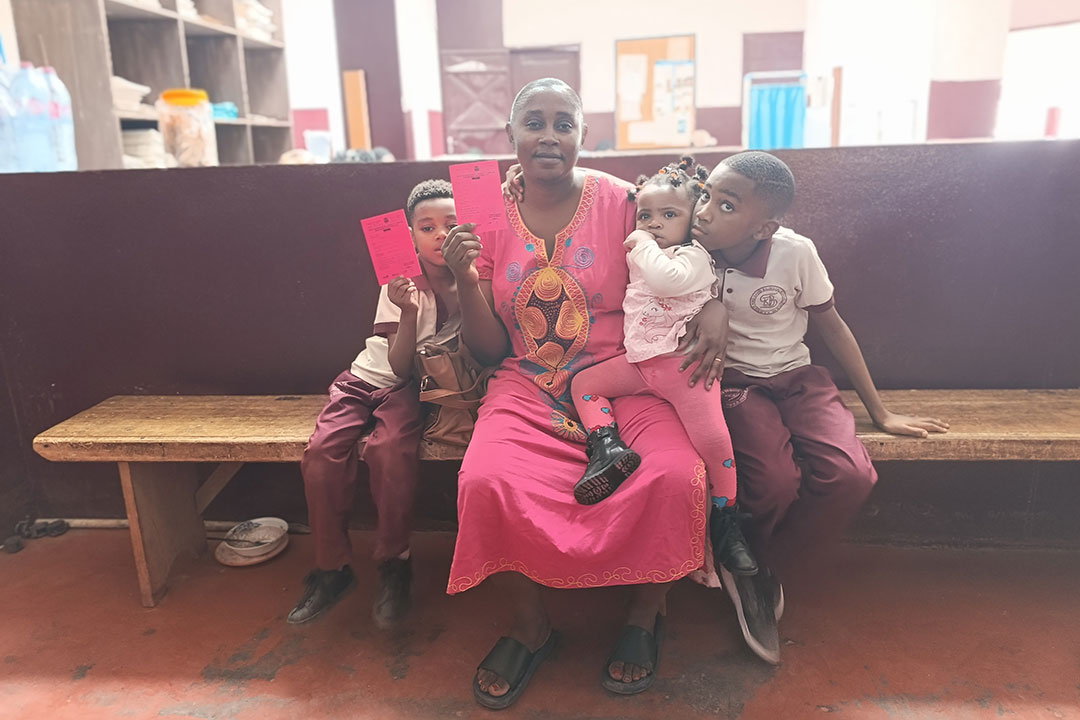
At the Kigwati Health Centre in Makamba, southern Burundi, active case-finding like this made it possible to catch up at least 15 children who had missed out on recommended doses. Some had been found at home and then referred to the centre.
From January to June 2026, 18 community awareness activities identified and vaccinated 1,209 zero-dose children and 1,114 under-immunised children across Burundi’s ten health districts.
These results are a proof-point for bringing religious leaders with and community actors together in the service of public health. When parents hesitate, messages heard in churches or mosques can encourage them to seek advice. When a child misses a dose, trusted community networks remind families to continue the vaccine schedule and direct them to the health centre.
Father Cambara has seen what can be achieved. "Protecting a child today means giving them a chance to grow up healthy and build their future,” he says.
How is Gavi helping?
To help increase immunisation coverage in lower-income countries, Gavi has launched a series of funding opportunities for civil society organisations (CSOs) to deliver projects targeting zero-dose children and under-immunised communities via its CSO Fund Manager.
MannionDaniels, a global health and social development consultancy working in a consortium with Oxford Policy Management (OPM), currently fulfils this role, providing end-to-end grant management services.
In Burundi, the Interfaith Network for the Promotion of Health and the Holistic Well-being of the Family (RCBIF) launched the Tubacandage Bose project in December 2025, which works with religious leaders, community health workers, and the Expanded Programme on Immunization to reach zero-dose and under-immunised children.
More from Olivier Konan
Recommended for you