
As mosquito populations grow, Nigeria confronts a swelling dengue threat
Often mistaken for malaria or other febrile illnesses, dengue may be flying under the radar – but cases are increasing across the country.
- 25 February 2026
- 5 min read
- by David Akinadewo-Adekahunsi
At a glance
- Dengue was first isolated in Nigeria in 1960, but in recent years, incidence has risen dramatically.
- Urbanisation and climate change are making the optimal breeding conditions for the Aedes aegypti mosquitoes more widespread, with states as different as Sokoto and Ondo adopting heightened prevention plans.
- Health workers caution that arming people with clear information is key to side-stepping panic and getting viral spread under control.
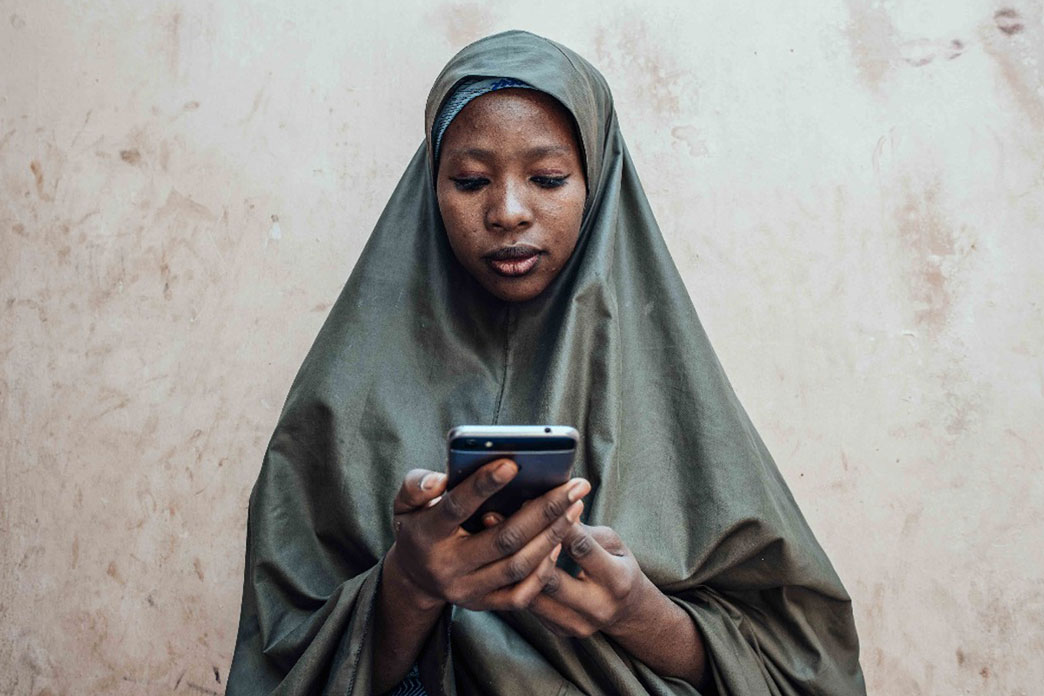
When Mariam Issah developed a persistent fever, rash and body pains in May 2025, her family assumed it was malaria or typhoid – the two illnesses most commonly associated with fever in Sokoto, northern Nigeria, where Issah lives. She took antimalarial medication and received intravenous treatment, but her condition did not improve.
Further tests at a general hospital later confirmed dengue fever.
“I was frightened when they told me,” she recalls. “I had lost weight, the headaches were intense and I could not sleep. I did not know how I got it.”
While dengue remains under-recognised in Nigeria, health experts warn it is no longer rare.
Her case reflects a wider reality facing Nigeria: dengue is present, but often hidden – misdiagnosed, under-reported and overshadowed by more familiar febrile diseases.
Health authorities in both Ondo and Sokoto states – two regions that have recorded surveillance alerts, suspected cases and also undergone heightened preparedness activities in recent years – say the threat is becoming more visible as climate shifts and urbanisation reshape mosquito habitats.
A disease long present, but rarely recognised
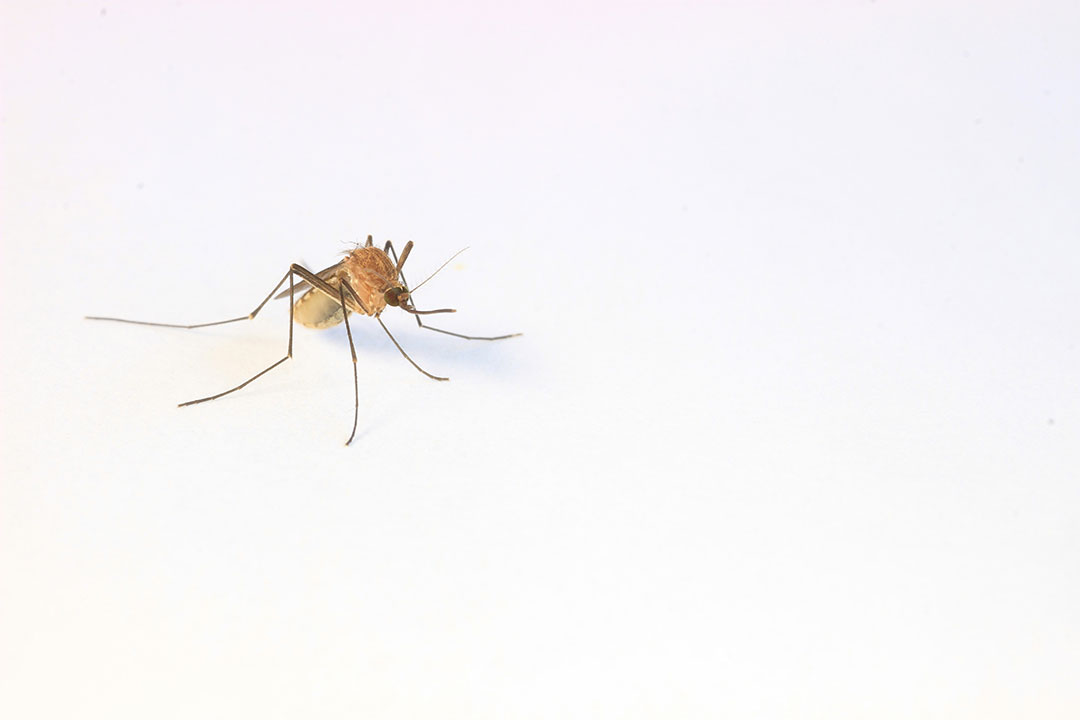
Dengue is transmitted by the bite of infected Aedes aegypti mosquitoes, which thrive in urban environments and bite mainly during daylight hours.
The virus is not new to Nigeria. It was first isolated in Ibadan in 1960, but has since remained largely under-recognised, partly because its symptoms – high fever, severe headache, joint and muscle pain, nausea and rash – closely resemble malaria and typhoid.
Where laboratory testing is limited, clinicians often rely on symptom-based diagnosis, increasing the likelihood of misclassification.
Globally, the burden is substantial. The World Health Organization (WHO) estimates that around 390 million dengue infections occur annually, with about 96 million resulting in clinical illness.
In Africa, reported dengue infections have risen sharply in recent years. Compared with 2019, cases surged nearly nine-fold by December 2023, with more than 270,000 infections and over 700 deaths recorded across multiple African Union member states. Public health experts say the increase reflects both improved detection and expanding mosquito habitats.
Why Ondo and Sokoto matter
Ondo State represents a southern ecological zone experiencing rapid urban expansion and shifting rainfall patterns, while Sokoto reflects northern vulnerabilities linked to rising temperatures, water storage practices and evolving disease surveillance.
Together, the two states illustrate how dengue risk is emerging across different climatic and geographic contexts in Nigeria.
Have you read?
In Ondo, the Commissioner for Health, Dr Banji Ajaka, said the state had strengthened disease surveillance systems, improved reporting from health facilities and trained frontline workers to recognise Dengue-like symptoms earlier.

In Sokoto, surveillance intensified after clusters of fever cases resembling severe malaria were reported in Sokoto North and Sokoto South local government areas in 2025. The Commissioner for Health, Dr Faruk Umar Abubakar, directed clinicians to screen persistent fever cases for dengue, particularly when malaria tests returned negative.
Climate change and mosquito expansion
Researchers link the growing risk to environmental change.
Dr Akinlolu Fawehinmi, Director of Research at the Nigeria College of Natural Medicine Technology, says rising temperatures and shifting rainfall patterns are reshaping mosquito ecology.
“Warmer temperatures accelerate mosquito breeding and shorten their life cycle,” he explains. “Combined with urbanisation, poor drainage and water storage practices, this creates ideal conditions for Aedes mosquitoes.”
He notes that both heavy rainfall and drought can increase breeding. Flooding leaves stagnant pools, while drought pushes households to store water in uncovered containers.
“These environmental signals – temperature rise, flooding, humidity and unplanned urban growth – are clear indicators of increased dengue risk,” he says.
Neighbouring outbreaks heighten vigilance
Concern intensified after a confirmed dengue outbreak in neighbouring Edo State in 2025, where 86 cases were reported across several local government areas.
The response involved state health authorities and national disease surveillance teams, prompting neighbouring states, including Ondo, to activate preparedness measures. Emergency response centres were placed on alert, while sanitation campaigns were expanded to reduce mosquito breeding sites.
Clear guidance without panic
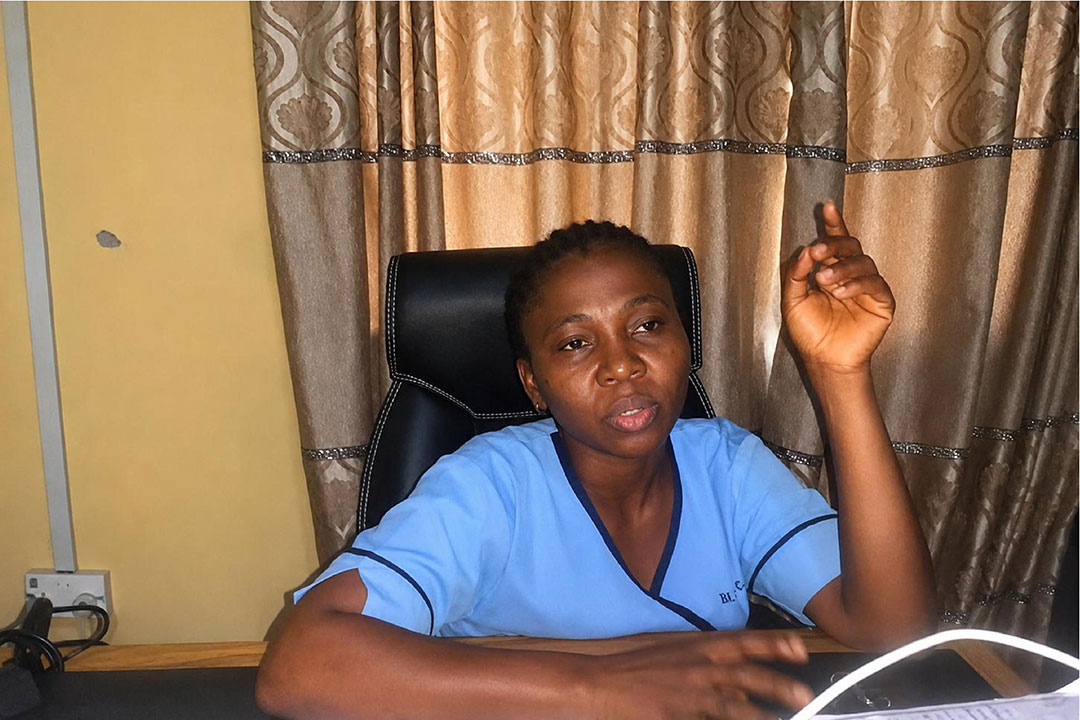
Frontline health workers say public awareness is essential to prevention.
Sayfullahi Wurno, a nurse at Tahir Medical Centre in Achida, Sokoto State, explains that dengue spreads through mosquito bites, not person-to-person contact. “When people understand this, they are less afraid and more willing to take preventive steps,” he says.
He notes that many infections are mild, but severe and even fatal cases can develop, particularly as fever subsides, making proper hospital care critical.
Avoiding mosquito bites remains the most effective protection. Measures include repellents, protective clothing, screened windows and eliminating stagnant water.
During the Sokoto surveillance alert, health authorities instructed hospitals to report suspected cases promptly, strengthen infection control and collaborate with communities to eliminate mosquito breeding sites.
Clinicians were also advised to avoid certain anti-inflammatory drugs that may increase bleeding risk in suspected dengue cases and to prioritise supportive care.
Health officials urged rapid reporting of unusual fever clusters and unexplained deaths, emphasising that early detection remains critical to containment.
Globally, prevention strategies are evolving. Two dengue vaccines have received WHO prequalification, and Gavi, the Vaccine Alliance has approved expanding its vaccine portfolio to support dengue programmes. However, experts say making widespread immunisation available in Nigeria will depend on the availability of robust surveillance data, policy buy-in and sustainable funding.
Until then, vector control and community awareness remain the primary defence.
A quiet but growing threat
While dengue remains under-recognised in Nigeria, health experts warn it is no longer rare.
The experiences of states like Ondo and Sokoto suggest that preparedness, not panic, is key. For now, everyday actions may shape the trajectory: clearing stagnant water, recognising symptoms early and strengthening surveillance.
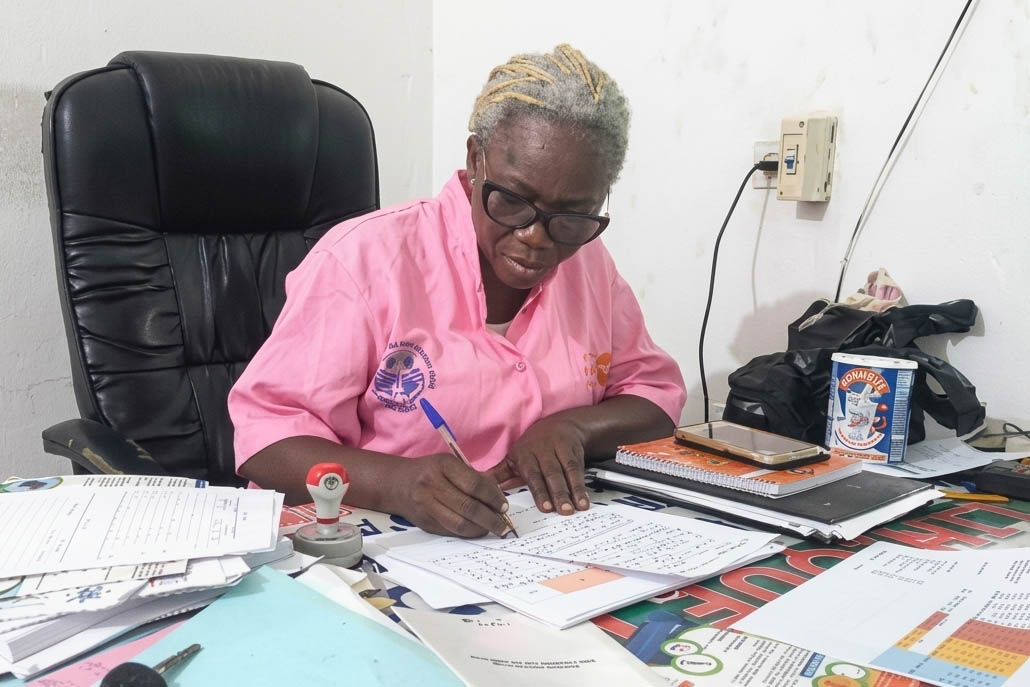
As Adenike Oguntola, a health worker observed, dengue is not yet a national emergency, but ignoring it could allow it to become one.
More from David Akinadewo-Adekahunsi