
Infodemics not epidemics: inside the Kenyan Health Ministry team fighting vaccine misinformation
A network of scientists, public health officials, community health promoters and influencers has been developing strategies to curb misinformation since the early 2010s.
- 19 June 2026
- 7 min read
- by Pauline Achieng Tom
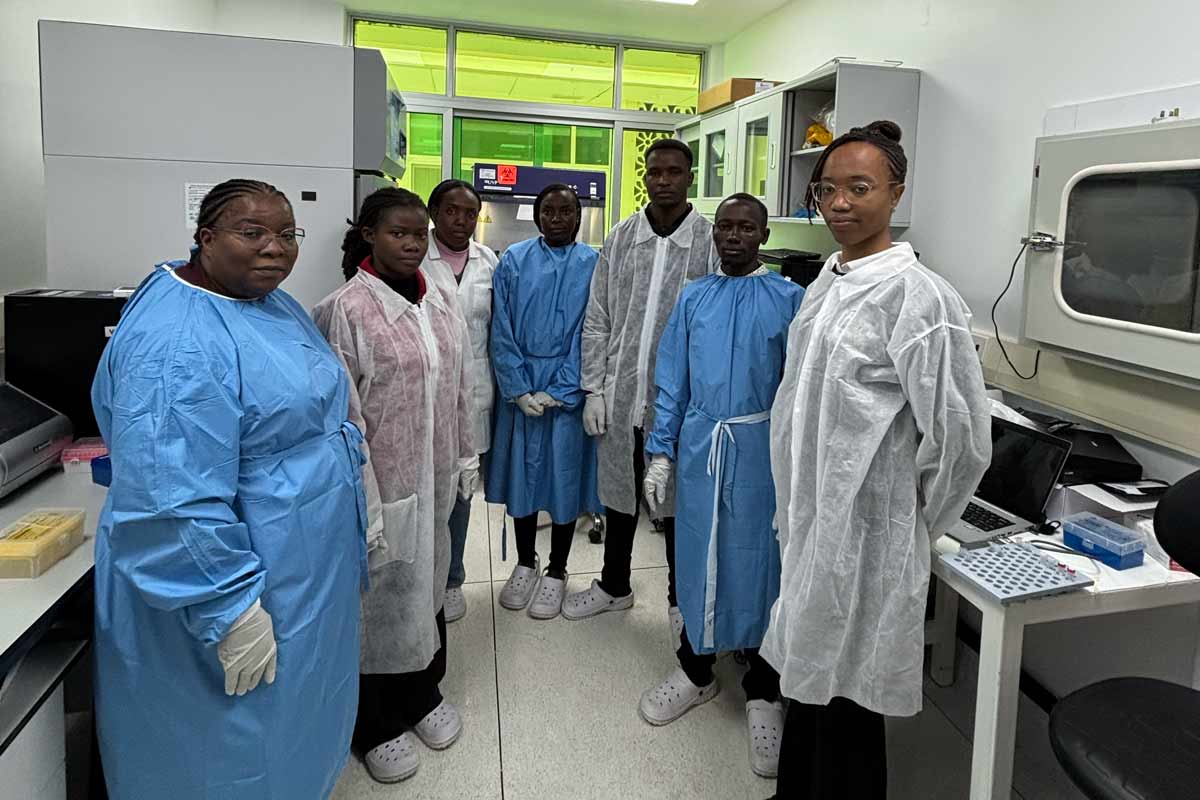
Inside the Polio Laboratory at the Kenya Medical Research Institute (KEMRI) in Nairobi, Joanne Hassan’s day job is to sort out virus samples and review results. As a microbiologist and the technical head of the Essential Programme on Immunization (EPI), she works with other scientists and researchers on surveillance, keeping vaccine preventable diseases at bay.
Her work forms a core part of Kenya’s fight against infectious disease. However, some of her toughest battles have taken place not in the lab, but on social media parenting groups.
“There’s fire”
In 2007 when Hassan became a new mother, she set out looking for a community, and found it on Facebook, where thousands of other mothers convened to share parenting tips.
Then she began noticing a different kind of conversation. She saw posts questioning vaccines and alleging vaccine-linked reactions, others raising concerns over the frequent immunisation campaigns.
“You realise, oh, there’s fire in your [Facebook] group and the origin of the fire is coming from your work, and you are in the best position to explain whatever is going on.”
It started small: Hassan, alone on her computer, educating fellow group members by responding to questions.
What started as a personal effort has grown to keep pace with a pressing, and growing, problem that’s confronting Kenya’s health system: how to stop misinformation from undermining decades of progress in immunisation.
Today, that challenge is tackled by a little-known network within the Ministry of Health known informally as the Incidents and Rumours Team.
Origin story
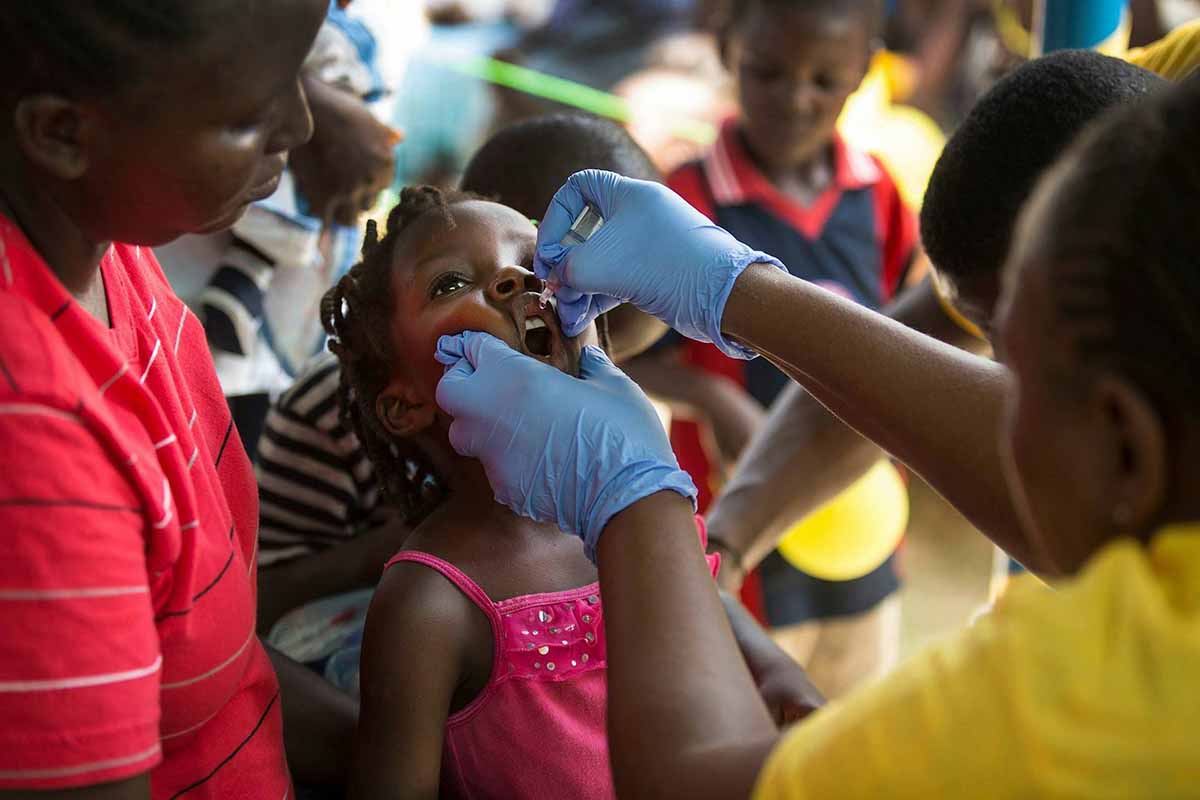
The origins of the team can be traced to the early 2010s, when repeated polio outbreaks in neighbouring countries including Uganda and Somalia, prompted Kenya to conduct frequent supplementary immunisation campaigns, particularly in the vulnerable border counties.
“We had a total of nine campaigns. It felt like almost every month there was a vaccination campaign, and because Nairobi is a central county that everyone comes to, it always had to be included,” Hassan explained.
That caused a kind of fatigue among parents, and where communication gaps had been allowed to open, suspicion seemed to flow in.
“This made us form a team within the people who are doing the response. The response involves the lab team at KEMRI, and a surveillance team at the Ministry of Health.”
It would become the Incidents and Rumours team, sometimes also called the Social Listening and Rumour Management team. Initially a loose working group of scientists and public health officials who addressed rumours as they came, it has become a more regular, coordinated network with proper escalation systems.
“This team is crucial in not only answering the questions, but also in [addressing] assumptions that are around vaccines.”
That problem has been particularly visible during the rollout of the human papillomavirus (HPV) vaccine, which protects against cervical cancer.
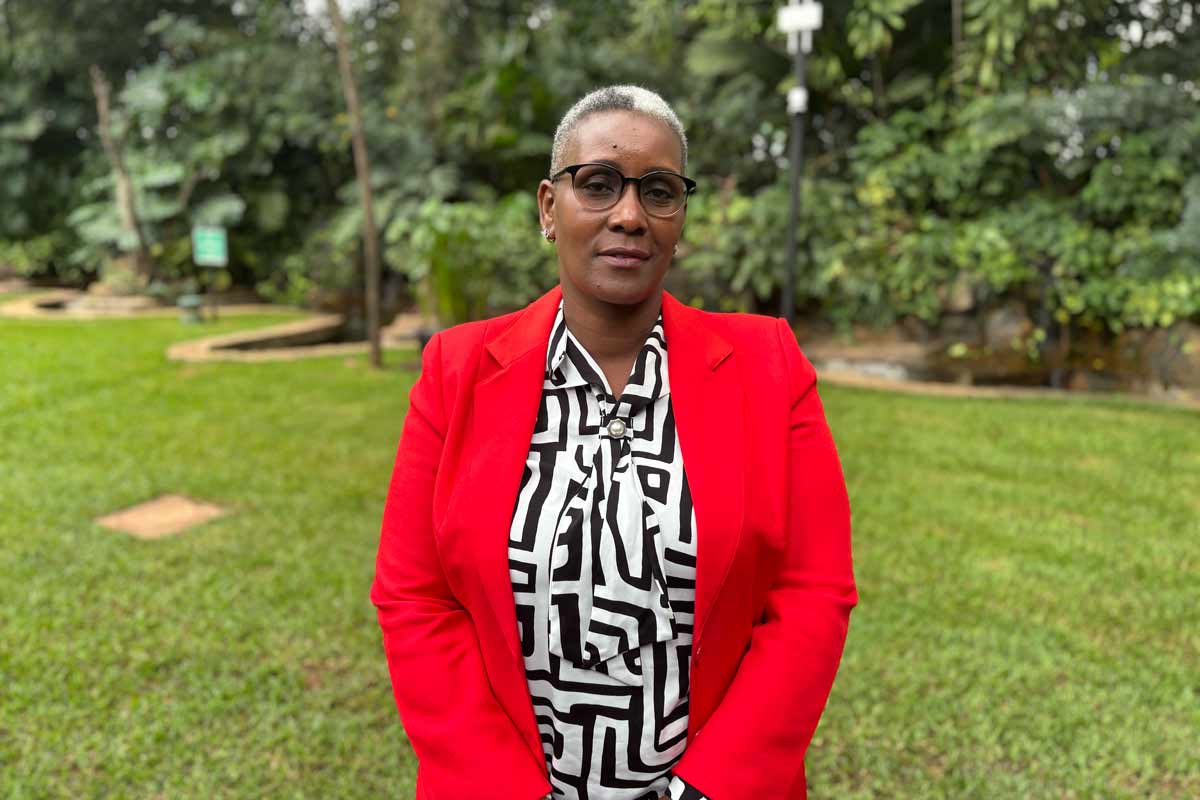
According to Christine Miano, who leads social and behaviour change communication at National Vaccines and Immunization Programme (NVIP), routine immunisations that target infants typically have a good uptake. The struggle comes in with adolescent and adult vaccinations.
That the HPV target group was girls aged between 9 and 14 years, she says, turned out to make that vaccination programme fertile ground for misinformation, particularly around reproductive health.
“We had very low uptake of the HPV vaccine despite the [high] burden of cervical cancer. This was heavily influenced by misinformation and rumours. We realised that this was because there was an information gap, and people turned online to find answers.”
Lessons from COVID-19
The pandemic proved to be a turning point. This was the first time the team encountered misinformation, driven by technology and social media, at a scale great enough to qualify as what Miano calls an “infodemic”. She explains the term as a situation in which false information moves faster and farther than the facts.
“Technology has changed how people access information. Today, many people search online before consulting a health professional,” she said, “We realised that most individuals do not refuse vaccines because they are opposed to them; often, there is simply a gap in knowledge.”
It is through these lessons that they learnt that timeliness is critical. Information must be shared quickly, clearly and transparently.
“Equally important is listening to people’s concerns: this allows us to understand what people are worried about and respond appropriately,” Miano added.
How it works
From the perspective of the Incidents and Rumours team, an immunisation campaign is not just a biomedical and logistical project, but a communication event that requires its own crisis plan.
“For us, misinformation and vaccine hesitancy constitute a crisis, because they directly affect vaccine uptake and public health outcomes,” Miano said.
Over the years, the team has grown to include a diverse cast of stakeholders from researchers and influencers, to faith leaders and international partners like WHO, Gavi, UNICEF and civil society organisations.
The team continues to draw on scientists like Hassan to provide evidence-based information that can shape counter-messaging. Meanwhile, religious leaders and influential figures from within communities open new access routes, helping to channel that information to pockets of people that may distrust official channels.
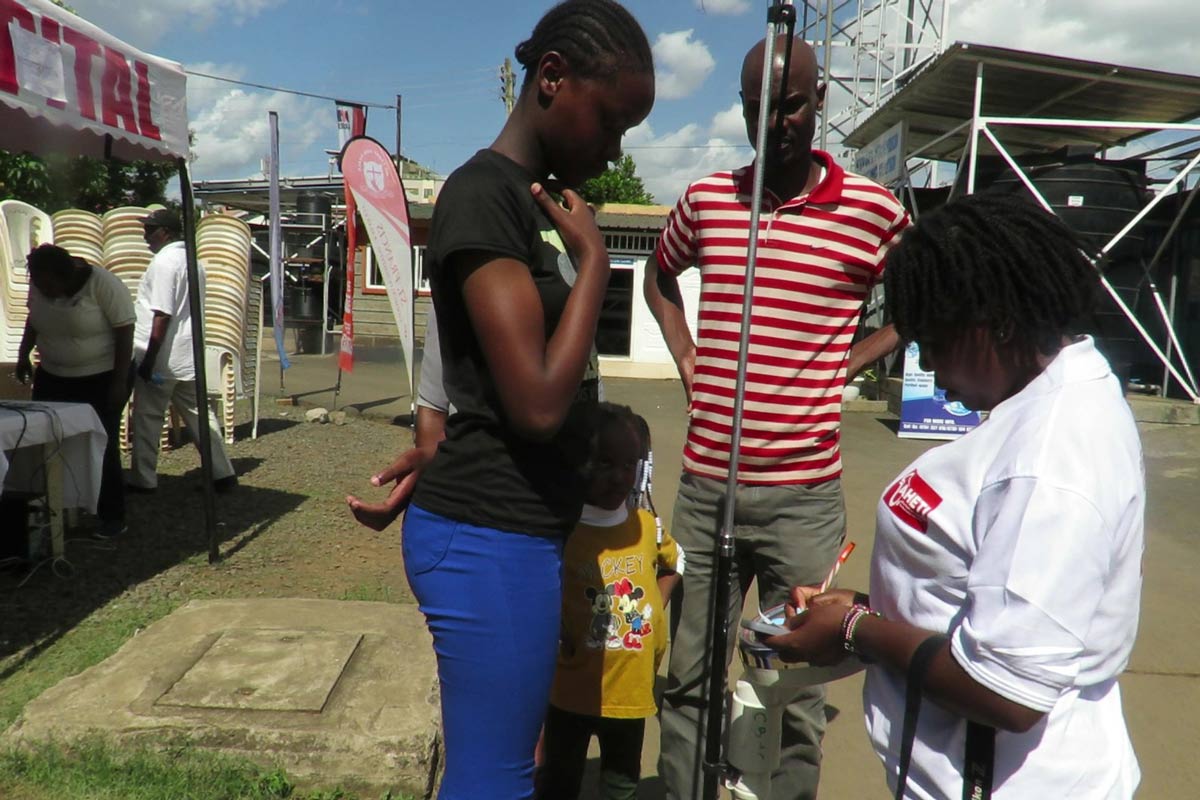
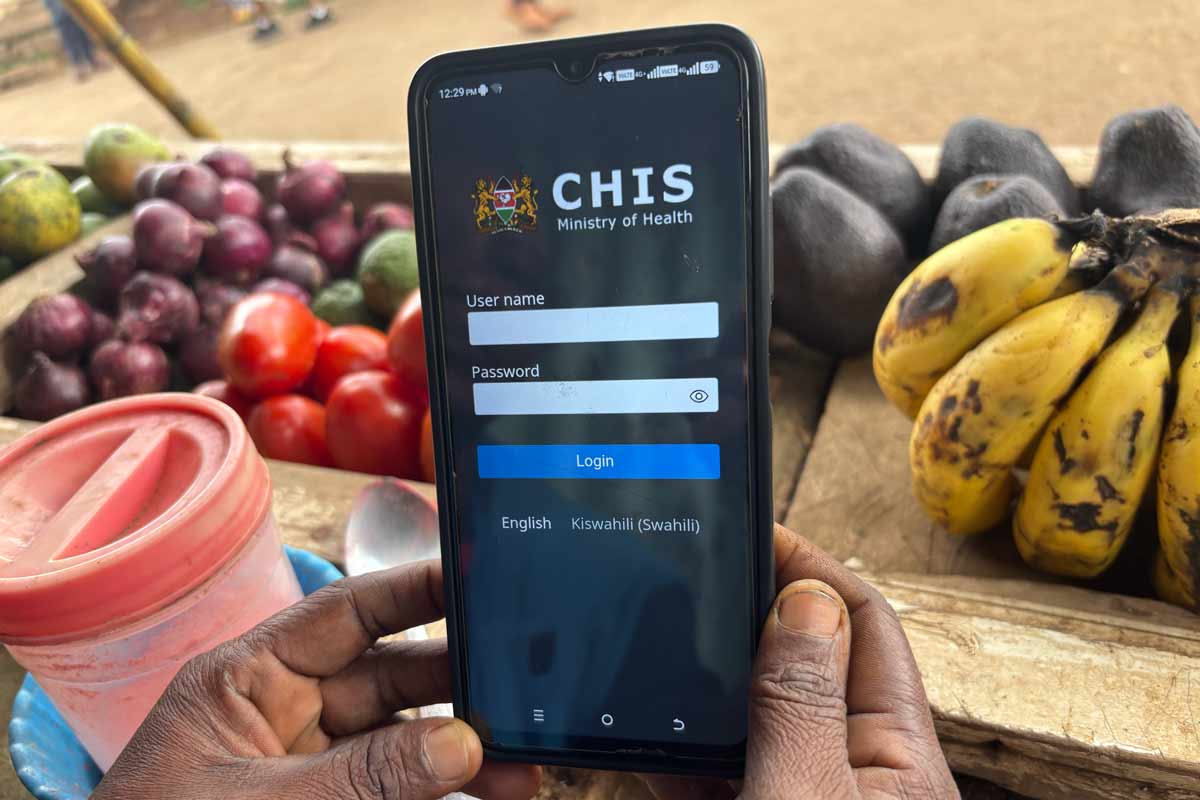
The team works through different tiers of the government, from national level to the county and community level, where it relies on community health promoters (CHPs). These grassroots workers are equipped with government-issued phones containing the electronic Community Health Information System (eCHIS) and M-dharura mobile apps, on which they are able to track and log incidents.
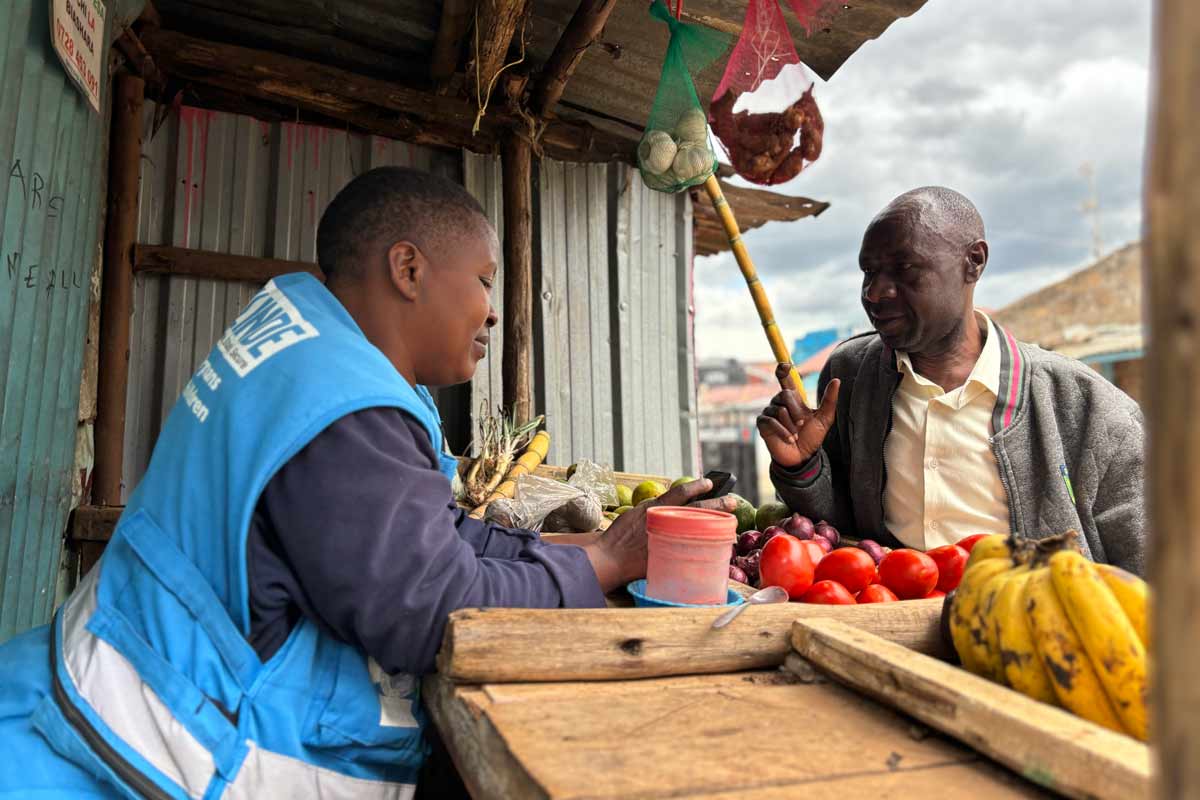
In Nairobi’s Makina neighbourhood, Josephine Oguta, a CHP, has seen first-hand how damaging rumours can be. In one incident, she says a mother claimed that her child had died after vaccination. An investigation revealed that the child had been fatally ill independently of immunisation – but by the time the facts were established, the rumour had already spread.
“They spread through social media, especially Facebook, and then you find mothers refusing vaccines for their children because of what they saw online,” Oguta said.
One such parent is Lucy Muthanje, a kiosk owner in Oguta’s area. Muthanje admits that, at first, she was very harsh with the CHPs and health workers who came to vaccinate her now six-year-old last year.
“I chased them away bitterly, I told them to bring the police if they dared. After the stories I heard on social media, I was afraid that they were going to hurt my child.”
Her older daughter had had a reaction that included a high fever and restlessness after a routine immunisation, and so stories online found an anxious, doubting soil in which to plant their seed. It took extensive discussion with health workers and CHPs for her to understand that such reactions can be normal before she agreed to vaccinate her child.
Tracking rumours in real time
At the central level, the Ministry has set up structures to track misinformation and incidents before and during immunisation campaigns using digital tools. The most frequently articulated concerns are then used to inform both messaging and the channels along which those messages are disseminated.
Through the Vaccines Kenya social media channels, health officials push out factual information, videos, webinars and human-interest stories.
“We have also recruited and trained influencers from all the 47 counties to share accurate vaccine information with their followers and fill in the information gap,” Miano says.
The Ministry also routinely holds live discussions on X Spaces, with the popular ‘ask DG’ live discussion, where people can bring up their concerns directly to the Director General of Health, Dr Patrick Amoth.
“People are looking for answers,” Miano says. “If we don't provide them, someone else will.”
The next challenge: AI
Now, a new concern is emerging – artificial intelligence (AI).
“AI-generated misinformation and deepfakes are a growing concern because they can make false information appear more believable,” says Miano.
Kenya’s legal framework is yet to catch up. The Computer Misuse and Cybercrime (Amendment) signed in October of 2025 explicitly mentions AI as an emerging threat but stops short of actually regulating AI use. That’s a gap that the team operates in, however, according to Miano, they are working with stakeholders to change that.
“We are working with our partners to come up with regulations around AI so that we can ensure that this does not hurt the progress made, and endanger public health,” Miano said.
In laboratories, offices, communities and on social media channels across the country this little-known team is working to tamp down the threat of myth and misinformation before it can derail epochal progress.
The people involved have faith in their project. “Because of vaccines, you will one day find a generation that does not know what it means to have polio,” Hassan promises.
More from Pauline Achieng Tom