
Uncondemned: caring for the children growing up in Kenyan prisons
Children living with their mothers in Kenya’s correctional facilities have an equal right to care. The country is working on making sure the infrastructure matches the principle.
- 29 July 2026
- 5 min read
- by Gitonga Njeru
At a glance
- At any time, about 300 children under age four are living with their incarcerated mothers in Kenyan prisons.
- In the past, those children risked missing out on the immunisations that are, if anything, more critical in those crowded and often unsanitary conditions, because getting vaccinated required a medical excursion to a clinic beyond the walls.
- That’s changing, as Kenya invests more in mainstreaming maternal and child healthcare within prisons, and making sure facilities are equipped to deliver childhood vaccines.
Under Kenyan law, mothers serving custodial sentences are permitted to keep their children with them until age four. About 300 children are living with their mothers in Kenyan prisons, down from about 600 in the run-up to the COVID-19 pandemic, which thinned out incarcerated populations generally.
Prison is a challenging place to raise a child in good health. According to a 2023 report on Kenyan prison nurseries compiled by the US-based Children of Incarcerated Caregivers network, respiratory infections circulate frequently and soap in cells is often short. According to a 2016 research paper, only about half of Kenyan children living with their incarcerated mothers received acceptable levels of nutrition.
In these conditions, vaccination is critical. “A single unvaccinated child can increase the risk of disease transmission in a crowded prison setting,” said Dr Francis Mungai, an epidemiologist and former Kenya Prisons Service health expert. “Before on-site immunisation services, logistical challenges sometimes caused children to miss scheduled doses.”
As recently as eight years ago, getting penitentiary-dwelling children immunised typically required what veterans of the system described in interviews as “medical safaris” – scheduled trips outside prison walls.
Excursions like these were vulnerable to cancellation, being subject to transport availability, security requirements and competing priorities.
That’s changing. “Health services have greatly improved in Kenyan prisons,” Mungai said. Two of the country’s largest women’s facilities serve as examples.
Nairobi’s Lang’ata Women’s Prison, Kenya’s only maximum security facility for female offenders, has a maternal and child health clinic within the walls, and Mombasa’s Shimo La Tewa Women’s Prison’s on-site clinic is listed in the Ministry of Health’s official facility registry as a level 3 government-run clinic. Both are operated in partnership between the Ministry of Health and the Kenya Prisons Service.
“By integrating [these children] into routine health services, we are protecting both their health and the wider community,” says Elizabeth Ndunge, a public health consultant who has worked on imprisoned populations.
Mainstreaming healthcare for kids behind bars
The improvement isn’t incidental. Four years ago, the Kenya Prisons Service, working with the Ministry of Interior and partly funded by the Africa Early Childhood Network, launched a national policy on the care of children of incarcerated mothers. This was the first framework of its kind in Kenya.
Among its provisions were guaranteed access to health services for pregnant and nursing mothers and their infants, 24 hours a day.
The policy also calls for standardised psychosocial support, nutrition programmes, and reintegration planning for children leaving custody with or without their mothers.
“Our primary objective was to eliminate the physical and logistical barriers that brought vaccination challenges such as shortage of transport outside the facility,“ said Dr Ndunge, who consulted on institutional healthcare reforms.
Every child born or admitted to the facilities is now entered into the Ministry of Health’s electronic system, the Kenya Health Information System (KHIS), and is issued a Mother-and-Child Health booklet – the same record used for children outside of prison.
“By treating the prison nursery as a formal community health outreach site, the Ministry of Health has been able to absorb these children into KHIS,“ Ndunge said. “Their vaccination milestones are tracked with the exact same rigour as a child visiting a premier public hospital,” she added.
Dr Irene Gacheri, a forensic nurse and assistant professor at Aga Khan University who has worked at both Lang’ata and Shimo La Tewa two facilities, reflected on the change of the last several years.
“In previous years, keeping track of default rates was an administrative nightmare because we relied entirely on external escorts to take mothers to outside dispensaries,” Gacheri said. Parental refusal has never been the issue inside the prison walls – logistics were.
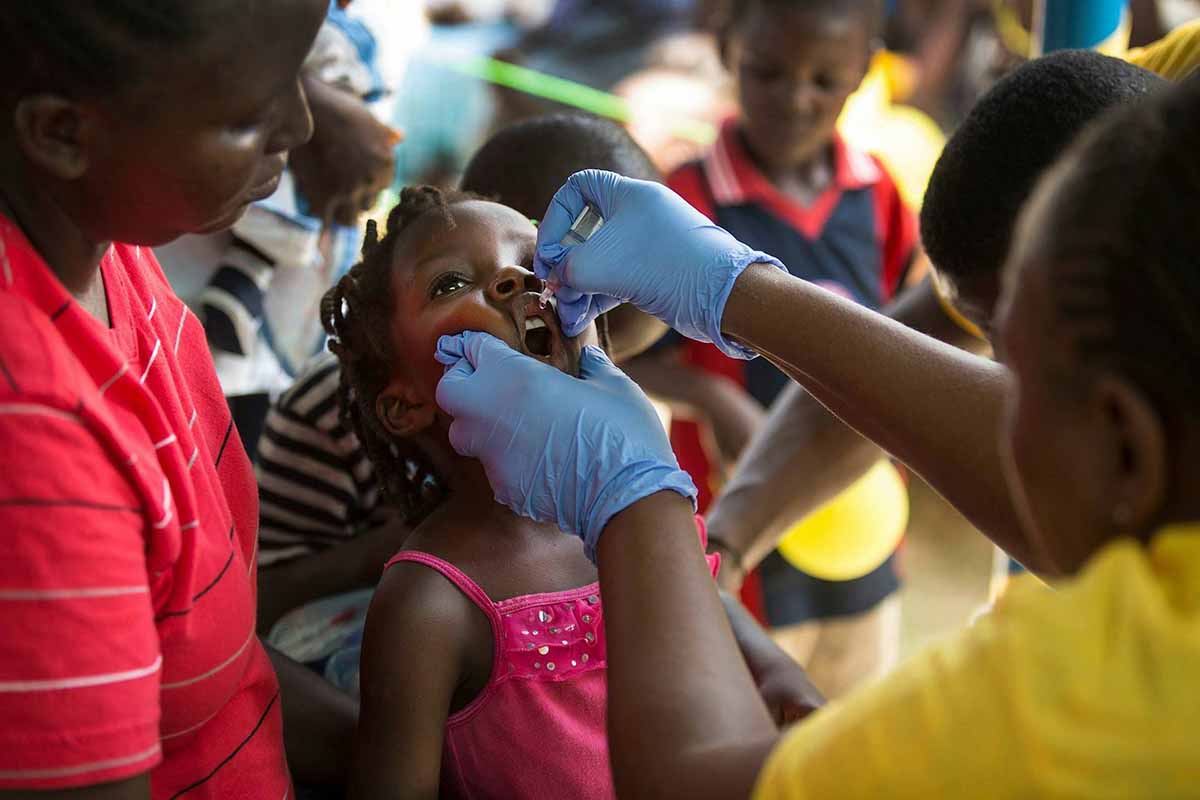
“Now, with a dedicated vaccine schedule and cold chain infrastructure inside the facilities, we run immunisations every Thursday. The mothers are right here, the babies are right here,” Gacheri added.
“We don’t just vaccinate – we also provide nutrition monitoring and vitamin A supplementation,” she said.
Have you read?
Fragile start
Josephine Katuve’s now four-year-old daughter received most of her routine vaccines at Lang’ata clinic while she served a one-year sentence related to bank fraud.
“When I was first remanded, my biggest fear wasn’t my sentence, it was the health of my daughter,” Katuve said.
“The nurses were attentive. They explained the vaccine timeline clearly and made sure she received her shots right on time,” she told VaccinesWork.
Katuve, who has since been released, said prison health staff were also on the lookout for any potential outbreak risk within the shared living quarters.
“The easy thing is that my daughter’s records were transferred after my release into the mainstream health services. These extended records help [me keep up] with booster shots for my child,” said Katuve.
Protection on the inside
Mary Muthoni, Principal Secretary in the Ministry of Health, described the model as a collaboration across three institutions.
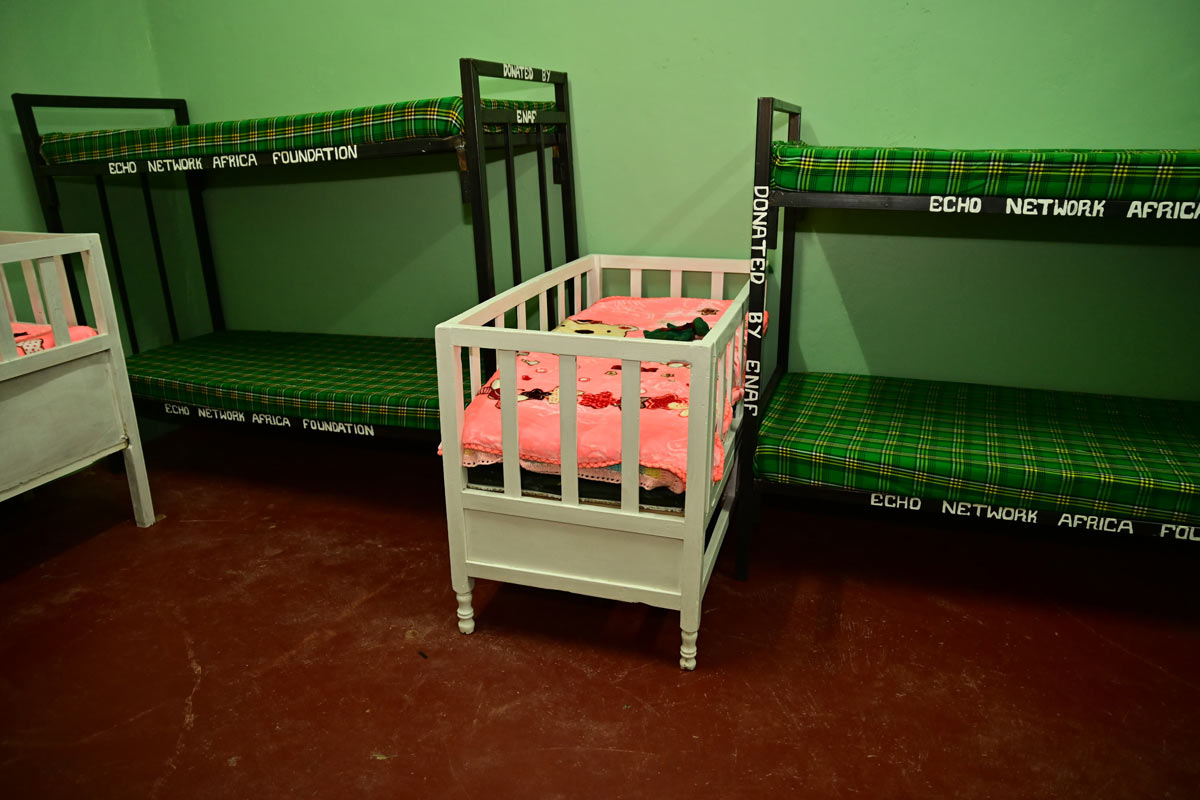
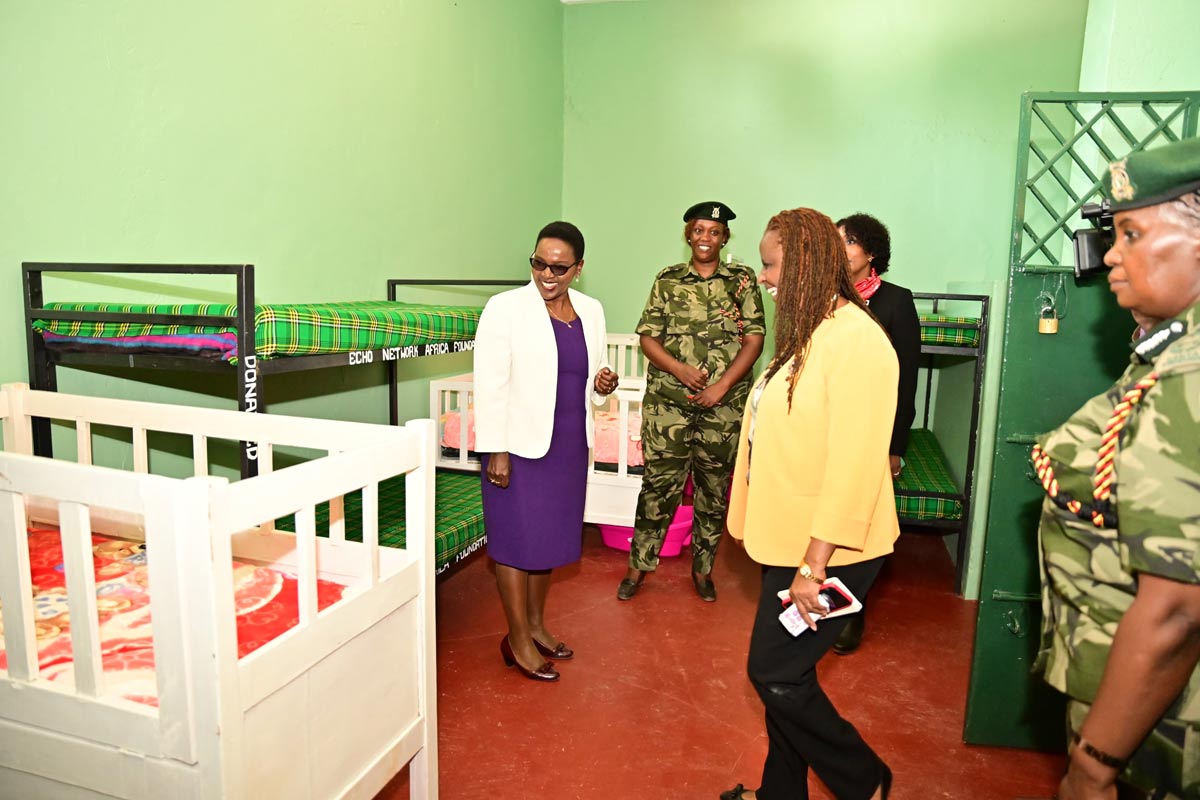
“The Kenya Prisons Service provides the secure environment and logistics while the Ministry of Health supplies the vaccines and clinical oversight, and civil society bridges resource gaps by upgrading nurseries and providing play materials,” Muthoni said. An example is the Faraja Foundation, which built Kenya’s first in-prison nursery centre at Lang’ata in 2013.
She added that the Ministry is pushing for a permanent, ring-fenced budget line for institutional paediatric care.
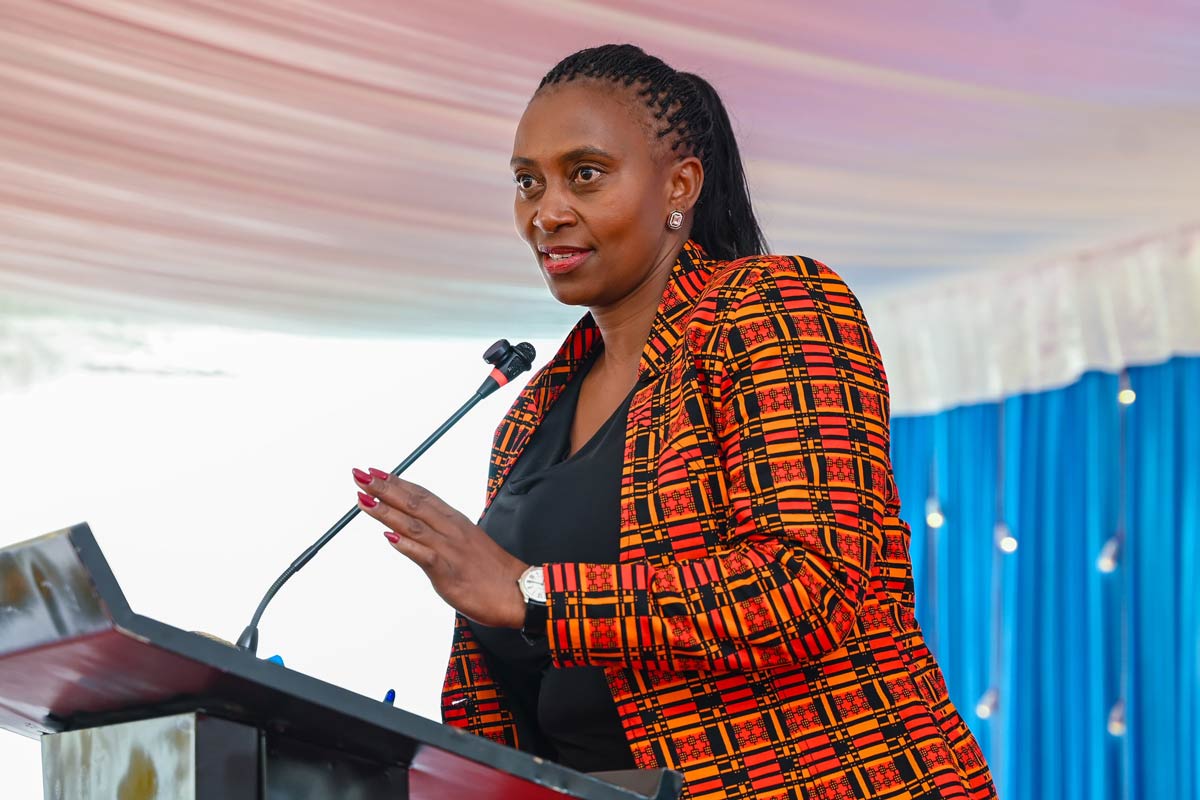
The Principal Secretary of the State Department for Correctional Services in the Interior Ministry, Salome Beacco, confirms the plan to shore up paediatric health services across all of Kenya’s women’s correctional facilities. “The Ministry’s position is that Lang’ata and Shimo la Tewa Maternal and Child Health clinics are our pilot model. The results from these two institutions have guided our phased national roll-out.
“The infrastructure upgrades across all the women’s correctional facilities and one female probation hostel will be done in phases of Financial Year 2026/2027,” she said.
Finally, the message is equity: “Every child has a constitutionally protected right to quality healthcare regardless of where they are born or raised,” Beacco said.
More from Gitonga Njeru