
Malawi is battling a renewed measles outbreak
Malawi's health workers are racing to close immunisation gaps to tackle an outbreak that has already caused nearly 700 measles cases so far this year.
- 31 August 2026
- 4 min read
- by Benson Kunchezera
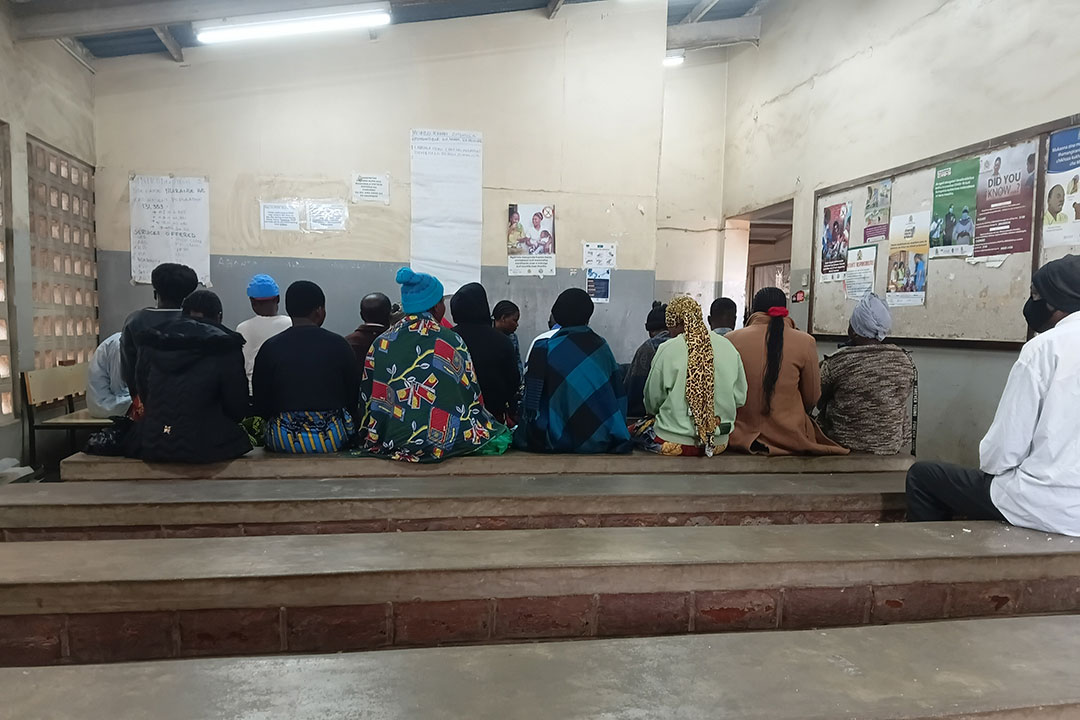
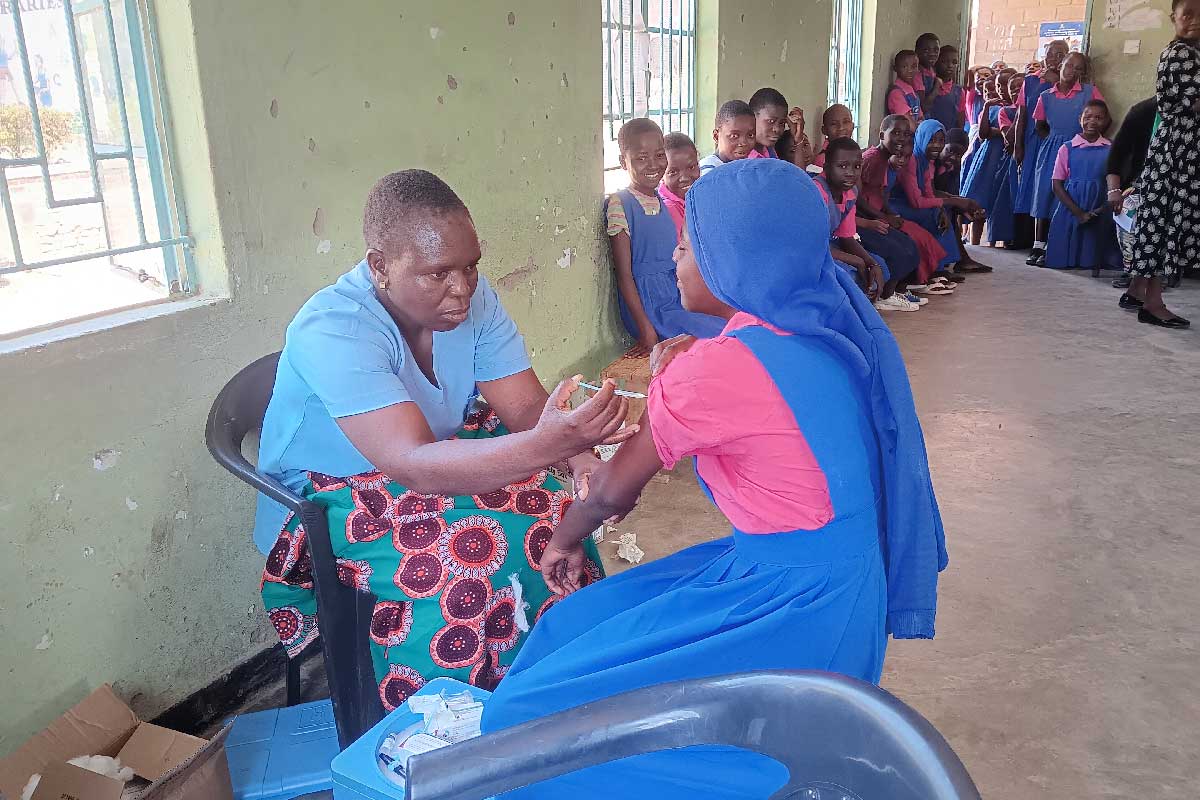
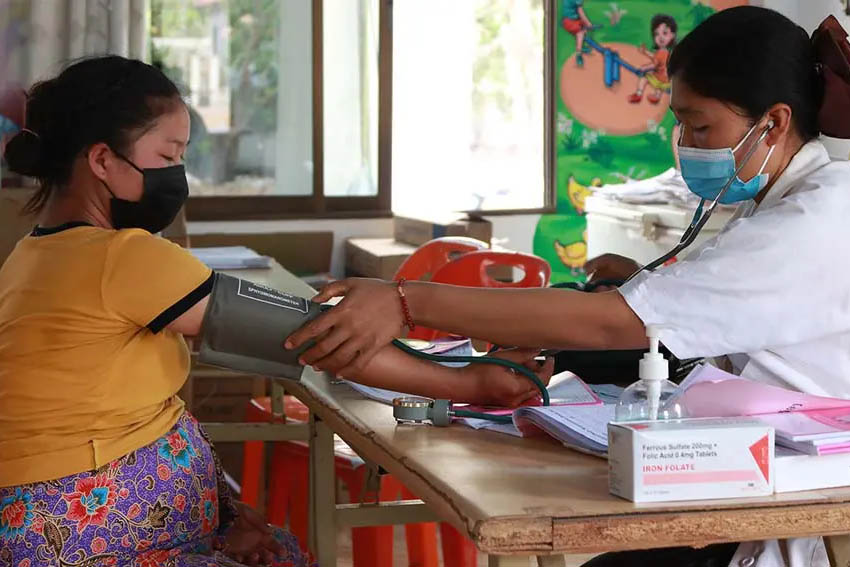
Nineteen-year-old Happiness Jumbe waited patiently for her daughter’s second measles vaccine at a health centre in Ndirande, an informal settlement on the outskirts of Blantyre in Malawi.
“Getting vaccinated is the only way to be protected from measles,” she told VaccinesWork. “I encourage parents who have not yet vaccinated their children to do so immediately.”
That’s a message Malawian health authorities have been trying to spread as Malawi responds to outbreaks of the highly contagious viral disease, an infection that health experts say exposes persistent gaps in routine childhood immunisation coverage. An ongoing outbreak in neighbouring Mozambique has already caused at least four deaths.
Falling short of herd immunity
According to data released annually by the World Health Organization and UNICEF, Malawi had achieved an estimated 89% first-dose measles vaccine coverage through routine immunisation in 2024, dipping to 88% in the recently-released 2025 statistics. Second-dose coverage stands at 68% as of 2025.
That means Malawi is well short of the 95% coverage needed to achieve herd immunity against measles, and the virus, one of the world’s fastest-spreading, still has room to flare up.
Despite a reactive vaccination campaign in mid-2025 that immunised more than 2.2 million children, the country has continued to register infections, with 1,690 measles alerts and 695 confirmed measles cases reported by mid-2026, and rising.
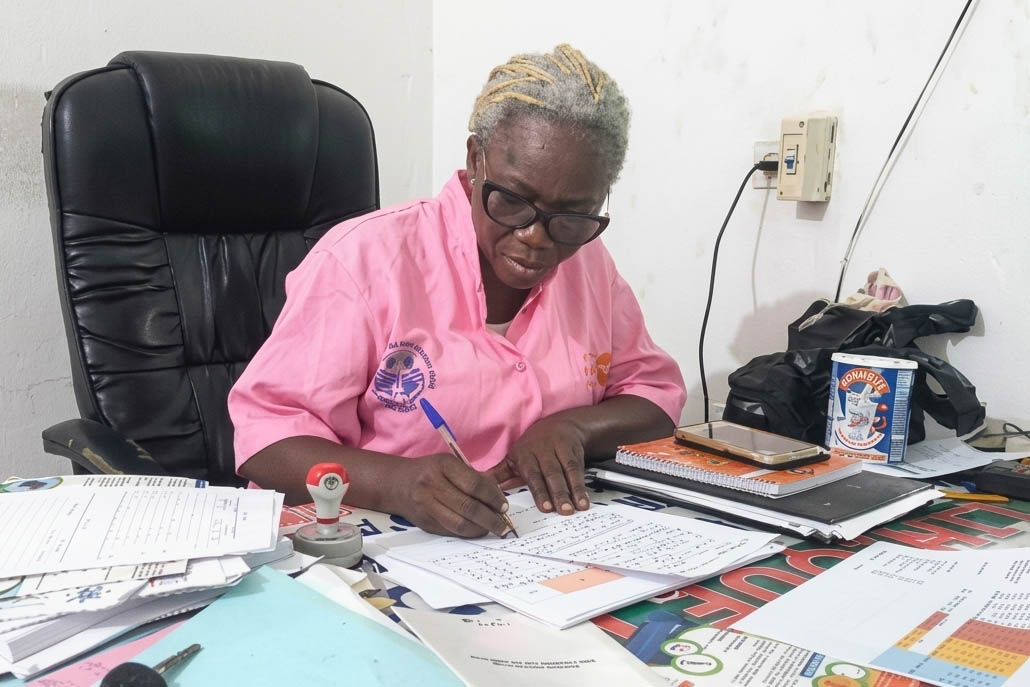
At Ndirande Health Centre in Blantyre, Health Surveillance Assistant Rachel Simon said, “We have lost many people because they could not access life-saving vaccines. Most of these [vaccine-preventable] diseases become severe when patients are not vaccinated. That is why we continue encouraging parents to vaccinate their children.” So far this year, she said, her facility has treated one severe case.
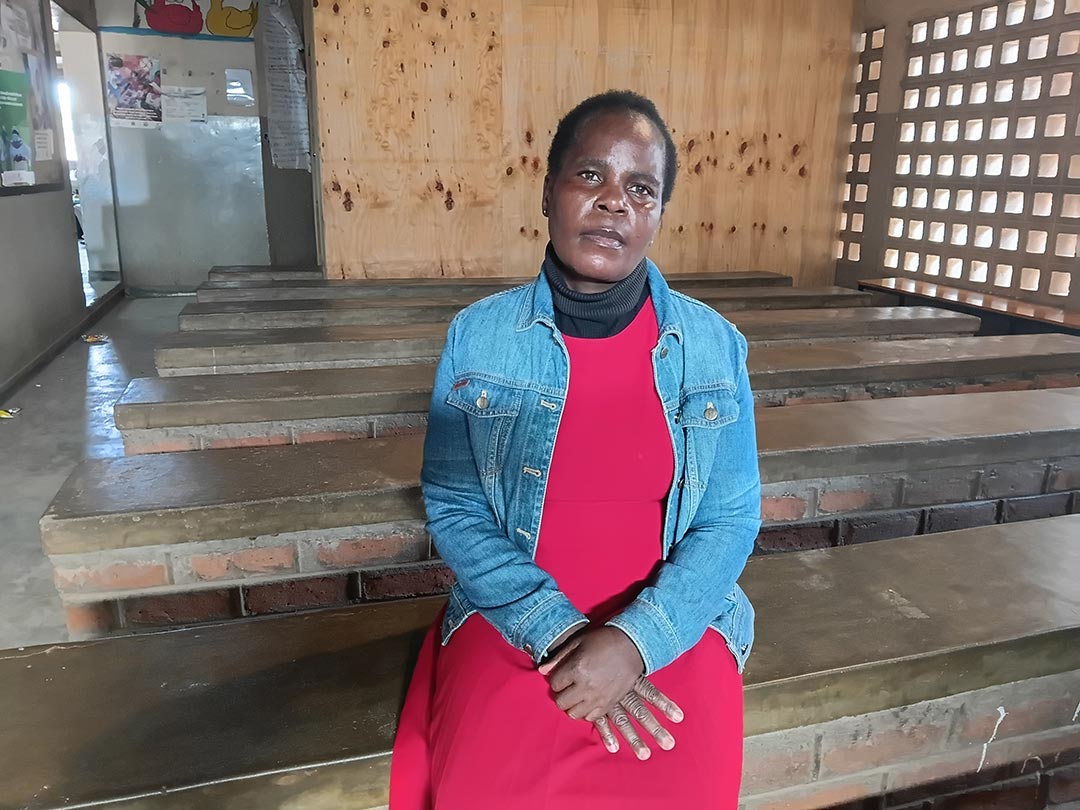
Credit: Benson Kunchezera
Health workers have intensified community mobilisation, educating parents about the importance of routine immunisation while identifying children who may have missed scheduled vaccinations, she added.
Small gaps, big risks
That one case serves as a reminder that even small immunity gaps can coalesce into large-scale danger.
The Malawi Health Equity Network (MHEN), a non-profit alliance of Malawian civil society organisations in the health sector, points to population movement between districts and across international borders as an accelerant for disease spread. As measles is the most contagious human virus known to science, it’s adept at exploiting those opportunities.
Have you read?
The Ministry of Health, through the Expanded Programme on Immunization (EPI), has responded to ongoing measles transmission by strengthening surveillance systems, rapidly investigating suspected cases, confirming infections through laboratory testing, improving case management and conducting community awareness campaigns in April this year.
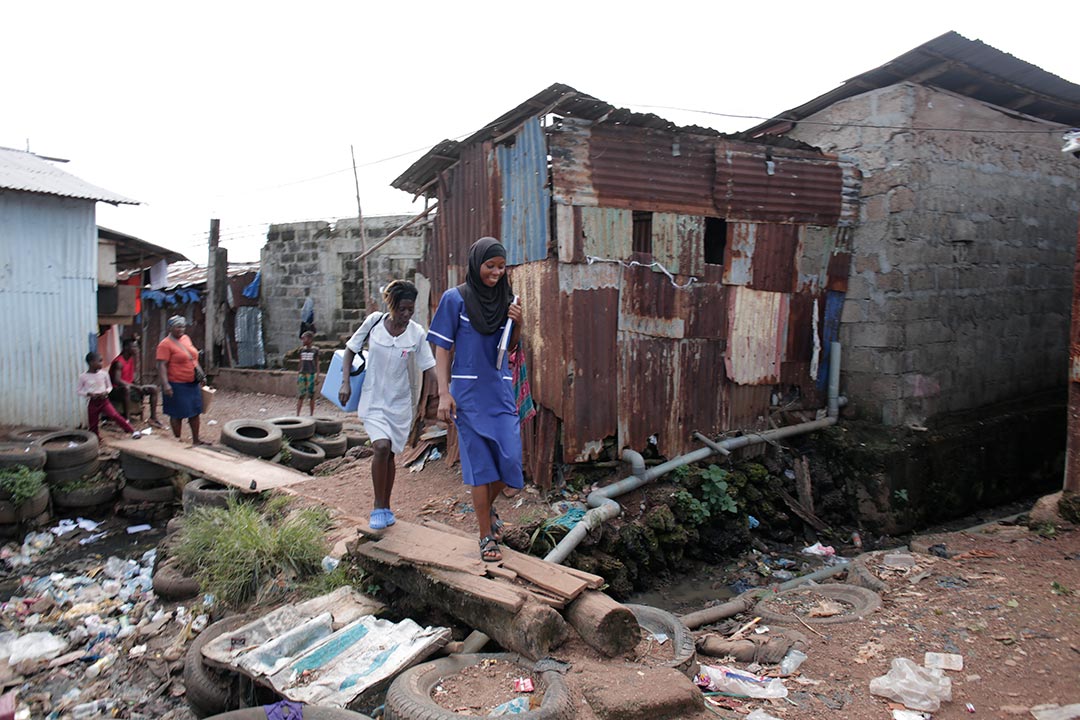
Shoring up the country’s immune defences is a job for a broad coalition of health actors, with community volunteers such as Mother Care Groups working under MHEN, taking an important role in outreach activities to trace children who missed routine vaccinations and ensure they receive protection.
Why catch-up is second-best
Awareness-raising remains important. Fanny Banda, a nurse at Ndirande Health Centre says many women bring their children at nine months of age for the recommended first dose of measles-rubella (MR) vaccine, but fail to follow up for the second dose, which is administered at 23 months.
“When children grow [well], they think vaccine is a medicine, so they stop coming in for growth monitoring, that is why MR coverage is lower than pentavalent/DTP coverage,” she said, referring to the bundled basic vaccines that are delivered in three doses earlier in an infant’s life.
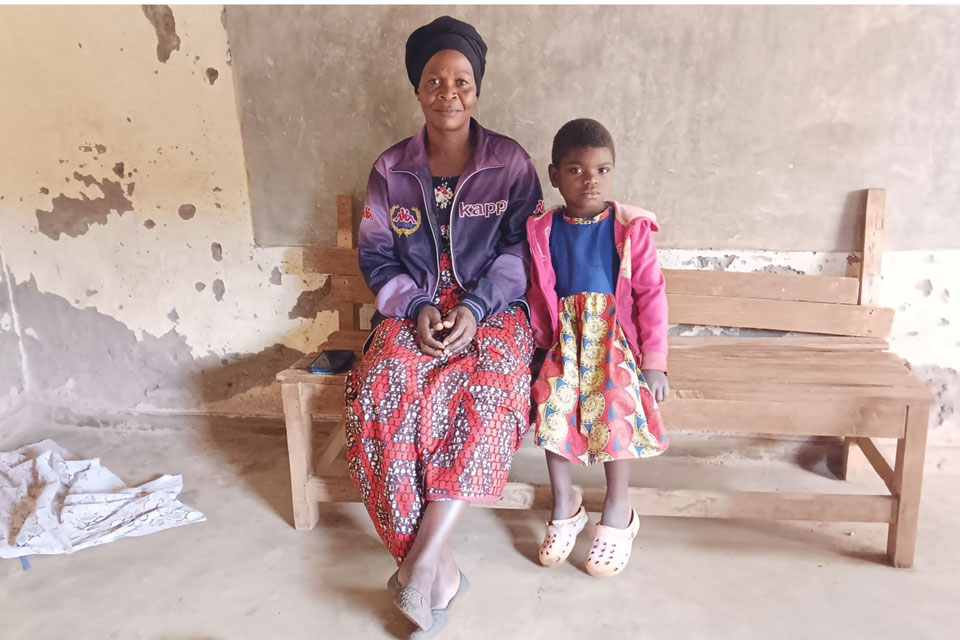
Kids who don’t come in for their vaccines when scheduled often wind up waiting to be caught up during vaccination campaigns – large-scale catch-up efforts. That was the case for Mayamiko Phiri’s child, who referred to the most recent campaign as “a second chance”, and added that she regretted waiting. Her child had remained unnecessarily vulnerable in the interim.
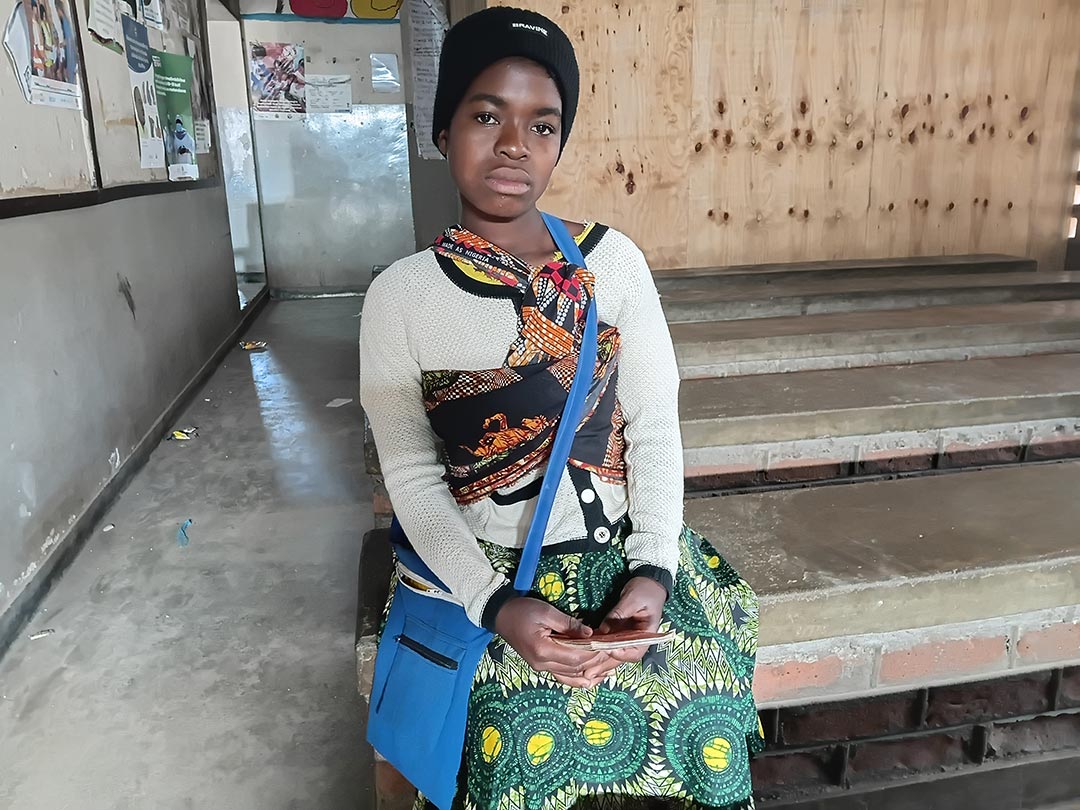
Credit: Benson Kunchezera
“I want my child to grow up healthy,” she said. “Now I know routine vaccination is important, and I will make sure we don’t miss the next appointment.”
George Jobe, MHEN Executive Director and Chairperson of the Universal Health Coverage Coalition in Malawi explained that emergency campaigns alone cannot eliminate the risk of recurring outbreaks, unless they are supported by stronger routine immunisation systems.
“The emergency measles-rubella vaccination campaign is intended to rapidly interrupt transmission of measles and rubella in affected districts, vaccinate children who missed routine immunisation and close existing immunity gaps,” he said. In short, campaigns patch gaps and buy time. But they are inevitably the less sustainable option.
Jumbe, who realised the importance of immunisation during the campaign, and subsequently turned out to the clinic when her daughter was due for her next routine jab, suggests her own story shows that greater awareness is already making a difference.
More from Benson Kunchezera