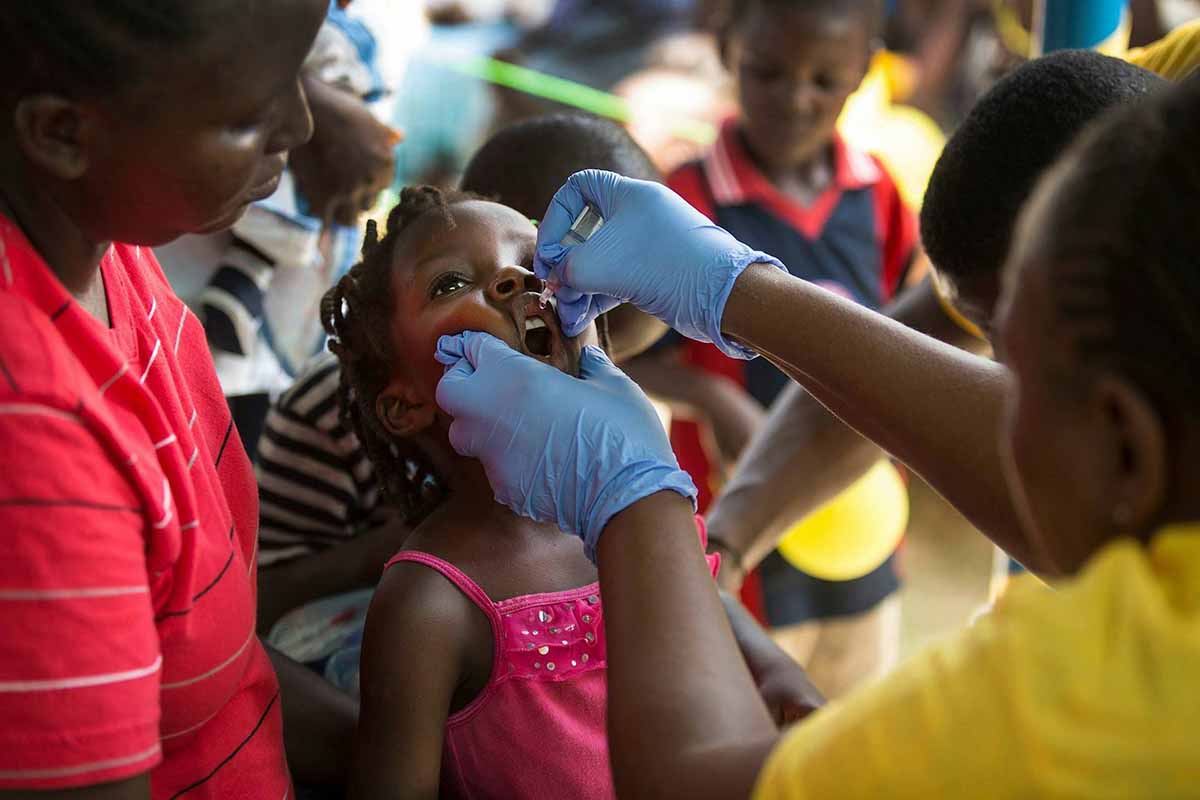

A new dawn for Sambhal: community leaders and government join forces to get kids protected in India’s Uttar Pradesh
Community leaders and elected representatives are collaborating to promote vaccination and ensure a healthier future for Sambhal's youngest citizens.
- 2 December 2025
- 4 min read
- by Pankaj Bishnoi
In the historic city of Sambhal in Uttar Pradesh, northern India, a new initiative – I’d even call it a quiet movement – has been reshaping how communities engage with the public health system.
Sambhal has historically struggled with low childhood immunisation rates. Vaccine avoidance – a product of misinformation, limited local advocacy and consequent hesitancy – has made it difficult for health workers to protect children from outbreak-prone vaccine-preventable diseases (VPDs).
As a consequence, immunisation coverage has stagnated at around 70% – well below the national goal of 90% full immunisation. However, that hasn’t deterred my team and me from making concerted efforts.
Trust, established through credible intermediaries, has the power to correct misinformation faster than top-down communication.
And now, we’re making inroads. A new initiative by the Health Department, Government of Uttar Pradesh, ably supported by the William J. Clinton Foundation (WJCF), is delivering renewed optimism by launching a community-led model built upon a simple idea: that trust travels faster, and further, when articulated by local voices.
Building an alliance
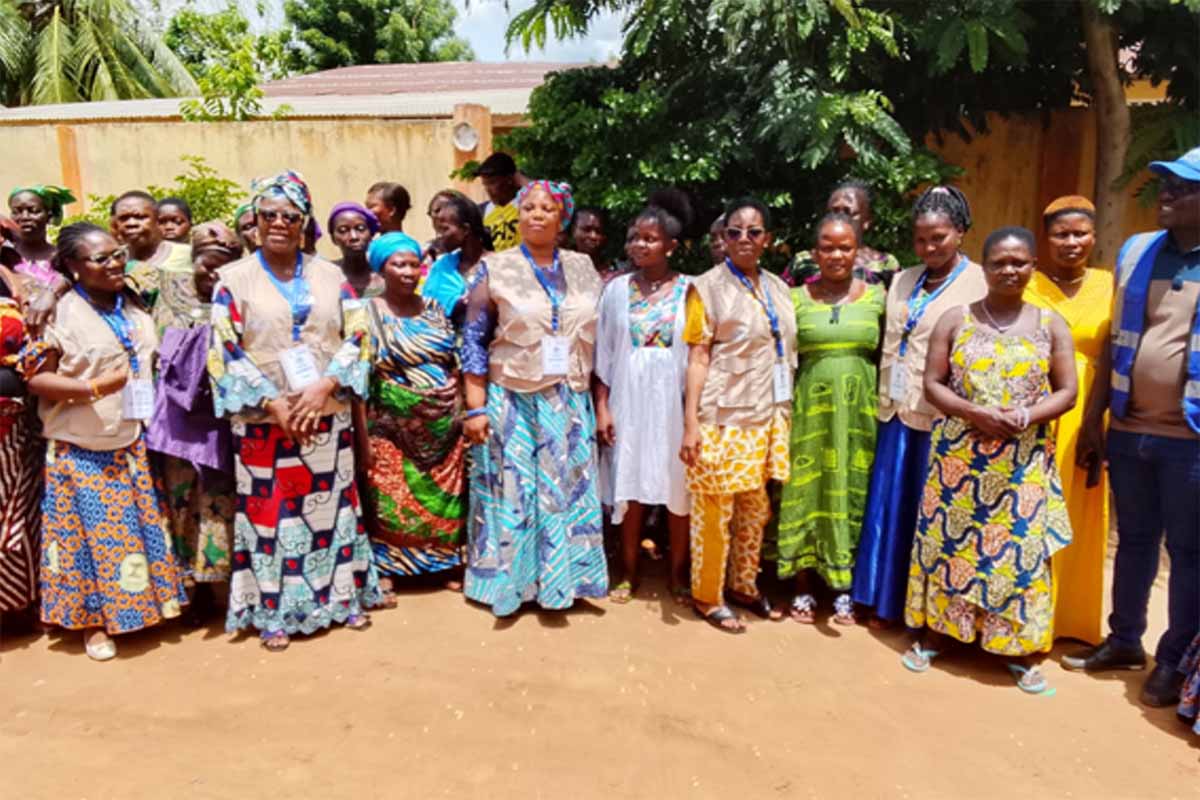
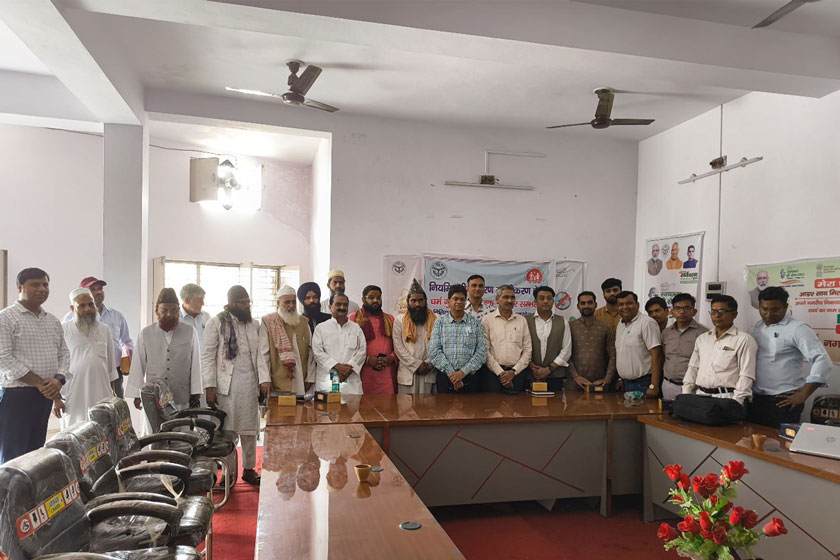
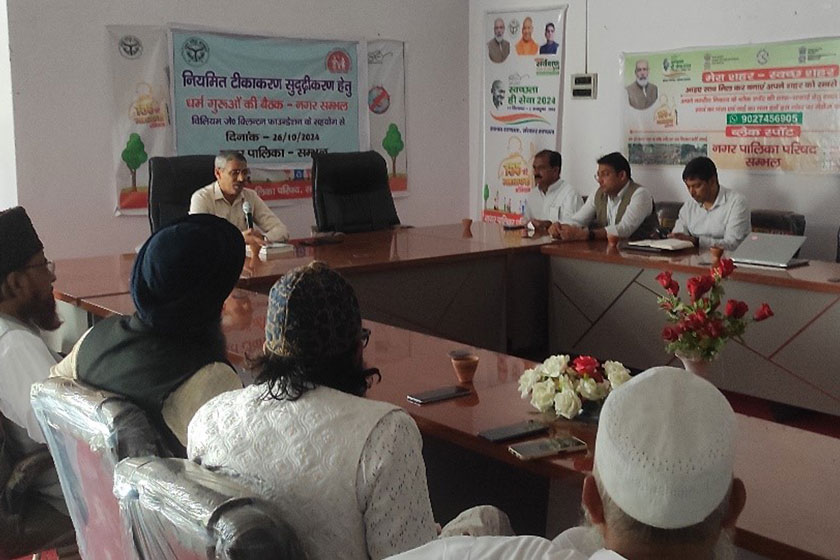
In 2024, we organised a series of Community Leaders’ Orientation Workshops to strengthen collaboration between the health department and community stakeholders. These sessions convened spiritual leaders, elected ward members and representatives from Mahila Arogya Samitis, local women’s collectives.
Held separately for each cadre, the sessions emphasised the importance of immunisation and the grave consequences of vaccine avoidance, and walked participants through the National Immunization Schedule, as implemented by India’s Ministry of Health and Family Welfare (MoHFW).
Participants also discussed the unique challenges faced by citizens of Sambhal, which helped us better understand why coverage was falling short of the national targets. The Routine Immunisation (RI) Wheel, an informational tool developed with WJCF support for improving interpersonal communication, was disseminated among the participants to help them generate awareness and encourage vaccine uptake in the community. The initiative observed participation from more than 20 elected ULB ward members, 27 faith-based leaders, and over 80 representatives of the women’s groups.
“The orientation workshops and handy tools intended to foster trust and acceptance of immunisation by engaging community leaders as the credible voices within their communities. By supporting them with accurate, evidence-based information, we aimed to reduce information asymmetry and promote vaccination, paving the way for better community health in Sambhal,” said Nitin Kothari, Associate Director of the WJCF Immunization Team.
Positive feedback
The response from these sessions was overwhelmingly positive, with all participants subsequently pledging to use their influence, in their respective communities, to promote awareness of vaccination, address misconceptions, and encourage citizens to view immunisation as a shared responsibility. Through interlinked efforts by different community leaders, vaccine confidence began to rise visibly in communities that had previously shown resistance.
“Community engagement is the cornerstone of any successful public health initiative. Involving spiritual leaders, elected ward members, and local women’s groups not only strengthens trust in the health system but also ensures that accurate health information reaches every corner of our society,” said Dr Tarun Pathak, Chief Medical Officer, for Sambhal, who steered key orientation workshops.
Evidence of Impact
As a consequence of efforts deployed through this initiative in Sambhal’s urban areas, 170 of 587 identified vaccine-hesitant children (~29%) were vaccinated between June 2024 and June 2025.
This marks an important and encouraging first step in reducing vaccine avoidance, and demonstrates that focused, locally tailored strategies can make a real difference.
“The shift we are seeing – even at this early stage, demonstrates the value of community-led initiatives in addressing persistent issues like vaccine scepticism and disinformation. It demonstrates the potential of cooperation and trust-building to improve public health outcomes,” said Dr Rajender Pensiya, Sambhal’s District Magistrate.
Have you read?
We’re seeing how social capital can be harnessed to achieve public health goals. Trust, once established through credible intermediaries, has the power to correct misinformation faster than top-down communication.
We hope our model might offer valuable lessons for other regions with similar challenges: places where cultural hesitation is known to impede immunisation drives.
Three insights stand out:
- Trust precedes coverage – Technical interventions must be accompanied by efforts that build confidence through culturally resonant messengers.
- Local networks amplify impact – Community and faith-based leaders can reach audiences that formal systems struggle to access.
- Simple tools enable continuity – User-friendly innovations such as the RI Wheel help ensure consistency and accountability at the last mile.
By integrating these elements, immunisation programmes can transition from awareness campaigns to sustained behaviour change movements.
Towards a healthier future
Our gains in Sambhal illustrate the potential of partnership between the government, community leaders and civil society organisations. Each has a distinct role; policy direction, social trust and technical support that becomes most effective when aligned around a shared goal.
As momentum continues, this experience exemplifies the fact that the success of public health initiatives often benefits more from the renewed public trust than anything else.