
Scientists turn mosquitoes into "flying vaccines"
Researchers are investigating whether vaccine-carrying mosquitoes and edible vaccines could help reduce the spread of rabies and Nipah virus from bats to humans.
- 12 March 2026
- 5 min read
- by Linda Geddes
At a glance
- Scientists are testing giving a modified form of a virus to mosquitoes so they can then infect wild bats, vaccinating them against diseases that commonly spread to humans.
- Bats are natural reservoirs for a wide range of viruses that can be dangerous to humans or livestock, including rabies, Nipah, Hendra and some coronaviruses. Giving them vaccines could be an ideal solution, but there's no easy way to do it.
- Researchers are also trialling edible vaccines for bats given through mineral-rich drinking stations.
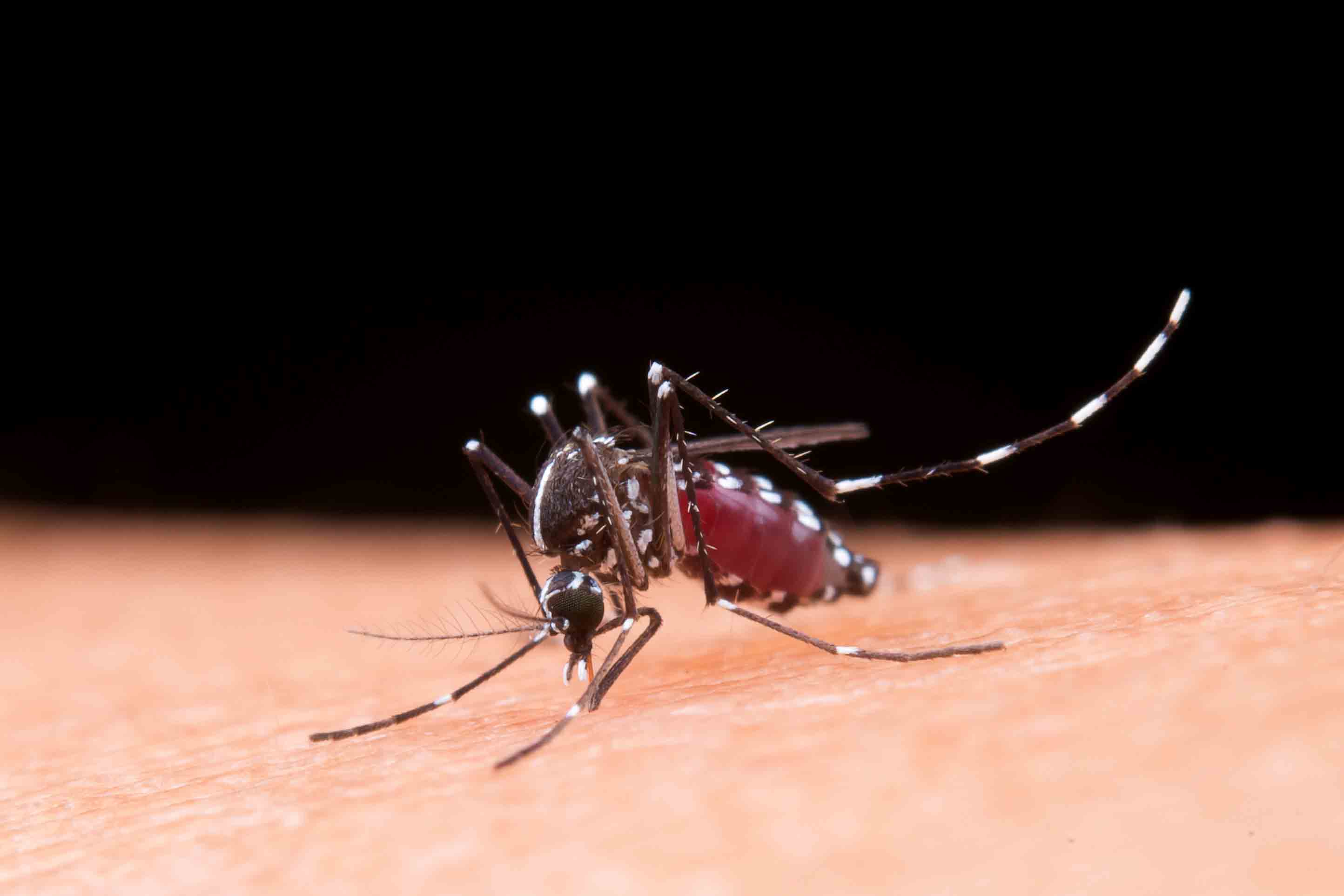
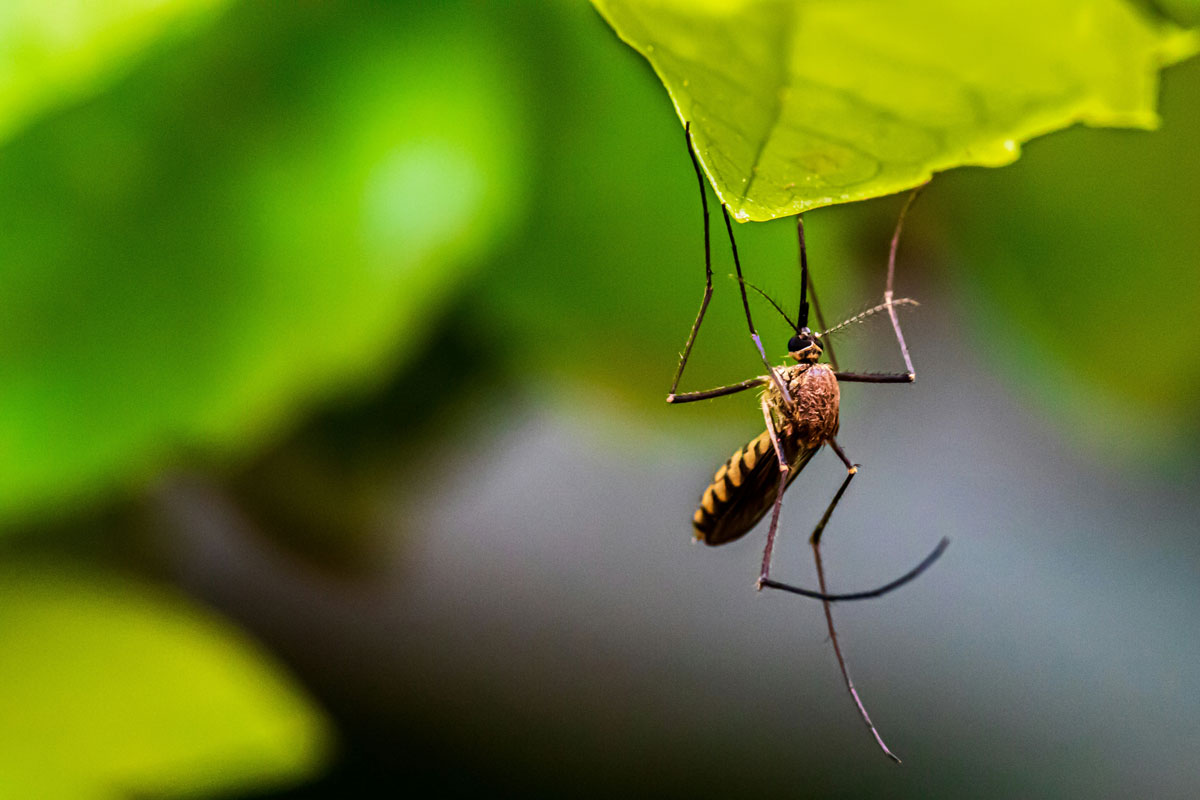
Mobile, persistent and naturally equipped with syringe-like mouthparts, mosquitos are expert blood collectors.
Now researchers are harnessing these abilities for an unusual purpose: delivering vaccines to bats.
The idea is to stop bats from transmitting viruses such as rabies and Nipah to humans, without harming the bats themselves.
They’re also experimenting with edible vaccines placed in salt-rich drinking stations that attract bats.
According to new research published in Science Advances, these strategies could help to immunise bats against Nipah and rabies, potentially reducing the risk of spillover to humans.
Why vaccinate bats?
Bats are natural reservoirs for a wide range of viruses that can be dangerous to humans or livestock, including rabies, Nipah, Hendra and some coronaviruses.
Because bats can often carry these pathogens without becoming seriously ill themselves, tend to live in large colonies where viruses can easily spread, and humans increasingly encroach on their habitats, the risk of viruses accidentally jumping from bats to humans is increasing.
Bats play important ecological roles, so culling them isn’t the answer. It can also backfire, because it disrupts colonies, causing infected animals to disperse and new bats to potentially move in, which in turn can keep viruses circulating and sometimes increase the risk of spillover.
Vaccinating bats is an alternative means of reducing the risk of spillover events, while avoiding harm to the bats themselves.
How can you vaccinate a wild bat?
Vaccinating bats in the wild is difficult because they tend to roost in inaccessible places, live in large colonies and have diverse diets that make bait-based vaccines unreliable.
One approach being investigated is the use of self-spreading vaccines. These are oral gels applied to bat fur that are passed between them as they groom. But alternatives are also being investigated.
The latest study, led by Hongyue Li at the Chinese Academy of Sciences in Beijing, China, tested a new way to vaccinate wild bats by exploiting their natural interactions with mosquitoes and their attraction to mineral-rich saline water.
“Mosquitoes, which feed on bats and are also prey for them, serve as natural vectors for vaccine delivery. Simultaneously, the saline trap exploits the bats’ mineral-seeking behaviour, providing a practical and scalable method for oral vaccine administration,” the researchers said.
How could mosquitoes act as ‘flying vaccines’ for bats?
Li and colleagues created the vaccine using a weakened version of vesicular somatitis virus (VSV), a virus that can infect both insects and mammals, which is already used as the basis for several experimental and approved vaccines, including the Erbevo (VSV-ZEBOV) Ebola vaccine.
In this case, they modified VSV to carry key surface proteins from rabies or Nipah virus so that when bats were infected with it, their immune systems would learn to recognise these pathogens and produce antibodies that would protect them should they encounter these viruses in the future.
The researchers then infected laboratory mosquitoes by feeding them blood mixed with the vaccine virus. The virus replicated inside the insects and accumulated in their salivary glands, ready to be passed on when they fed.
To prevent the vaccine spreading through mosquito populations, the mosquitoes were sterilised by UV irradiation.
Why are scientists also developing edible vaccines for bats?
The researchers also designed mineral-rich drinking stations to reach bat species that interact less with mosquitoes.
The traps released a salty mist to attract bats and contained a shallow reservoir of saline mixed with the vaccine. The idea was that bats seeking minerals would drink from the liquid and receive an oral dose of the vaccine.
To test whether the vaccines worked, the team first carried out experiments in mice and hamsters.
Animals that received the vaccine, either through mosquito bites or oral doses, produced antibodies against the viruses. When they were subsequently exposed to Nipah or rabies virus, vaccinated animals survived infections that proved fatal to unvaccinated controls.
The researchers then moved onto trials in wild-caught bats kept in laboratory enclosures.
The animals were either directly exposed to mosquitoes carrying the vaccine virus or given saline laced with the vaccine. In both cases bats became immunised, either though mosquito bites, eating infected mosquitoes or drinking the vaccine-laced saline, and went on to develop antibodies against the viruses.
In rabies experiments, vaccinated bats later survived exposure to a lethal dose of the virus. Similar challenge tests were not done for Nipah, because it must be handled in specialised high-containment laboratories.
Finally, the researchers ran simulated field tests, releasing vaccine-carrying mosquitoes into larger enclosures or placing saline drinking traps in the space and allowing bats to interact with them naturally.
These experiments confirmed that bats naturally encountered the vaccine by eating or drinking it, or being bitten by mosquitoes.
Have you read?
Could vaccinating bats in this way really help prevent future spillover outbreaks?
Whether these approaches could prevent future disease outbreaks remains uncertain, but the researchers believe their approach offers a promising way to target viruses at their source.
“Our field-simulated experiments demonstrated that robust immunisation in wild bats can be achieved through both mosquito-mediated delivery and saline traps, providing a versatile and ecologically integrated strategy for field-based bat vaccination,” they said.
However, the team cautions that the approach still faces hurdles before it could be tested in the wild.
Deploying vaccine-carrying mosquitoes would require regulatory approval and careful environmental risk assessments. Scientists would also need ways to monitor whether wild bats are actually being immunised without capturing large numbers of them.
The researchers suggest that analysing bat droppings for markers showing that bats had visited vaccine traps or using environmental RNA or DNA sampling to track changes in virus circulation over time could help assess whether the strategy is working.
If successful, the approach could provide a new way to stop dangerous viruses from making the jump to humans or livestock, while protecting bats and the ecosystems they support.
More from Linda Geddes