
Mamaga knows best: Togolese queens counsel confidence in vaccination
In Togo, “mamagas” – community matriarchs – support efforts to stem the flow of vaccine misinformation.
- 23 October 2026
- 6 min read
- by Olivier Konan
Vaccination anxiety seemed to be mounting in Togo’s capital, Lomé, as rumours amplified on social media during the COVID-19 pandemic fuelled doubt among families.
Across the city, Mamagas – the wives of the canton chiefs – were hearing the same concerns from parents, again and again. If a child developed a fever or swelling after vaccination, parents worried that something had gone wrong. Without adequate information, mild and expected reactions seemed to some like signs that the vaccine was unsafe.
Some parents stopped taking their children to health centres entirely. Others refused to open their doors to health workers. The cervical cancer-preventing human papillomavirus (HPV) vaccine had been introduced to Togo’s immunisation schedule in 2023 and was proving to be a particular focus for public worry.
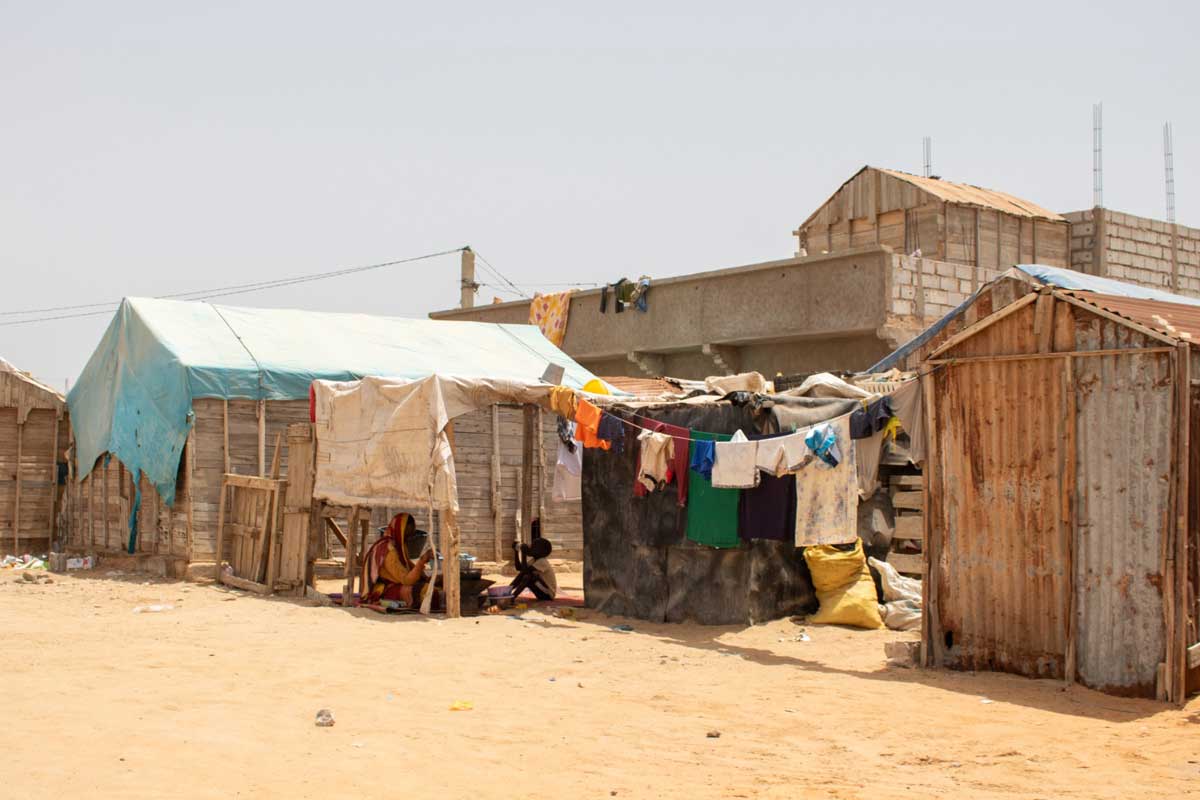
But coverage with far more familiar antigens was dipping too: in 2025, just 13% of the eligible children of Greater Lomé were properly protected against polio. The Ministry of Health recognised that a new approach was needed to build confidence in vaccination.
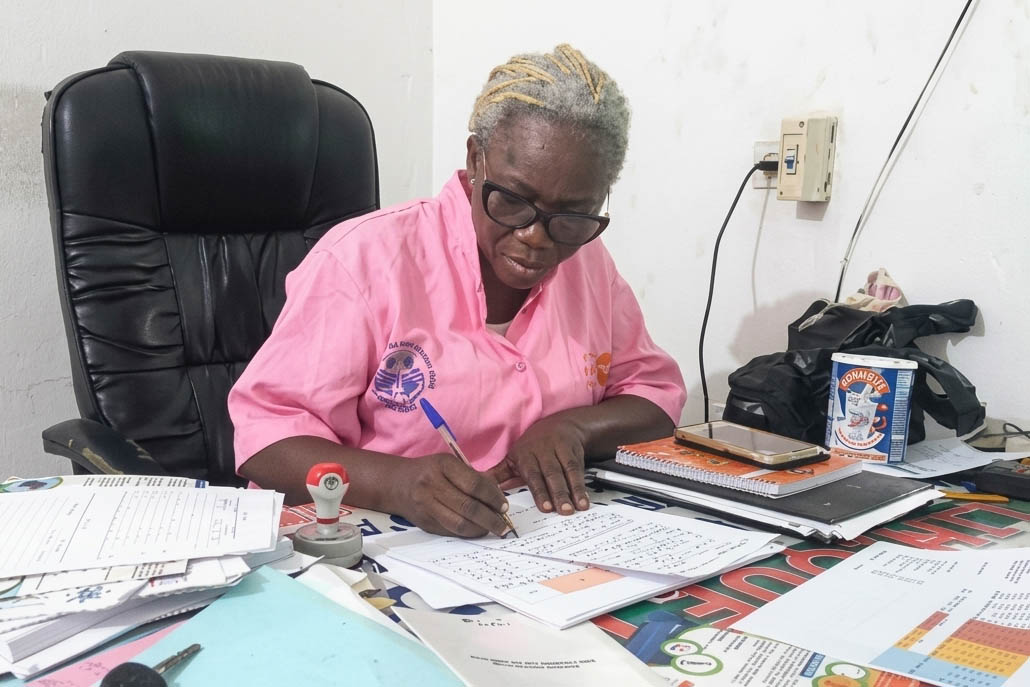
“We asked ourselves what was going wrong,” says Kamna Nana Tena, Head of the Communication Section at the Immunisation Division, which implements the Expanded Programme on Immunization (EPI). Following a recommendation from the civil society organisation known as the Platform for Vaccination and Immunisation (POSCVI), they decided to turn to a trusted source of influence within communities: the Mamagas.
Turning to trusted voices
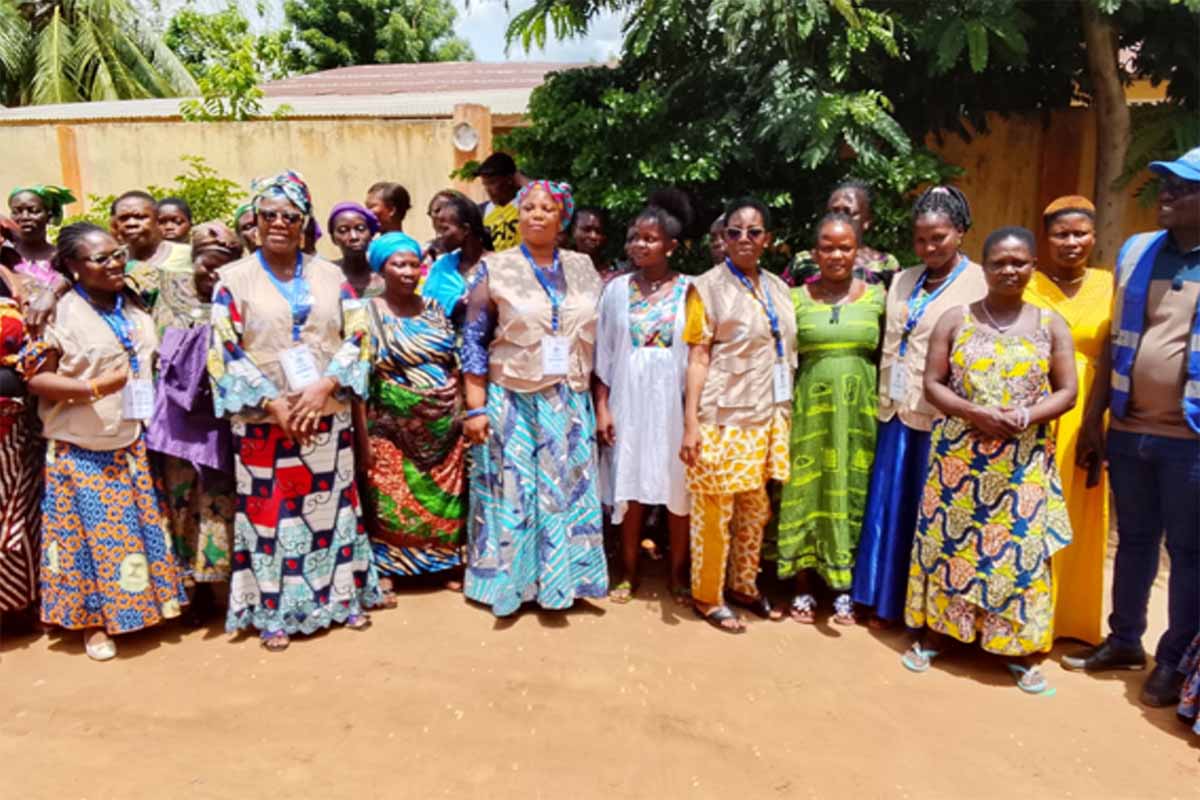
Although Mamagas do not publicly participate in community council meetings, they play a central role in community life.
“The Matriarch has the chief’s ear,” explains Niba Lobo, Mamaga of the Badja community. She explains that the chief may pause discussions to seek her advice privately, and community members turn to the Mamaga for “mediation in marital matters, support for mothers and child protection”.
Mamagas come from diverse backgrounds. “Some are civil servants or leaders of women’s associations. Others are traders, hairdressers, seamstresses or homemakers,” explains As Attiso Afansi épouse Dravie, Mamaga of the Anyrokopé community.
This diverse group of women have something important in common – they have the trust of their communities.
A new network for vaccination
POSCVI began by mapping the Mamagas across the region, to identify those whose influence and legitimacy were deeply anchored in their communities. The organisation then established a local Mamaga network, giving these leaders a shared structure and a collective voice.
“The network then designated focal points in each compound, ensuring that every community had a direct link to the campaign,” explains Augustin Kola, Coordinator of the Gavi CHA project in Togo.
Since 2025, POSCVI has built its awareness raising with the help of the Mamagas – they are co-creators, not just messengers.
Together with POSCVI, they design every message, shape every outreach effort, and carry the voice of vaccination into communities – from routine immunisation efforts to the HPV vaccine. This approach turned campaigns into a shared commitment that communities trust and embrace.
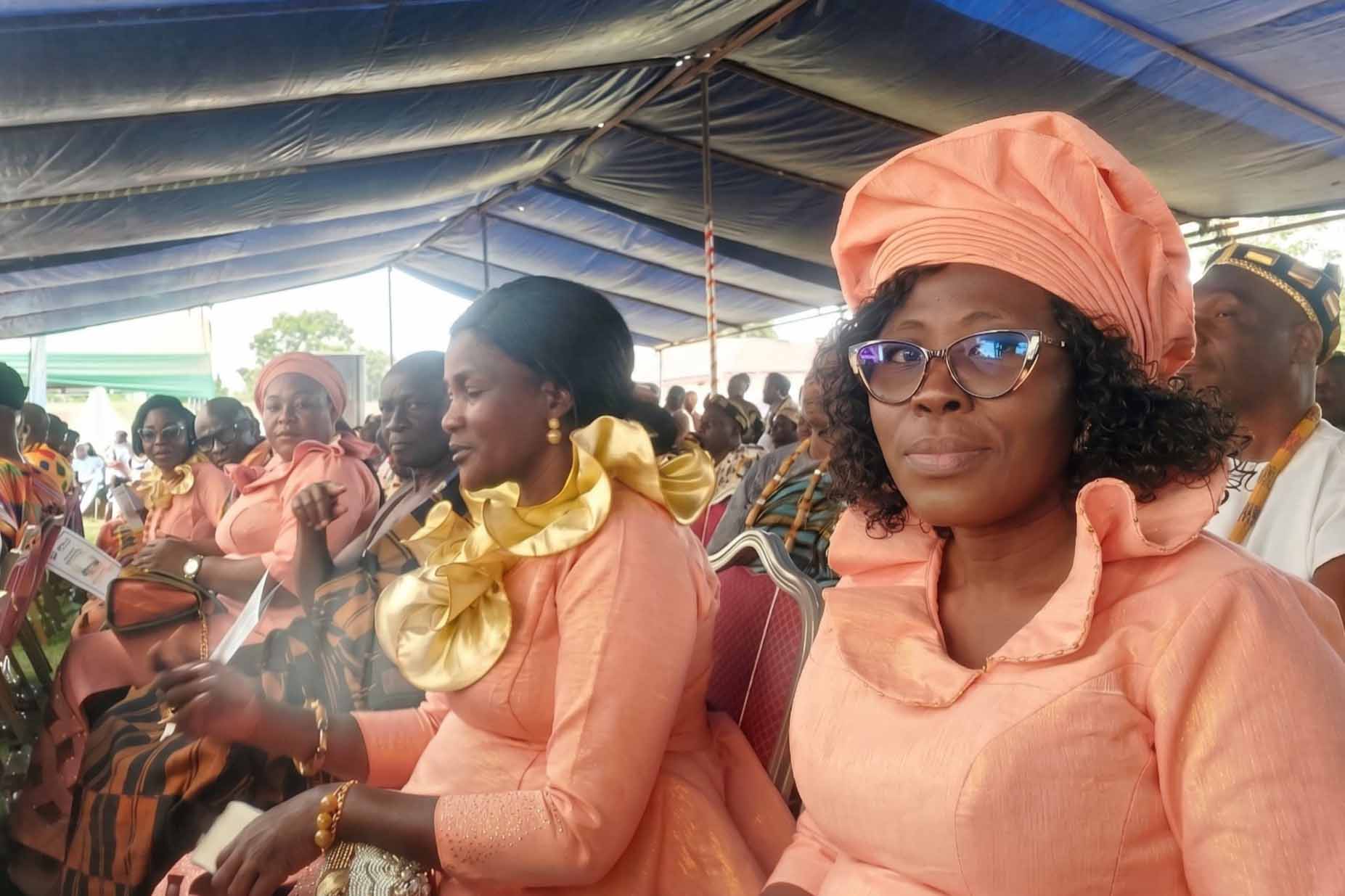
To equip them for this role, POSCVI, supported by the EPI and Health Promotion staff, trained Mamagas on three key skills: how to identify rumours circulating in their communities, how to respond with fact-based information adapted to the audience, and how to explain, in simple terms, the normal side-effects of the HPV vaccine, including pain at the injection site and brief, mild discomfort.
The goal was not simply to provide information – it was to make that information understandable, relevant and reassuring.
One conversation at a time
With POSCVI’s coordination, the Mamagas used three complementary approaches to meet the communities where they already gathered. They held educational discussions in markets, places of worship and women’s groups. They conducted home visits to engage directly with hesitant families, and they mobilised community and religious leaders to publicly support vaccination.
For teenaged student Aka Isabela, these conversations made all the difference. Although she knew that the HPV vaccine was free, she initially followed her mother’s advice to not receive it. The turning point came from the Matriarchs: “During the meetings organised for women, the Mamaga spoke with my mother, who then spoke with my father, and ultimately they decided together that I should be vaccinated,” says Isabela.
Mamaga Horafemenusui Kékéli Épse Aklassou is from the Bè canton. For her, personal dialogue and trust-building were crucial after they were notified that the first round of the vaccination campaign had achieved lower-than-expected participation.
“Based on the trust they have in us, we took it upon ourselves to explain to our mothers and sisters why immunisation is important. The second round was a success,” she says.
Have you read?
A turning of the tide
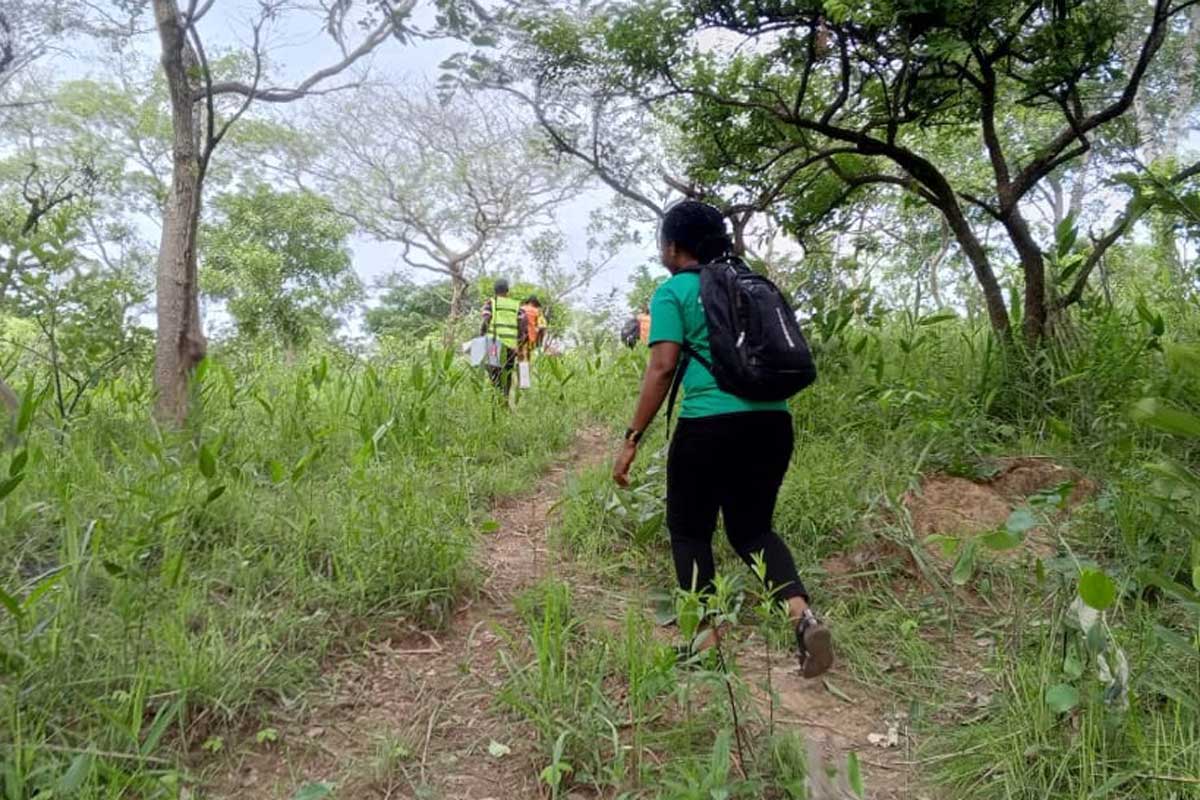
This approach produced measurable results. Across the 20 targeted districts, as a result of the combined efforts of POSCVI and the Mamagas, 3,765 children who had been lost to follow-up were found and vaccinated. In addition, 295 zero-dose children who had never received a vaccine before received immune protection.
The impact of the work was also evident in changing attitudes.
“A mother could never want her daughter to suffer. Seeing the mothers [Mamagas] at the forefront of the vaccination campaign convinced me to have my son vaccinated against polio. I even encouraged my neighbour, who has a daughter, to have her vaccinated against HPV,” says Agbavon Genevieve, a trader from Togblé Kopé in Lomé.
Together, POSCVI and the matriarchs have formalised their partnership through a charter of commitment that sets out their shared responsibilities and mutual accountability.
For POSCVI, the experience demonstrates the value of working through existing community structures. Mamagas have shown that building trust in vaccination is not only about sharing accurate information – it is about who delivers this information. By bringing together medical knowledge and traditional legitimacy, the initiative created a bridge between health services and the families they seek to reach.
How is Gavi helping?
With support from Gavi through its Community Health Actors (CHA) project, which ran from January to June 2026, POSCVI worked with EPI and Health Promotion staff to strengthen community trust and uptake of vaccination in Togo.
Active in Togo since 2015, POSCVI brings together 39 local civil society organisations working to strengthen community mobilisation and improve vaccination coverage in the country’s 20 priority districts. Their strategy was simple: to spread health knowledge through the influence and trust that traditional leaders already have within their communities.
Gavi’s CHA project was designed as a strategic initiative to strengthen the role of community actors in identifying and reducing zero-dose children, improving vaccine coverage and institutionalising community health.
Implemented in eight countries in sub-Saharan Africa with operational support from MannionDaniels, the project experimented with innovative indirect financing mechanisms via local civil society organisations (CSOs), domestic resource mobilisation and strengthening existing coordination platforms.