
Across the frontline: how vaccinators negotiated access in conflict areas of Tigray
“No child left behind” means doing what it takes to reach children marooned by conflict. Here, officers from the Gavi REACH team in Tigray explain what that really means.
- 15 December 2025
- 4 min read
- by Tirhas Tesfay , Teklebirhan Kinfe , Eman Amanuel
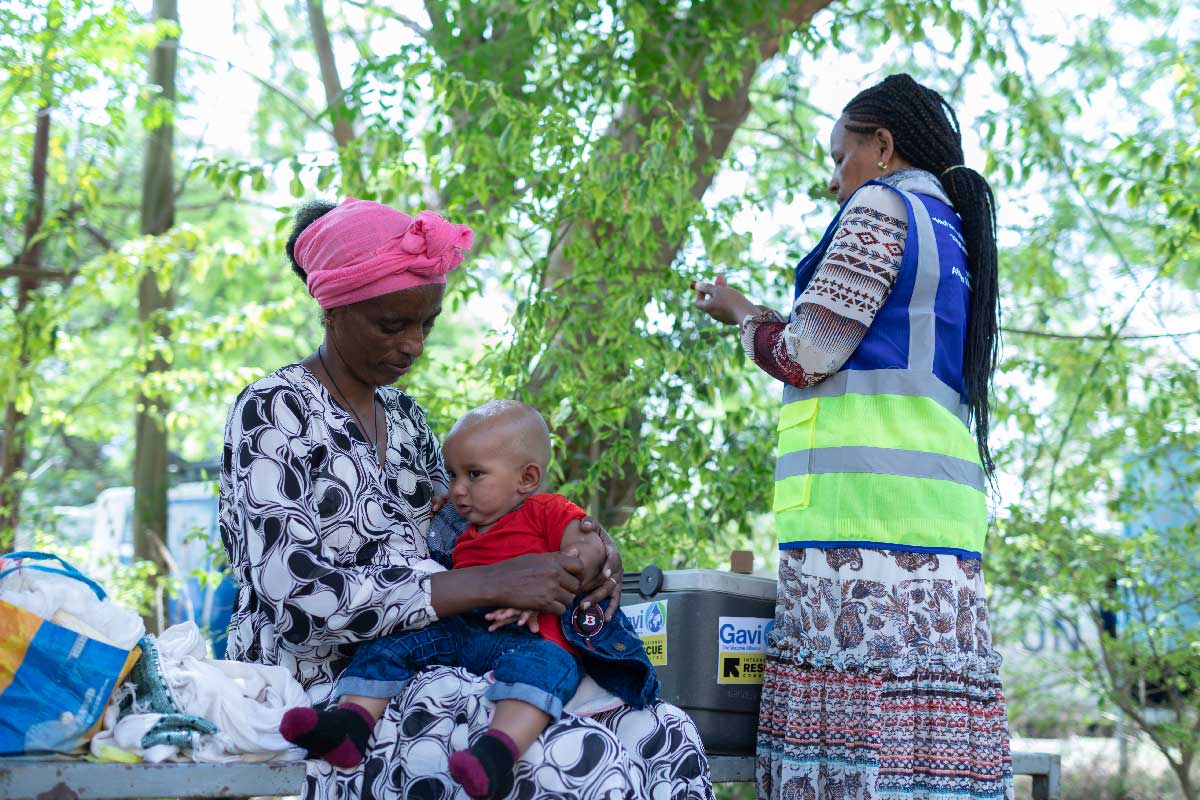
The Tigray war of 2020–2022 damaged critical infrastructure and disrupted health services in the southern zones of Tigray, in Ethiopia. As a consequence, families were unable to safely access routine immunisation for nearly four years.
In November 2024, the International Rescue Committee-led Reaching Every Child in Humanitarian Settings (REACH) project conducted an assessment in the Alamata and Raya-Alamata woredas to evaluate the feasibility of rolling out vaccination services to these cut-off areas. REACH is part of an ambitious, large-scale, Gavi-funded initiative that works to deliver vaccines to communities in conflict or crisis that fall outside of governments’ zones of access.
Assessing the post-conflict landscape
The assessment uncovered significant challenges to the delivery of vaccines. Many health facilities had been looted, cold chain equipment – vital vaccine fridges and cooler boxes – was scarce, and several health centres were either non-functional or inaccessible due to ongoing security concerns.
Although security had improved, tensions remained high, with curfews, restricted movement and the presence of Non-State Armed Groups (NSAGs), complicating efforts to launch the Gavi REACH immunisation programme.
Despite these obstacles, the REACH team forged ahead, working to understand the local dynamics and build relationships with key stakeholders, including health officials from both the Amhara and Tigray regions, local partners and the Federal Command Post, a joint security and military command structure established during states of emergency.
Bringing humanitarian negotiation into play
Recognising that humanitarian negotiation was crucial to ensuring safe and sustained access, the REACH team engaged with the Federal Command Post. While initial discussions were tense – a result of a misunderstanding about the nature of humanitarian work – the REACH team was able to quickly de-escalate the situation and encourage open dialogue.
The team was able to gain a better understanding of where concerns stemmed from, and to reassure the authorities of the project’s strict adherence to humanitarian principles, while also highlighting the urgency of their intervention. They also referenced the successful roll-out of REACH activities in other contested woredas of Tigray.
Ultimately, the authorities agreed to allow the REACH team to operate, and committed to coordinating with NSAGs to ensure the team’s safety when traveling through contested areas.
Have you read?
A burden lifted for parents
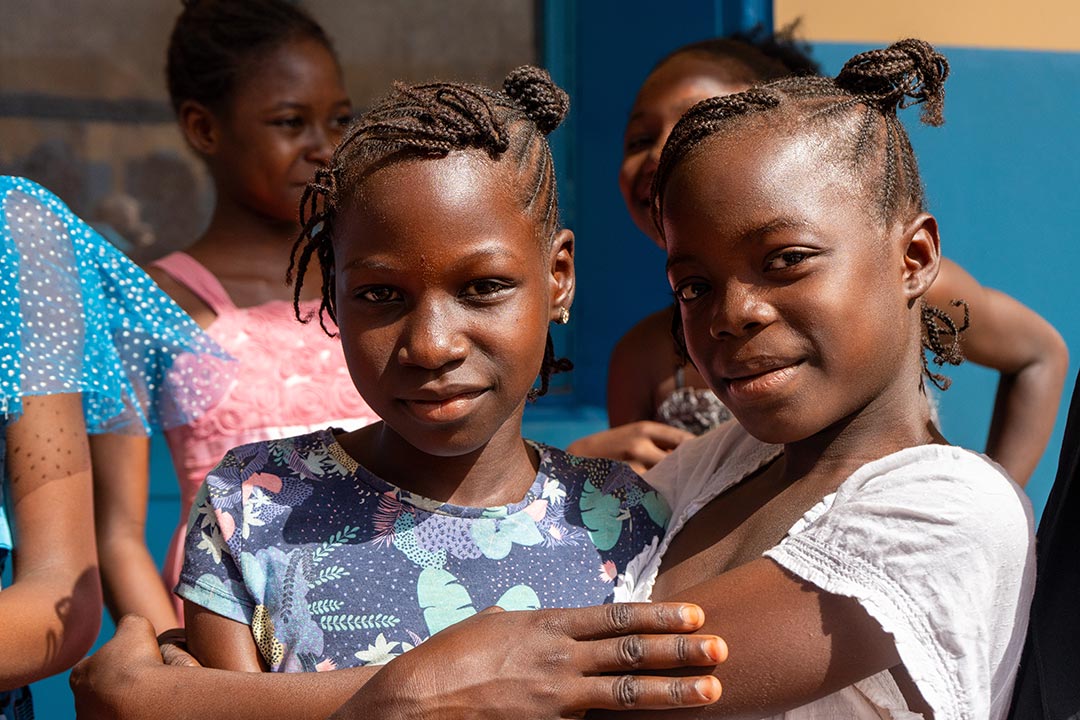
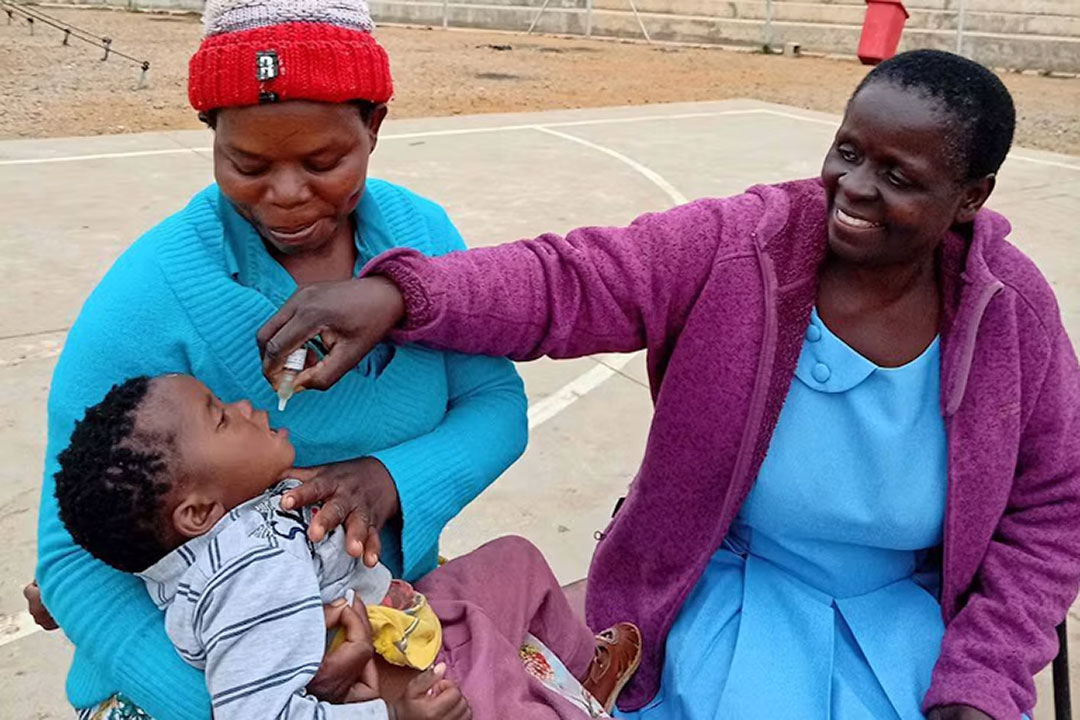
For many mothers in southern Tigray, REACH’s work has lifted a burden of worry off their shoulders. “When I finally brought my baby for her first vaccination, I felt a sense of relief and happiness,” explained Etsegenet, a mother living in Alamata. “For years, we feared it wasn’t safe to travel and had no access to health facilities or vaccines. Seeing the vaccinators here, even with all the challenges, gave us confidence and happiness that our children won’t be sick again.”
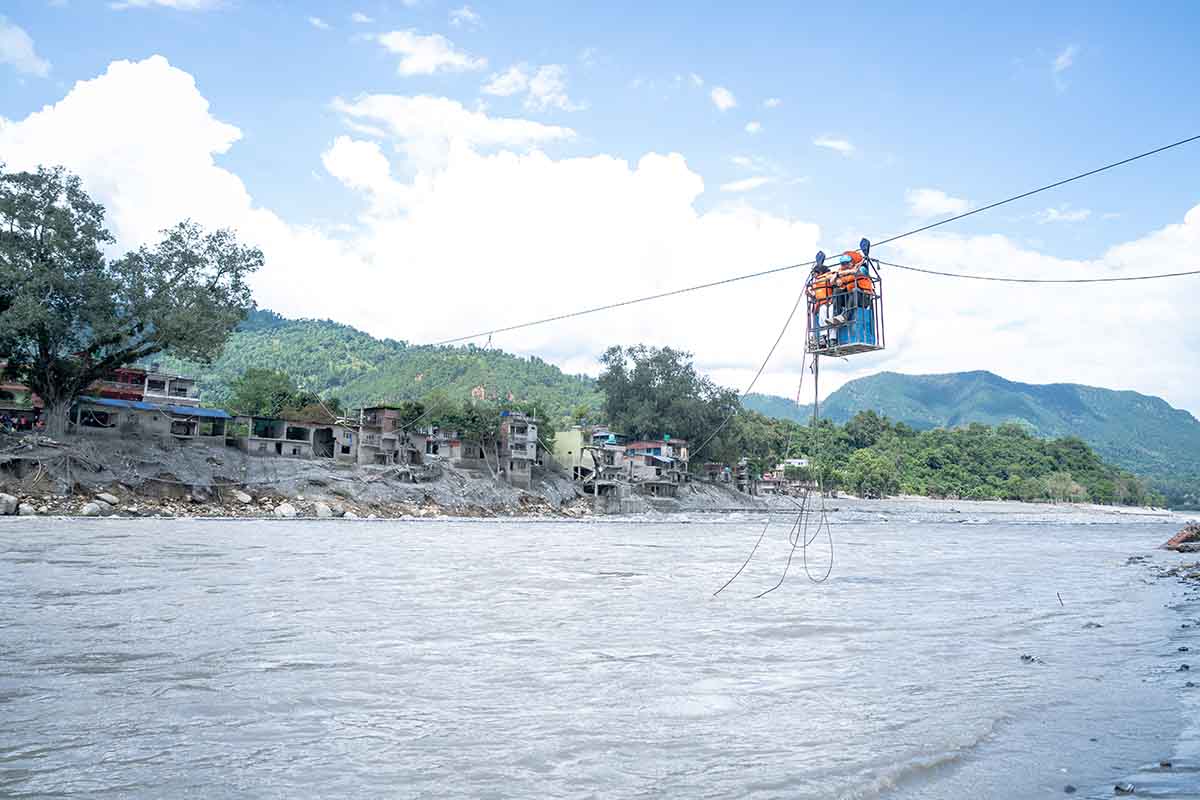
After years of conflict and violence, the relief for many is palpable for parents and health workers alike. Netsa, a community health worker, described walking nearly five hours through difficult terrain to deliver vaccine doses. “It was exhausting, but seeing the relief in parents’ eyes when we arrived reminded me why we do this work – no child should miss a life-saving vaccine because of where they live.”
Without these efforts, an estimated 14,000 children in Alamata alone would have remained at risk from measles and other vaccine-preventable diseases. A lack of secure and continuous access could have led to outbreaks.
“Every time we arrive in these communities, parents greet us with stories of how they fled violence. Being able to provide life-saving vaccines reminds them that they are not alone,” explains Tirhas Tesfay, Gavi REACH Health Officer.
How is Gavi supporting REACH?
Gavi’s humanitarian partnerships programme, also known as ZIP, funds partner organisations with specific expertise in navigating humanitarian crisis. The aim? To deliver all scheduled vaccine doses to children from birth to age five in communities where conflict impedes the access of government-provided health services.
The ZIP-funded REACH consortium is working across Chad, Ethiopia, Nigeria, Somalia, South Sudan and Sudan to ensure that children in humanitarian settings receive their full routine immunisations, no matter how hard they are to reach.
As of September 2025, ZIP had provided more than 2.4 million children growing up in crisis zones with their very first vaccine, and 1.4 million children with their last recommended dose, leaving them fully immunised.