
Education, isolation, vaccination: coastal Kenya tackles mpox
As the mpox virus continues to circulate in Kenya, VaccinesWork met the immunised nurses staffing the frontline.
- 28 August 2026
- 6 min read
- by Diana Wanyonyi
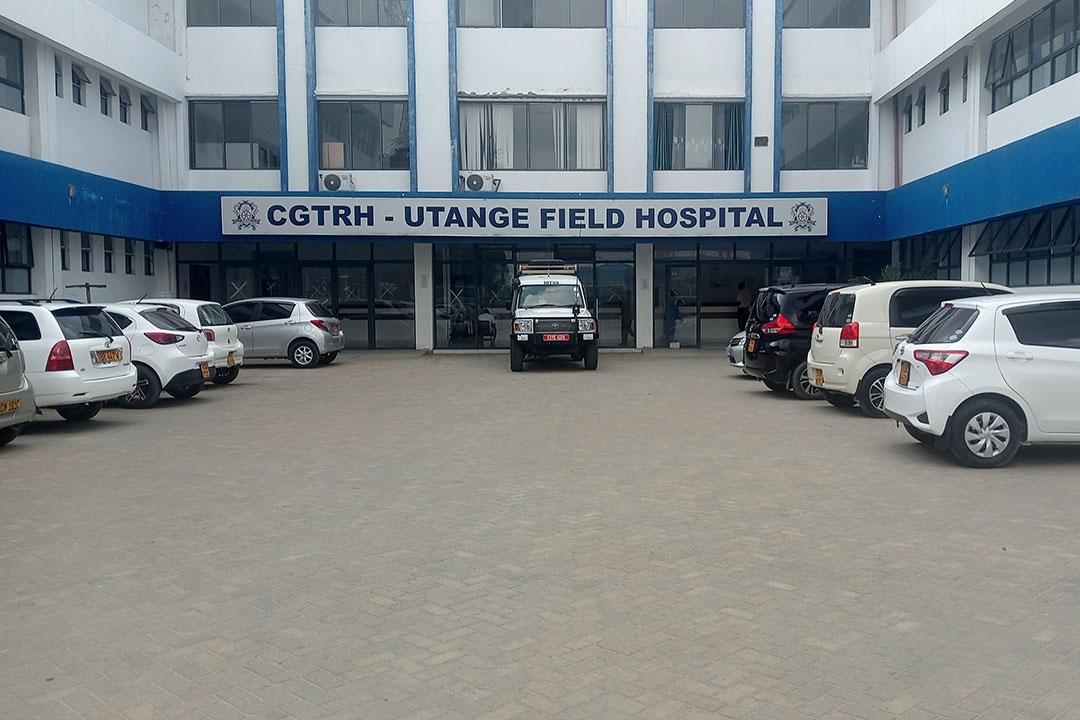
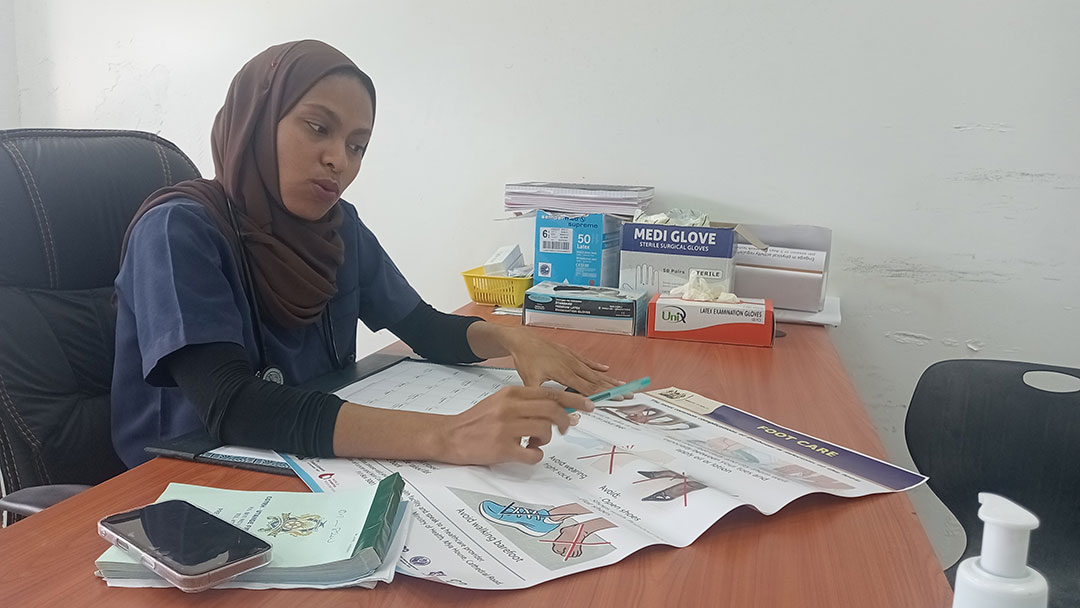
At the Utange Field Hospital Isolation Centre in Mombasa, on the Kenyan Coast, Suheila Salim Hemed is on standby. A new suspected mpox patient is expected, and Hemed is handling triage.
Her qualifications for this frontline role are twofold: she’s a registered nurse and she numbers among the health workers who were prioritised for mpox vaccination in Mombasa.
Since mpox was first reported in Kenya in July 2024, more than 1,170 people have fallen sick with the virus and 19 people have died nationwide. But Hemed feels safe. “Our shifts last for six hours daily, and no nurse or staff [has] contracted mpox, because the vaccines protected us.”
Triaging an epidemic
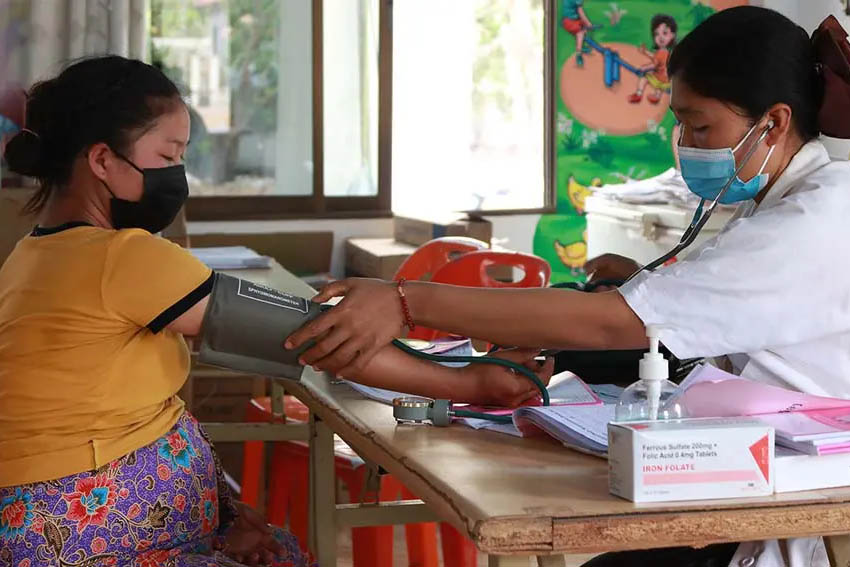
The triage nurse is a critical node in the disease control effort, making sure that patients – who have ranged in age from three weeks to 78 years – get to the right place for the right care.
“After documenting, we take the patient to a private room where we now examine the body to determine if it’s mpox, scabies or any other dermatology diseases,” Hemed explains. “If it’s mpox, we inform the doctor in charge, and the samples are taken from the patient for further explanation from the laboratory. While [patients] wait for medical results, we also counsel them.”
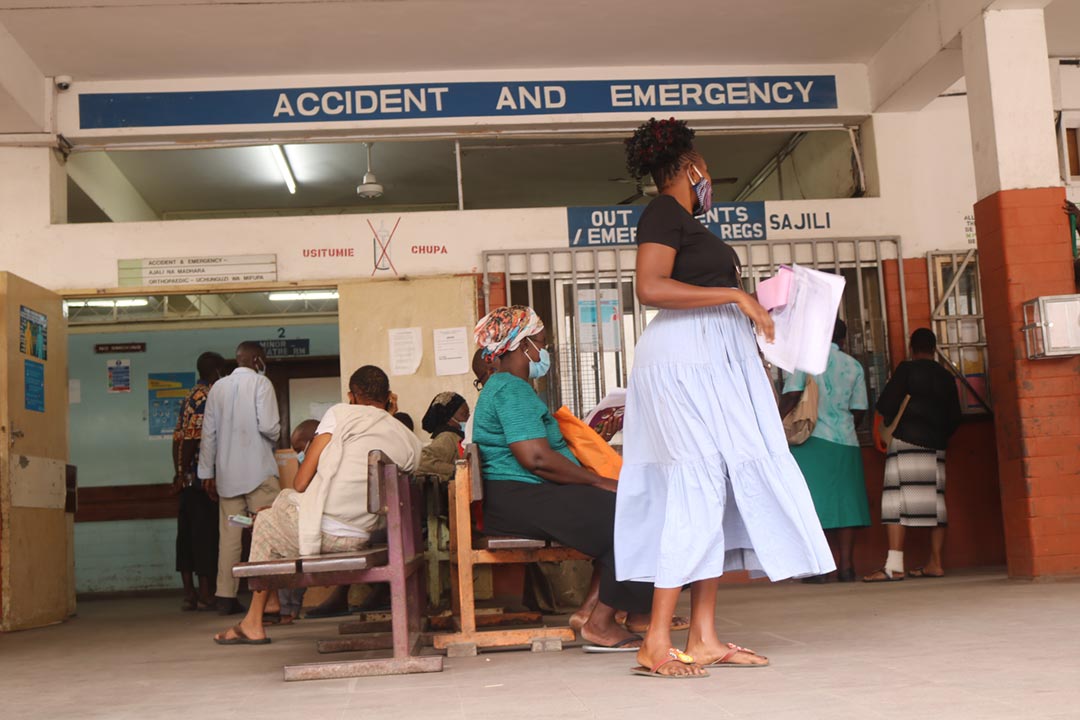
Mpox, a viral disease characterised by skin rashes, is very contagious, and in the effort to contain it, treatment centres also double as isolation centres. This one, at Utange, was established with support from Médecins Sans Frontières (MSF), the World Health Organization (WHO) and other partners. Mombasa County has seen Kenya’s highest rate of mpox infection.
The isolation centre is divided in two sections: the Red Zone and the Green Zone.
The Green Zone is the uncontaminated, safe area, where staff and unexposed individuals are admitted, though all are required to follow strict protocols to prevent contamination.
The Red Zone is a high-risk, restricted area where suspected, probable, or confirmed mpox patients are housed and receive care and treatment. Access is authorised only for patients and designated health workers in full personal protective equipment (PPE). A screen allows patients to see their relatives and visitors from a safe distance.
A visit to the Red Zone
Dr Nihal Nabhani, medical officer at the Utange facility, says there is no specific treatment for mpox. Doctors provide supportive care that targets the disease’s symptoms.
“If a patient has fever, diarrhoea, [or] vomits, we treat the same. For the lesions we apply different creams. We started with acyclovir, we moved to calamine lotion, olive oil as well, but that's just for relief of symptoms because they used to say it was itchy, it was painful,” Dr Nabhani explained.
Credit: Diana Wanyonyi
Patients have stayed on the red zone wards for variable periods, he said. While the standard isolation period is 21 days, patients may not be ready for discharge yet at that point.
“If lesions have completely dried, crusted and fallen off, then the patient is safe to send home. The challenge happens when a patient whose is immunocompromised with HIV is infected: their length of stay would be longer if they didn’t take medications,” he said.
Most of Kenya’s mpox fatalities have been coinfected with HIV. Seven of the patients admitted to the Utange Centre have died, Dr Nabhani reported.
Isolating at home
Not all of Mombasa’s mpox patients have completed their quarantine in health institutions. Clare Cherono* underwent supported home isolation.
Like many of the people who have fallen sick in this epidemic, Cherono was a sex worker, and contracted the virus in 2024 from a regular client. He had developed a visible rash, she said, but public education campaigns had not yet reached Cherono, and she simply didn’t realise that the rash was a sign of mpox.
On the same day that she had unprotected sex with that client, she unknowingly transmitted the virus to her boyfriend. Ten days later, both were diagnosed with mpox.
“Fever, dizziness and headache took toll of my body,” Cherono says. “My private parts had many big rashes and they were oozing pus. It was painful and uncomfortable. I assumed it was a sexually transmitted disease, but as the situation got worse, I reached out to one of the seniors of COSWA-K and I explained my situation to her.”
COSWA-K is the Coast Sex Workers Alliance, Kenya, one of many such organisations that stepped up in the early days of the crisis to support the government-led public health efforts against the virus, while looking out for the health rights of their members.
“She said that she suspects it’s mpox, and she sent a trained mpox health officer from Mvita Sub-county who came and advised me to go to Tudor Sub-county hospital for the lesion swab,”
recalls Cherono.
Once health inspectors had assessed their home for suitability, Cherono and her boyfriend were permitted to quarantine inside their two-bedroomed house. They were equipped with WHO guidelines on mpox home care.
They both received free medication, food and drinking water on a daily basis until they were healed. Today, Cherono is vaccinated, and an mpox vaccine champion.
Isolate or vaccinate? Shielding against transmission
While isolation of confirmed cases remains indispensable, governments across Africa were eyeing another brake on transmission from the earliest days of the epidemic.
But the scale of demand was part of the problem: mpox was spiking, and vaccines were in limited supply. Mombasa’s first roll-out was a limited, strictly prioritised affair: a single-dose jab was provided for free by trained local health workers to individuals judged to have the highest exposure risk in the sub-counties of Jomvu and Changamwe.
In 2026, Mombasa, Kilifi and Busia Counties were selected to for a second phase roll-out, to take place across three July days.
Two days of training preceded it. Vaccinators, peer educators and community health promoters all needed to be equipped with the knowledge and skills to support the vaccination campaign.
Caroline Agutu, Mombasa County Health Promotion Officer, said part of that work – and part of her job – was ensuring sufficient public awareness of mpox, to avoid escalation of potentially disruptive rumours, misinformation and disinformation.
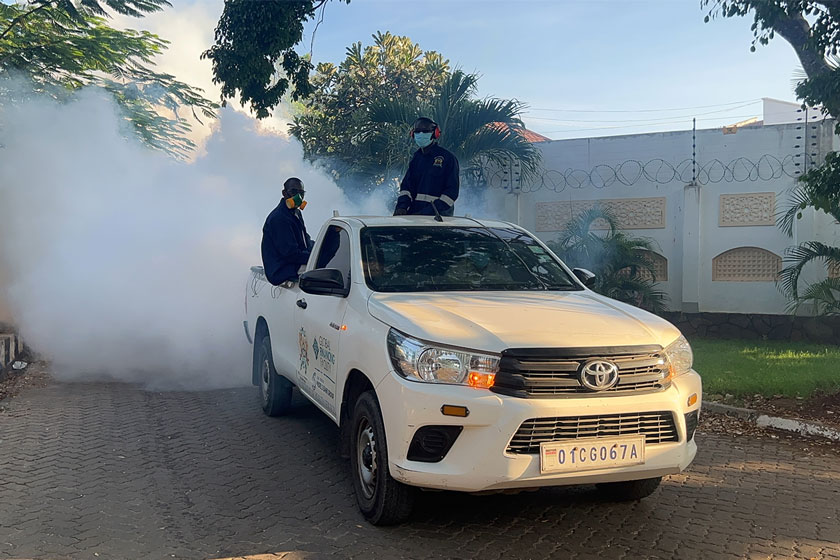
Media and printed flyers with mpox prevention and control messages were pasted on walls of areas where people pass in large numbers. Community Health Promoters (CHPs) moved from door to door to disseminate the same messages.
Credit: Diana Wanyonyi
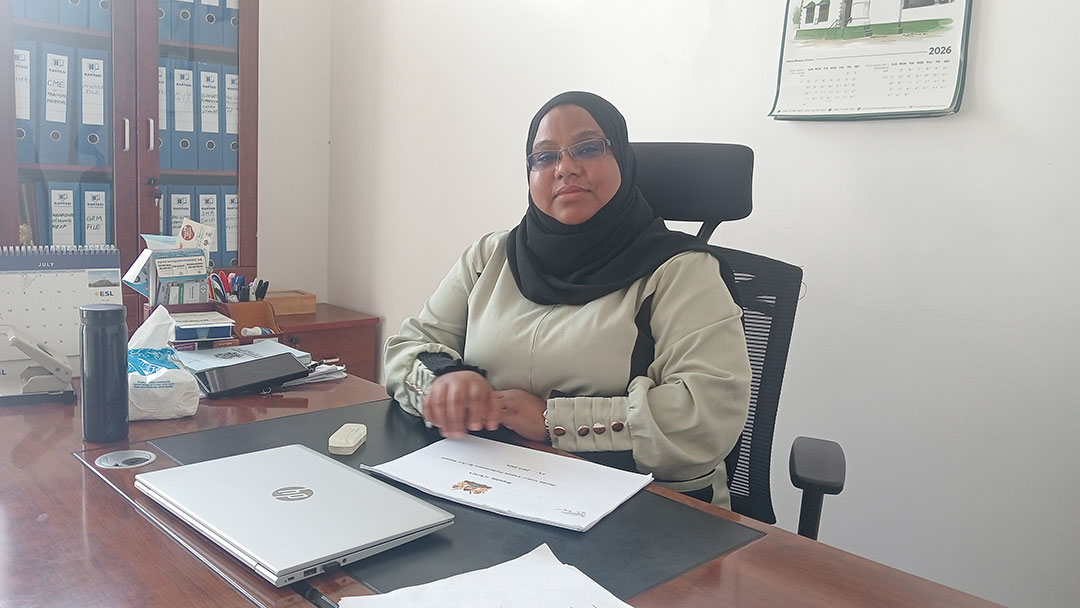
Dr Khadija Soud, Medical Superintendent of Utange Field Hospital, applauded the vaccination campaign, saying it has been an important addition to the overall response, particularly for protecting people at higher risk of exposure, especially the truck drivers and commercial sex workers.
“When combined with surveillance, contact tracing, risk communication and infection prevention measures, vaccination can actually help reduce transmission and the risk of severe disease. But however, this trend in admissions cannot be attributed to vaccination alone.
"We continuously monitor surveillance data, laboratory-confirmed cases and hospitalisation patterns to assess the impact of all interventions together to guide the future public health decisions,” said Soud.
Hemed, the trained nurse who is at the forefront of receiving mpox patients, says she is missing them as they were part of her life, and wishing them good health wherever they are.