
Eight numbers that explain the impact of Gavi, the Vaccine Alliance in 2025
In the time it takes you to read this article, Gavi-supported vaccines will have saved 25 lives.
- 7 October 2026
- 6 min read
- by Gavi Staff
When 2025 began, the world was already facing a difficult mix of rising fragility, conflict, climate shocks and mounting debt.
Then came unprecedented cuts to official development assistance (ODA), which put pressure on health systems in many of the countries that need them most.
In 2025 alone, Gavi-supported vaccines prevented more than 2.2 million future deaths. That’s around 6,000 every day, and the most in any single year in Gavi’s history.
Despite these challenges, Gavi's 2021–2025 strategic period closed out with another record-breaking year, in which the Vaccine Alliance helped immunise more children and prevent more deaths than ever before.
It also saw continued progress on another, quieter, historic shift. With sovereignty and country ownership top of the global agenda, the countries supported by Gavi are now using more of their own resources to pay for their vaccines than ever before.
Alongside this progress came rapid responses to outbreaks of cholera, measles, mpox and more. Here are eight key numbers from Gavi’s 2025 Annual Progress Report.
1. More than 23 million lives saved since 2000
In the time it takes you to read this article, around 25 lives will have been saved by Gavi-supported vaccines.
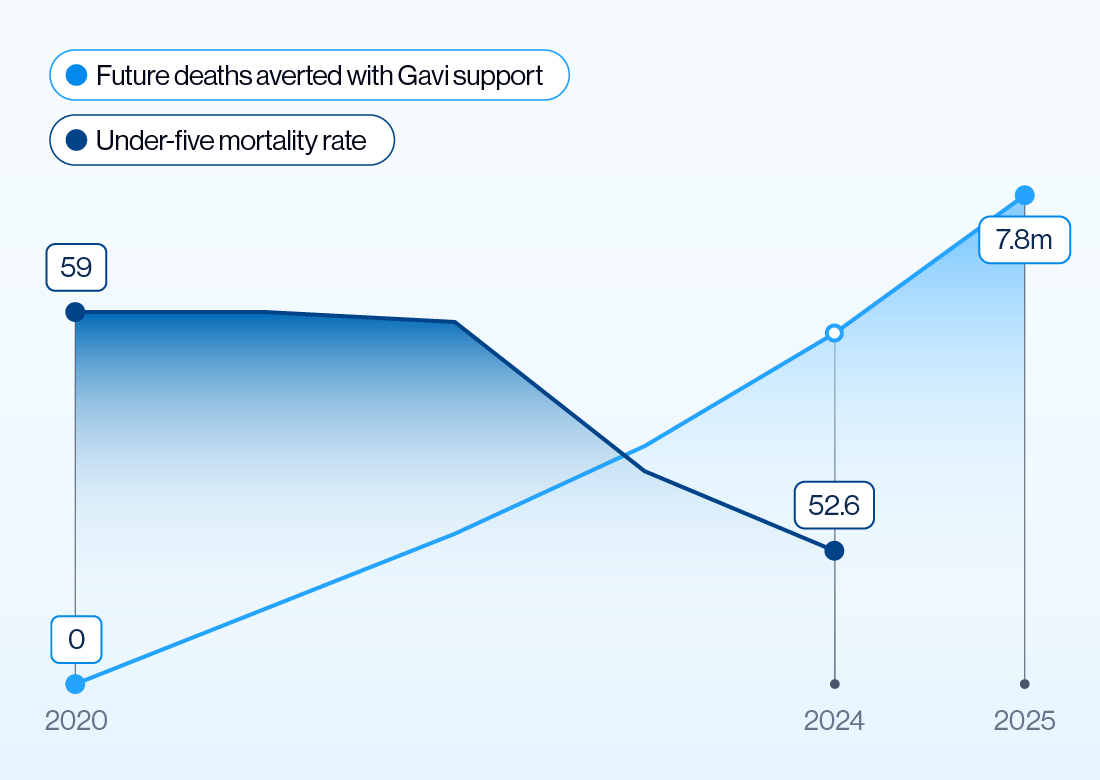
In 2025 alone, Gavi-supported vaccines prevented more than 2.2 million future deaths. That’s around 6,000 every day, and the most in any single year in Gavi’s history. It means the Alliance met its target for the 2021–2025 strategic period, with more than 7.8 million future deaths averted from 2021 to 2025 and more than 23 million since 2000.
The impact is stark. In the 57 Gavi-supported lower-income countries, the under-five mortality rate fell from 59 to 52.6 deaths per 1,000 live births between 2019 and 2024. That 11% drop beats the target of a 10% reduction, despite the disruption of the COVID-19 pandemic.
Vaccines against pneumococcal disease, rotavirus and Haemophilus influenzae type b (Hib) are a big part of the story. These are leading causes of pneumonia, diarrhoea and meningitis, and Gavi-supported countries continue to have higher coverage of all three than the rest of the world.
2. More than 1.3 billion children immunised since 2000
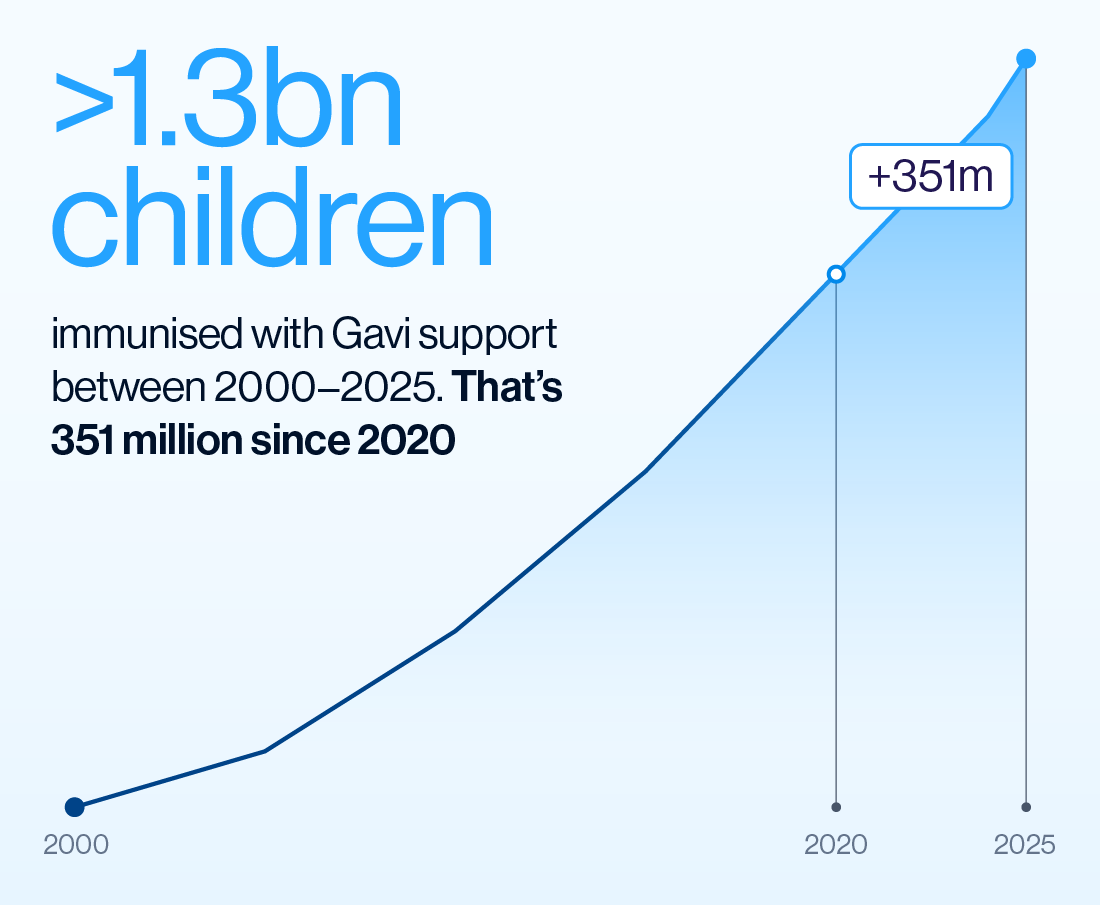
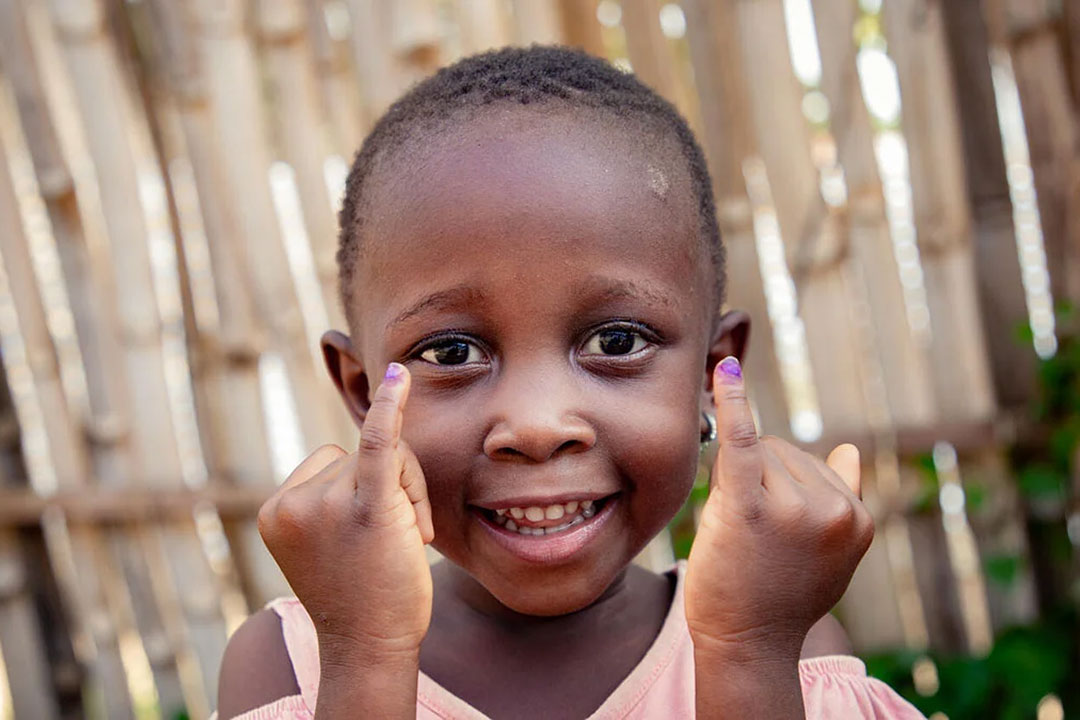
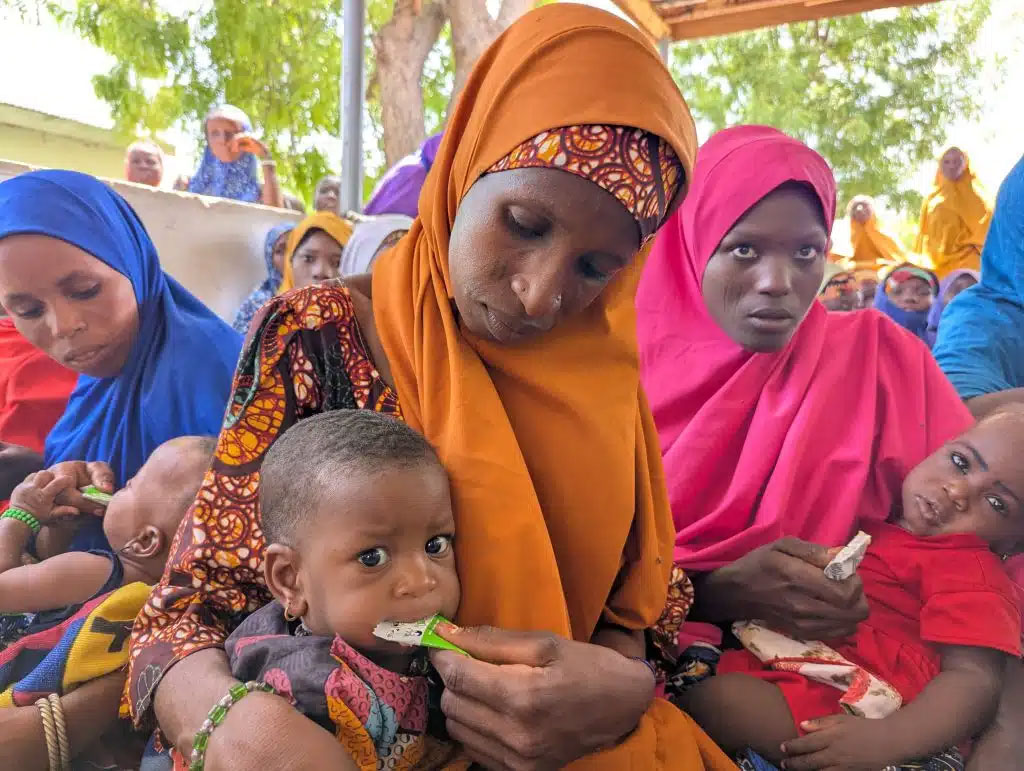
In 2025, countries immunised more than 73 million children with Gavi support, more than in any previous year.
That brings the total for 2021–2025 to more than 351 million, well above the target of 300 million. It also takes the total since 2000 past 1.3 billion, which is roughly one in six people alive today.
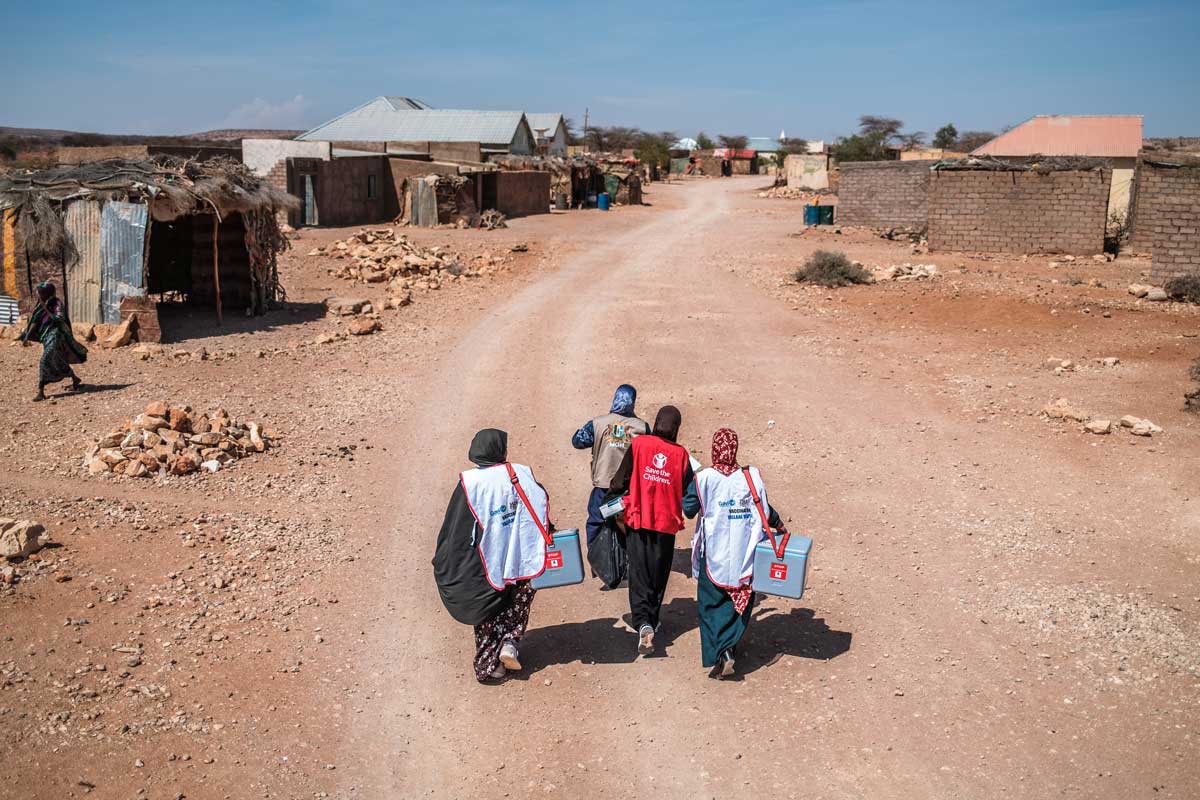
Gavi also supported 84 vaccine introductions and preventive campaigns in 2025 and 50 outbreak response campaigns. Since 2000, preventive campaigns against diseases such as measles, polio, yellow fever and meningitis have delivered more than 2.4 billion vaccinations.
Children are being protected against more diseases, too. Breadth of protection, a measure of average coverage across the vaccines in Gavi’s portfolio, rose to 65% in Gavi-supported countries in 2025. For the first time in history, that is equal to the rest of the world.
3. The immunisation gap narrows to its smallest ever
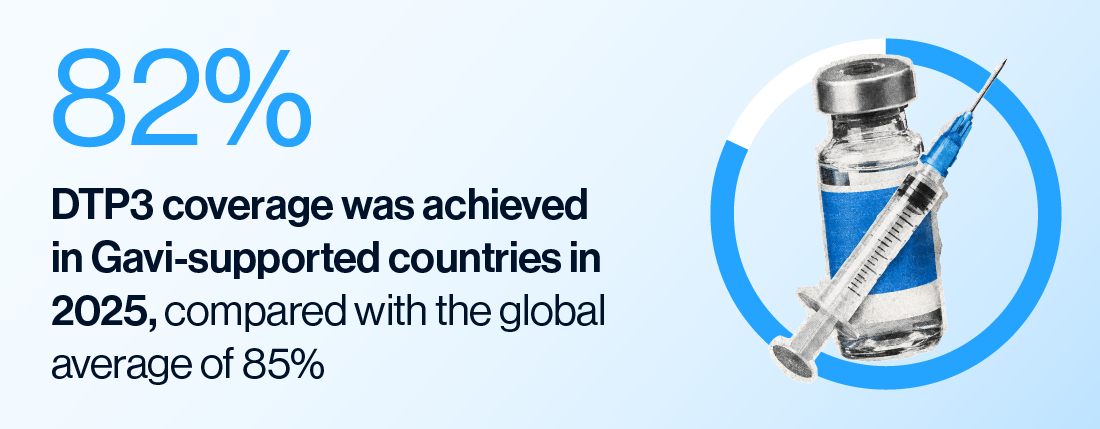
In 2025, Gavi-supported countries raised coverage of the third dose of diphtheria, tetanus and pertussis-containing vaccine (DTP3) to 82%, against a global average of 85%.
That is the smallest gap on record. Three quarters of the 57 Gavi-supported countries maintained or increased their coverage compared with 2024, the largest proportion since 2003. Because populations are growing, they also reached more children with these basic vaccines than ever before.
4. More than 35 million girls protected against HPV in 2025, the highest number per year yet
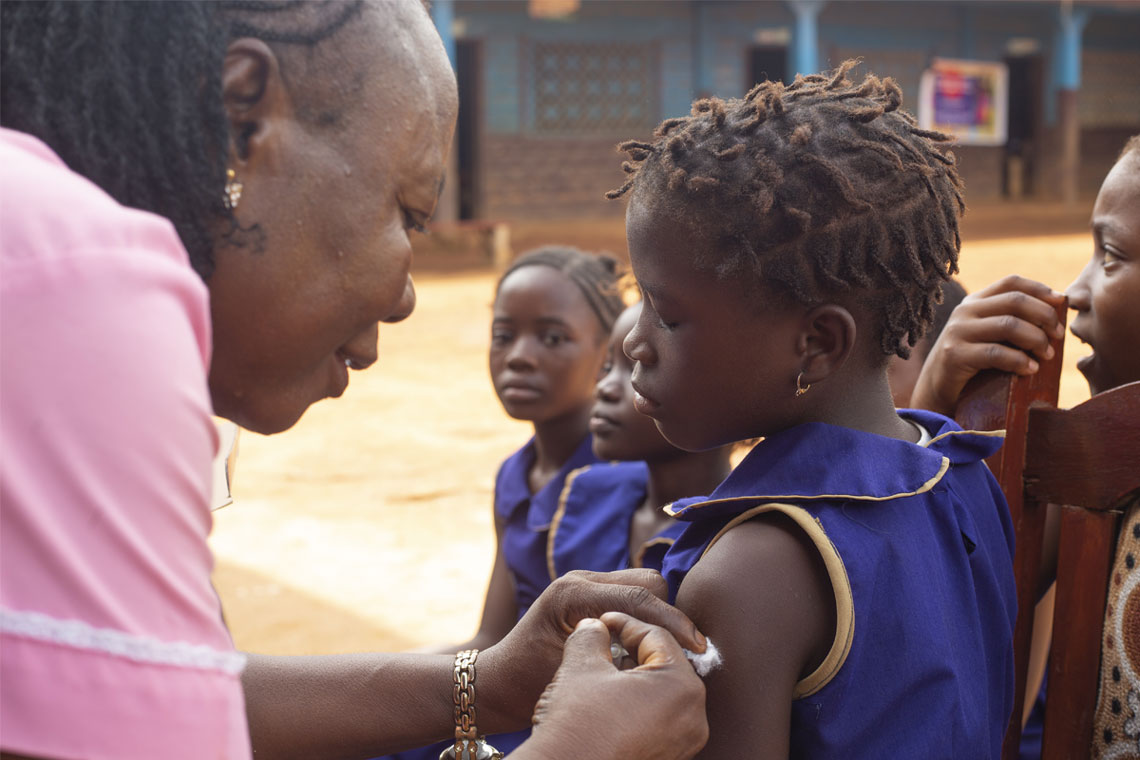
In 2025, more than 35 million girls were fully immunised against HPV in lower-income countries with Gavi support. HPV causes almost all cases of cervical cancer, which killed more than 279,000 women in 2024, 90% of them in low- and middle-income countries.
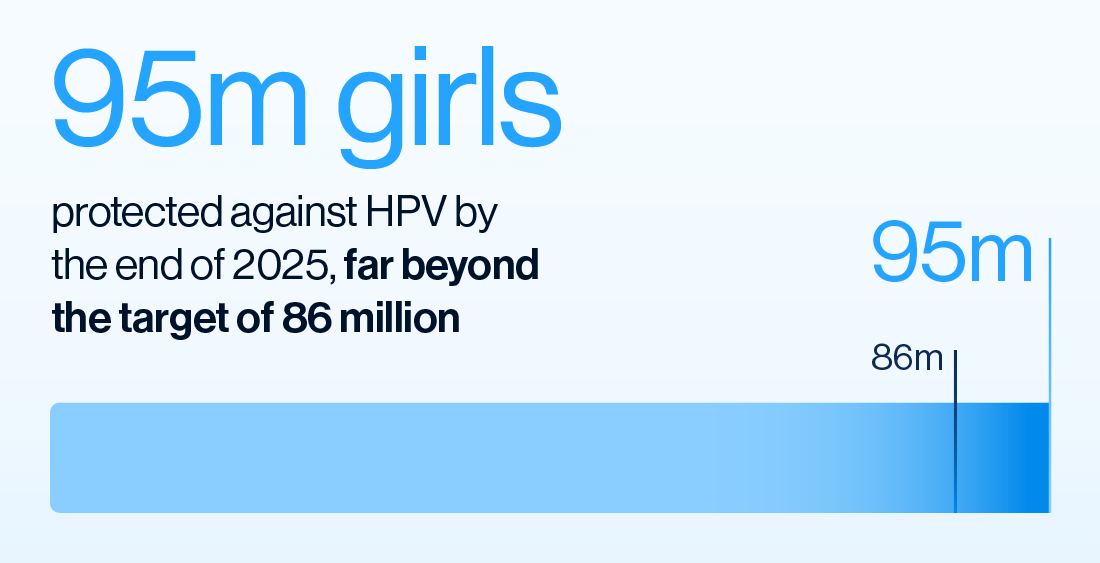
By the end of 2025, more than 95 million girls had been protected, far beyond Gavi’s target of 86 million. Together, these vaccines are expected to avert more than 1.9 million future cervical cancer deaths. Fifty-three countries now run national HPV vaccination programmes with Gavi support, up from 18 before the pandemic. A future free from cervical cancer is within sight.
5. Malaria vaccines reached 24 African countries
Young children in Africa account for around three quarters of all malaria deaths worldwide. After the first malaria vaccines were introduced into routine immunisation in 2024, the roll-out gathered pace in 2025.
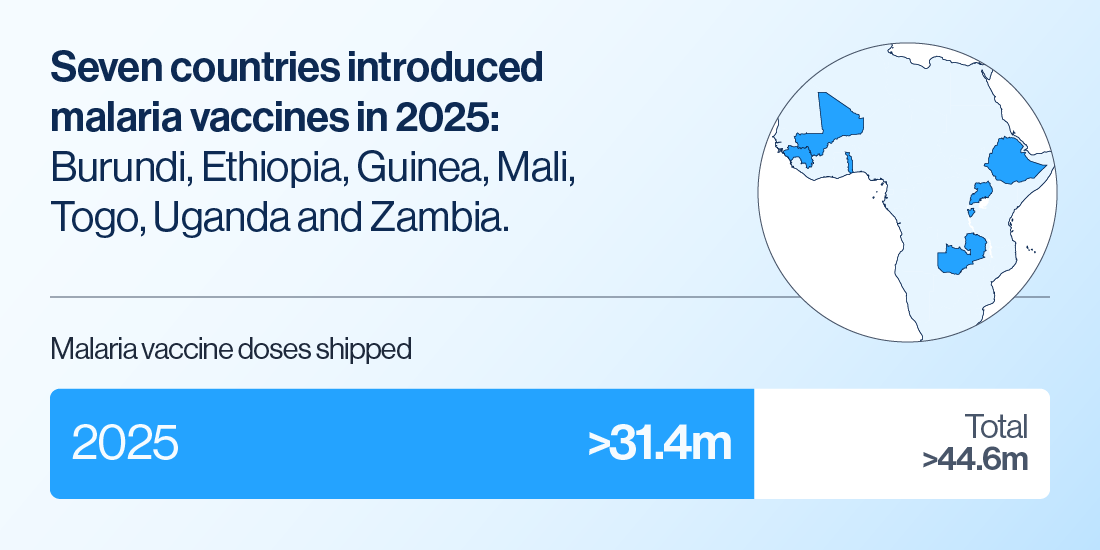
Seven more countries introduced them last year: Burundi, Ethiopia, Guinea, Mali, Togo, Uganda and Zambia. That brings the total to 24 African countries, making this one of the fastest vaccine scale-ups in history.
By the end of 2025, more than 44.6 million doses had been delivered, over 31.4 million of them in 2025 alone. Early reports from Kenya, Malawi, Ghana and Cameroon show substantial reductions in severe malaria cases and hospital admissions among vaccinated children.
6. 600,000 fewer zero-dose children
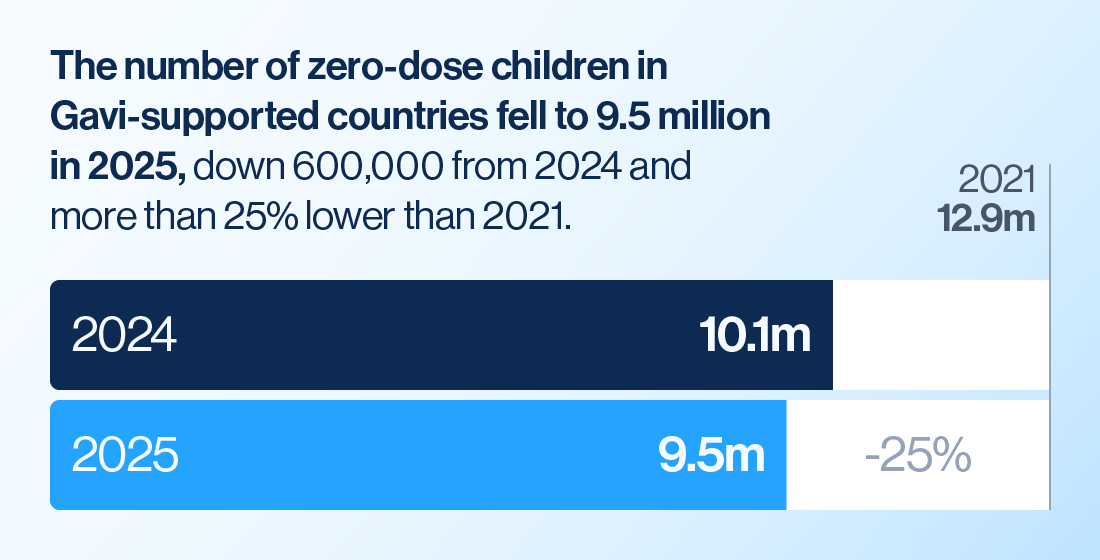
In 2025, the number of zero-dose children (those who haven’t received a single dose of diphtheria, tetanus and pertussis-containing vaccine by their first birthday) in Gavi-supported countries fell to 9.5 million, down 600,000 from 2024.
That is 25% lower than the 2021 peak of 12.9 million, when the COVID-19 pandemic badly disrupted routine immunisation. However, the number is still 4% higher than in 2019.
There were strong signs of progress. The gap in routine immunisation coverage between Gavi-supported countries and the rest of the world reached its lowest-ever level. Twelve fragile and conflict-affected countries that are home to a quarter of zero-dose children worldwide raised coverage from 61% to 66%, led by a strong recovery in Sudan.
7. More than US$ 308 billion in economic benefits since 2000
When children stay healthy, families avoid medical bills and lost wages, and countries benefit from more productive populations. In 2025, Gavi-supported immunisations generated more than US$ 30 billion in economic benefits in Gavi-supported countries, the highest amount in a single year.
That takes the total for 2021–2025 to more than US$ 104 billion, beating the target of US$ 100 billion. The total since 2000 is now more than US$ 308 billion.
8. US$ 2.2 billion in co-financing since 2008
Under Gavi's co-financing policy, countries contribute a share of the cost of their Gavi-supported vaccines, that share rising as their economies grow. In 2025, despite fiscal pressures and instability, Gavi-supported countries contributed nearly US$ 301 million, the highest amount yet in a single year.
From 2021 through 2025, countries contributed US$ 1.1 billion, matching everything they had contributed in the previous 13 years combined. That brings the total since the co-financing policy began in 2008 to US$ 2.2 billion. All countries fully met their 2025 obligations, apart from six that received waivers because of humanitarian crises.
Fifty-six vaccine programmes first introduced with Gavi funding are now fully self-financed, up from 40 in 2018. With donor budgets under strain, that growing country ownership will matter more than ever.
Read Gavi's 2025 Annual Progress Report
More from Gavi Staff