
With few oncologists, Zambia’s nurses lead the charge against cervical cancer
It has the third-highest rate of cervical cancer in the world, and just a handful of oncologists. But that’s not stopping Zambia from bringing the fight to cervical cancer.
- 24 June 2026
- 7 min read
- by Tsitsi Bhobo
At a glance
- Zambia has the third-highest rate of cervical cancer in the world, with more than 2,200 deaths from the disease recorded in 2022 alone.
- With just six oncologists available countrywide, Zambia has, since 2006, been training up a large cohort of nurses to screen for, treat, and vaccinate against the cancer – in short, to lead the fight against it.
- Veteran nurses say they are seeing a difference among their patients, with fewer patients showing up with advanced illness, and more patients taking steps to protect themselves preventively.
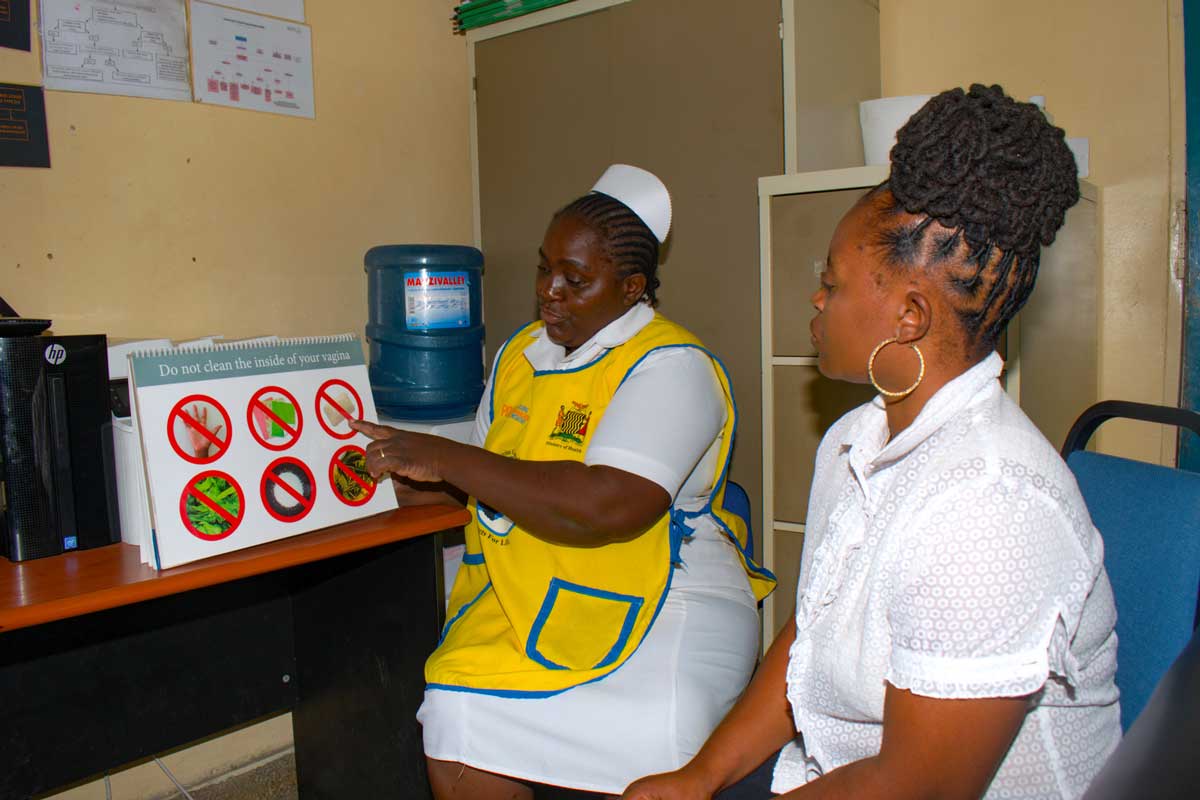
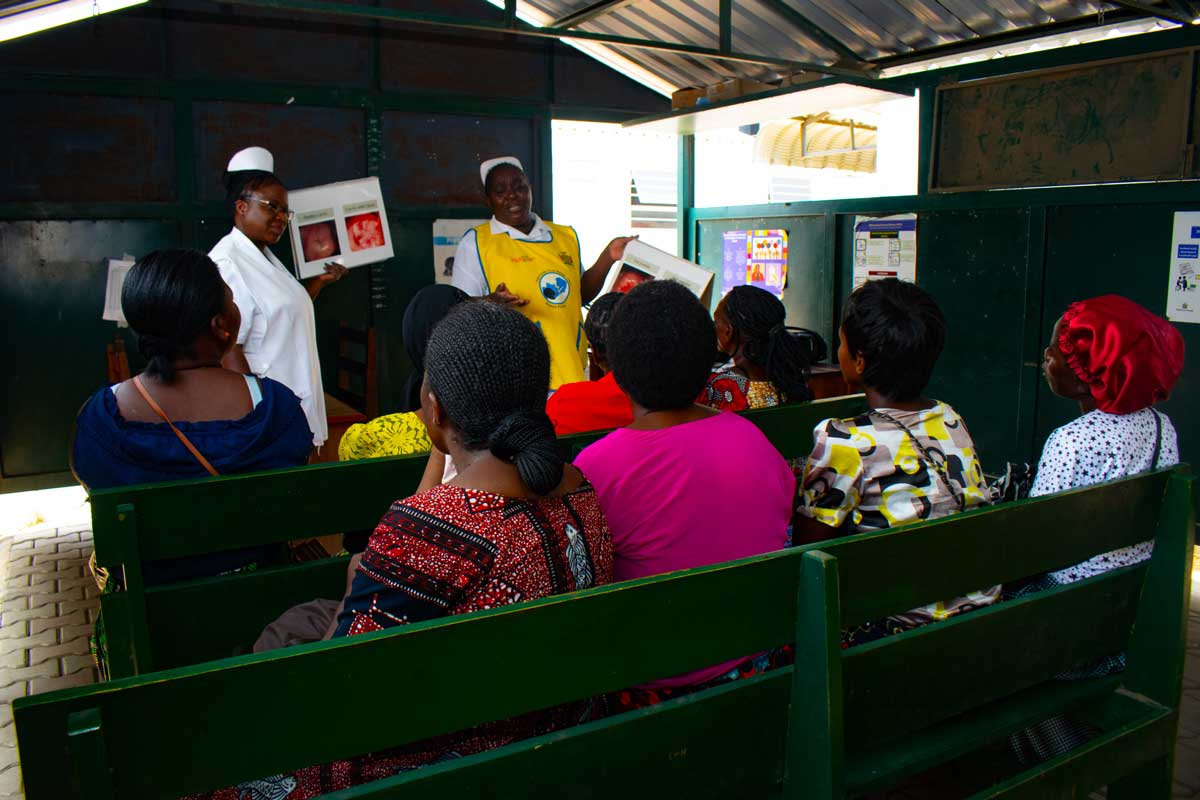
It’s just after sunrise in Kafue, a town in southern Zambia. The patients’ corridor at a clinic is already buzzing with the hushed voices of mothers and daughters. They are squeezed on benches, paper health cards clutched in hands. In the main room sits Sister Aida Shilongo, who for the past ten years has waged a valiant battle against cervical cancer.
“We have a happier story,” she says, pointing her pen to the patients waiting to consult her. In the past, women would only step into her clinic when they were already bleeding, frail and confused. “They often died,” she recalls.
The improvement she has witnessed in the availability of care is arguably an unlikely one. Zambia has a shortage of oncologists and one of the world’s highest cervical cancer burdens. But it has built an unusually resilient clinical response model, with nurses staffing the frontline.
Re-engineering
With incidence rates of 66.5 per 100,000, Zambia continues to have the third highest burden of cervical cancer in the world, according to the World Health Organization. It’s also the country’s single biggest cancer killer, causing the deaths of 2,285 women in 2022 alone.
One structural problem has long slowed efforts to ensure more women get help while clinical intervention can improve their outcomes. That is the dire shortage of specialist doctors – a consequence of a number of problems, including a lack of places for advanced study and emigration of the few qualified physicians to higher-paying jurisdictions like South Africa and the UK.
As per Ministry of Health data, only six oncologists are available in Zambia, for a population of 20 million residents. “We really need lots of specialist doctors to be on the frontline of the cervical cancer fight in Zambia’s public hospitals – them managing sophisticated procedures especially in remote districts. This is critical,” Shilongo says.
Still, she says she and her colleagues in nursing understood from the start that their people would suffer more if they waited decades for a new, hoped-for cadre of specialist doctors to complete their training and emerge into practice. “We had to seize the moment,” she says.
That moment dawned in 2006, when the Cervical Cancer Prevention Program in Zambia (CCPPZ), a collaboration between the Ministry of Health, the Centre for Infectious Disease Research in Zambia (CIDRZ), University Teaching Hospital in Lusaka and University of Alabama at Birmingham was launched, with nurses as its “backbone”.
The project started small, at just two high-volume health facilities in Lusaka. The work was targeted where it would have the most impact: in places where the HIV burden was high. Recalls Jane Matambo, the Manager of the Cervical Cancer Prevention Program at the CIDRZ, “from [a] small study, the results showed that we had a lot of large lesions and invasive lesions among women that are living with HIV. That’s how we advanced our lobby for funding to PEPFAR, and we got funded to commence population-level screening for cervical cancer,” she says.
It grew as and when it could. Over time, other partners like USAID, the Global Fund and UNITAID joined PEPFAR in support of the project. The Ministry of Health now coordinates activities and provides both the health facilities and workforce.
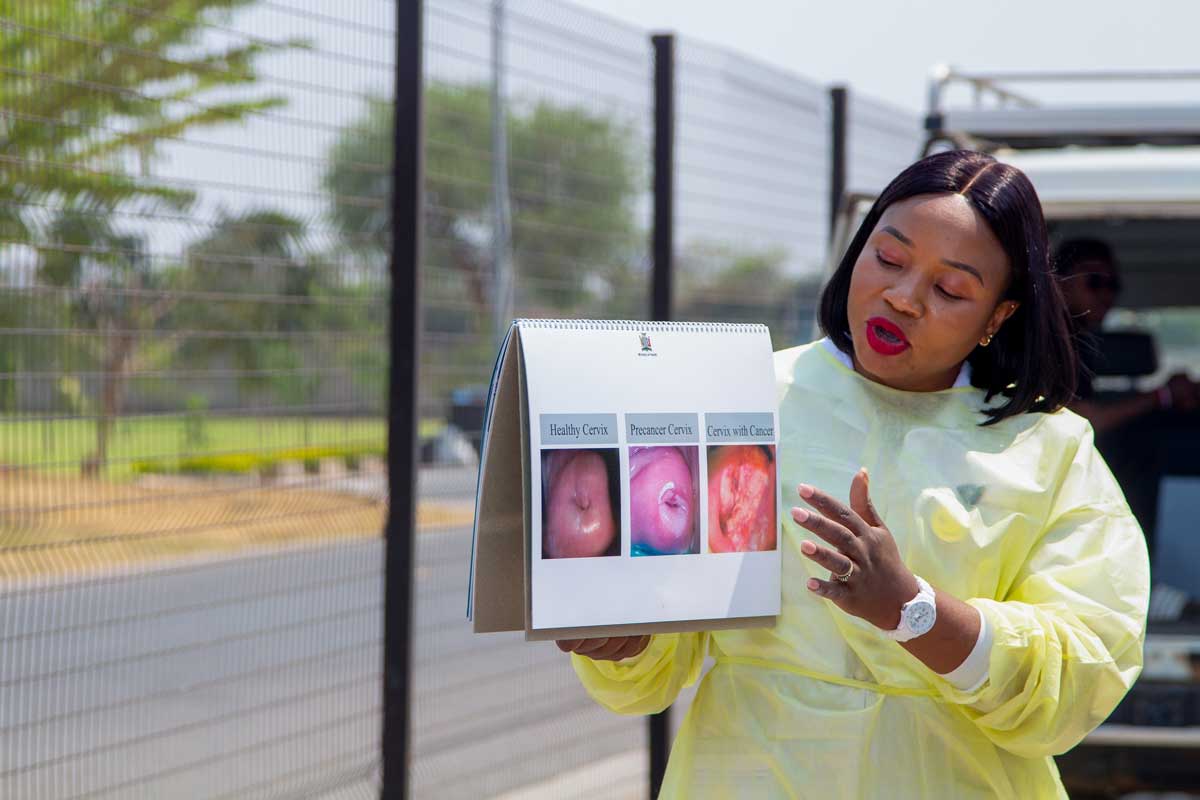
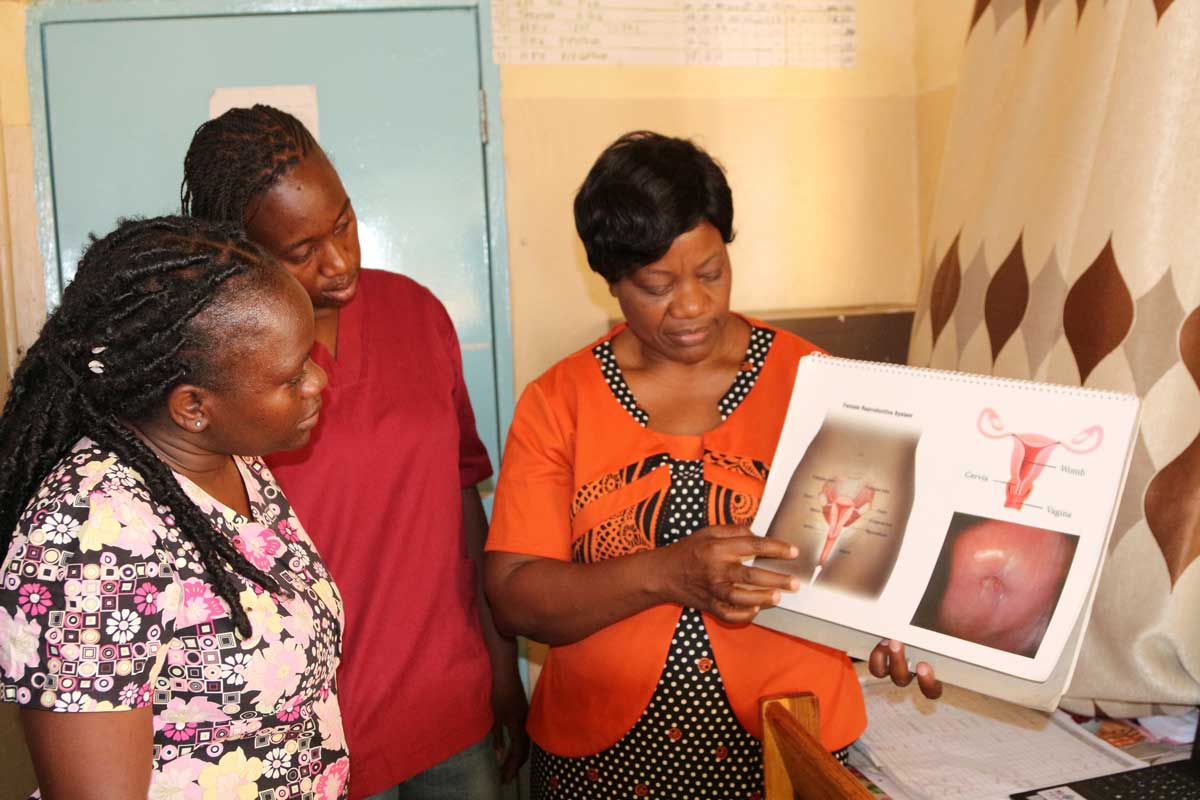
Training initially targeted just midwives, but later expanded to all nurses, Matambo says. They also learned not only how to conduct screening via Visual Inspection with Acetic Acid (VIA), but also to use cryotherapy to ablate precancerous lesions on the spot.
A “huge” programme
Scaling up the training was key. “A typical training is 12 days, with 3 days of didactics covering cervical cancer basics and then hands-on practical sessions. A new online training platform was introduced to shorten in-person training. Training is now decentralised to provinces,” she says.
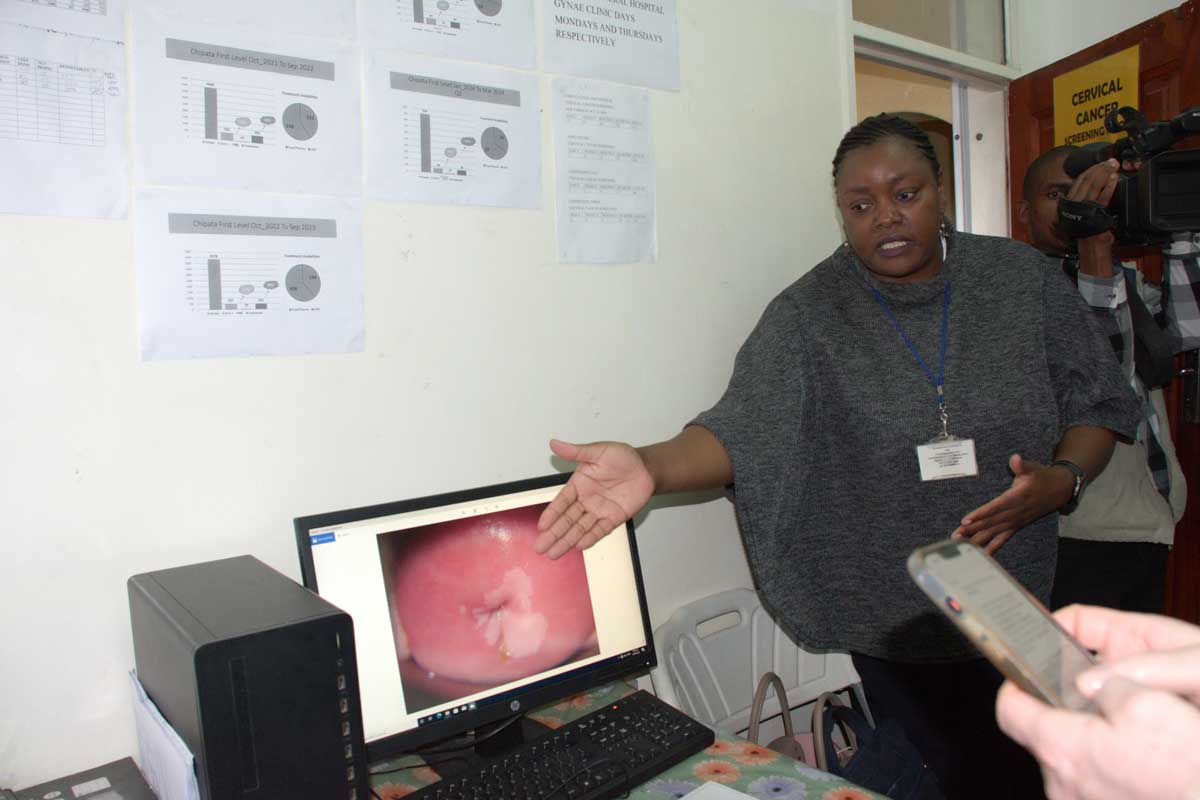
Matambo estimates that over 1,000 nurses have been trained overall, though exact numbers are hard to track due to the decentralisation of the training programme out to the provinces. At this point, the programme runs out of more than 522 screening centres and more than 900 HPV sample collection centres.
“This is actually a huge programme,” she says, explaining that nurses carry the programme on their shoulders, with doctors reserving their time and attention for the cases nurses aren’t equipped to handle.
That statistics testify to the rapidly accrued successes of the model – which, according to Misinzo Moono of the Department of Reproductive, Maternal, Newborn and Child Health at the Centre for Infectious Disease Research in Zambia, is owed heavily to early-doors integration with the pre-existing HIV programme.
Where in the early 2000s an all-time total of about 10,000 women in Zambia could claim ever to have undergone screening, by 2011, the CCPPZ had screened 56,000 women. Today, government data estimates that 1.5 million Zambian women have been screened at least once.
And while the HIV programme lent the programme its early direction and growth, the changing statistical breakdown of screening samples over time offers a picture of the CCPPZ’s growing autonomy. In 2006, 54% of the women getting screening by the CCPPZ were HIV-positive. By 2010, that proportion was down to 23%, as the programme broadened its scope beyond the most-at-risk.
At the same time, VIA positive rates eased from 47% in 2006 to 17% in 2010, as it became more normal for asymptomatic women to get checked by the local nurse.
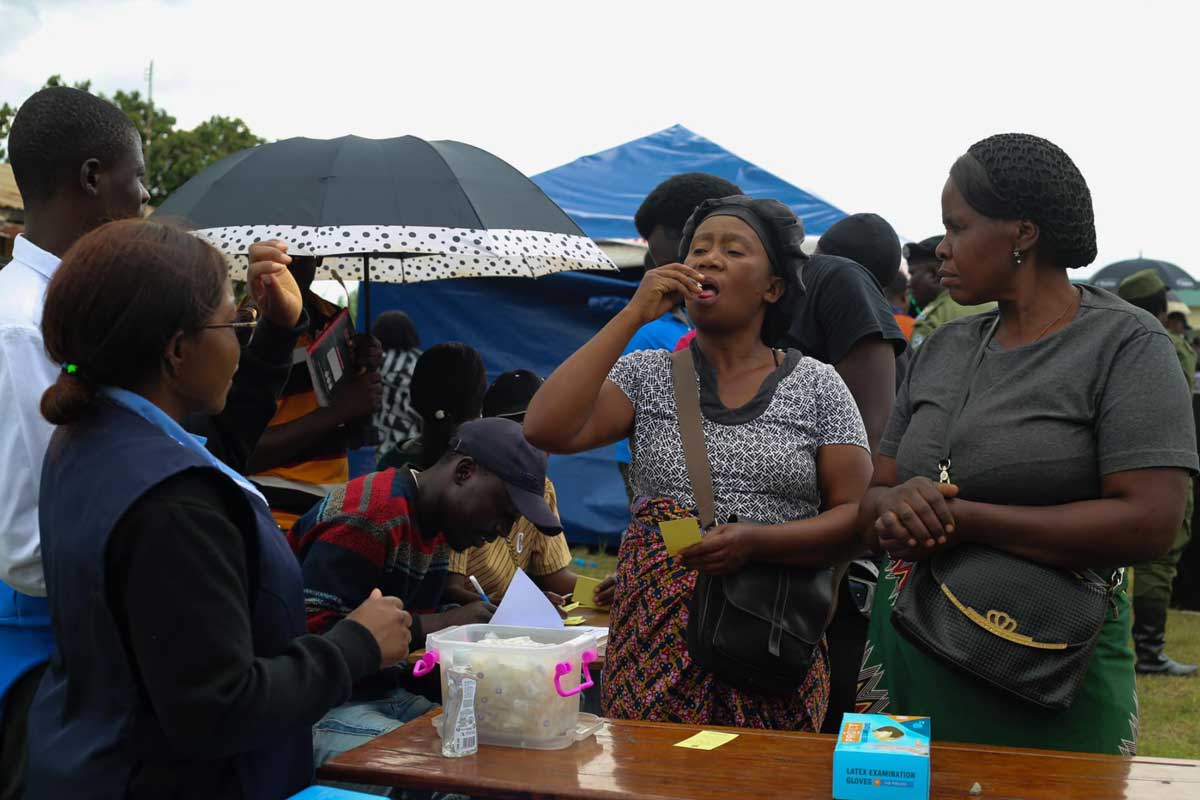
The CCPPZ’s initially restricted geographic footprint now stretches far beyond Lusaka, with a strategy to rope in village chiefs – who in turn mobilised local women for health talks – bearing fruit in the mid-2010s. One study found that across 10 chiefdoms, 83.9% of the roughly 10,000 women who attended the health talks between 2015 and 2016 voluntarily got screened directly afterwards.
Read more articles about cervical cancer
Overcoming doubts
It was at about that time that Sister Shilongo joined the programme. When she was trained, she recalls, she faced doubts. “Can mere nurses carry this fight at primary healthcare level?” said a physician friend who (ironically) later emigrated to Australia.
But the nurses gradually gained not only the primary-level clinical skills they needed, but also community trust – critical buy-in in a society that thinks all clinical decisions, “even simple ones”, are best taken by doctors, she says.
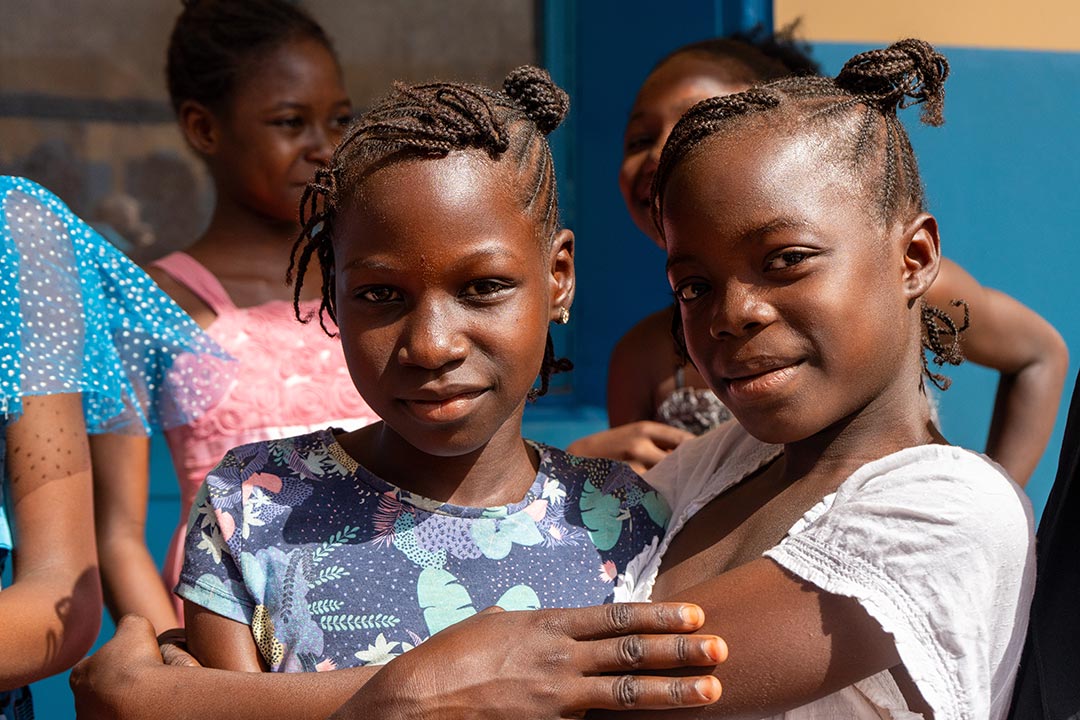
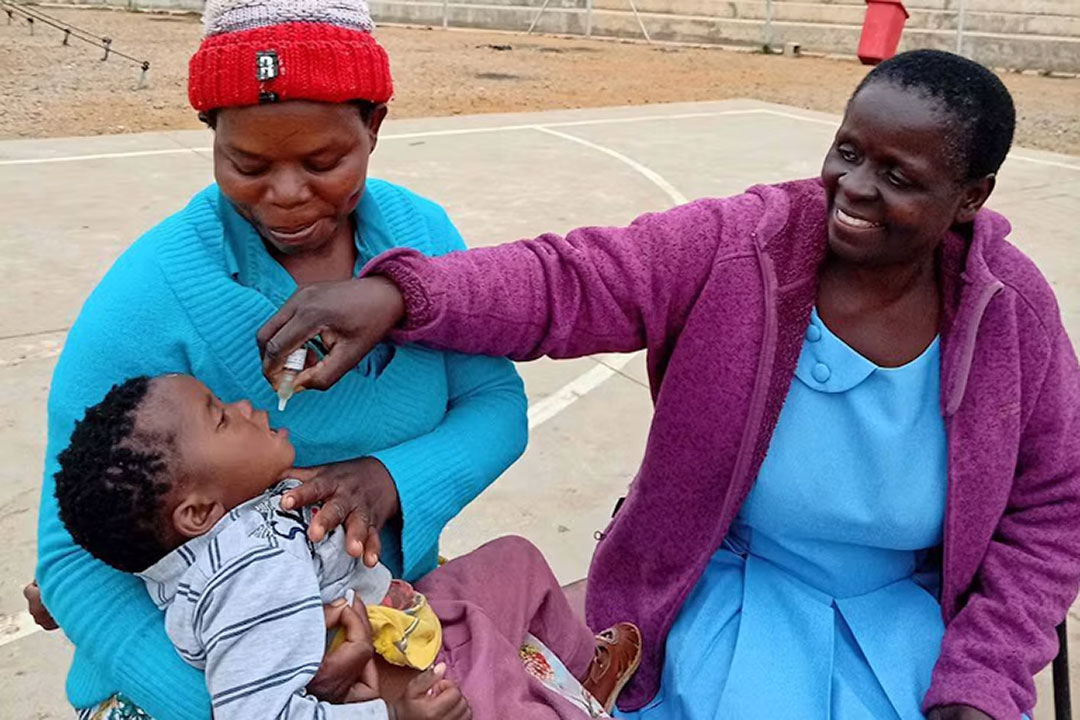
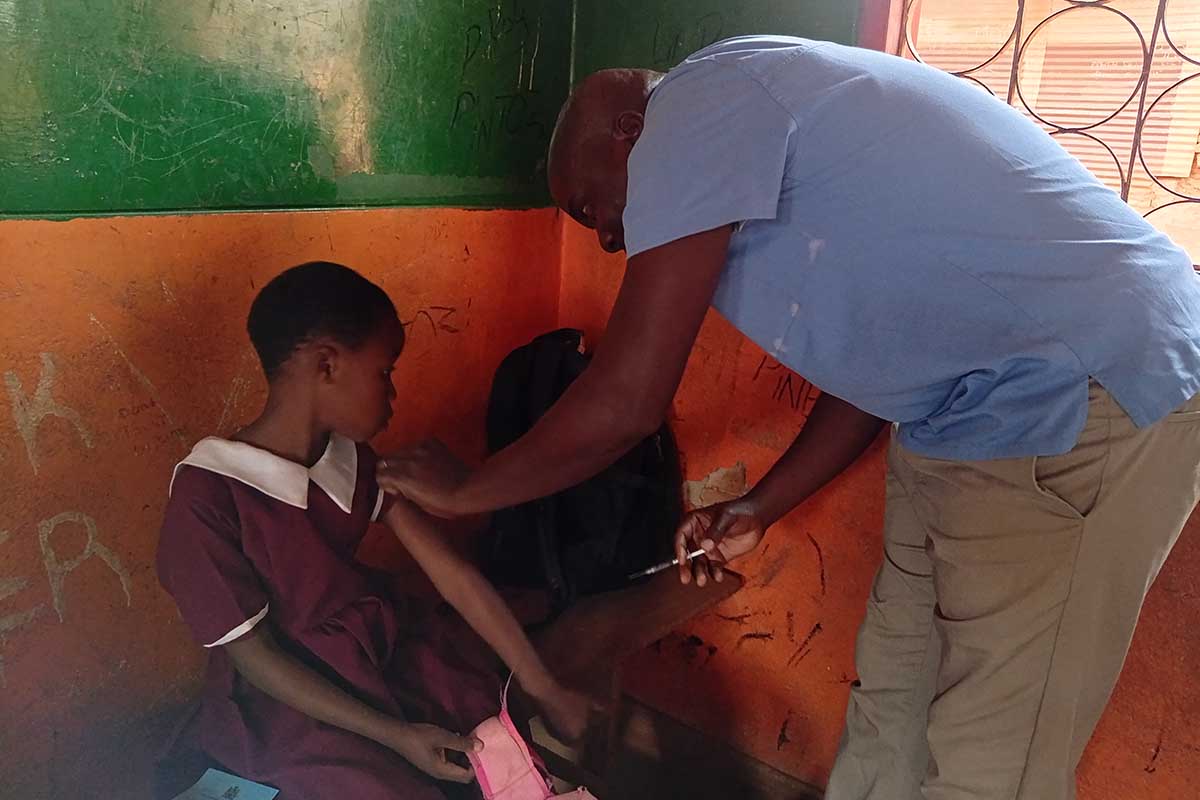
With the same down-to-earth pragmatism that has characterised it from the outset, the CCPPZ programme continues to expand when it can, and when it makes sense. Now, high-tech human papillomavirus (HPV) DNA testing is available bundled with VIA, and nurses organise and lead intensive school-based HPV vaccination campaigns within their immediate communities.
No day at work for Shilongo is the same.
Today, she motions for Unathi Bwana, a young mum, to step forward into her examination room for her first-ever screening.
Bwana wears a downcast expression; her sister succumbed to cervical cancer in 2023. She sits alert in front of Shilongo, who pats her on her shoulder to calm her. Sister Shilongo talks to her with empathy – explaining how the screening will feel, and how they’ll know her status clinically in a few minutes. The procedure is done with steady, skilful hands. It is a negative – and Banda smiles, and blows her lips out in a sign of relief.
“My fears have vanished,” she says, strolling past the clinic’s handwashing stations. “Nurses make the screening feel like a caring family affair.”
Success ingredients
Matambo says the CCPPZ’s success isn’t down to a single factor – political will, government ownership, multisectoral support and adequate funding for equipment and supplies are all critical, she says. But the nurses are the programme’s heroes, she adds.
Still, the responsibility to beat back cervical cancer in Zambia cannot be left to nurses alone, says George Sinyangwe, the Permanent Secretary in the Health Ministry. A successful cervical cancer programme needs doctors who are skilled in carrying out procedures like complex biopsies and histopathology exams, hysterectomies or trachelectomies, and who are licensed to prescribe and administer radiation or chemotherapy.
Hence, the government is working with the private sector, non-profits, local and foreign medical schools to expand more postgraduate opportunities for Zambia’s medical graduates. Money is being dedicated to expanding the number of residency trainings in obstetrics, gynaecology, and sub-specialty gynaecologic oncology within Zambia, he says.
“Paying them competitive salaries so that they stay here and serve our public clinics is also very important for us,” he added.
Reflection
At her clinic, the queues are slowly diminishing, but Shilongo reflects on a journey nurses have travelled under the CCPPZ program.
“We are in high spirits. HPV vaccination and mobilisation is rolling out of hospitals, into Zambia’s schools, churches, street mobile stations. Here in the clinic, nurses we are doing our part. I feel proud and patriotic,” she says.