
In rural Zimbabwe, ‘vaccine cyclists’ brave heat, dust and elephants to get girls protected from cancer
Amid shortages of doctors and nurses, village health workers are the keystone of care in rural Zimbabwe. To get further, faster, they’re now on bikes.
- 5 February 2026
- 5 min read
- by Tsitsi Bhobo
At a glance
- Rural parts of Zimbabwe like Kariba and Hurungwe have disproportionately low HPV vaccine coverage rates. To help patch those immunity gaps, community health workers are taking to their bicycles and cycling from house to house to spread the word about the cancer-blocking jab
- Health Minister Douglas Mombeshora says the bike-borne “village health workers” (VHWs) have helped get 22,000 girls immunised in Mashonaland West since the programme kicked off two years ago
- “The VHWs are our guardian angels,” says Kurehwa Majaivhana, 65, guardian to two orphaned granddaughters
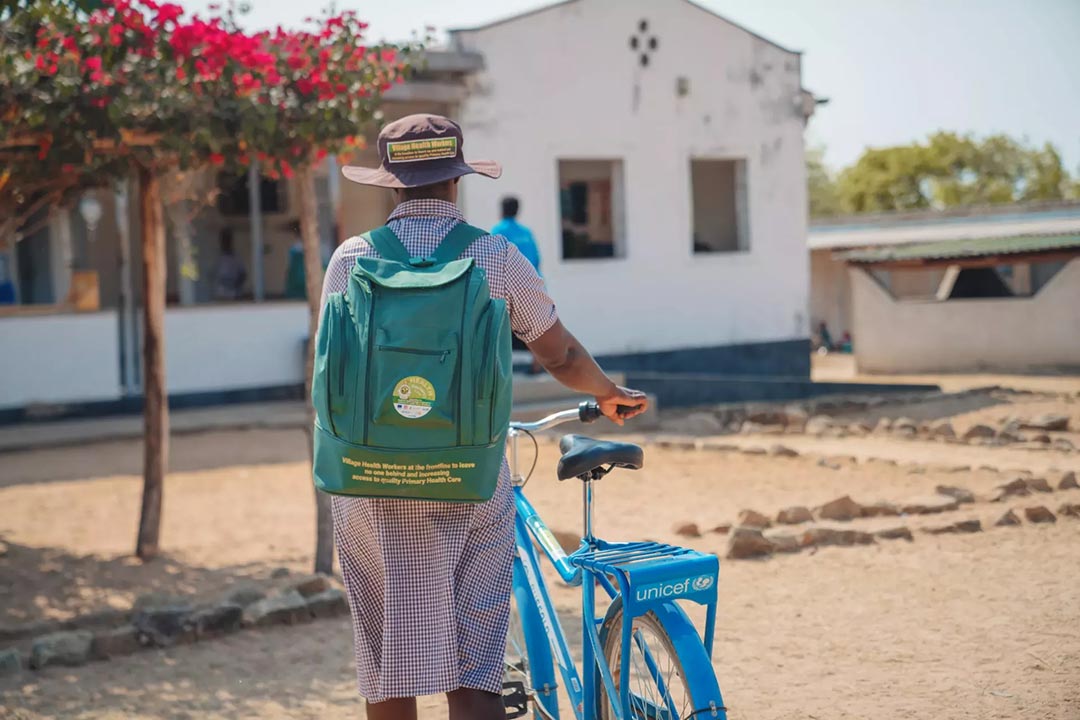
On a typical workday, Arnold Sita, 37, wobbles along dusty footpaths on his bicycle, stopping in at scattered homes in hopes of extending protection against cervical cancer to any eligible girl living there.
Zimbabwe has an 55% overall coverage rate with the cancer-blocking human papillomavirus (HPV) vaccine, and disproportionate immunity gaps exist in rural areas. In Kariba and Hurungwe, to the country’s northwest, village health workers (VHWs) like Sita have stepped up as “vaccine cyclists” to help remedy the shortfall.
It’s physically taxing work: Kariba is one of Zimbabwe’s hottest and most arid districts. Sometimes sharp thorns from shrub savannah trees puncture tires or tangle with spokes. More perilously, encounters with elephants among the baobab wildfruit trees are not uncommon.
“We know the wild elephants: we grew up around them, and we deftly don’t disturb them as we pursue the mission – HPV immunisation,” Sita says.
Zimbabwe recorded an estimated 3,520 new cases of cervical cancer in 2023. Sixty-six percent of women diagnosed in the country are expected to die with the disease, a far higher mortality rate than recorded in wealthier countries with more established screening programmes.
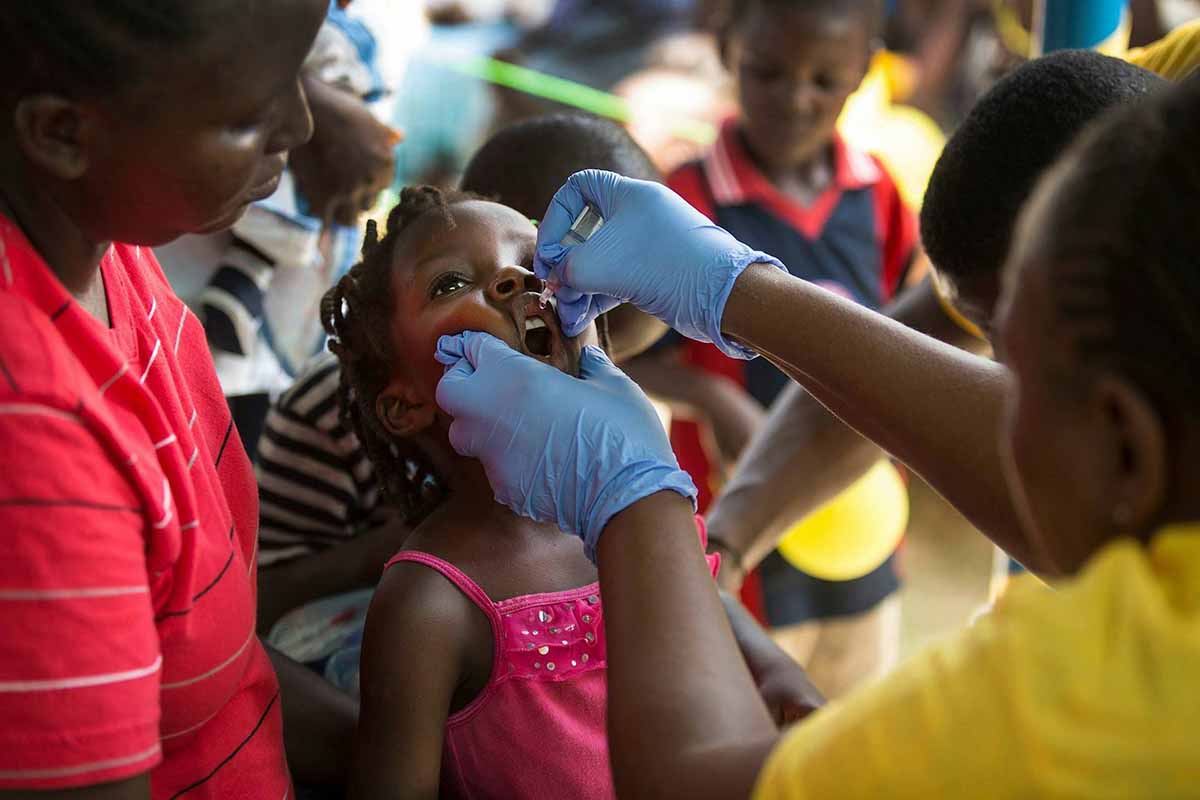
But as Sita tells families on his rounds, screening and early diagnosis are not the only ways to prevent those deaths: HPV vaccination can block more than 90% of cervical cancer cases from ever occurring, and the vaccine has been available for free to Zimbabwean girls since 2018.
Healthcare gap
“We cycle for HPV because no angel from Japan or Europe will do it for our community,” says Aubrey Sachikonye, 45, a fellow VHW in Kariba.
In fact, even Zimbabwean medical professionals have proven difficult to attract to the kinds of rural communities Sachikonye serves.
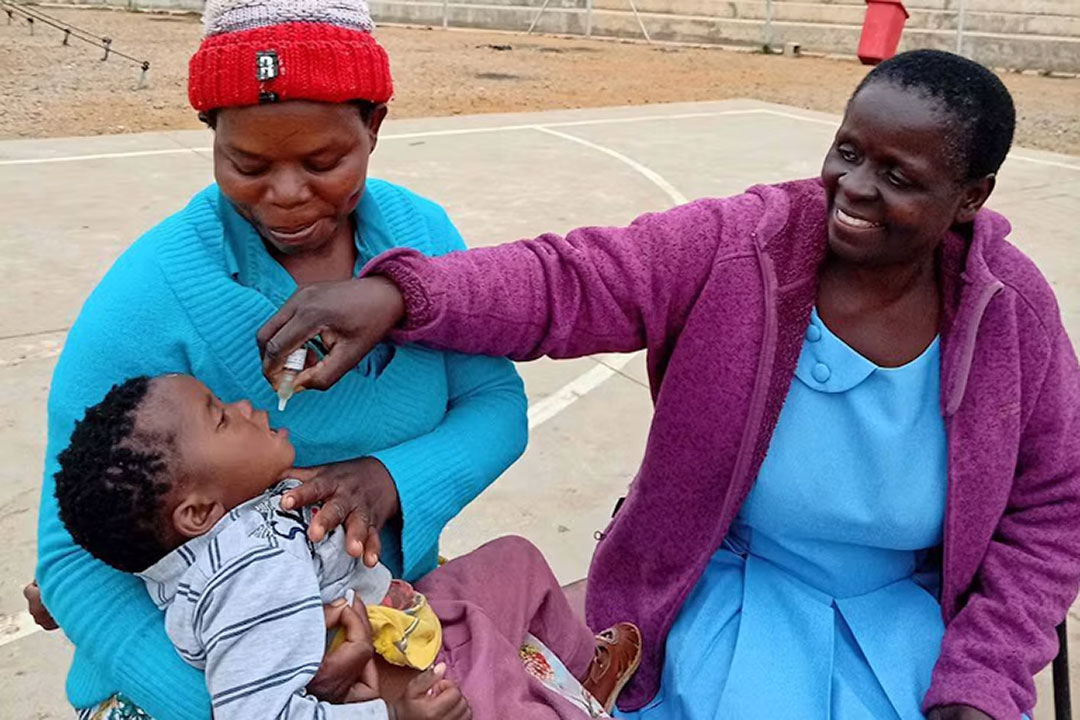
Credit: UNICEF Zimbabwe
Increasing numbers of doctors and nurses are emigrating abroad, and those who stay in Zimbabwe tend to gravitate to larger towns, where higher pay and relatively lucrative locum work is in better supply.
“We know that on average rural Zimbabweans live at least 20 km away from a hospital,” says Tapuwa Nhachi, a social scientist at the Institute of Law and Development in Harare. “Data aside – this has social implications. For example – without nurses and doctors nearby, “prophets”, charlatans, herbalists do mislead some rural residents that the HPV vaccines cause infertility,” he says.
That leaves grassroots health workers like her and Sita as the reliable “anchors of public healthcare” in country villages, as Sachikonye says.
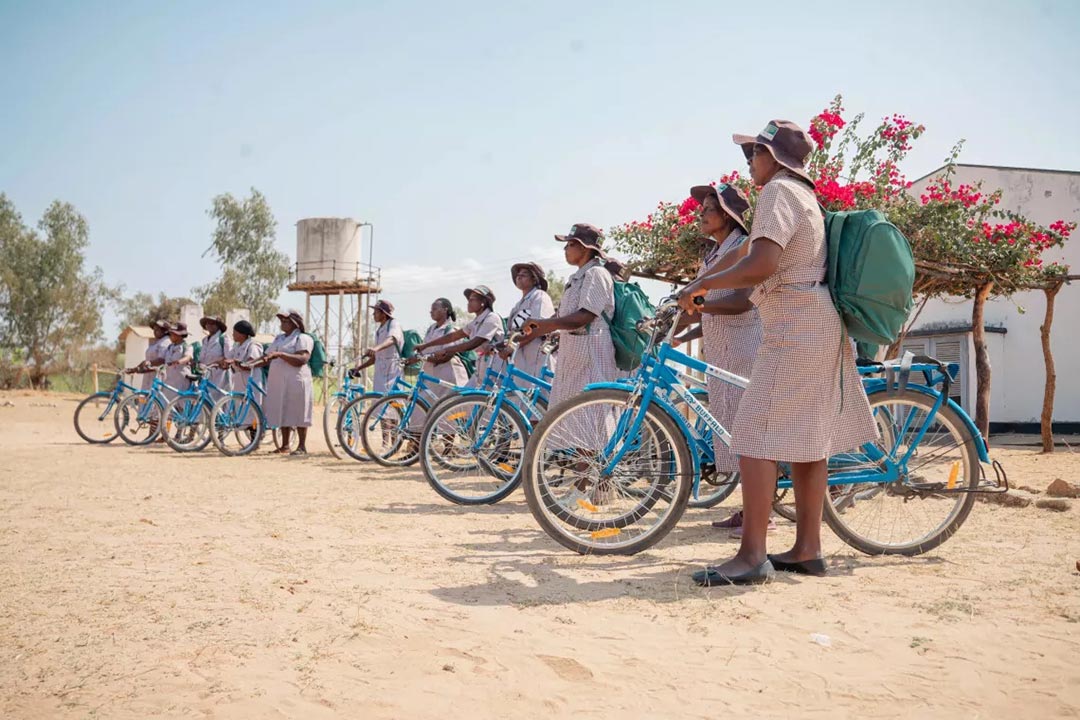
To cover more ground, more quickly, she and a dozen other VHWs in her work group have committed to these weekly bicycle rounds, in which they distribute everything from HPV information to condoms. The bikes, provided by Zimbabwe’s Ministry of Health with support from donor partners like UNICEF and the Clinton Health Access Initiative, have been a fixture on these dusty lanes for two years now.
Have you read?
About once a month, the cyclists meet with nurses, or doctors, or senior Ministry of Health officials at clinics or health centres for operational briefings, she explains.
That’s when training on the clinical aspects of the HPV vaccine is given. “We don’t want to send out VHWs who are clinically ignorant about what cervical cancer is, and how the vaccine blocks it. They could end up spreading disinformation to parents of girls,” Unathi Dabe, a nurse at Kariba District Hospital who works with VHWs coming from rural villages.
“Guardian angels”
Once back in their villages, the VHWs mount their bicycles and consult their notebooks to triage which local communities could benefit from more visits to prompt improved rates of immunisation.
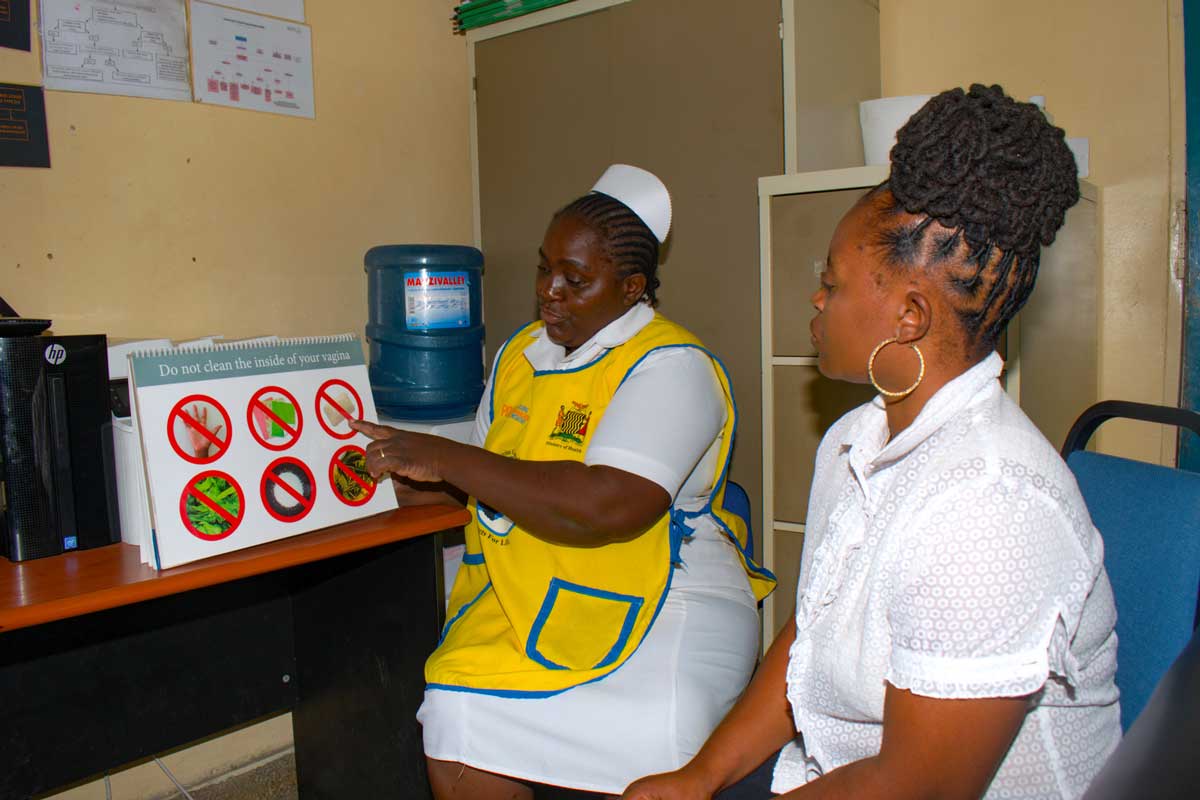
Once they reach homes, they engage parents, respectfully ask about the HPV vaccination of young girls in the Tonga and Shona vernacular languages, and offer explanations of the basic science behind the jab.
For Kurehwa Majaivhana, 65, a grandmother in Hurungwe taking care of two orphaned girls left in her care by her late son, the HPV cyclists are a breath of fresh air. “I’m old, frail and cannot make it to hospital for HPV screening for these kids under my care. We don’t have the taxi fare. When the cyclists reached my home, immunised the girls – I felt happy. It was like their late father blessing them, staring down from heaven.”
As a bonus, she adds, the VHWs cycling to disseminate HPV information have been known to spot sickly neighbours who have defaulted on HIV anti-retroviral drugs, and quickly repurpose their visits to include bringing the severely sick to hospital to restart ARVs. “The VHWs are our guardian angels.”
Nothing new, but still revolutionary
The initiative that equipped Sachikonye with her bike might only be a couple of years old, but bike-borne village health workers delivering everything from family planning meds to HIV and malaria test kits, have long been a cornerstone of Zimbabwe’s diverse public health infrastructure, said Dr Douglas Mombeshora, the Zimbabwe Minister of Health in a September address with journalists. During the event, 80 bicycles were handed over in Mashonaland West Province, which includes Kariba and Hurungwe.
“From independence in 1980, rural health workers have always cycled to link remote homes. Village health workers are our heroes helping Zimbabwe fall in line with the WHO’s efforts to eliminate cervical cancer as a public health problem by the year 2030,” Mombeshora said.
The VHW cyclists have helped ensure that more than 22,000 girls in Mashonaland West province have been immunised against HPV, he revealed.
Two of them are Sachikonye’s own girls. Now aged 19 and 20, they were vaccinated against HPV when they were 14 and 15. It was a huge relief to their mother: she had believed they had missed their window to receive their jab. “They got the older age cohort immunisation to remove their cervical cancer risk,” she says. Her gratitude for their protection fuels her efforts now, she says.