
How to give more than a vaccine
Making sure HPV vaccination reaches more girls in Tanzania, Côte d’Ivoire and Nigeria.
- 23 June 2026
- 7 min read
- by Jhpiego
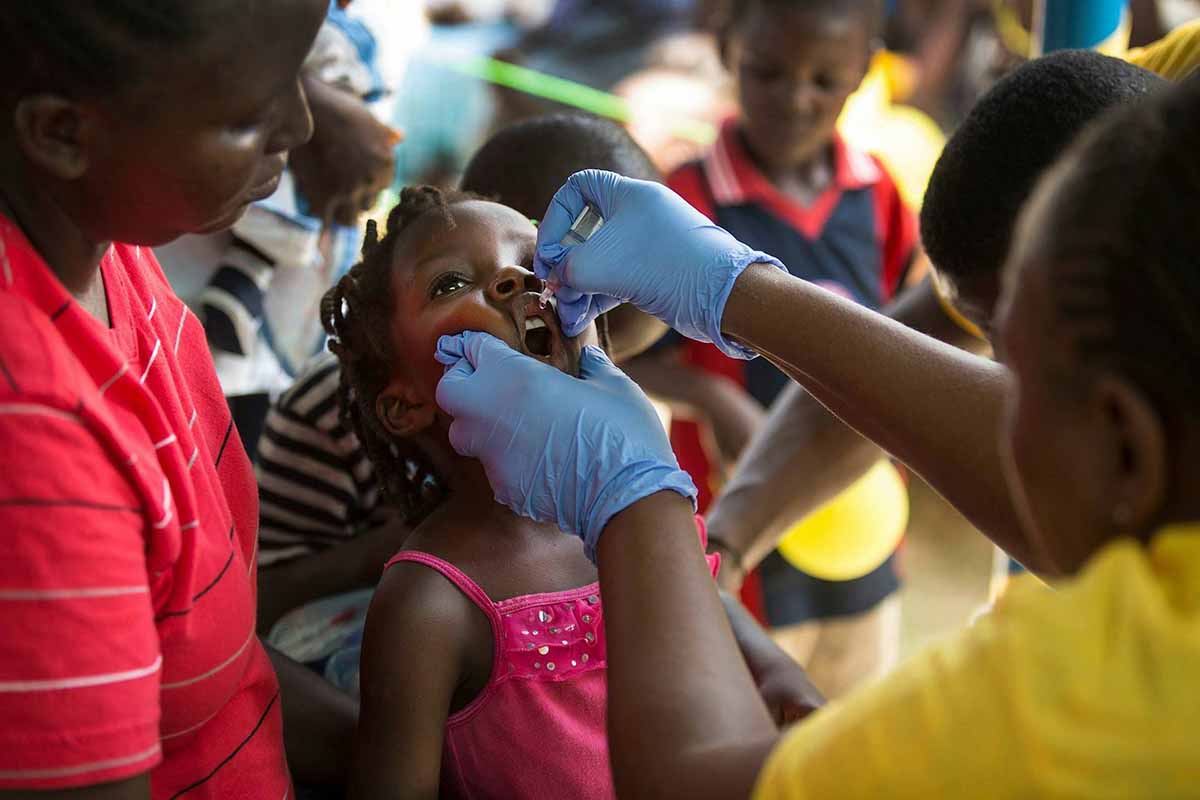
The vaccine works. Single-dose HPV vaccination dramatically reduces the lifetime risk of cervical cancer, a disease that kills around 350,000 women a year, most of them in low- and middle-income countries. For the first time, cervical cancer elimination is mathematically achievable.
The challenges lie in delivery.
In many Gavi-supported countries, HPV vaccination coverage still sits well below the global 90% target. The issue is usually where the vaccine is delivered, in that adolescent girls, particularly those who are not in school, or who live in remote areas or mobile communities, do not reliably encounter the health system. When they do, the short interaction enabled by a vaccination often on its own does not generate enough trust, value or convenience to overcome the various barriers they face.
A first-of-its-kind initiative called Strengthening HPV Vaccination and Adolescent Health Research Programme (SHARP), commissioned by Gavi and led by Jhpiego along with national governments, tested a different proposition across three countries: Côte d’Ivoire, Nigeria and Tanzania. The idea was to meet adolescents where they are, by pairing HPV vaccination with a broader package of adolescent health services.
Credit: Radhia Davis Luoga
While the three implementation approaches look different, the lessons are starting to converge.
Tanzania: meeting the girls outside of school
In the Mbeya and Arusha regions of Tanzania, the programme focused on the adolescents Tanzania’s school-based HPV delivery had been least likely to reach: out-of-school girls, pastoralist communities and remote villages. Working in Karatu and Mbarali districts, the project co-designed an integrated outreach with adolescents, parents, teachers, community leaders and local government.
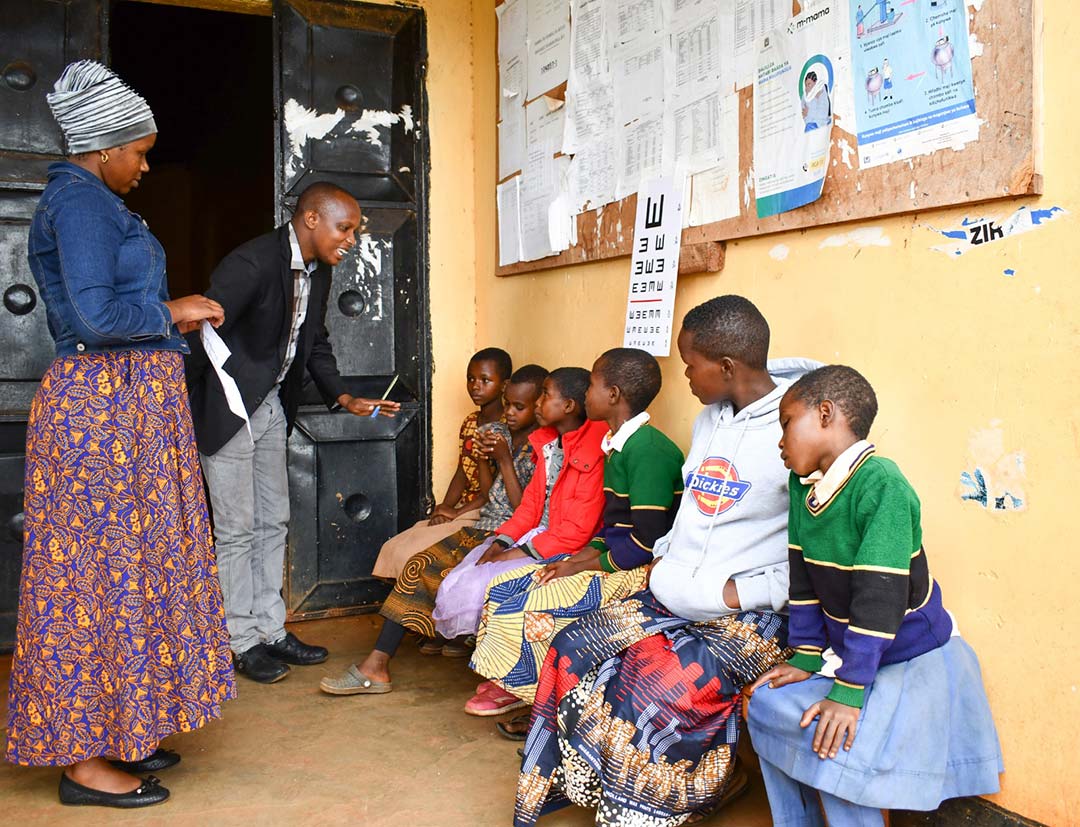
In a single visit, adolescents could receive the single-dose HPV vaccine, vision screening, nutrition checks and age-appropriate health education. Staffed by trained health professionals and community health workers, these visits were often held where families already gather – village meeting points or at their homes.
Over the course of six months, the programme had impressive reach: more than 3,500 adolescents received integrated services, and HPV vaccination coverage among girls reached 92.5% in programme areas (compared to 84.6% in other areas), with the largest gap among out-of-school girls. Of vaccinated girls, nearly 80% also received at least one additional health service.
Côte d’Ivoire: optimising a platform that was already there
Côte d’Ivoire set out to tackle a different challenge. While a national school health platform, known as the Systematic Medical Visit, or by its French acronym VMS, already existed, the country struggled with execution. Coverage was uneven across districts, implementation varied widely, and girls outside the school system were largely left out.
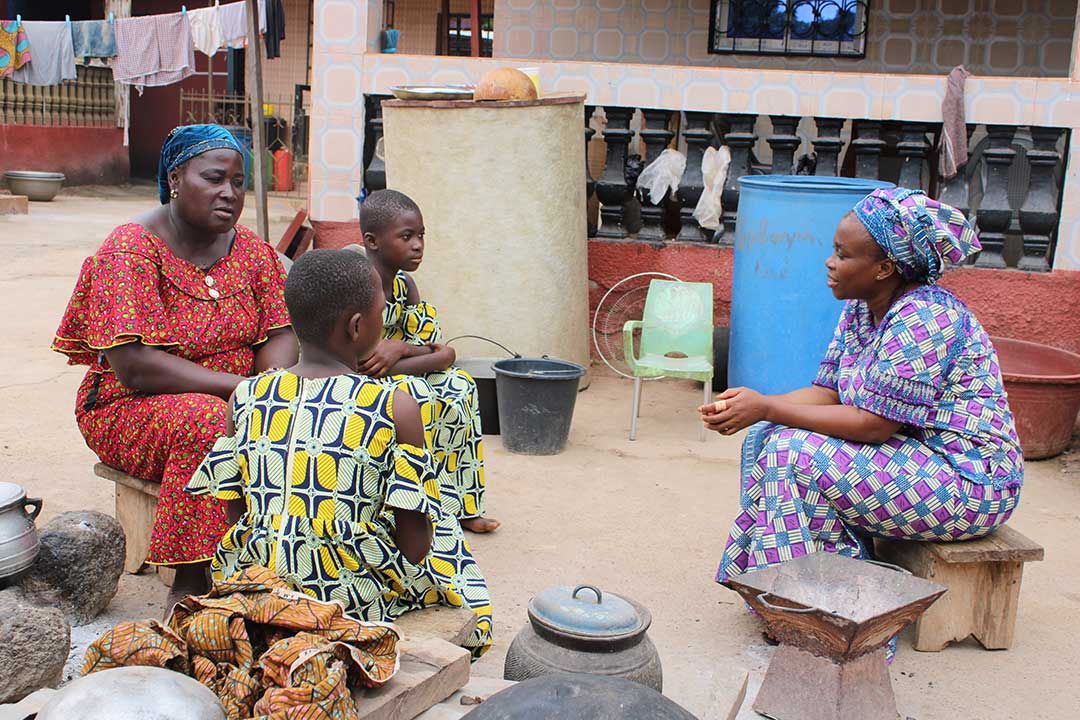
Rather than replacing the platform, partners worked to optimise it. In Niakara and Abobo-Ouest health districts, the project diversified where visits happened, extending them beyond schools to health centres and community spaces. It strengthened coordination between the national immunisation programme, the adolescent health programme, and district health teams. It moved data collection from paper forms onto a digital system for increased quality of reporting. And it built community health worker capacity for door-to-door outreach.
Have you read?
The numbers from Côte d’Ivoire tell a striking story. Between June and November 2025, more than 15,000 adolescents passed through the integrated visit. Coverage in programme districts climbed from 9% to 49%, while coverage in comparison districts climbed from 8% to 33%. After adjusting for region, wealth and age, the increase among girls in programme districts was almost 17 times larger than the increase in comparison districts. Knowledge of HPV and cervical cancer among adolescent girls rose from 25% to 42% where the programme ran.
The visit also caught over 2,500 cases of visual impairment, poor nutritional status, and anaemia that would have been missed otherwise.
Nigeria: building opportunities for integration
In Nigeria, the HPV vaccine was only introduced in 2023, through large-scale campaigns targeting girls across multiple age groups, so there hasn’t been as much time or opportunity to test approaches beyond these initial efforts.
In partnership with the International Vaccine Access Center at the Johns Hopkins Bloomberg School of Public Health, and Direct Consulting and Logistics, Jhpiego implemented two different models in Lagos and Kebbi states to explore what existing locations – that is, places of intersection with adolescents – could be used to provide HPV vaccination and other adolescent health services. Crucially, government partners at the state and local government area (LGA) levels were central to shaping the service package and advocating for its implementation from the start.
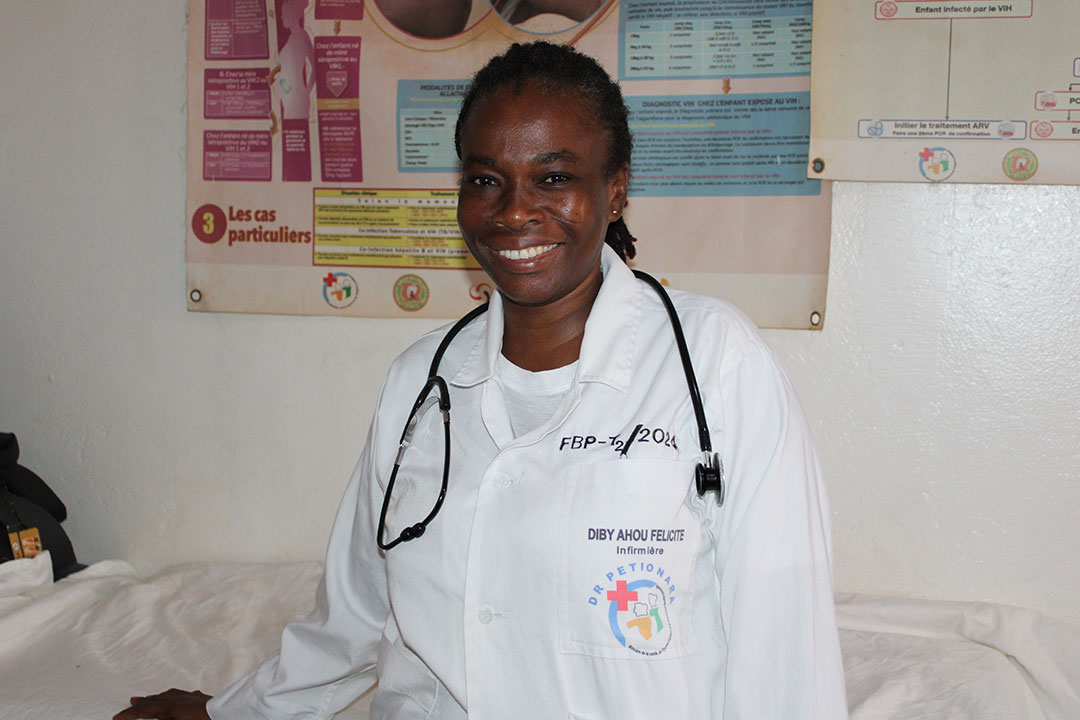
Credit: Jean Jacques SOHA
Across both states, the models included school vaccination outreaches, community outreaches and offering integrated services at existing health facilities. In Kebbi, monthly mobile sessions brought services directly into communities. In Lagos, specialised HIV clinics and youth-friendly health centres were also used as entry points to provide integrated care.
The results speak to how much demand there is when services meet girls where they are. In just five months, 84% of eligible girls (more than 14,000 out of 17,000) were vaccinated in Kebbi, and in Lagos 172% of eligible girls were vaccinated (7,700 eligible girls turned out, while the health system had expected just 4,500). More than 25,000 girls across both states received the full integrated package of commodities, including such goods as deworming medications, sanitary pads and/or soap.
In Kebbi, over 15,000 girls in Kebbi received counselling on HPV, cervical cancer and vaccination. In Lagos, every girl who was vaccinated also received counselling and commodities as part of the integrated visit.
What the three countries are teaching us
Typically, the platform exists, but it needs to be optimised. In each country, an adolescent service platform or school health system existed before the programme arrived. What changed was how it was used: extended hours, more delivery sites, joint planning across ministries, and outreach that did not end at the school gate. For countries looking to scale HPV vaccination, the implication is that the answer to the platform question is rarely to “build new”. It is almost always “optimise what’s already there”.
Community health workers are non-negotiable. Across both Côte d’Ivoire and Tanzania, community health workers were the engine that reached parents and girls outside the formal system. As immunisation programmes grow to cover more adolescent services, formalising the role of these workers in HPV delivery is among the most actionable policy decisions countries can take.
Integration is what makes the visit worth the trip. A vaccine on its own often does not generate enough perceived value for a remote family to travel for it. A vaccine paired with vision screening, nutrition checks and adolescent health information becomes a full health encounter, and parents and girls respond accordingly.
Financing is the hardest piece ahead. Sustaining integration will require joint funding across various ministries. Financing models that catalyse multisectoral commitment will determine whether the integrated model scales beyond the project period.
We know the HPV vaccine works, but the existence of a good vaccine was never going to be enough. Girls that are out of school, part of pastoralist communities and live in remote villages are the people who will determine whether cervical cancer elimination is achieved in this generation or the next. The evidence from these three countries is starting to show what it takes to reach them.
More from Jhpiego