
How vaccine trials in Congo could help protect mothers and children from Mpox
In the Democratic Republic of Congo, mothers and babies are taking part in crucial trials to find out how vaccines against Mpox can be used safely to protect some of those at greatest risk.
- 6 August 2026
- 6 min read
- by CEPI
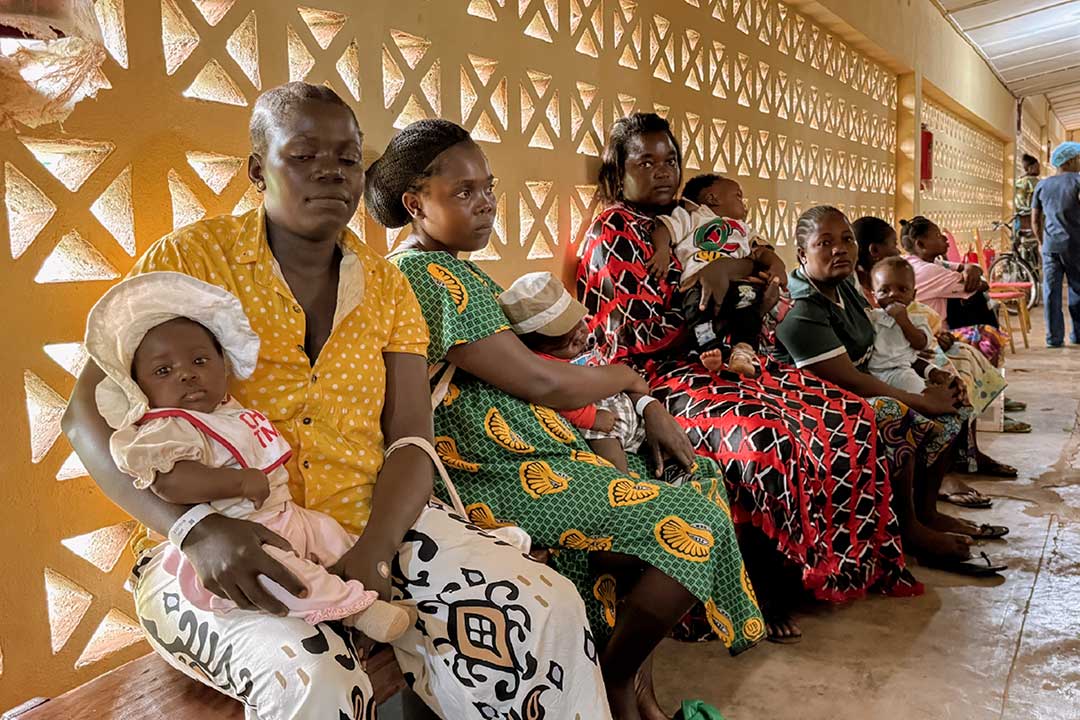
CEPI is supporting a series of pioneering vaccine studies in the Democratic Republic of Congo (DRC) that could help address one of the biggest issues hampering the global response to Mpox: how best to protect the babies, children and pregnant women who face some of the highest risks from the disease.
As well as bringing the prospect of broader access to Mpox vaccination closer than ever before, these studies are generating the evidence regulators and policymakers need to make vaccine protection available more quickly and more equitably in future outbreaks.
CEPI spoke to families and vaccine experts involved in the work to find out more
Regine had never heard the name Mpox before. But she had seen what the disease could do.
A while ago, a neighbour’s child became ill with what she now knows were all the signs of Mpox infection. First came the fever. Then a rash spread across the child's face, hands and feet before erupting into painful, fluid-filled blisters that burst and crusted into weeping sores.
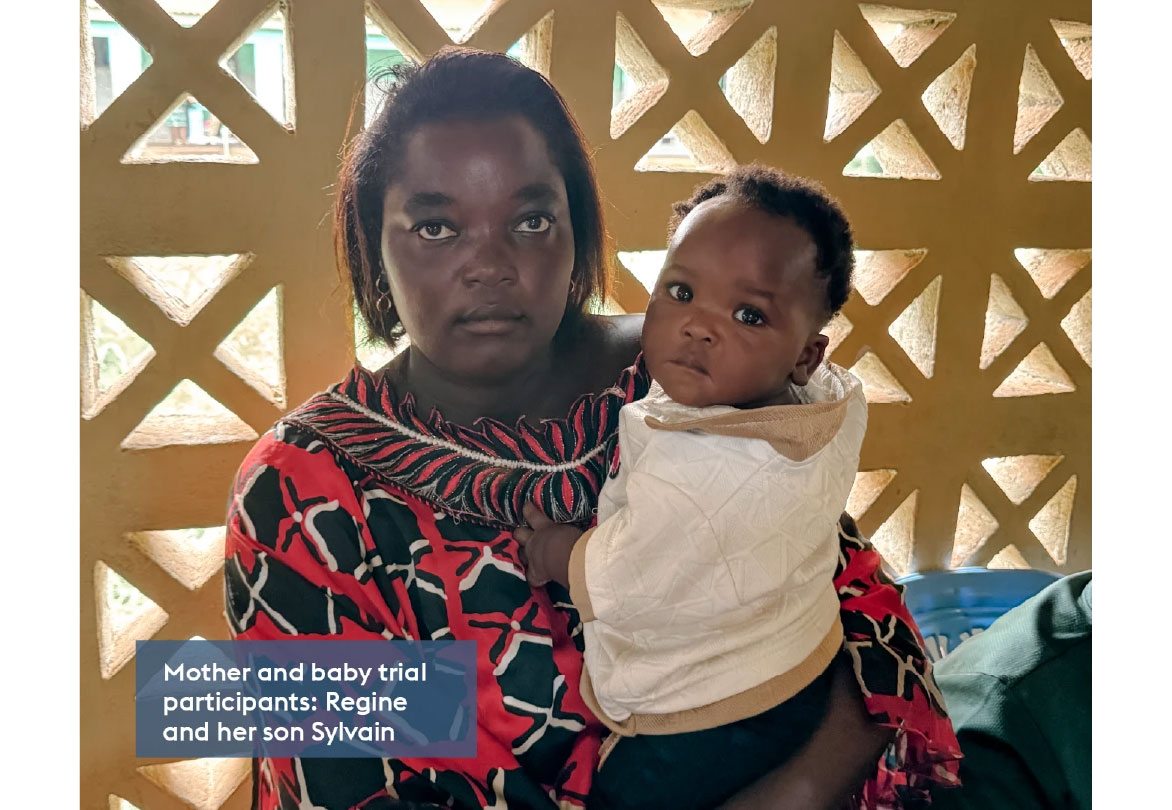
So when Maman Rebecca, a nurse working with the team conducting the Mpox vaccine trial asked during her pregnancy if she and her newborn would like to take part in a special vaccine study for infants and pregnant women, she didn’t hesitate for long.
"Once the nurse explained to me about the trial, I understood about Mpox and what it can do, so I said I would take part – and my new baby too," she said. Regine had never been involved in any kind of study or clinical trial before but wanted to do something that could help protect her child and other children as well, she explained.
The vaccine being studied is MVA-BN, a non-replicating smallpox and Mpox vaccine manufactured by Bavarian Nordic. The vaccine has already been licensed for use in adults and adolescents and has played an important role in protecting people during recent Mpox outbreaks in Europe, North America and Africa.
Yet despite its proven value, critical evidence gaps mean the vaccine’s use is limited.
While MVA-BN has been extensively studied in adults, there are still only limited data on its safety and potential to protect in some of the groups most vulnerable to severe Mpox disease, including babies, young children, pregnant women and breastfeeding mothers. As a result, vaccination in these populations has often been restricted to exceptional or emergency situations.
That means many children living in outbreak-prone regions may be protected too late – or not at all.
It is a gap that CEPI is working to close.
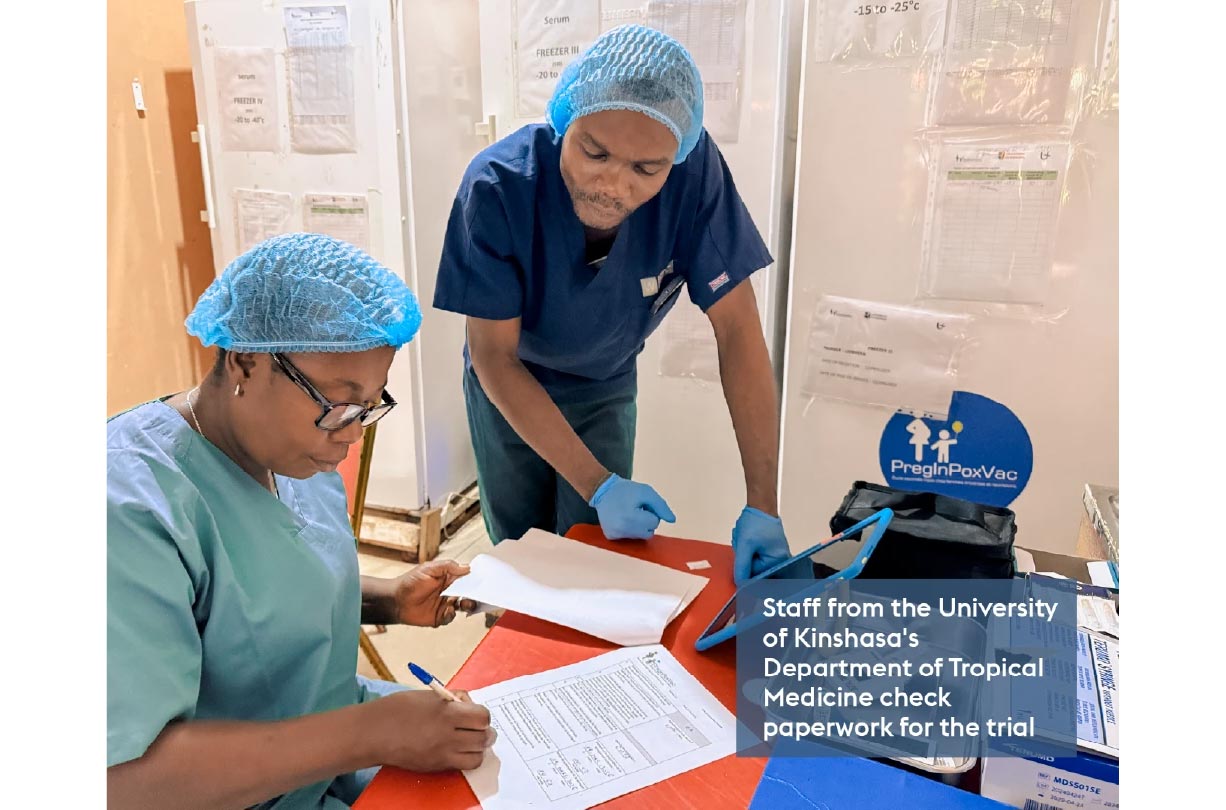
Launched in June 2025, the study involving Regine and her baby son Sylvain is evaluating MVA-BN in pregnant and breastfeeding women and infants under two years of age. The trial, which is being conducted by scientists from the Department of Tropical Medicine at the Medical Faculty of University of Kinshasa, is one of several CEPI-supported studies designed to generate the evidence regulators need to decide whether Mpox vaccines can safely be given routinely to pregnant women and children in future outbreaks.
A second CEPI-funded trial, launched in October 2024, is assessing the MVA-BN vaccine's performance in children aged two to 11 years, and initial results from that study were encouraging. Data showed that the vaccine was safe, well tolerated and generated an immune response in children that was comparable to that seen in vaccinated adults. The strongest responses were seen among children aged two to five years.
Those findings have now been submitted by Bavarian Nordic to the European Medicines Agency as part of efforts to expand approval of the vaccine to younger age groups.
"This shift to the possibility of offering protection proactively in high-risk areas is only possible when regulators and policymakers have confidence in the evidence," said Nina Wressnigg, CEPI's Head of Clinical Development Science. "For that confidence, we need data generated from the populations most affected by the disease."
The need has never been greater.
Mpox, a viral disease related to smallpox, can cause fever, severe headaches, muscle pain, swollen lymph nodes and a distinctive blistering rash that can cover large parts of the body. While many people recover, the disease can be severe, particularly in young children, pregnant women and people with weakened immune systems.
Since late 2023, Africa has been hit by the largest Mpox outbreak ever recorded, with the DRC accounting for the vast majority of reported cases and deaths. For families living in affected communities, the threat seems ever present.
At 33 years old, Regine is the mother of seven children, including her new baby Sylvain.
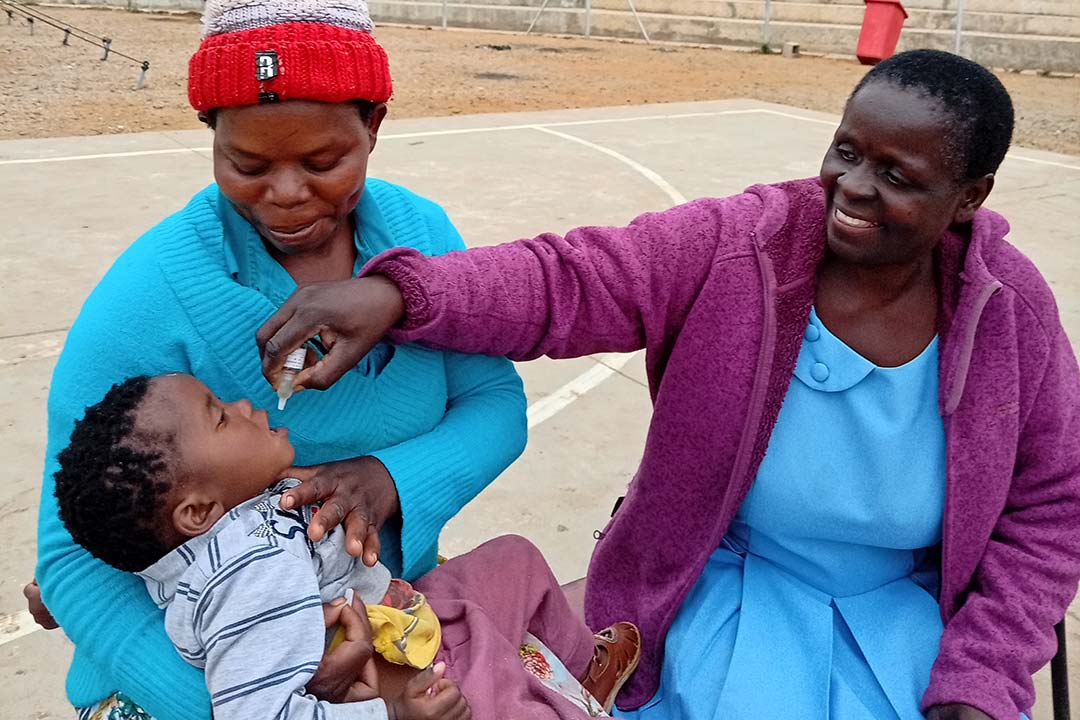
Since joining the study, both she and Sylvain have each received two doses of vaccine and continue to attend regular follow-up visits at the clinic, where nurses and doctors monitor their health, including the baby’s growth and development.
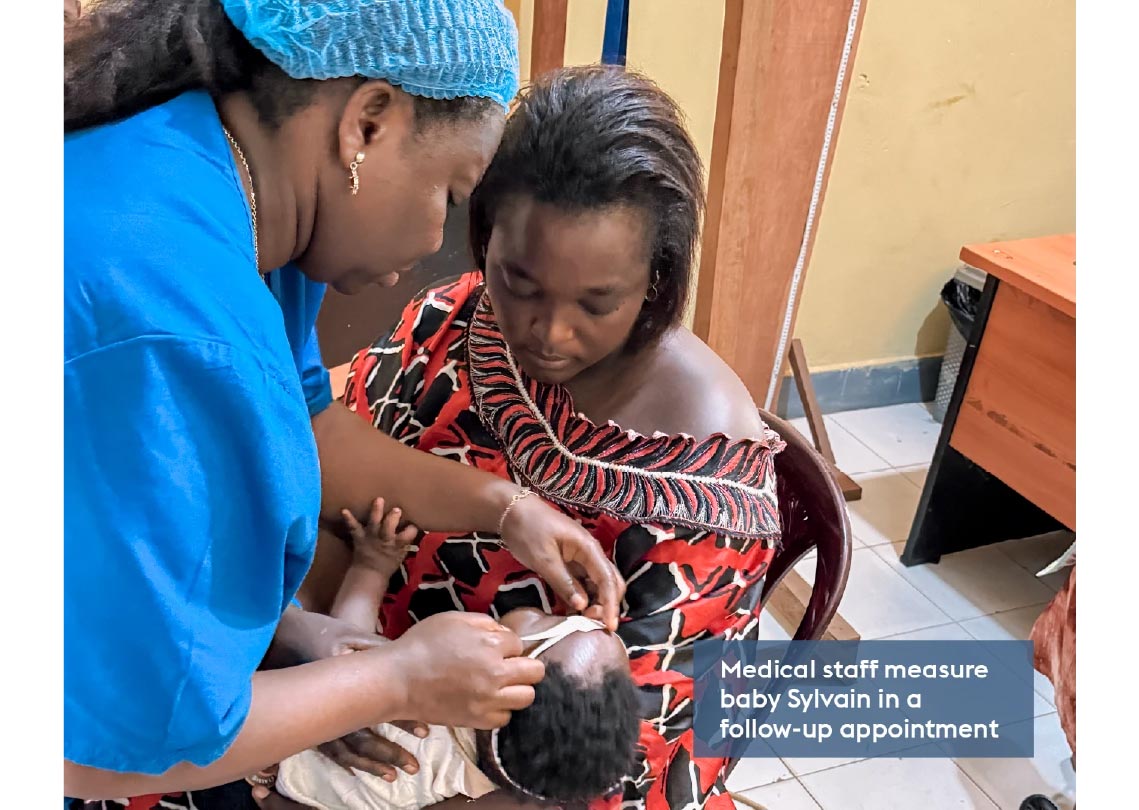
The journey is not always simple. The clinic is around 2.5 kilometres from her home, requiring regular trips with her baby to appointments. But Regine hopes the effort will pay off if the research shows the vaccine can help protect mothers and babies more quickly in future.
The impact of these trials extends well beyond the families taking part.
CEPI is also supporting the National Institute of Biomedical Research (INRB) in the DRC, strengthening capabilities of local scientists to rapidly analyse samples collected from participants enrolled in vaccine studies. This laboratory capacity helps accelerate the current Mpox research at the same time as building expertise and infrastructure to support future outbreak responses.
Because CEPI's Mpox programme is about more than addressing a single outbreak.
Alongside the clinical trials, CEPI is supporting development of standardised laboratory tests for Mpox vaccines, contributing to work on a WHO international standard for measuring immune responses, supporting the WHO Mpox Research Roadmap and helping improve global access to vaccines through the Access and Allocation Mechanism for Mpox.
The coalition is also investing in next-generation Mpox vaccines, including mRNA-based approaches that could be adapted rapidly in future poxvirus emergencies.
All of this contributes to CEPI's work on the 100 Days Mission: the goal of compressing the time needed to develop safe and effective vaccines against emerging epidemic threats.
“The 100 Days Mission is about increasing speed while maintaining equity of access. After all, vaccines can only save lives and protect communities if they get to those who need them in time,” said Kristine Rose, CEPI's Mpox Programme Lead.
For too long, children, infants and pregnant women have been among the last groups to benefit from advances in vaccine development because the evidence needed to support their inclusion arrives only after outbreaks have begun.
CEPI's investments cannot guarantee that MVA-BN will ultimately be licensed for wider use in these populations. That will depend on what the data show. But without these studies, that possibility wouldn’t exist at all.
By generating crucial evidence, the DRC-based trials are building a future in which vulnerable children are protected sooner, outbreaks controlled more effectively and access to life-saving vaccines is more equitable.