
An inclusive first in Lesotho: vaccination info, but in braille
Visually impaired Lesotho parents say info in braille means the power to make informed choices, independently.
- 2 December 2025
- 7 min read
- by Pascalinah Kabi

At a glance
- For the first time, Lesotho’s immunisation system has made vaccine info leaflets available in braille
- “We wanted everyone to be reached with information... We wanted every person to make informed decisions based on facts,” said Tsepiso Mechele, Manager at the Ministry of Health’s Expanded Programme on Immunization
- Visually impaired parents praised the initiative, calling for it to be expanded to other parts of the health system
When 23-year-old Tlhokomelo Hlahla, a visually impaired Lesotho mother, arrived at Qoaling Filter Clinic just outside Maseru’s city centre, her mission was clear: “I want my child to have good eyesight because I hope that in the future, he will be able to help me, since I cannot see,” she said.
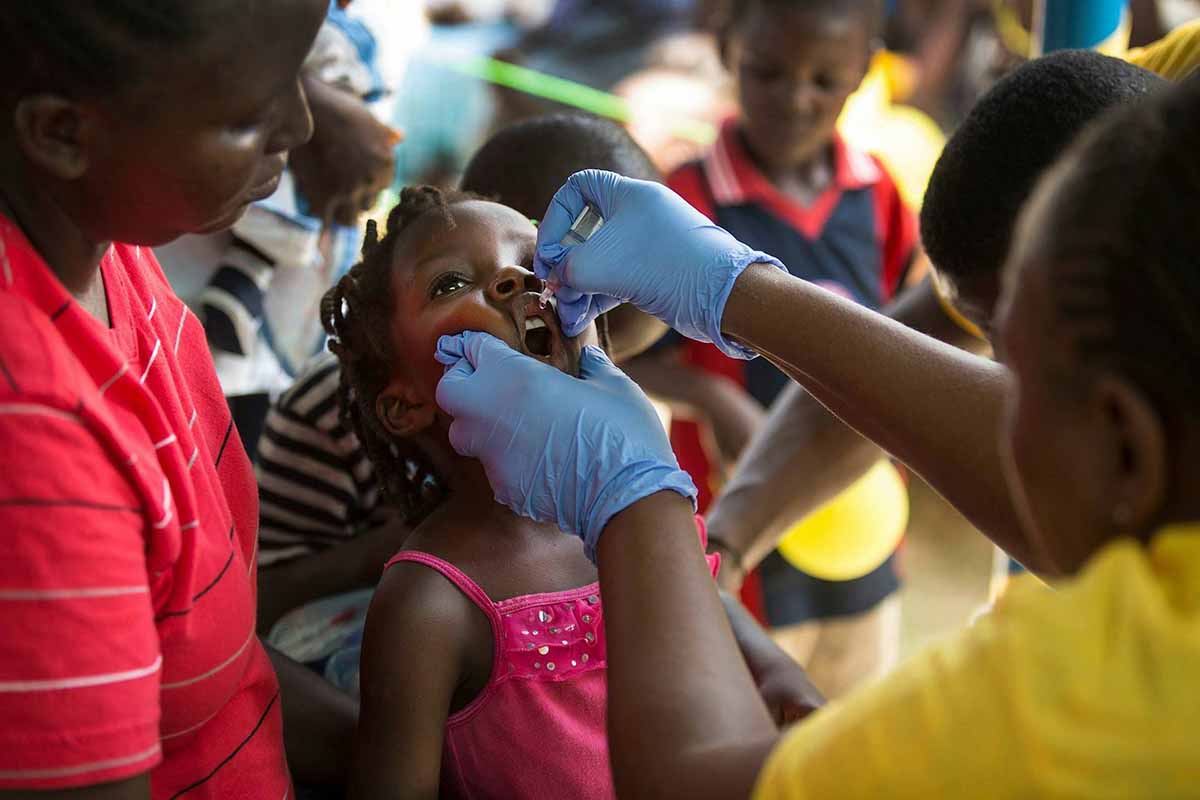
Her ten-month-old son was among the 110,733 children aged under five who received the measles and rubella (MR) vaccine, polio drops, albendazole tablets to prevent intestinal worms, and Vitamin A supplements to promote healthy vision during Lesotho’s nationwide measles and rubella vaccination campaign held from 20–24 October 2025. Vaccination efforts like Lesotho’s have saved the eyesight of thousands each year: just 20 years ago, measles, together with vitamin A deficiency, was a leading cause of blindness among children in low-income countries.
But this time, for the first time in the country’s history, Lesotho took steps to include visually-impaired parents, distributing pre-campaign messages in braille. Hlahla welcomed the initiative, describing it as a great step forward.
Informed and independent
“Having braille materials is important because when you rely on someone to read for you, they may not read in a way that helps you understand as well as you would if you read it yourself. braille helps us comprehend things better and more independently,” Hlahla told VaccinesWork in a recent interview.
A spokesperson for UNICEF Lesotho said the inclusion of braille educational materials ensured that “children, caregivers, and communities with visual impairments were not excluded from vital MR vaccination campaign information.”
The organisation further said visually impaired people in the country often struggle to access accurate health information because materials are rarely produced in accessible formats.
“They often rely on second-hand accounts from others, which can be incomplete or inaccurate, making it harder to participate fully in vaccination campaigns. By providing materials in accessible formats, the campaign enabled all people to make informed decisions and access lifesaving MR vaccination services,” said UNICEF Lesotho spokespersons in an email.
Have you read?
Keketso Mangope, a representative of the Lesotho National League of the Visually Impaired Persons (LNLVIP), noted that this initiative was particularly helpful for mothers with visual impairments who needed accurate information about MR vaccination for their children.
“The Ministry of Health ensuring that educational materials are distributed in accessible formats, including braille and audio, helped a great deal.
“For a long time, access to information has been a major challenge for people with visual impairments. Access to information is a right enshrined in laws such as the Persons with Disability Equity Act and the United Nations Convention on the Rights of Persons with Disabilities under Article 9. The inclusion of braille and audio materials was meant to ensure that persons with disabilities, especially those with visual impairments, are reached, wherever they are,” Mangope said.
Mangope explained that the braille literature included information on the signs of measles and rubella, what steps to take if a child develops symptoms, and which health facilities to visit for assistance.
Not only does this initiative represent a practically valuable step on the part of the health establishment, but a shift that disability advocates can be proud of, Mangope says. “This is a clear success story because, previously, there were no initiatives like this. Our strong advocacy has brought us here, and it shows the Ministry of Health’s intention to include visually impaired people and ensure they have easy access to health information,” Mangope said.
Inclusion matters
Tsepiso Mechele, Manager at the Ministry of Health’s Expanded Programme on Immunization (EPI), told VaccinesWork that 400 braille information packets were printed ahead of the measles and rubella (MR) campaign.
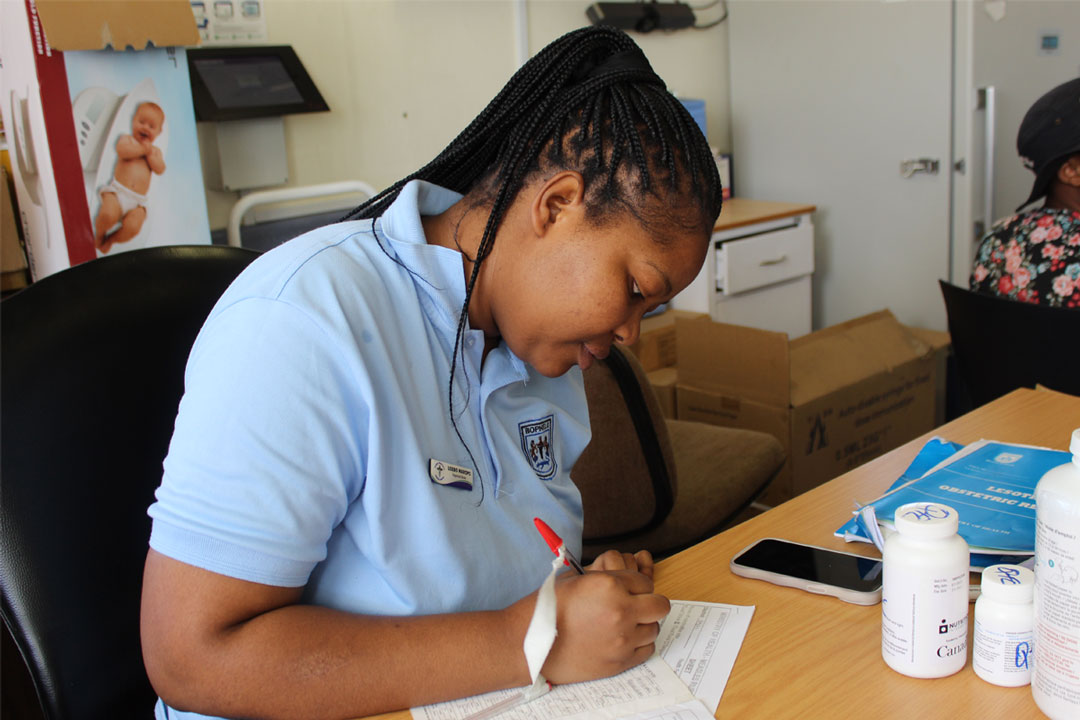
“We wanted everyone to be reached with information; we did not want to leave anyone behind. Just because someone is visually impaired does not mean they should be excluded from accessing information. We wanted every person to make informed decisions based on facts,” she said.
Mechele added that the goal was to ensure visually impaired parents received accurate information first-hand. “We did not want them to hear the information from others. Parents are the ones who make decisions on behalf of children to participate in this campaign. Sometimes, an interpreter may get it wrong, but when everyone receives the information directly, it is not lost along the way,” she explained.
She said there were no major challenges encountered in developing the messages because the Ministry worked with experts in braille communication. However, she noted that producing information, education and communication (IEC) materials in braille is more expensive than other formats. “We had to hire braille experts, whereas other materials are less costly,” Mechele said.
Asked how many children were targeted through this initiative, Mechele said no specific statistics were compiled. “Since this is a new initiative, we believe that next time we will be able to compile that data and see how many visually impaired parents received braille materials,” she said.
Calls to replicate this inclusion
Hlahla believes distributing health materials in braille should not start and end with the recently concluded measles and rubella vaccination campaign.
“It is not easy for me to access health services as a person with visual impairment. I always need guidance, but I believe that during my pregnancy and after giving birth, I managed to follow all the necessary procedures correctly.
“Right now, there are no braille materials available in general health services, so I always have to ask people to explain what is written in the clinic booklets. I wish clinic booklets for people with visual impairments could also be written in braille,” she said.
Another visually impaired mother, a 27-year-old who requested anonymity because her church discourages vaccination, said extending such inclusivity to everyday health services would also help protect their privacy.
“When you are a person who cannot see or has a disability, there are private matters you want to keep to yourself. But you end up asking someone to read your medicine for you, revealing your personal information because you need help. Privacy is not protected that way.
“braille communication should really be a daily practice, not just something introduced for a short time. Even in all departments, they should remember that there are people with disabilities, people with visual impairments,” she said.
Mangope supports these proposals. “Health is a broad field, and having braille health materials should be a foundational element of the Ministry of Health’s policies. All materials produced or adopted by the ministry to empower the public with knowledge must be inclusive, visually impaired persons must feel included and accepted,” Mangope said.
When asked whether the Ministry of Health intends to replicate this initiative in everyday health communication, Mechele responded with a resounding yes. “We did not budget for it in this financial year, but we tried, with the limited funds available, to apply the idea of inclusivity – and we succeeded. We will definitely budget for it in the future.”
UNICEF Lesotho added that inclusion must be deliberate. “Partnering with disability groups and investing in formats like braille builds trust, ensures dignity, and can be easily replicated in other countries to make vaccination campaigns more inclusive.”
More from Pascalinah Kabi