
New research reveals huge impact of measles outbreaks on schools and hospitals
Two studies of measles outbreaks in Birmingham, UK, and Texas, USA, show the intense pressure measles outbreaks put on both health systems and school attendance.
- 27 February 2026
- 6 min read
- by Linda Geddes
At a glance
- 20.6 million children worldwide missed their first dose of the measles vaccine in 2024. These immunity gaps have helped fuel a global resurgence of the disease, with 59 countries experiencing large or disruptive outbreaks that year.
- Two recent studies illustrate how measles outbreaks can expose vulnerabilities in health systems and schools.
- A detailed study of a measles outbreak in Birmingham, UK, revealed the intense pressure placed on Birmingham Children’s Hospital. A separate analysis of school absences in Texas, US, following a major measles outbreak found that recorded absences were roughly ten times higher than would be expected based on confirmed cases alone.
From Europe to Africa and North America, measles outbreaks are rising as vaccination coverage slips.
The consequences reach far beyond those who fall ill. As two recent studies show, when measles spreads, it can strain hospitals, disrupt classrooms and test the resilience of communities.
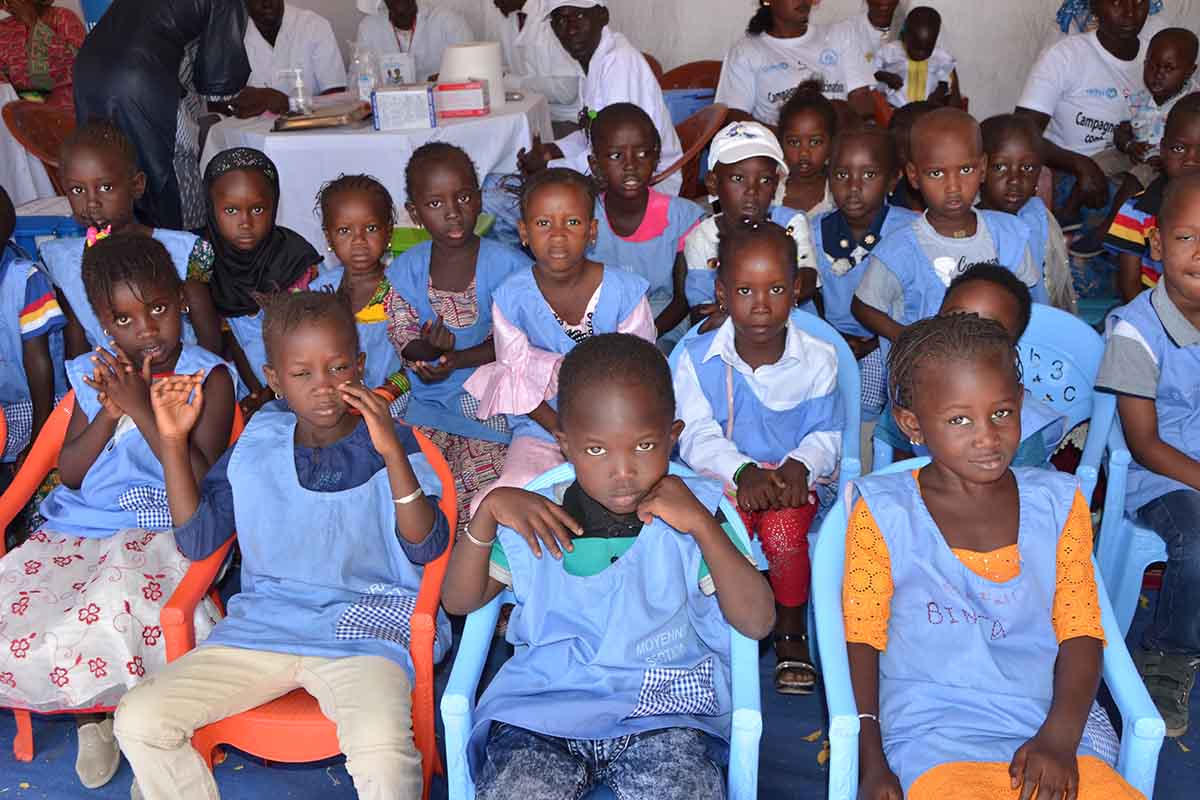
Researchers at Stanford University found that a recent measles outbreak in Texas, US, led to a sharp and disproportionate rise in student absences, not only among children who were sick, but across affected schools.
Fear of exposure, quarantine measures and exclusion policies amplified the disruption, with absence rates climbing far beyond the number of confirmed infections.
Meanwhile, a detailed study of a measles outbreak in Birmingham, UK, led by Caroline Harris at the UK Health Security Agency, revealed the intense pressure placed on a single children’s hospital.
The outbreak resulted in dozens of hospital admissions, hundreds of lost bed days and thousands of contact tracing notifications – stretching already limited staff and clinical space.
Together, these studies illustrate how measles outbreaks can expose vulnerabilities in health systems, schools and public services, providing lessons for communities where vaccination coverage is falling.
Why is measles so disruptive?
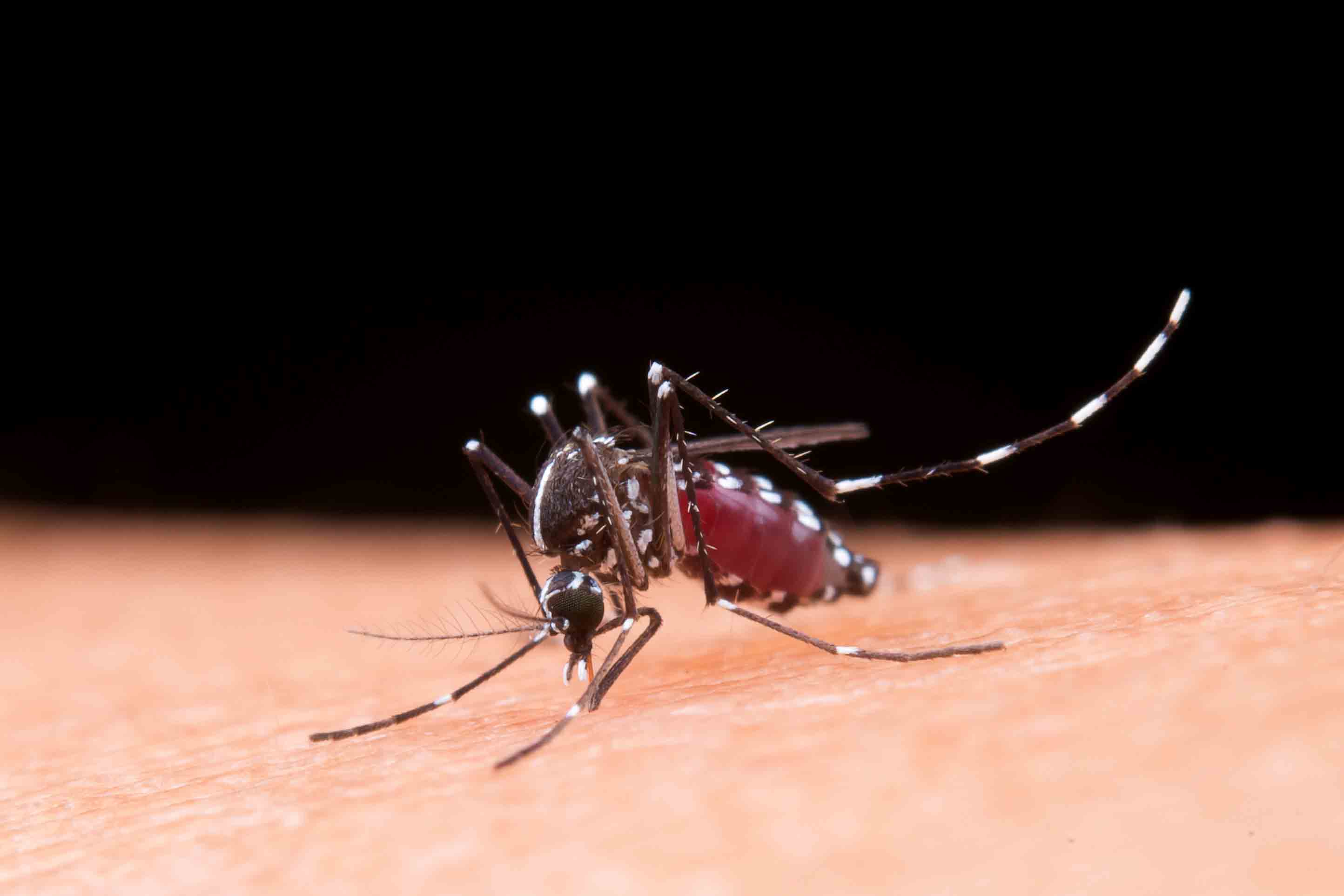
Measles is unusually disruptive because of the way the virus spreads and the speed at which systems must respond. In a population with no immunity, one person carrying the virus can infect up to 18 further people, making it one of the most contagious diseases in the world.
The virus spreads through the air and can linger in enclosed spaces for up to two hours, meaning people can be exposed even after an infected person has left.
It is also contagious before the distinctive rash appears – typically on around day four of the infection – and because early symptoms such as cough, a runny nose, and red, watery eyes resemble other common respiratory infections, this can delay diagnosis and allow the virus to spread unnoticed.
How can measles outbreaks affect education?
In schools, measles control measures can mean that infected students – and, in some cases, unvaccinated students – are required to stay home to limit spread. But total absences during an outbreak can also include students with suspected infections, plus those kept home as a precaution.
When researchers at Stanford University analysed detailed daily attendance records from the Seminole Independent School District in Gaines County, Texas, following a major measles outbreak in early 2025, they estimated that 141 students in the district contracted measles during the school year.
Based on state guidance recommending four days of isolation after the onset of a rash, this would have resulted in no more than 564 missed school days.
Instead, the study found that absences rose 41% compared with the same period in the two previous years, translating into 5,822 missed school days – roughly ten times more than would be expected based on confirmed infections alone.
Have you read?
The impact was especially pronounced among younger children, with absences climbing by as much as 71% among preschool and kindergarten students.
As Prof Thomas Dee of Stanford’s Graduate School of Education, told the Los Angeles Times: “The costs of that absenteeism are just not among the sick kids, but all the kids who are kept out of school as a precaution.”
For families, those absences can mean missed workdays and childcare challenges. For students, prolonged time out of school can affect academic progress. “Kids have to be in school to realise educational gains,” said study co-author Sofia Wilson, a doctoral student and former schoolteacher, noting that absences can affect not only those who miss school, but their classmates, as teachers slow the pace of instruction to help returning students catch up.
“Given declining trends in school vaccination coverage, the Gaines County data on total absences offer a unique and timely view of the schooling disruptions that the growing number of low-coverage communities could face if outbreaks continue to spread,” the researchers wrote.
How can measles outbreaks affect health systems?
Because the virus is so contagious and can be transmitted before the telltale rash appears, stopping outbreaks isn’t straightforward. “If measles cases are not isolated in a timely way there is risk of transmission, particularly in crowded emergency department waiting rooms,” the authors of the Birmingham hospital study warned.
In Birmingham, 32% of confirmed cases had attended the emergency department more than once in the three weeks before testing positive, increasing the risk of spread in busy waiting areas.
Over nine months, 366 children were tested and 161 were confirmed to have measles. Nearly 30% required hospital admission, accounting for 257 hospital bed days.
Containing the outbreak required rapid isolation of suspected cases, intensive contact tracing and post-exposure treatment, including immunoglobulin for vulnerable patients – a protective antibody treatment. Contacts were identified for 95 cases, resulting in 2,397 exposure letters being sent out. Isolation spaces were reassigned and staff redeployed to screen patients at the hospital entrance.
“The outbreak led to significant pressure on the children’s hospital emergency department in terms of case burden and contact tracing, with the potential for nosocomial [hospital-based] spread,” the researchers said.
“Future outbreak response should focus on prompt implementation of infection prevention and control measures; clear and timely messaging around symptoms for both families and clinicians; streamlined notifications; accelerated development of measles point-of-care testing; access to pop-up vaccination in the community; and better integrated working between public health teams and frontline clinicians.”
What happened in Birmingham is not unique. Measles outbreaks can quickly consume health system capacity, especially where services are already stretched.
In lower-resource settings, the consequences can be even more severe. In countries with limited staff and surge capacity, outbreaks can overwhelm paediatric wards and divert health workers from routine services.
Globally, 20.6 million children missed their first dose of measles vaccine in 2024, leaving them dangerously exposed. These immunity gaps have helped fuel a global resurgence of measles, with 59 countries experienced large or disruptive outbreaks that year.
What can people do to reduce measles-related disruption?
Together, these studies show that measles is not just a health issue, but a source of disruption that can ripple through hospitals, schools and families. The good news is that this disruption is largely preventable.
Ensuring children receive two doses of the measles vaccine remains the most effective way to stop outbreaks before they start.
Parents can check vaccination records and catch up on missed doses. Schools and community leaders can support accurate information about vaccines. And governments can invest in strong routine immunisation programmes and rapid outbreak response systems.
When vaccination coverage stays high, measles struggles to spread, protecting not only individual children, but the communities around them.
More from Linda Geddes