
Inside - and outside - Namibia’s fight to stop polio before it strikes
The threat of polio is back, and as the government races to protect the vulnerable, some are more at risk than others.
- 21 May 2026
- 5 min read
- by Vitalio Angula
At a glance
- Namibia, polio-free since 2008, declared an outbreak in April this year after the virus was discovered in several environmental surveillance samples.
- The return of the paralysing virus means one thing for sure: vaccination coverage has dropped below a critical threshold among at least some communities in Namibia.
- As health workers across the country race to patch up the dangerous immunity gaps, some children – those whose families remain on the margins of public systems of care – remain at greater risk.
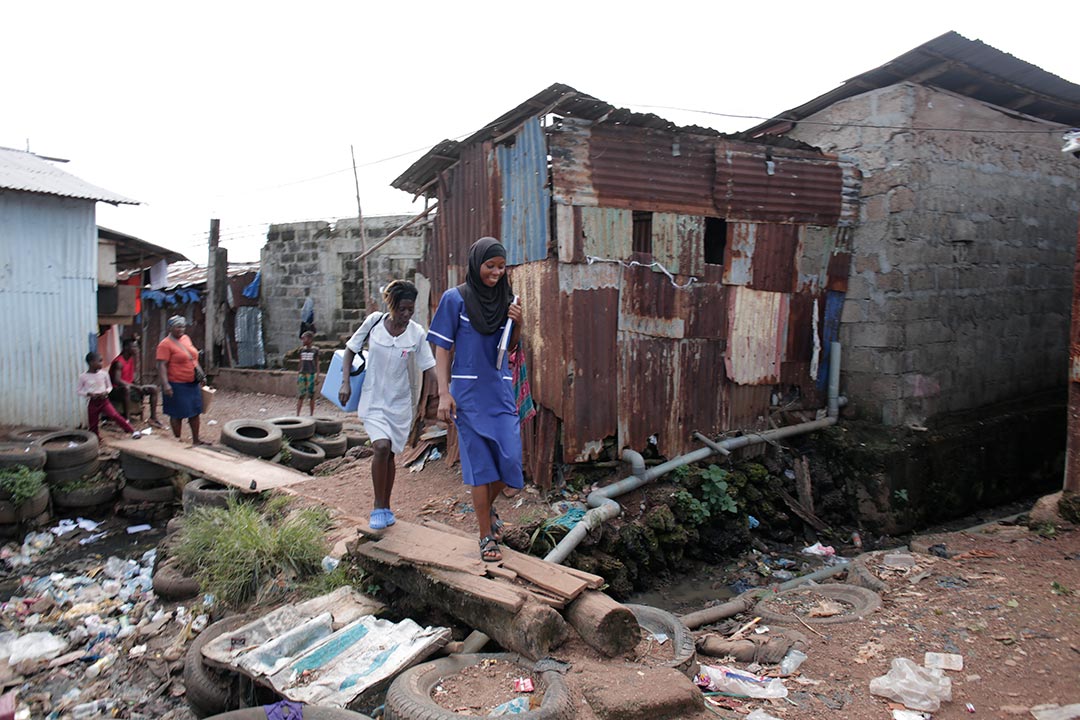
Angolan national Gloria Kainandunge, 26, and her three children live in an informal settlement called Katutura, Otjiherero for “we do not belong.”
The forced removals of South Africa’s apartheid era saw black Namibians relocated to this desolate, rocky outpost on the fringes of Windhoek. Today, low-income earners, both local and foreign-born, live in the settlement’s corrugated-iron shacks, in which summers and winters alike can be unforgiving.
Like many other inhabitants of Katutura, Kainandunge’s focus is day-by-day survival: trying to make ends meet, find food and keep her children safe.
But safety is a shifting target. Namibia, polio-free since 2008, declared an outbreak of the paralysing disease on 10 April 2026, after the virus was discovered in sewage samples from Windhoek, Gobabis and Rundu. No cases of paralysis have been recorded, but the wide geographic range suggested a large-scale, silent spread.
Polio shows up clinically in only about one of every 200 cases, meaning the disease can circulate for a long time without detection. But it can only do that in populations in which vaccination coverage has thinned below a critical threshold. Sitting on a worn mattress with one of her three children playing at her feet, Kainandunge speaks slowly, as if calculating the risks of the admission: “I’ve never heard about the polio vaccine.”
It is not that Kainandunge has doubts about vaccination: instead her family simply isn’t plugged into the healthcare system.
“If my children are not sick, I barely take them to the hospital or clinic. Maybe that is the reason why I am not aware of the polio vaccine,” she tells VaccinesWork.
Emergency vaccines
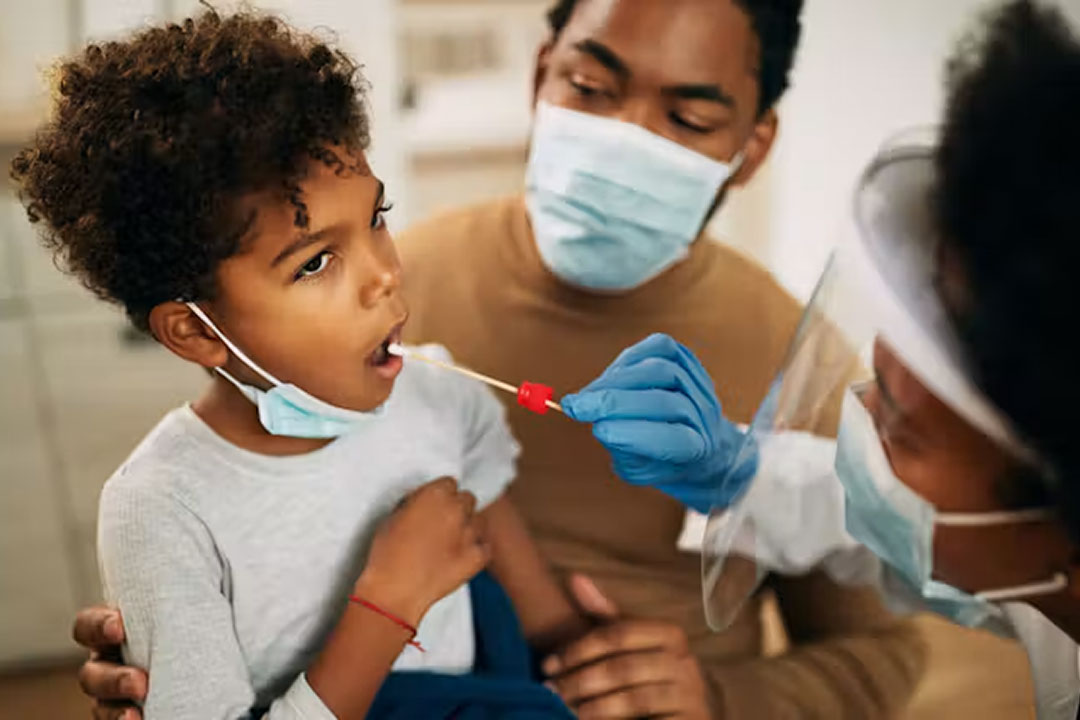
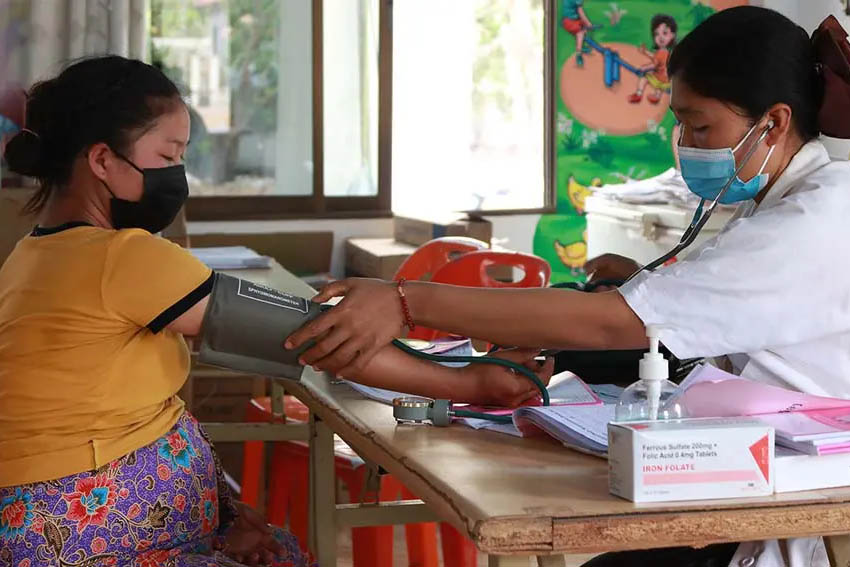
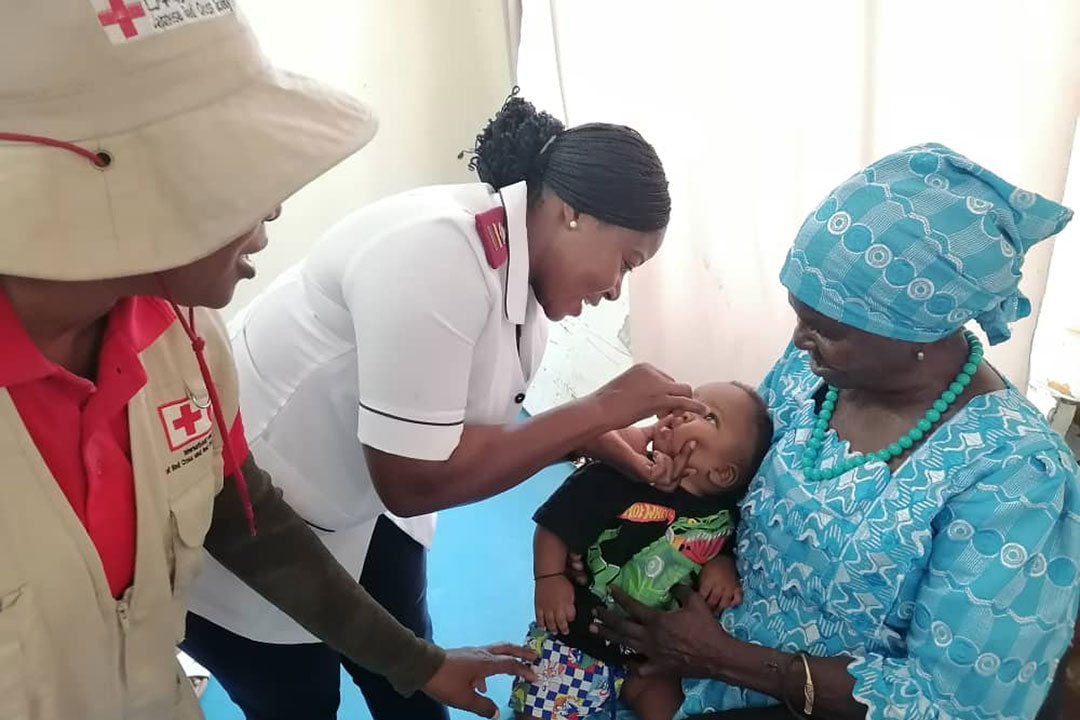
A nationwide vaccination campaign that aimed to reach more than 924,000 children aged ten and younger was announced quickly in response to the outbreak. The first two rounds of the campaign reached 834,297 children, leaving a gap which authorities hoped to close in a third round, which took place from 27–30 April.
Executive Director at Namibia’s Ministry of Health and Social Services (MOHSS) Penda Ithindi told VaccinesWork that Namibia deployed the novel oral polio vaccine, type 2 (nOPV2). “The objective is to prevent local transmission of the disease and prevent it from causing paralytic polio disease in humans, thereby averting an outright polio outbreak,” Ithindi told VaccinesWork.
Have you read?
Ithindi also confirmed that laboratory investigations revealed that the poliovirus detected in Namibia is genetically linked to cases circulating in Angola, underscoring the risks of cross-border importation.
“Similar cases of circulating vaccine-derived poliovirus (cVDPV) have also been isolated in Zambia, Malawi and Mozambique,” he said.
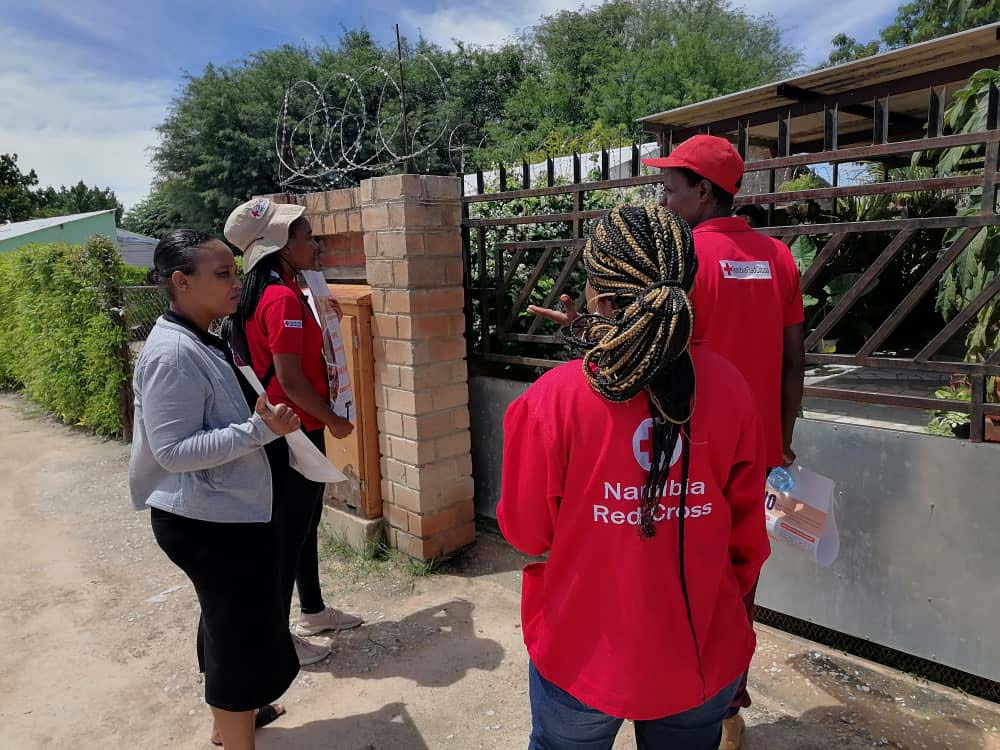
Credit: Namibia Ministry of Health and Social Services
Namibia’s Incident Manager for Polio, Dr Nguundja Uamburu, told VaccinesWork in a phone interview that it was too soon to speak to the results of the campaign’s third round, with partners including WHO, UNICEF, MOHSS, CDC and the Red Cross still set to collate the data before compiling a full report.
Inside and outside the system
Lucia Joseph and her seven children live not too far from Kainandunge’s shack, in a similar structure. From a disease-risk perspective, however, the family may as well be on another continent. Joseph has always ensured that her children are vaccinated when they are due.
Perhaps it’s because her fourth child, daughter Rauna Ngihepa, was born with cerebral palsy, that she feels especially well-connected to the local healthcare system. Rauna, she says, requires “constant monitoring..” But Joseph also emphasises that keeping up with her children’s vaccination requirements hasn’t been difficult for her.
“The nurses write it on their medical reports and sometimes even go to their schools to vaccinate them, which makes it easier for me,” she tells VaccinesWork.
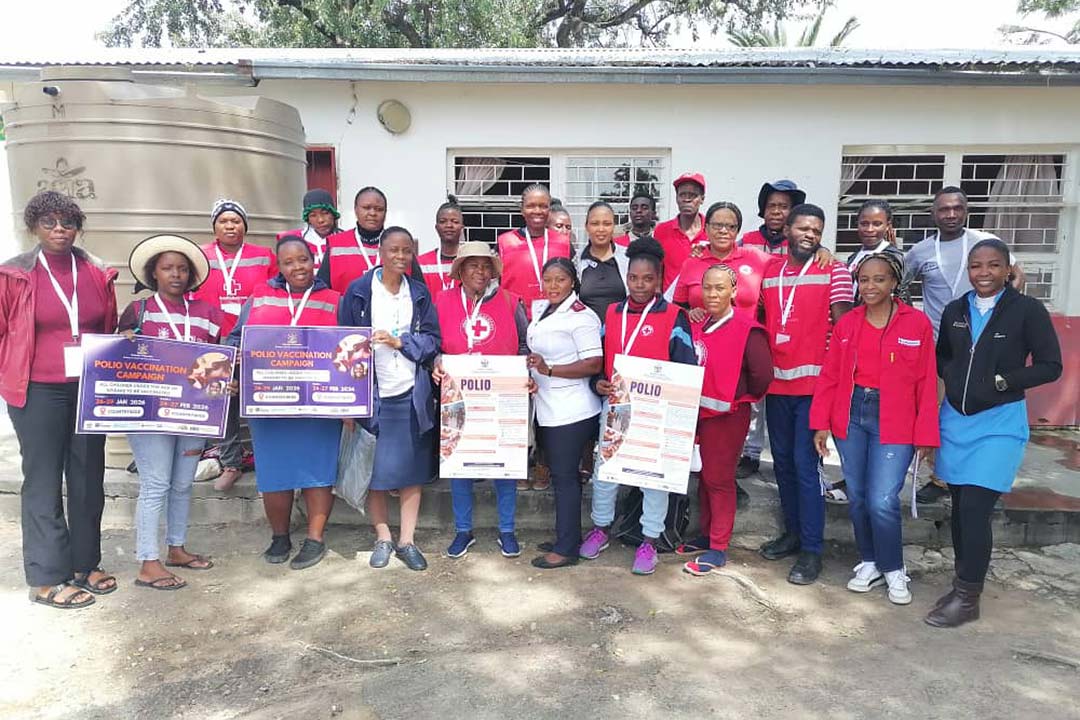
Credit: Namibia Ministry of Health and Social Services
It’s plainly harder for others. Physician and polio surveillance consultant Dr Wolfgang Bueckendorf says that coverage is “uneven”, especially in remote and cross-border regions.
“In some areas along the Namibia-Angola border we estimate only about 60% coverage,” he says.
National-level statistics can veil the extent of the risk in some sub-national populations, he argues. High mobility, informal international crossings and geographic isolation make it difficult to reach some groups.
And even within generally well-served parts of the country, risk is inequitable. Public health messaging has highlighted everyday practices that can increase risk, particularly in communal living settings.
Polio spreads via the faecal-oral route, which means rapid spread is more likely in high-density communities, where children from different households play together much of the day. Among Namibia’s most vulnerable communities in midst of an outbreak is the growing number of street children and destitute families who live in ungazetted informal settlements. “Communal living and shared caregiving increase exposure,” says public health expert Hilkka Mulunga.
UNICEF Social Behavior Change Specialist Cathline Neels says her team has worked together with their partners to ensure that these vulnerable communities were reached by the end of the third round of immunisation, by means of door-to-door outreach.
Closing the 10% gap
The vaccine, administered free of charge, can do a lot to level the risk inequities that social inequality creates, but only when socially-determined access barriers are knocked down.
The Namibian government announced on 11 May that the country had achieved 47% coverage, which is far below the target expectation of 80% threshold.
“As a result, the Cabinet directed MOHSS to consider the reactivation of door-to-door vaccination for certain areas when the need arises in due consideration of the epidemiological risks associated with ceasing door-to-door initiative,” the Ministry of Information stated.
Fortunately for Kainandunge, her three young ones were vaccinated during that outreach initiative, and are safe.
More from Vitalio Angula