
As temperatures rise, a new app aims to protect pregnant women from the heat
MotherHeat Alert is being tested in South Africa, Zimbabwe and Sweden, with tailored warnings and advice for the women most vulnerable to extreme heat.
- 21 May 2026
- 5 min read
- by Priya Joi
At a glance
- A new smartphone app called MotherHeat Alert is being developed to send heat warnings tailored to pregnant women, postpartum mothers, infants and the health workers who care for them.
- It is being evaluated in South Africa, Zimbabwe and Sweden, with community health workers delivering the alerts to women without phones in rural Zimbabwe.
- The ultimate aim is to reduce preterm birth and other heat-related complications, which research has linked to rising temperatures.
When a heat warning flashes up on a phone, it is usually meant for everyone. The same threshold, the same advice, whether you are a healthy adult heading to work or a woman seven months pregnant in a township shack with a tin roof.
Yet pregnant women are far more vulnerable to extreme heat than other adults. Their bodies are already working harder to regulate temperature, and rising heat has been linked to preterm birth, stillbirth, low infant birth weights and other complications.
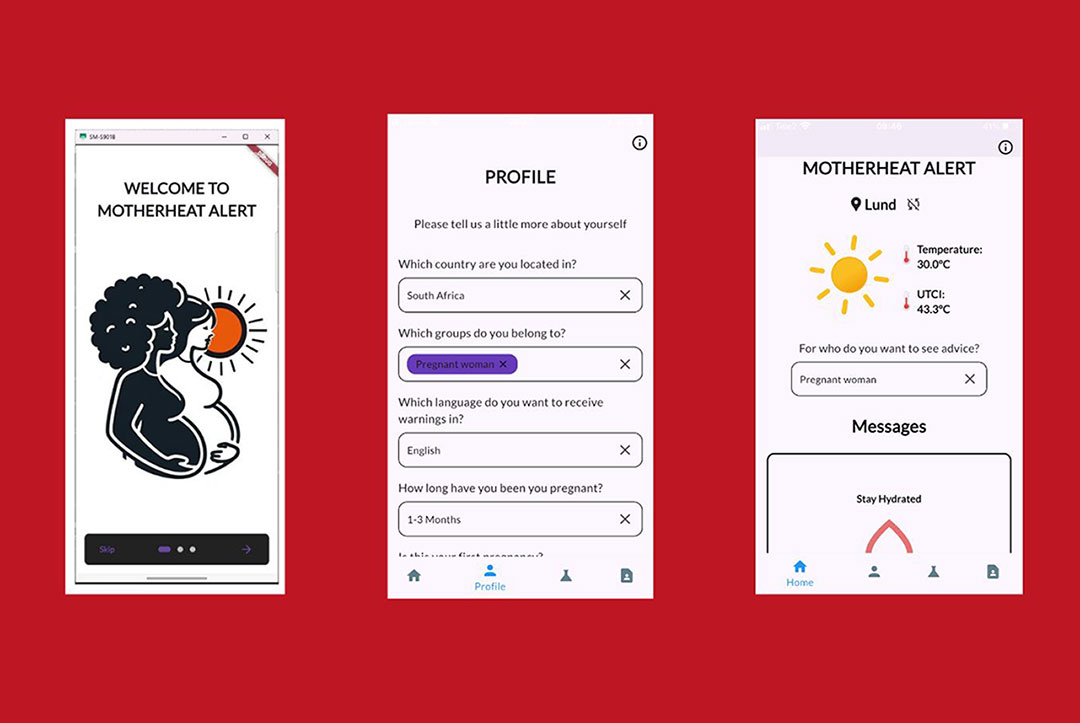
A team of researchers across Europe and Africa has built a smartphone app called MotherHeat Alert, designed specifically to warn pregnant women, postpartum mothers, and the health workers who care for vulnerable mothers and babies. When local heat conditions become dangerous, the app can tell them how to mitigate the risk.
The ultimate goal is to reduce the adverse health effects of heat, including preterm birth, which has been linked in multiple studies to rising temperatures.
The app was developed and is being evaluated as part of HIGH Horizons, an EU-funded research project on climate change and maternal, newborn and child health. Dr Chuansi Gao, an associate professor at Lund University in Sweden, leads the early warning system work and says the goal is to translate the science of heat and pregnancy into something practical enough to act on at home, at work, in the market, or at a clinic.
Built for those most at risk
“Compared to the general weather forecast and weather warning, this is more specific,” Gao told VaccinesWork. “Firstly, it targets the vulnerable group: pregnant women, postpartum women, infants, and healthcare workers. And secondly, if you are going to give a warning, you need a threshold to decide at what heat stress level you trigger the early warning. These thresholds are specifically determined for these vulnerable groups.”
The thresholds are determined by epidemiologists in the project consortium who have studied the relationship between temperature and pregnancy outcomes. They have identified the points at which health risk starts to climb, and the app uses those values, rather than generic public heat warnings.
Have you read?
That means the thresholds reflect more than just simple air temperature. MotherHeat Alert uses the Universal Thermal Climate Index, known as UTCI, which combines temperature with humidity, wind and heat radiation: a better measure for how the body actually experiences heat.
“Even at the same temperature, depending on whether the sun is shining or if we are in the shade, the effect on our bodies can be different,“ Gao explains. “When the humidity is different, the heat level is different. UTCI integrates all the factors that can affect our body’s heat regulation and heat exchange.”
Collaborative advice
A warning on its own is not enough. When the app triggers an alert, it follows up with concrete recommendations including avoiding direct sun, drinking more water to prevent dehydration, taking more frequent rest during physical activity, and various cooling methods including more frequent bathing for both mothers and infants.
Even if some of the research team was working in the cooler European north, the app’s utilities and advice were written to be useful in places where temperatures run hotter, and families‘ resources often run shorter. The researchers worked with pregnant women in South Africa and Zimbabwe to find out what is appropriate for their own setting and what recommendations they would be most likely to be able to follow.
Gao says that “by involving the end users, the messages are co-designed, and more likely to be implemented.”
Three countries, three realities
MotherHeat Alert is being evaulated in South Africa, Zimbabwe and Sweden, with each country recruiting around 200 participants. The testing phase in South Africa wrapped up in August 2025, while Sweden finished last autumn, and Zimbabwe completed its summer testing in January 2026.
How women receive the alerts depends heavily on where they live. In Sweden and South Africa, participants use their own smartphones. In Zimbabwe, that was not always possible.
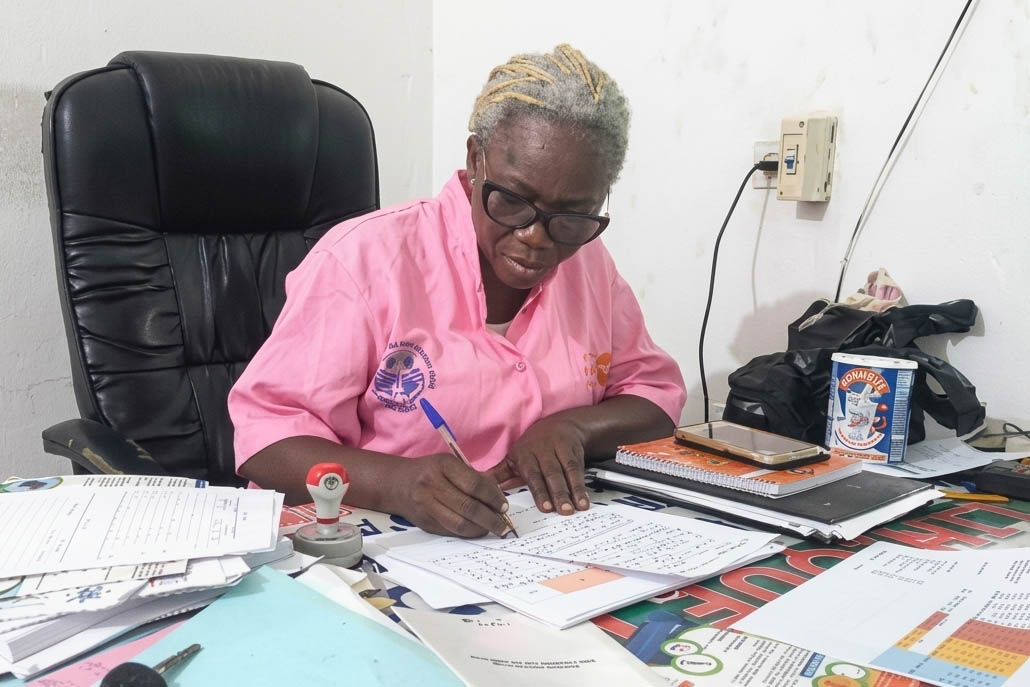
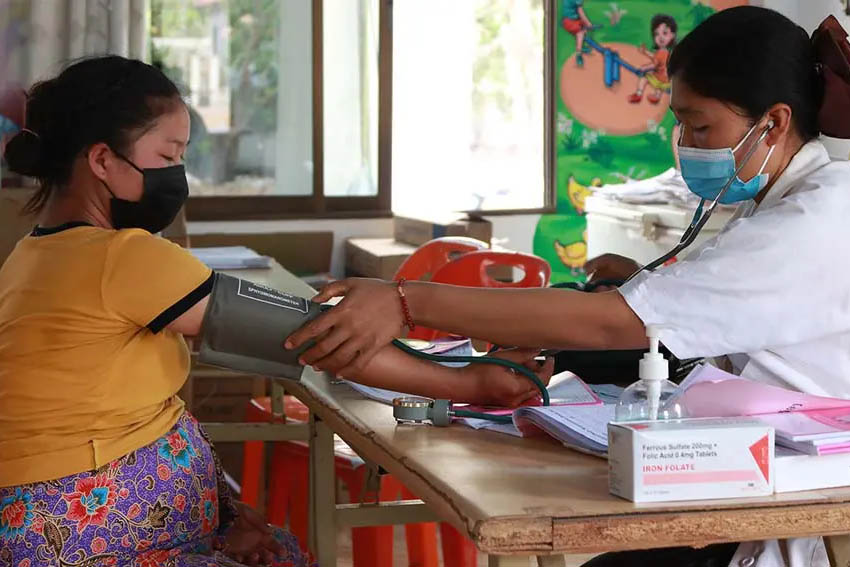
“In Zimbabwe, since the mobile phone penetration is lower, some of the users don’t have their own mobile phone, or it is not good enough to install an app,” Gao says. “The early warning messages and the recommendations were conveyed by community health workers. They use their phones, they get a message, then they go to the pregnant women and deliver the message.”
The bigger goal: fewer preterm births
While the results are still being analysed, preliminary results are promising. Importantly, partcipants from both South Africa and Zimbabwe “like the app and find it very useful,” says Gao.
In Zimbabwe, they observed increased awareness of effects of heat on maternal health, which led to health benefits as participants adhered to messaging and widely engaged in message sharing and diffusion beyond the target group. Community health workers in Zimbabwe also reported strong demand for broader, direct access to the app.
In Sweden, meanwhile, there was less interest in the app itself, but the messages still proved useful in providing beneficial messaging on the effect of heat on the health of pregnant and postpartum women
The ultimate goal is to reduce the adverse health effects of heat, including preterm birth, which has been linked in multiple studies to rising temperatures.
“It’s not possible to see such reduction in such short time,” he says. “Instead of those long-term health effects, we normally evaluate acceptability of the early warning system by the users. We evaluate their heat health risk awareness and knowledge gain. And we assess behaviour change.”
For example: did women drink more water when the app told them to? Did they rest more, change their daily routines, find shade? Those are the questions being answered first.
If MotherHeat Alert is eventually rolled out more widely, Gao hopes the harder outcome will follow. “The long-term outcome, of course, is the prevention of adverse health effects for pregnant women and newborns,” he says. “One of the main adverse outcomes is preterm birth. We would like to see the reduction of preterm birth in heat.”