
Displaced and adrift in urban Lahore, these families were resolute in their distrust
How two CSOs and an Islamic scholar helped 24 wary families find faith in immunisation.
- 19 May 2026
- 6 min read
- by Olivier Konan , Dr Muhammad Abdullah Avais
A community uprooted and unseen
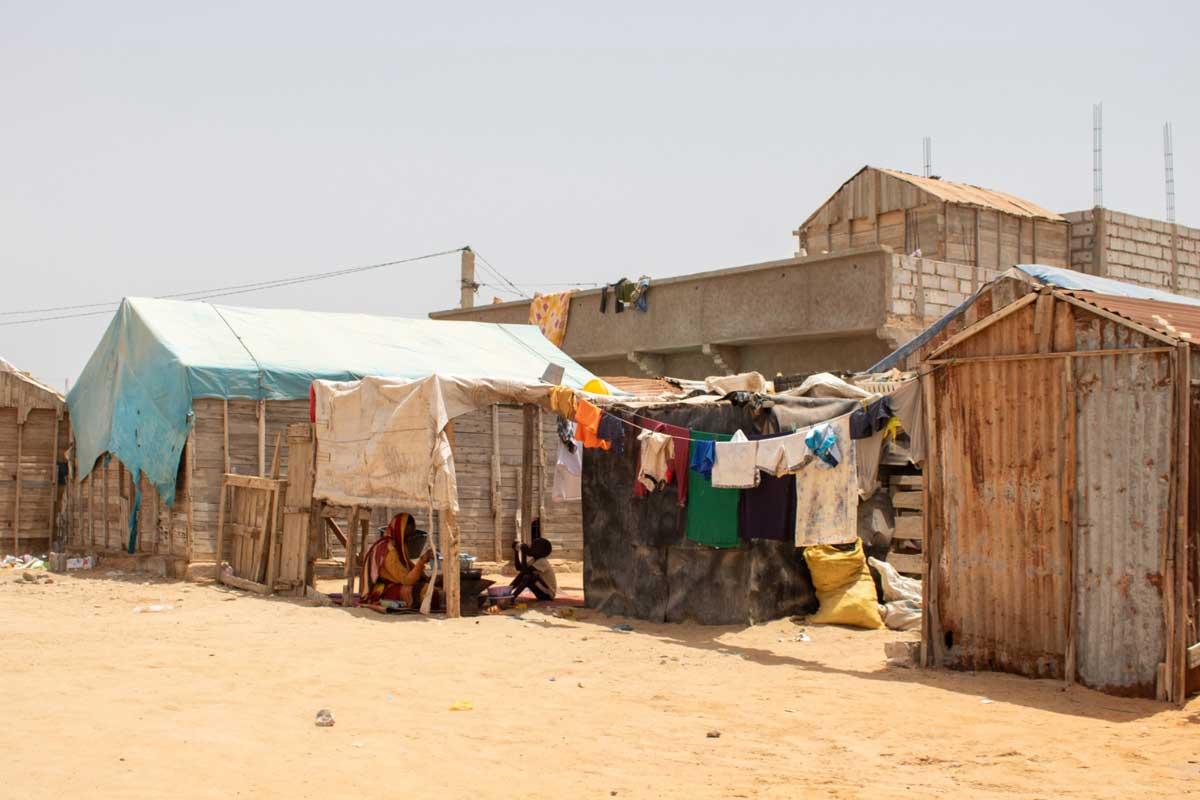
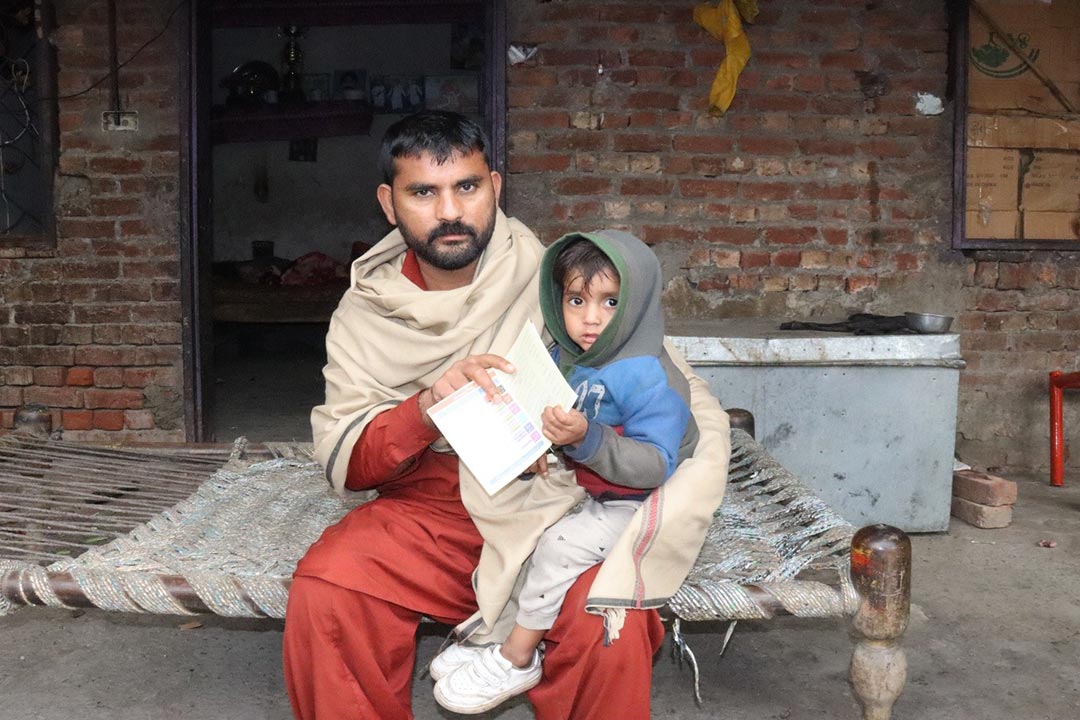
In the first week of January 2026, a group of exhausted families arrived in Rasheed Park, a neighbourhood in Lahore, Punjab Pakistan. They were adrift, pushed out of their informal homes built on a riverbank, and carrying whatever possessions they could.
They also brought with them their deeply rooted fears about vaccination, beliefs shaped by years of misinformation, religious misconceptions and mistrust of outsiders. In their old community, it had been said that vaccination was forbidden in Islam. Rumours circulated that vaccines were funded by foreign powers with hidden agendas, and that they were unsafe, particularly for girls. For these families, refusing vaccination was not negligence. It was a matter of conviction.
An invisible wall of mistrust
Within just five days of their arrival, in the second week of January 2026, outreach teams from the civil society organisation Association for Gender Awareness and Human Empowerment (AGAHE), alongside a local partner organisation, Rural Education and Economic Development Society (REEDS), had assessed the new arrivals and made an important finding.
“Whoever saves a life, it is as though he has saved all of humanity,” said the scholar, quoting the Surah Al-Ma’idah, and thus identifying immunisation with the sacred responsibility of protection. When faith and evidence aligned, resistance began to dissolve.
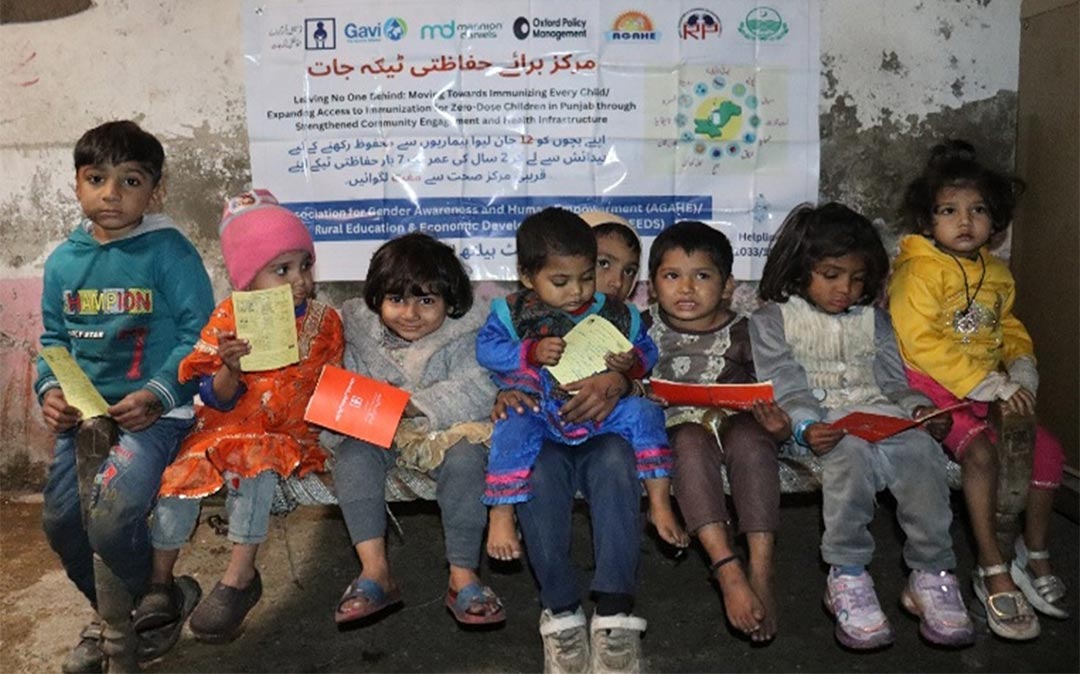
The displaced families included 24 infants, all born between October and December 2025, who had never received a single vaccine. Not BCG. Not polio. Not one dose of any vaccine. These were true zero-dose children, totally unknown to the immunisation system for the entirety of their young lives.
The AGAHE team, which had been mapping under-immunised children in Ravi Town when the displaced families arrived, knew that their main challenge wouldn’t be logistics, but perception.
Changing minds shaped by years of fear and misinformation would require patience, respect and deep cultural understanding. To protect these children, they first had to dismantle a wall of fear built over generations.
© AGAHE/Pakistan
Building bridges, one conversation at a time
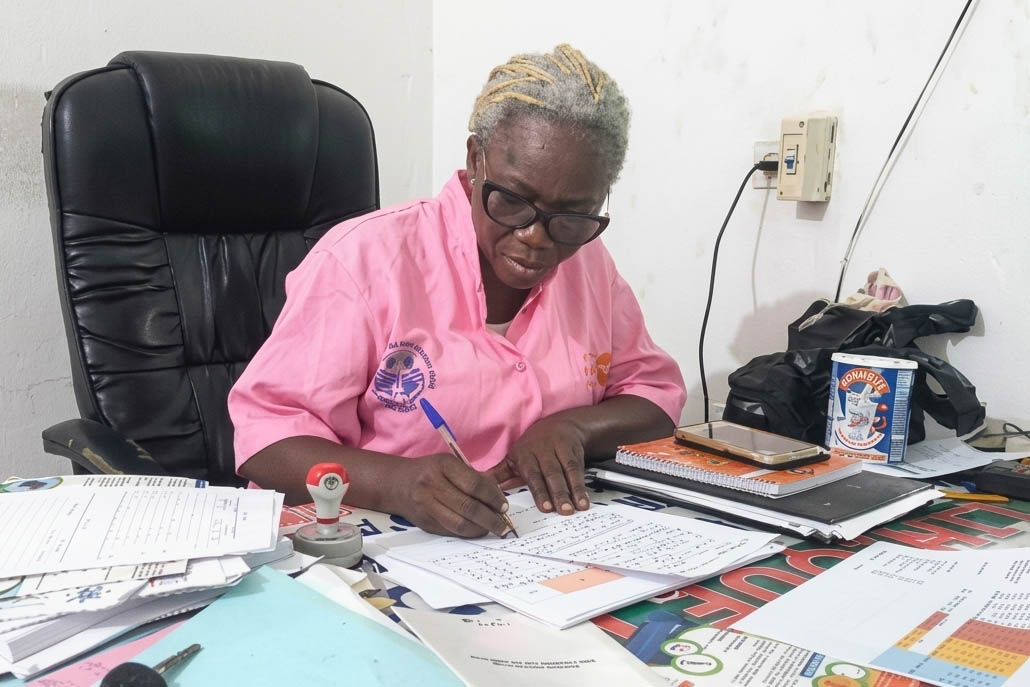
The team from AGAHE showed up to the community with open ears and a willingness to talk and have open conversation. “We did not come to argue with these families. We came to listen first,” said Mubeen Anwar, Community Engagement Specialist with AGAHE.
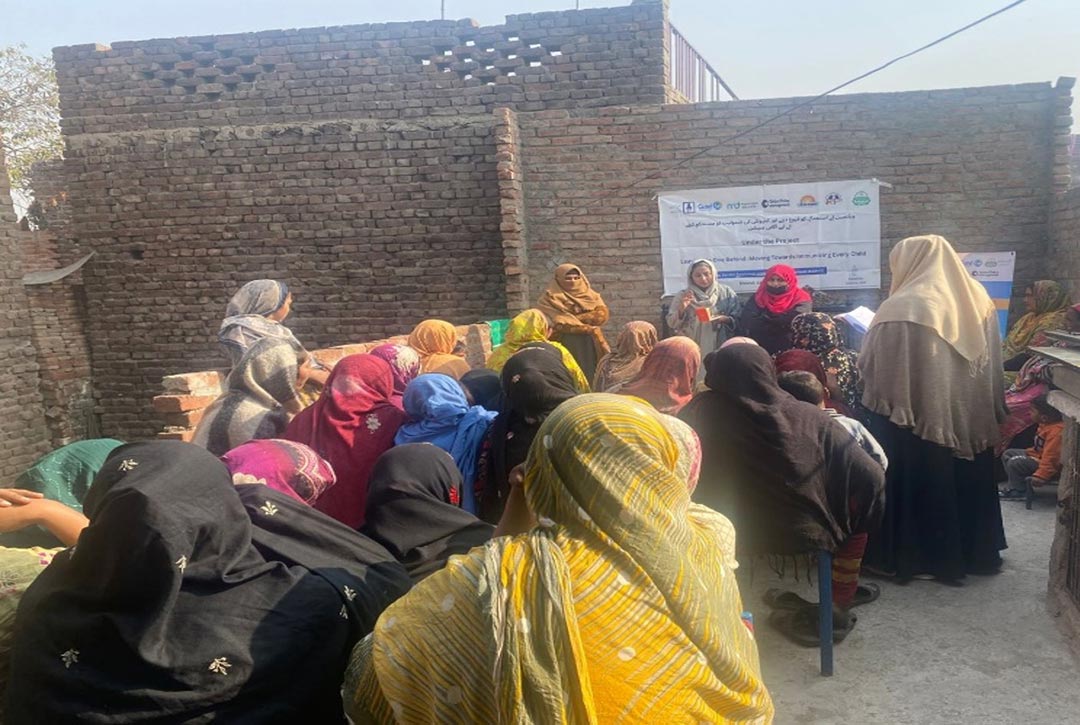
Over the next four weeks, the team held eight to ten sessions in which they sat with parents in their makeshift homes, and in small community gatherings. They listened carefully to every concern from fears of infertility to conspiracies about foreign interference, and addressed each one with honesty and respect. They acknowledged the community's history of displacement and hardship, making it clear they were not outsiders with a hidden agenda, but neighbours with a genuine concern for the children's wellbeing.
Have you read?
Crucially, the team enlisted the voices the community trusted most, like local religious leaders and respected elders, in coordination with the Lahore district health authority. It was the inclusion of these people, not pamphlets or statistics, that truly turned the tide. When a local religious scholar addressed the gathered families, his words carried the weight of faith itself.
“Whoever saves a life, it is as though he has saved all of humanity,” said the scholar, quoting the Surah Al-Ma’idah, and thus identifying immunisation with the sacred responsibility of protection. When faith and evidence aligned, resistance began to dissolve.
One mother, who had firmly refused vaccination for years, reflected on her change of heart: “We had heard so many things: that vaccines were foreign, that they would harm our daughters, that they were not allowed in our religion. But when our own imam told us it was our duty to protect our children, and when we saw that this team truly cared about our families, we understood we had been wrong. We only wish someone had come to us sooner.”
© AGAHE/Pakistan
A day that changed everything
In February 2026, exactly one month after these displaced families had arrived in Rasheed Park, all 24 zero-dose children were vaccinated. Each child received the BCG and pentavalent jabs – their very first protection against tuberculosis, diphtheria, whooping cough, tetanus and hepatitis B. The vaccination sessions were conducted in close coordination with the District Health Authority in Lahore.
For the children who had lived their entire short lives without a single vaccine, as for their families, this day marked a profound turning point. The misconceptions that vaccines cause harm, “especially to girls”, were dispelled through lived experience.
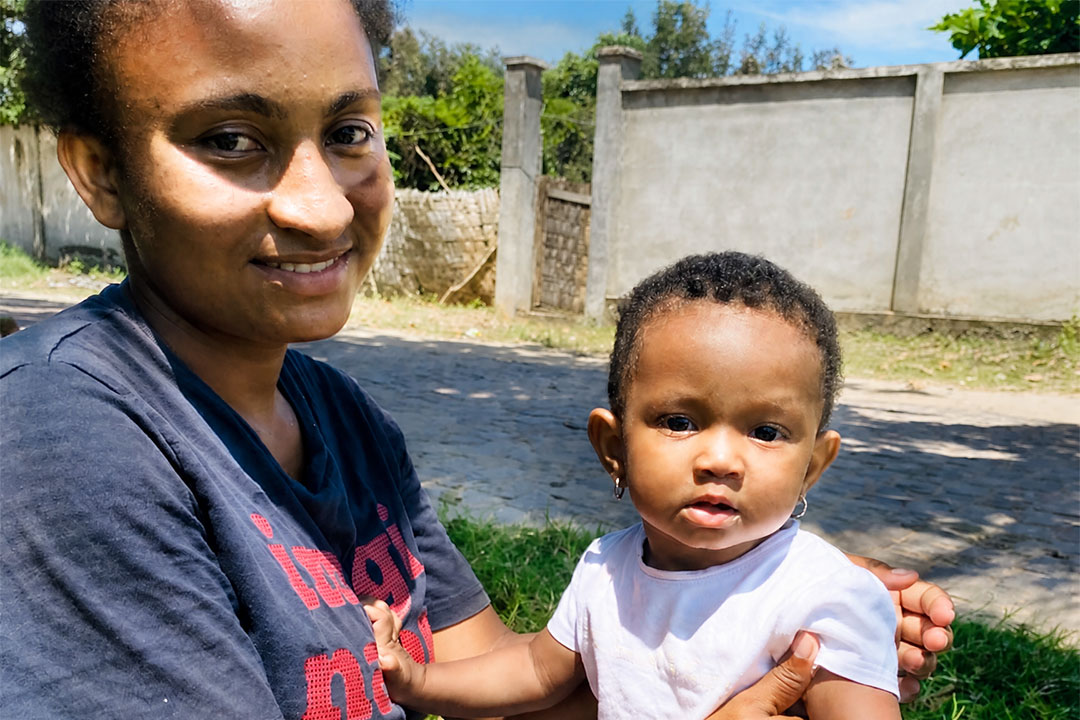
And it didn’t stop there. More parents came forward to get their under-vaccinated children protected. Saima, mother of baby Muskaan, said, “After witnessing 24 children in my community receive vaccines and stay well, my fear softened into trust, and I brought my own child forward for protection.”
Families who had once closed their doors to the health system, watched their children remain healthy and active in the weeks that followed. “Alhamdulillah, our children are healthy. Now we tell our neighbours not to wait as long as we did,” said a father of two vaccinated children.
The crucial first step
This progress, while positive, remains fragile. These families still live in an informal settlement without secure tenure and continue to face daily economic and social pressures. But agreeing to vaccination was a significant step toward a better, healthier situation.
“Immunisation may not be their primary need, but it opens the door to trust, recognition and access to basic health services. For a voiceless community with no address, that first vaccine visit can be the beginning of everything else,” explained Dr Maria Rosheen, District Coordinator, Lahore.
In the weeks that followed, the AGAHE outreach team and the District Health Authority in Lahore continued to monitor vaccination uptake at Rasheed Park. Between March and April 2026, 78 more children were vaccinated – a direct result of growing community trust and word-of-mouth after the February 2026 immunisation sessions.
Today, Rasheed Park is no longer a missed pocket in the immunisation map. Mothers arrive at immunisation points on their own initiative. Fathers encourage their neighbours to vaccinate.
Arslan Ali, a vaccinator with the AGAHE outreach team who led the sessions at Rasheed Park, saw the shift first-hand: “Before February, I had to explain why vaccines were safe. After February, parents were explaining it to each other. My job became easier because the community had started doing it for me.”
Results beyond Rasheed Park
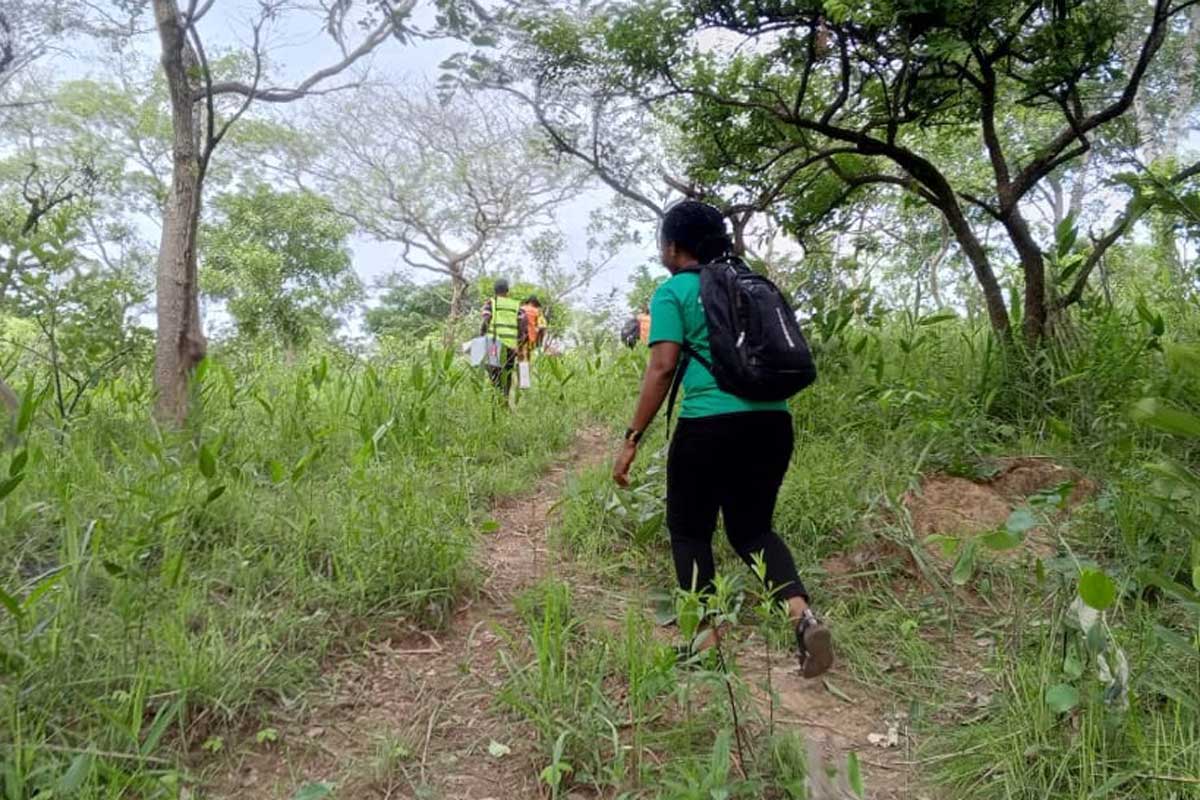
Rasheed Park is one example of a larger effort. In the last nine months from July 2025, across nine districts of Punjab, AGAHE and REEDS have vaccinated a total of 564,308 children. This number includes the 15,340 under-immunised children and 31,899 zero-dose children (aged between 0–18 months) who were successfully identified and covered through outreach and routine immunisation activities.
In Lahore district specifically, a total of 44,669 children were vaccinated, including 2,084 under-immunised children and 6,693 zero-dose children. These children were reached and vaccinated through various strategies: targeted interventions, community mobilisation, defaulter tracking, and enhanced field coordination. More than 1,100 religious leaders and 1,000 community influencers have been trained as vaccine champions. In every case, the approach has been the same: listening before speaking, earning trust before asking for change.
How is Gavi helping?
To help increase immunisation coverage in lower-income countries, Gavi has launched a series of opportunities for civil society organisations (CSOs) to deliver projects reaching zero-dose children and under-immunised communities via its CSO Fund Manager.
MannionDaniels, a global health and social development consultancy, working in a consortium with Oxford Policy Management (OPM), currently operates in this role, providing end-to-end grant management services. With the support from Gavi through this funding mechanism, AGAHE and their local CSO partner, REEDS, are working to implement this immunisation project across nine districts in Punjab, Pakistan. The achievements in this story reflect the strengthened collaborative efforts of the CSOs, Essential Programme on Immunization (EPI) teams, community mobilisers and health workers in improving immunisation coverage and reaching missed and vulnerable children’s populations.