
In Nigeria, lessons from polio campaigns are helping protect children against other diseases
From micro-planners to tally sheets and trackers, tools used during the years-long polio eradication efforts are boosting routine immunisation coverage.
- 13 May 2026
- 6 min read
- by Jesusegun Alagbe
At a glance
- Sokoto’s long years working on polio control are boosting efforts to prevent other childhood diseases.
- Tools, tactics and personnel road-tested during polio campaigns have been imported into the state’s routine immunisation system. Health workers say they’re helping reach “chronically missed” children.
- Trust, too, has proved transferable. “I saw how paralysis has reduced among children in our community, so if these health workers saved our children before, they will save them again,” one mother said.
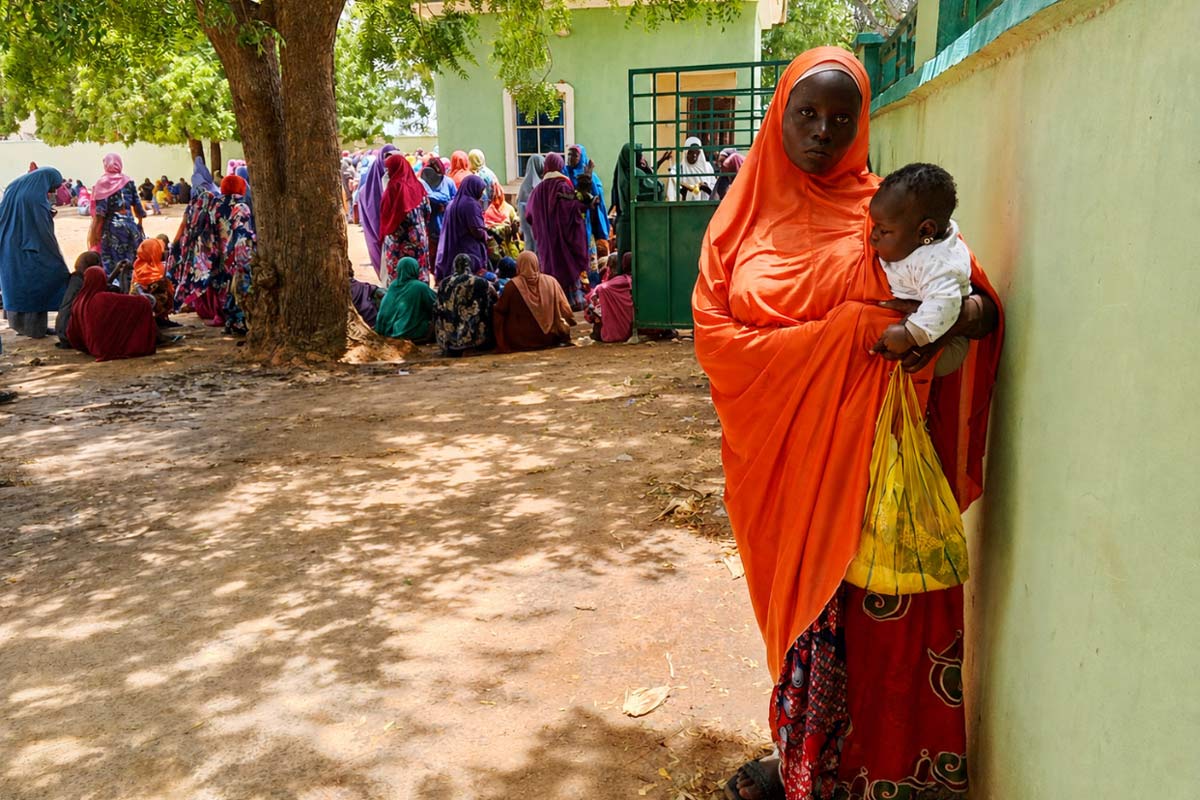
Like many mothers in Arkilla, in Wamakko Local Government Area of Sokoto State, northwestern Nigeria, Hauwa’u Muhammad’s trust in routine vaccines has grown tremendously over the years.
“I believe in routine immunisation, and my trust in it is strong,” she told VaccinesWork. “All of my children, ages ranging from two to seven years, have been vaccinated.”
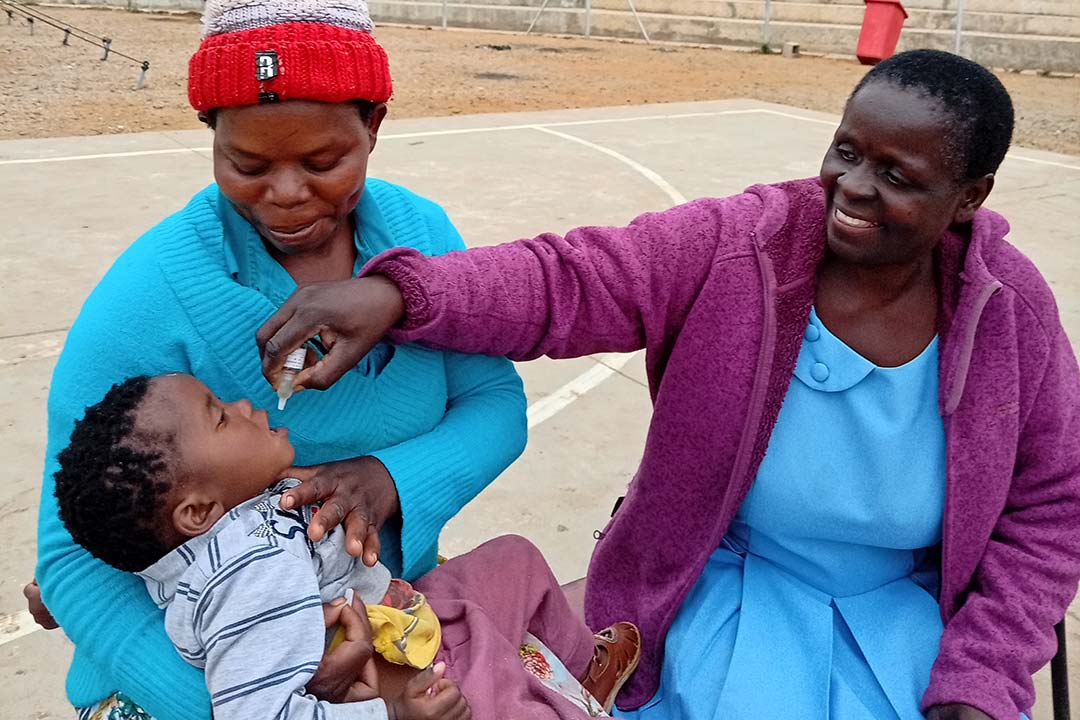
But it wasn’t always like that. Muhammad used to associate vaccination exclusively with the drive to eradicate polio, a disease that she says used to1 “ravage” her community. As such, once her children had been immunised against that paralysing disease, and were safe, she felt she had discharged her duty, and felt reluctant to bring them back to the clinic for other jabs.
“I used to believe that was it,” Muhammad explained. “But then, health workers encouraged us that taking only the polio vaccine doesn’t protect children from several other diseases.”
Their encouragement was particularly convincing because they were the same health workers who had helped bring polio under control. “I thought that since they proved to care about our children’s health long ago, they definitely still care about them now. I saw how paralysis has reduced among children in our community, so if these health workers saved our children before, they will save them again,” Muhammad explained, adding that for the past five years nobody has needed to remind her of her children’s routine immunisation appointments. “I remind myself.”
From polio campaigns to routine immunisation
In Sokoto, as in other parts of Nigeria, the legacy of the polio campaign has directly benefitted other vaccination programmes.
After decades of intensive polio eradication drives, the systems, tools and community networks built have been repurposed to strengthen routine immunisation.
For years, polio efforts were delivered through largely vertical, campaign-style structures – supported by dedicated funding, partners and personnel – running alongside routine immunisation under the government’s Expanded Programme on Immunization (EPI).
However, as the country was certified polio-free in 2020, many of the tools and approaches have been adapted for routine immunisation, and often deployed by the very same frontline workers.
From micro-plans, which are detailed maps used by health workers to identify households and plan outreach routes, and tally sheets, which are used to record each child vaccinated during a session, to community engagement, health workers say polio-inspired tactics are helping to reach more children.
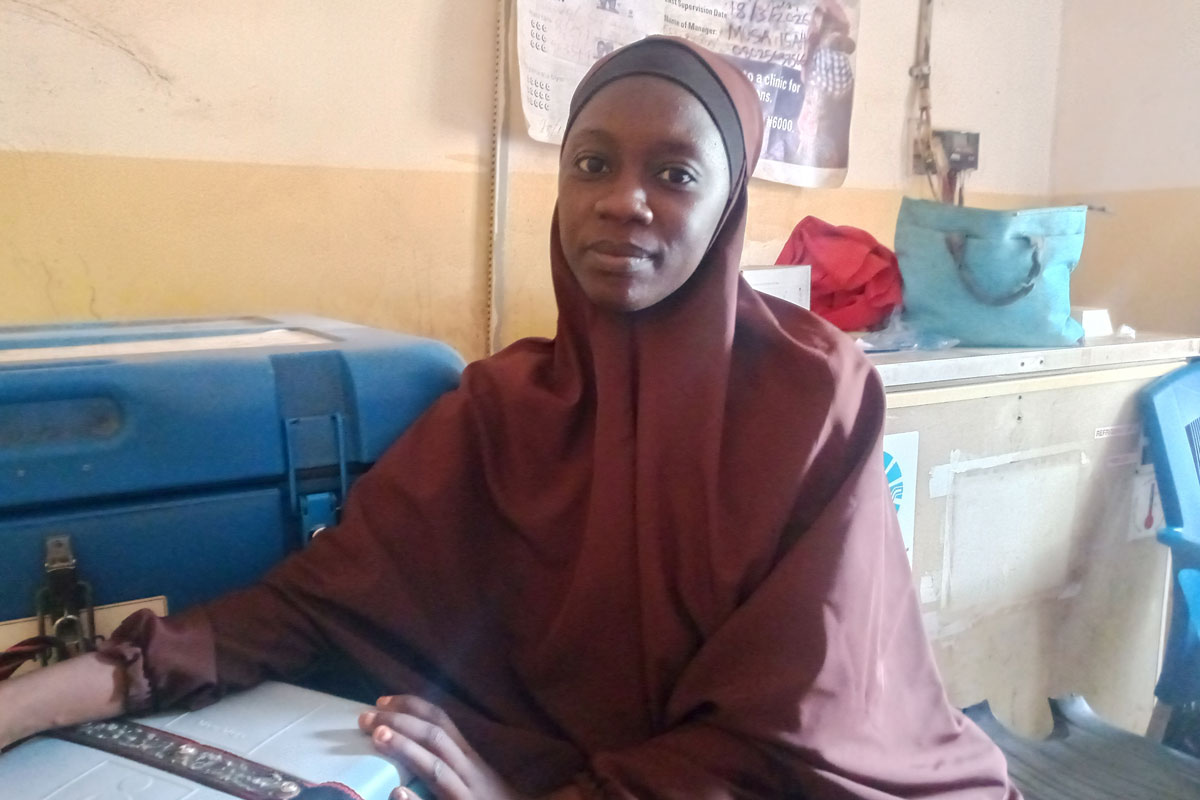
“Our work is easier because we have adopted tools used previously during polio campaigns, such as micro-plans and tally sheets,” said Raihana Ahmad Idris, a vaccinator at Arkilla Primary Healthcare Centre. “The micro-plan guides our work: it shows where to start, where to go and where to stop. Before, we were sometimes just told to go and give vaccines without clear direction. But now, the micro-plan makes everything more organised and efficient.”
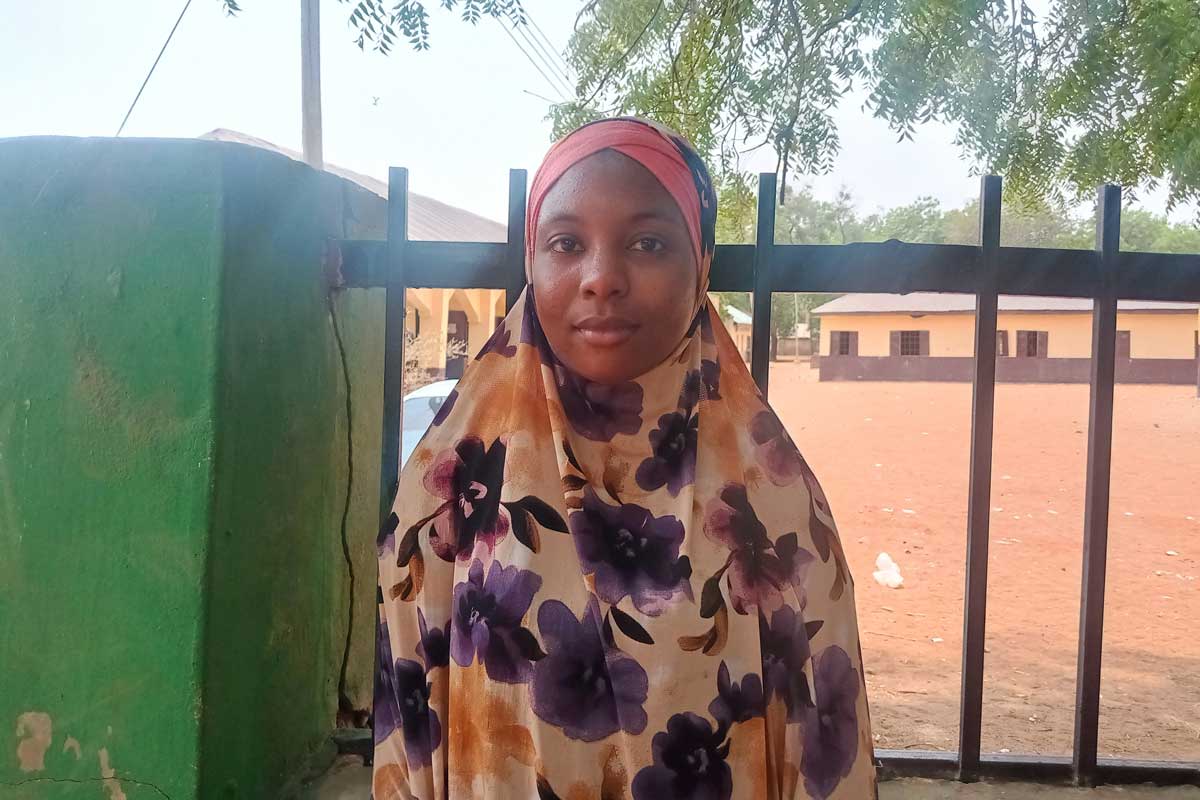
The kind of highly detailed and meticulously revised micro-plans Ahmad is talking about, were specifically tried and tested in the polio trenches – particularly to reach so-called “chronically missed children” in northern Nigeria. While microplanning is a general public health concept, the innovative household-based, GPS-mapped and satellite-guided systems used in Nigeria were tailored to address the region’s unique challenges.
Aina’u Abubakar, who previously worked as a polio supervisor, agreed that tools originally developed and refined during polio campaigns are now central to routine immunisation efforts.
“We still use micro-plans, tally sheets and trackers, and they have been helping us in the field. Even if we forget to mark a child’s finger after vaccination, we can still confirm from the tally sheet,” she told VaccinesWork. According to Abubakar, trackers are used to monitor the movement of vaccination teams and improve vaccination coverage.
“The tools are really helping us,” said Fatima Hassan, an assistant Health Records and Information Officer (HRI), said. “They help us track children for vaccination.”
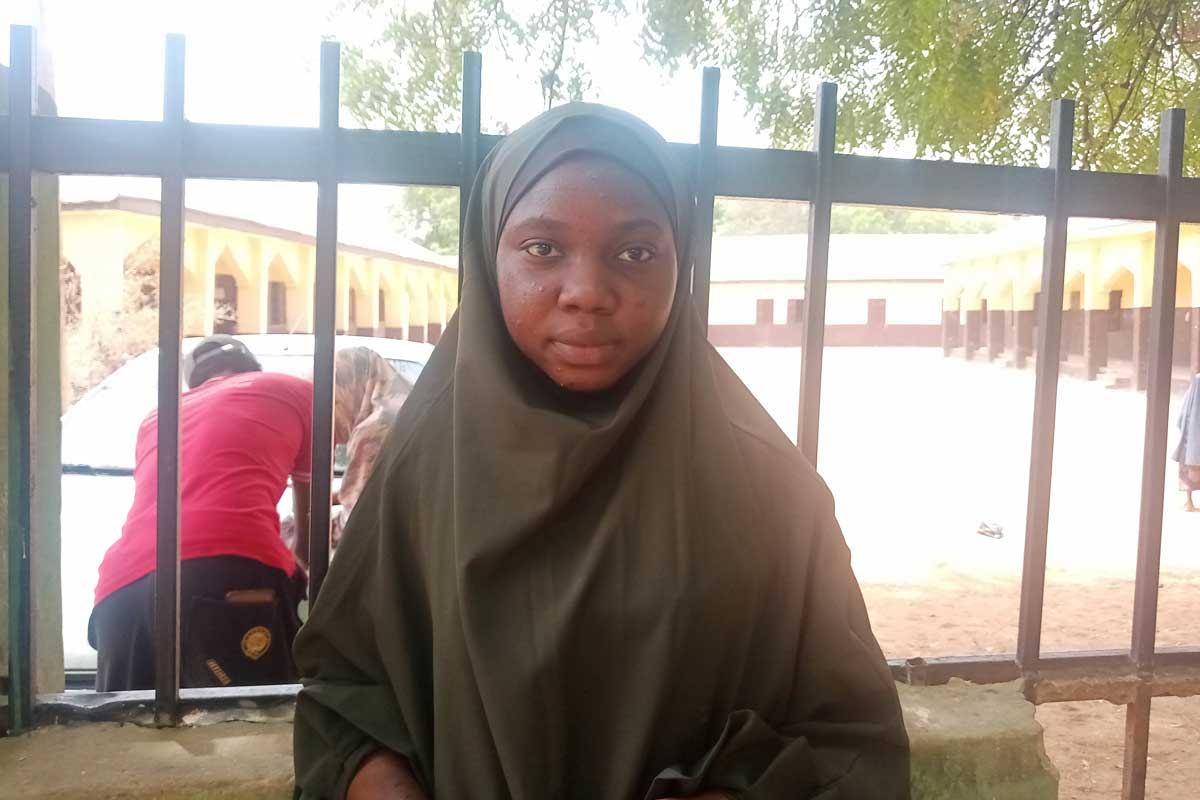
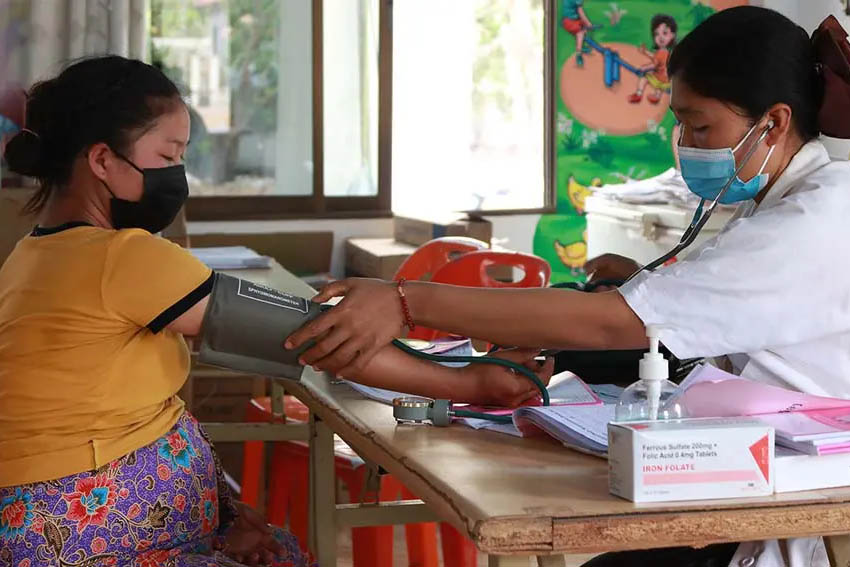
She added that Volunteer Community Mobilisers (VCMs) play a critical role in the success of these strategies, by mapping households and reporting on children and pregnant women in their communities. Functionally, they extend the reach of the health system into areas that are often under-represented.
Building trust through community networks
However, systems alone are not enough, especially in many parts of northern Nigeria, where cultural and religious leaders often influence families’ attitudes. Trust remains central to improving vaccine uptake.
In many communities, that trust was built up in local networks of community and religious leaders developed during the years of polio campaigns.
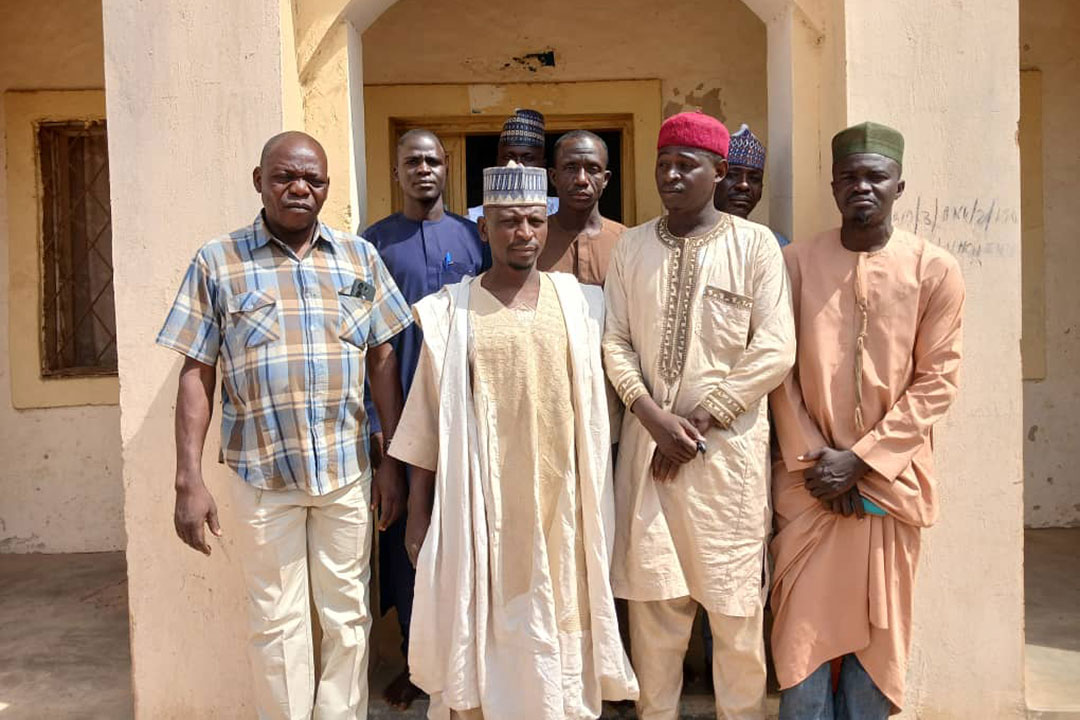
“Just as we did during the polio campaign years, one of the easiest ways we still engage people today for routine immunisation is through community gatherings. We call it majalisa – where family elders come together to discuss issues,” Babangida Shehu, a community leader in Arkilla, told VaccinesWork.
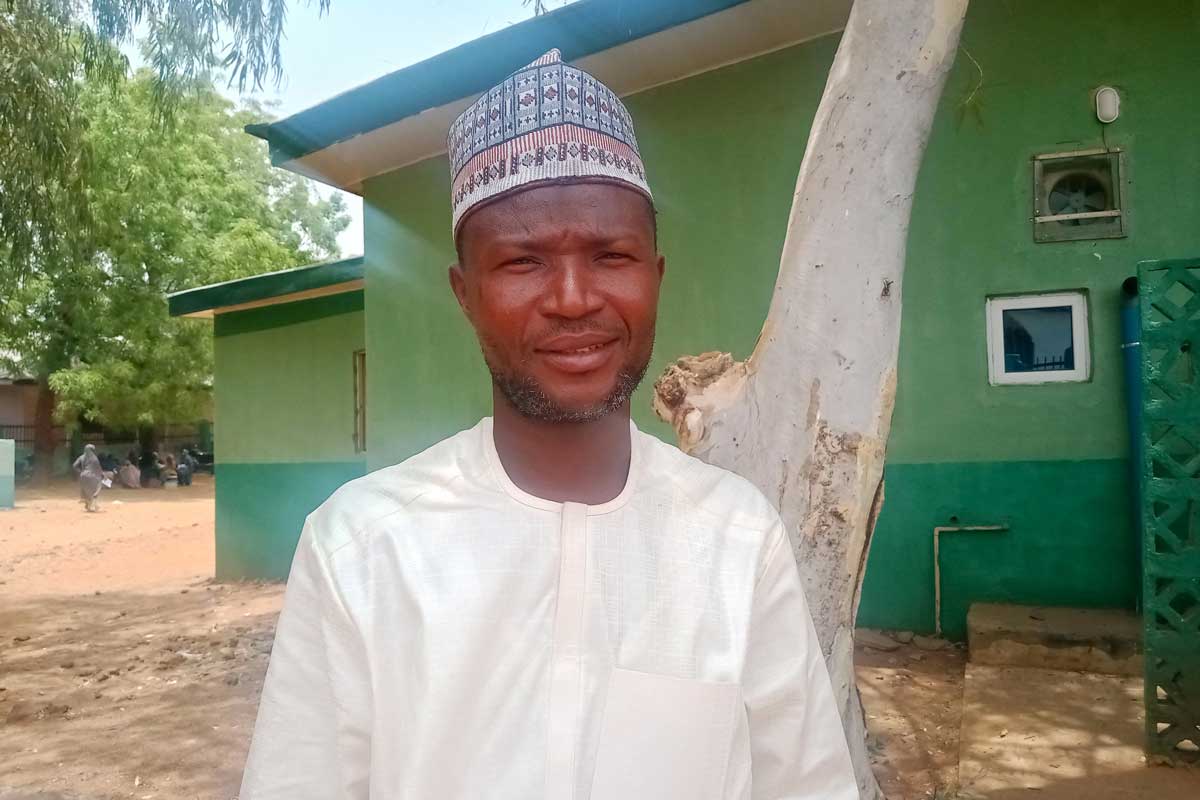
“As leaders, we use those spaces to raise awareness about routine immunisation and assure people that the vaccines are safe and important for their children. As leaders, we also visit our people at public places like mosques, farms and markets. Many who were initially hesitant have now accepted the vaccines. Even our top traditional leaders, including the Shamakin Uban Kasa, have always played an important role in educating the people.”
If you're interested in articles about polio, read next
Progress amid challenges
Despite the progress, challenges persist. “Some parents don’t agree with immunisation – they may refuse or chase us away,” Abubakar said.
Idris echoed this, noting that while some families eventually accept vaccines after repeated engagement, others remain hesitant. Access can also be uneven. As Muhammad, the mother of four explains, “Only a few health workers come to our area. That’s why I usually take my children to the hospital myself, which is not always easy if I have to take two children at once.”
An evolving system
Despite setbacks, including the ongoing challenges related to circulating vaccine-derived poliovirus type 2 (cVDPV2), which crops up very rarely, but can spread quickly through under-immunised populations, health workers say the combination of better planning, improved tracking and stronger community engagement is making a difference.
“Data may not be available readily, but definitely, since adopting the polio tools, routine immunisation has improved because of regular outreach and awareness activities, which take place three to four times a week,” Hassan said.
“Mobilisers, community leaders, and health workers all work together, and people are more willing to accept vaccines when they see trusted health workers involved.”
1 Nigeria was officially declared free of the wild poliovirus in August 2020, marking a major milestone after decades of eradication efforts. However, outbreaks of circulating vaccine-derived poliovirus type 2 (cVDPV2) continue to be reported in parts of the country, including northern states such as Sokoto.