
In Kenya, smaller vaccine vials may mean more children protected
Ten-dose vaccine vials make a lot of sense – until they don’t. In one sub-district hospital, lower-dose measles-rubella vaccine vials are spurring hopes of fewer frustrations and improved coverage.
- 5 December 2025
- 7 min read
- by Angeline Anyango
At a glance
- 235 health facilities in Kenya are trialling a switch from ten-dose to five-dose measles-rubella (MR) vaccine vials. It promises to be an impactful change.
- Ten-dose vials of MR vaccine incur the risk of waste: if too few children show up at a vaccination session, vaccine must be discarded. Often, to avoid waste, parents are asked to reschedule their appointments.
- “We are looking forward to registering a drop in vaccine defaulters in the sub-county,” says nurse Nicodemus Sango’onde, of Rangwe Sub-county Hospital. “The new vial will also boost the confidence of our clients in us, because they will no longer be sent home to come on a later date.”
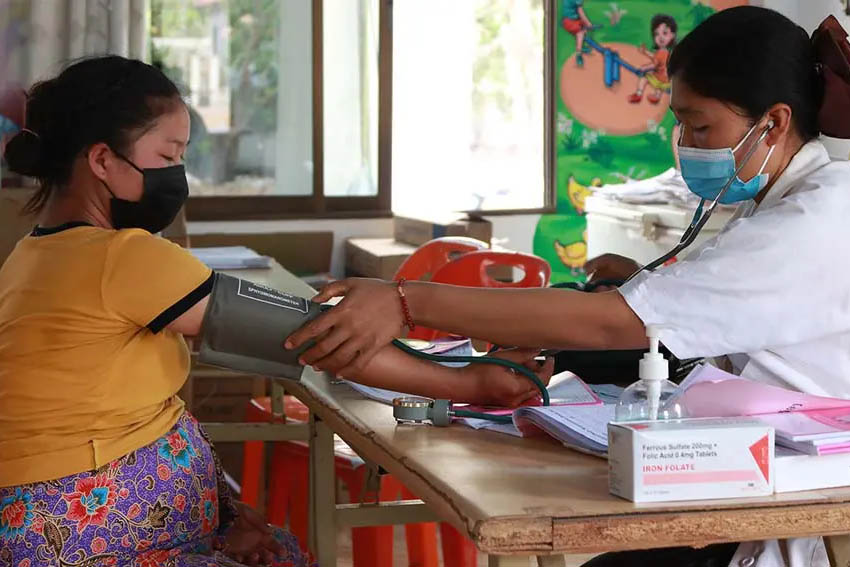
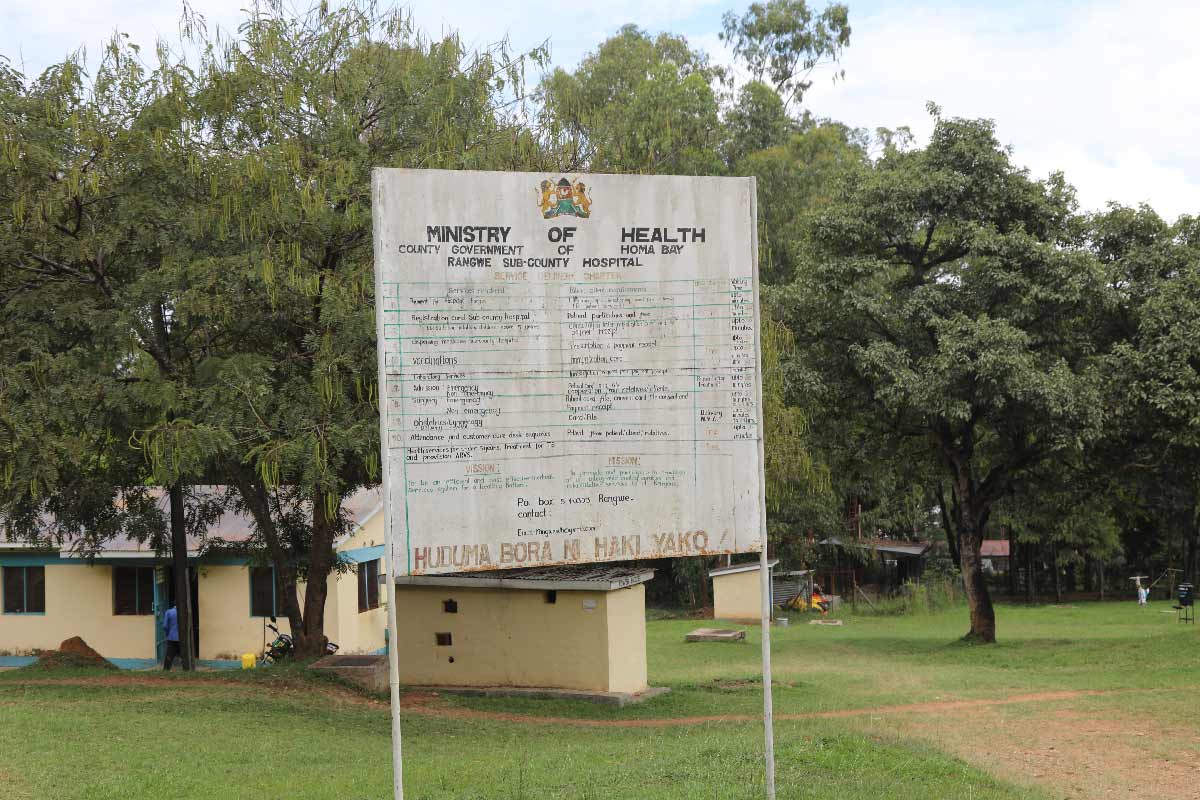
About half an hour inland from Homa Bay in Kenya, the tranquillity and greenery of the countryside is abruptly disrupted by the cluster of blue-and-cream buildings that make up Rangwe Sub-county Hospital. In one corner of the campus is the Maternal and Child Health (MCH) clinic. Sometimes quiet, this morning the clinic is a beehive of activity. Women – some pregnant and others shepherding their young children – bunch up on benches, each waiting for their turn to see the nurse.
For the health workers, busier mornings like these are an opportunity – not just to level up vaccination coverage in the sub-county, but also to minimise vaccine wastage. Some vaccines come in multi-dose vaccine vials, and these, if not used up, will need to be thrown away, either at the end of the vaccination session, or within six hours of opening.
Until recently, a particular pressure-point was the measles-rubella (MR) vaccine: one tiny vial contained no fewer than ten individual doses.
On busy days, avoiding MR vaccine wastage is easier than on quiet days, says Nicodemus Sang’onde, an MCH nurse at Rangwe. “On the market days, we always expect up to ten mothers bringing their children to get the measles-rubella vaccine, or other routine early child immunisations,” he says. Lower-level facilities within the sub-county also refer the children in need of MR vaccine to the Rangwe hospital, hoping to make up the necessary numbers.
But slow days leave health workers in a quandary: having to discard perfectly good vaccine vials still containing unused doses, or ask the slow trickle of mothers who do show up to the facility, to come back another day.
The ten-dose quandary
Rangwe’s staff have tried to plan ahead to get around the problem, but that hasn’t always worked out.
“As a facility, we would give our clients appointments on days when we expected more children at the facility. There are days, however, when only a single mother would show up for the vaccine,” Sang’onde recounts. “On such occasions, we would reschedule the mother. When we had a case of a child who is likely to default when turned away, we would be forced to open a vaccine vial, which would lead to wastage of nine doses,” he says.
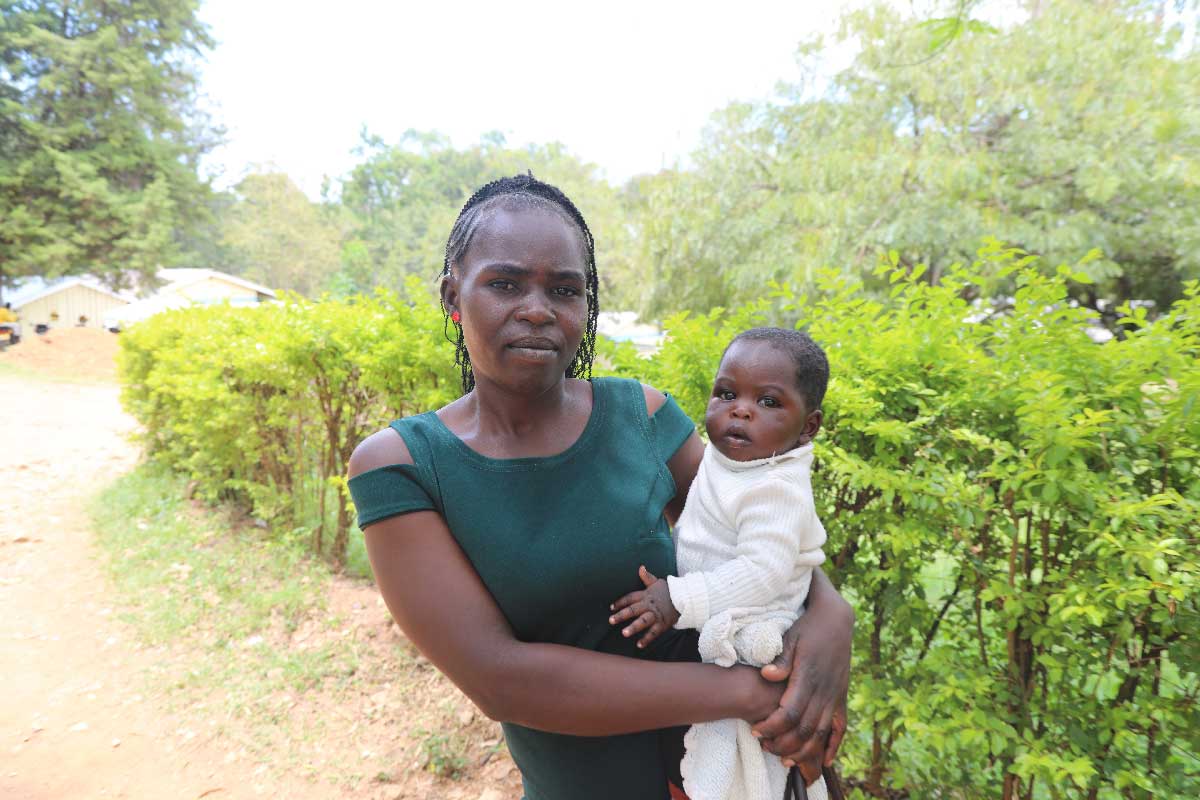
Mercy Akoth, a mother of four, has been on the receiving end of well-intentioned efforts not to waste viable vaccine. “With my elder children, I would make my way to the hospital, almost five kilometres away from home, parting with 100 shillings (US$ 0.77) only to be referred to a nearby health facility or to be scheduled for a later date,” says Akoth. The doctors, she says, might then inform her that there needed to be a group of ten children to receive the MR vaccine, as it came in a ten-dose vial.
In fact, says Akoth, such “explained inconveniences” mean vaccination visits are days she looks forward to with trepidation. For the small-scale businesswoman, a rescheduled date means not only spending again for transport, but also missing more work.
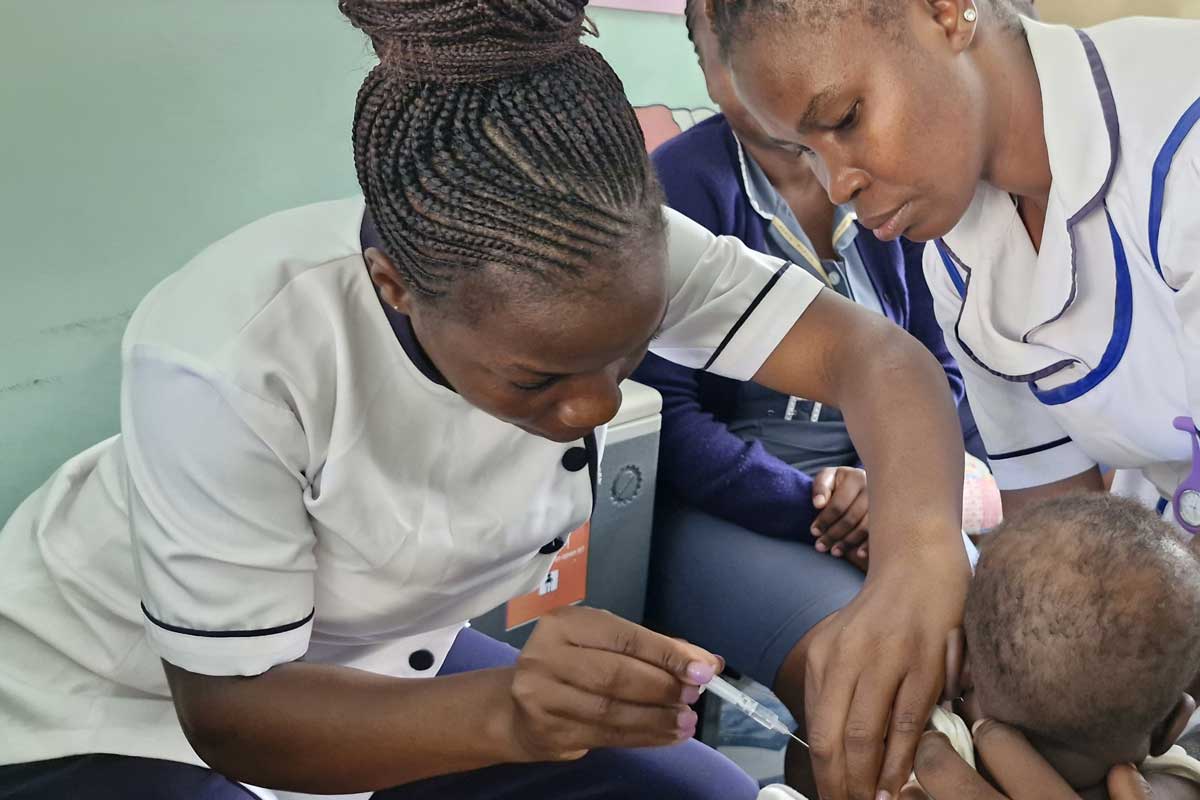
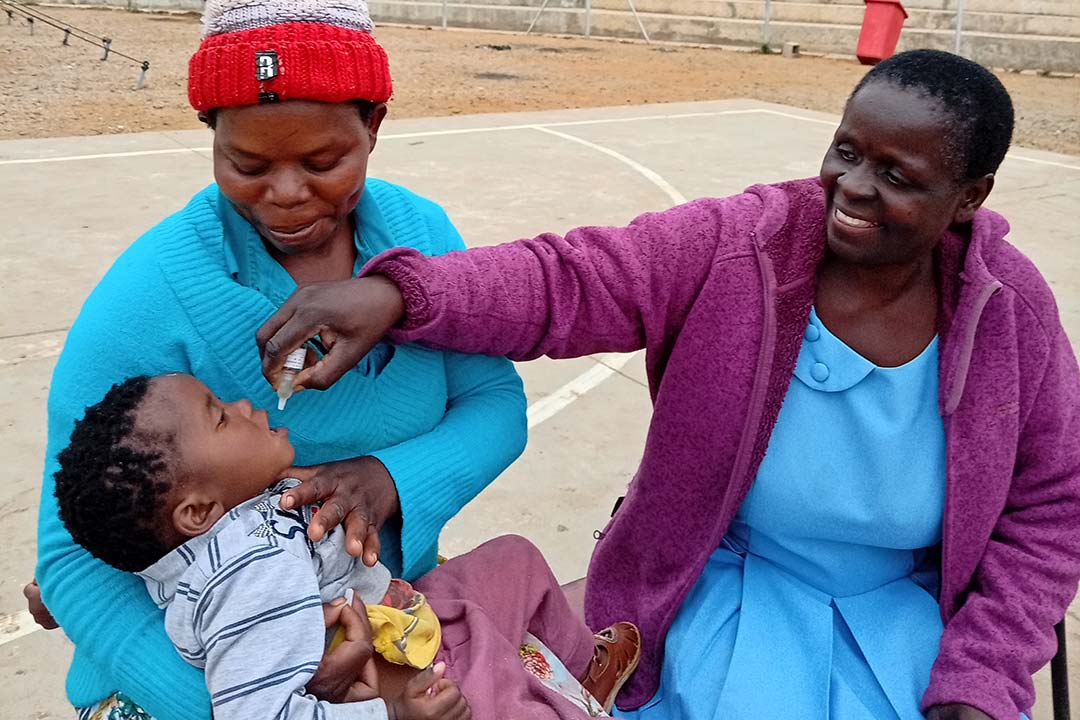
But Akoth, who delivered all four babies in hospital and is careful to keep her children up to date on their shots, also knows it’s too important to put off. She is here with her youngest, now six months old and ready for her first shot of the MR vaccine. “I brought my child for the vaccine because I know far too well the impacts of measles in unvaccinated children,” says Akoth.
Today, however, there has been a change. The ten-dose vial has been swapped out for a smaller, five-dose vial. The wait is, as such, unexpectedly brief. “When I arrived, there were four children waiting to be vaccinated. Sang’onde has since informed us that in a group of five we are eligible for the vaccine,” Akoth explains.
A common-sense fix
Rangwe sub-county is not the only part of the world to have encountered the ten-dose measles vial – a cost-effective presentation in certain contexts – as a logistical hurdle. In fact, the World Health Organization (WHO) generally recommends switching from ten-dose vials to lower-dose vials, such as five-dose vials, to reduce wastage and improve vaccine coverage,
Kenya recently embarked on a study aimed at generating local evidence on the feasibility, cost, and health outcomes of transitioning to five-dose MR vaccine vials. The impact evaluation on the ten-dose to five-dose switch is a collaborative research initiative led by Maseno University, in partnership with the University of Nairobi, Kenya Medical Research Institute (KEMRI), the Ministry of Health and other partners.
Funded by an organisation called the Network of Impact Evaluation Researchers in Africa (NIERA) in collaboration with National Vaccines and Immunization Program (NVIP) Ministry of Health Kenya, the research project has procured 35,000 five-dose vials to roll out in 235 intervention facilities across 12 sub-counties in Kiambu, Vihiga, and Homa Bay Counties over a period of five months, beginning in September.
Sang’onde hardly hides his joy as he reports that Rangwe Sub-County Hospital has been selected to take part in the field-trial. He knows enough to feel confident that a smaller vial will mean Rangwe gets closer to its longstanding goal: universal childhood immunisation.
“We are looking forward to registering a drop in vaccine defaulters in the sub-county,” he explains. “The new vial will also boost the confidence of our clients in us, because they will no longer be sent home to come on a later date.”
Have you read?
A national first
“This is Kenya’s first pilot study on the MR vaccine ten-dose to five-dose switch. It aligns with the National Vaccine and Immunization Strategic Plan (2023–2027) and the Immunization Agenda 2030, ensuring equitable and efficient vaccination for all children,” says Professor Apollo Maima, the study’s principal investigator.
“At the end of the study, we will compare the control group (continuing with ten-dose vials) and the intervention group (using five-dose vials),” he adds. The findings of that comparison will guide national policy on MR immunisation.
For mothers like Melany Achieng, visiting Rangwe Hospital for a check-up with her one-year-old last-born, Joyce Aoko, the vial switch rings with promise: parents and caregivers living further away from hospitals will save money and time having the children vaccinated at the first hospital visit, she remarks.
While all three of Achieng’s older children have received the MR vaccine, getting them immunised was no walk in the park. On one occasion, she was the only mother who had visited the facility for the vaccine. “I was rescheduled to come on a later date. On such occasions, I would end up staying away from my only source of income-generation in order to get the vaccine,” she explains.
She adds, “Sometimes I would end up coming on the rescheduled date only for the exercise to be postponed after [again] missing the target.”
Linet Achieng from Amacha village, Homa Bay County, has a similar story. Achieng spends 200 Kenyan shillings (US$ 1.54) each time she travels to the facility. At times, even on busy days, she’s been disappointed, such as when she has arrived late and after most eligible clients had been administered the vaccine – leaving fewer than ten children in need, and health workers reluctant to open a new vial.
But convenience, she says, shouldn’t be allowed to get in the way of safety. “I know just how dangerous measles can be. My neighbour’s child once contracted the disease but since she had been immunised, she only ended up experiencing mild symptoms of measles. This is exactly what I want for my children,” says the 30-year-old.
More from Angeline Anyango