
Three months to halt Ebola: how the DRC contained the virus
In a remote part of the Democratic Republic of the Congo, people are breathing easy again, after vaccines from the global stockpile helped squash a potentially catastrophic outbreak.
- 24 February 2026
- 5 min read
- by Patrick Kahondwa
At a glance
- In September, an Ebola outbreak was declared in Bulape, a remote health zone in the Democratic Republic of the Congo, the DRC’s 16th recorded episode of the disease since 1976.
- Although 45 people would die, rapid international coordination, including shipment of vaccine from the global stockpile, helped bring the epidemic under control before it swelled to epidemic proportions.
- The outbreak was declared over on 1 December, a relief for Bulape residents who had described themselves as “living in fear”.
In the Bulape health zone, around 30 kilometres from Tshikapa, the capital of Kasaï province in the Democratic Republic of the Congo (DRC), calm is gradually returning.
On 1 December 2025, Congolese authorities officially declared the end of the Ebola virus disease outbreak after 42 consecutive days with no new cases, counted from the discharge of the last patient who tested positive.
Declared on 4 September 2025, the outbreak was caused by Zaire ebolavirus, the most virulent strain. It affected 64 people, including 53 confirmed and 11 probable cases, and resulted in 45 deaths, data that makes for a particularly high case-fatality rate.
The epidemic struck this rural region hard, where limited access to healthcare infrastructure and logistical constraints can accelerate the spread of infectious diseases while complicating response efforts.
A community frozen by fear
At the start of the outbreak, Bulape came to a halt. Schools and churches closed, economic activity slowed and travel became rare.
“We were living in fear. Every day there were deaths. We no longer knew how to continue living normally,” said a Bulape resident whose brother died from the disease.
Agnès Mbuyi, a mother of several children, also recalls that period: “New cases were being reported almost every day. I was afraid for my children. I kept them at home. For us, outside meant Ebola.”
Health facilities under pressure
At Bulape General Hospital, fear of contamination immediately affected attendance.
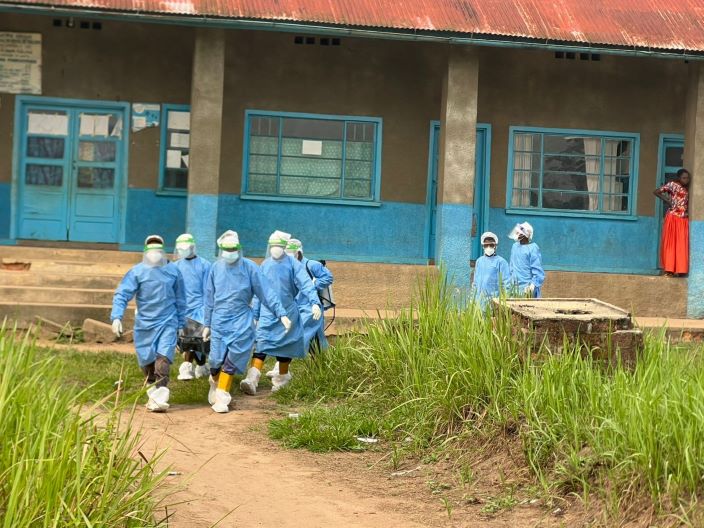
“Patients stopped coming for care because they were afraid of the disease,” explained Dr Jean-Paul, the zone’s chief medical officer. That situation was particularly acute when the Ebola Treatment Centre was housed inside the hospital.
Credit : Dr Jean Paul Mbantshi
“When the treatment centre was moved to a separate site about 100 metres away, people gradually began returning for treatment,” he said.
For medical teams, the outbreak was also marked by the loss of two colleagues early in the response.
A rapid and coordinated response
Following confirmation of the first cases, Congolese health authorities launched an emergency response with the support of national and international partners. The World Health Organization deployed 112 frontline experts and responders, and delivered more than 150 tonnes of medical supplies and equipment to support local teams and protect communities.
This rapid mobilisation helped stabilise the situation in an area that is difficult to access and has limited road and telecommunications infrastructure.
Vaccination: a turning point made possible by the global stockpile
The first Ebola vaccine doses were administered in September 2025. Unlike during previous outbreaks in Kasaï province, the DRC this time had sufficient vaccines available to rapidly launch the response.
In advance, 2,000 doses had been pre-positioned in Kinshasa through the global Ebola vaccine stockpile, which funded by Gavi since 2021 and coordinated by the International Coordinating Group (ICG). After the formal request was submitted to the ICG, additional doses were delivered to support the expansion of vaccination.
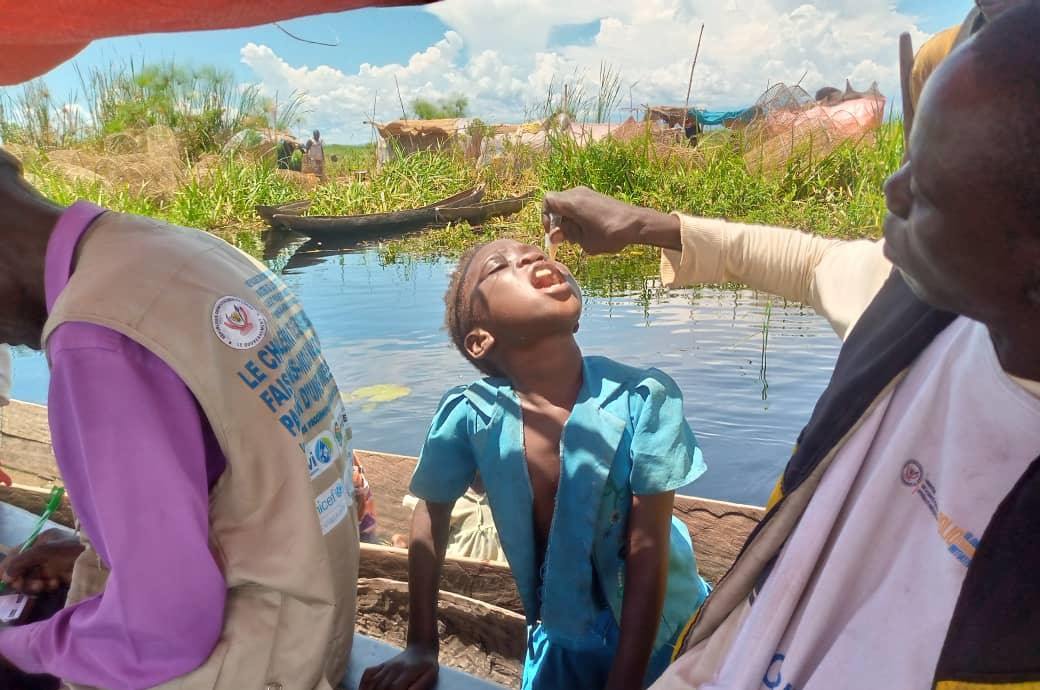
A targeted vaccination campaign initially focused on direct contacts of confirmed cases, contacts of those contacts and health workers, before being extended to communities in Bulape and surrounding areas. In total, more than 47,500 people were vaccinated during the response.
This rapid roll-out relied on the global Ebola vaccine stockpile. Designed to ensure rapid and equitable access to doses in emergencies, the stockpile maintains a permanent international reserve of approximately 500,000 doses, primarily of the rVSV-ZEBOV vaccine. It allows countries facing an outbreak to quickly obtain vaccines and operational support without relying on funds mobilised after the crisis begins.
In the DRC, the stockpile enabled the accelerated deployment of more than 48,000 doses, facilitating the rapid launch of vaccination around confirmed cases and helping to slow virus transmission.
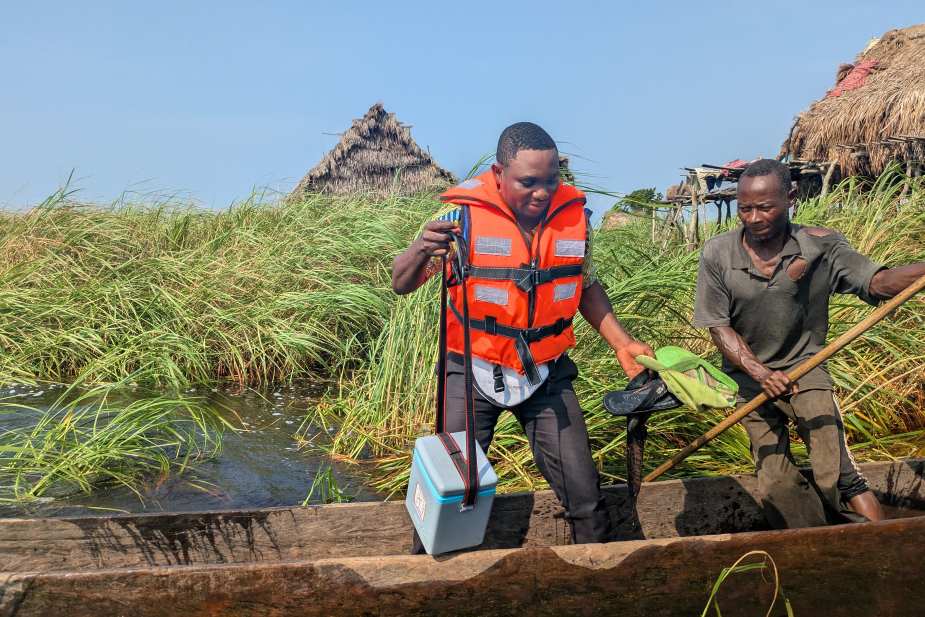
Beyond supplying doses, Gavi’s support also contributed to financing vaccination activities, maintaining the cold chain and strengthening logistics – all critical elements in a remote setting.
These combined efforts – vaccination, surveillance, case management and contact tracing – helped interrupt the chain of transmission. The last confirmed case was recorded before the discharge of the final patient, who tested positive on 16 October 2025. From that date, a 42-day countdown with no new cases – corresponding to two 21-day incubation periods – was initiated. The outbreak was officially declared over at the end of this waiting period.
Marie Tonda (name changed), a nurse and the first patient declared cured in Bulape, recalls her experience: “I had headaches, abdominal pain and bloody diarrhoea. I was isolated and treated for 21 days. Today, I am alive.”
Community mobilisation and prevention
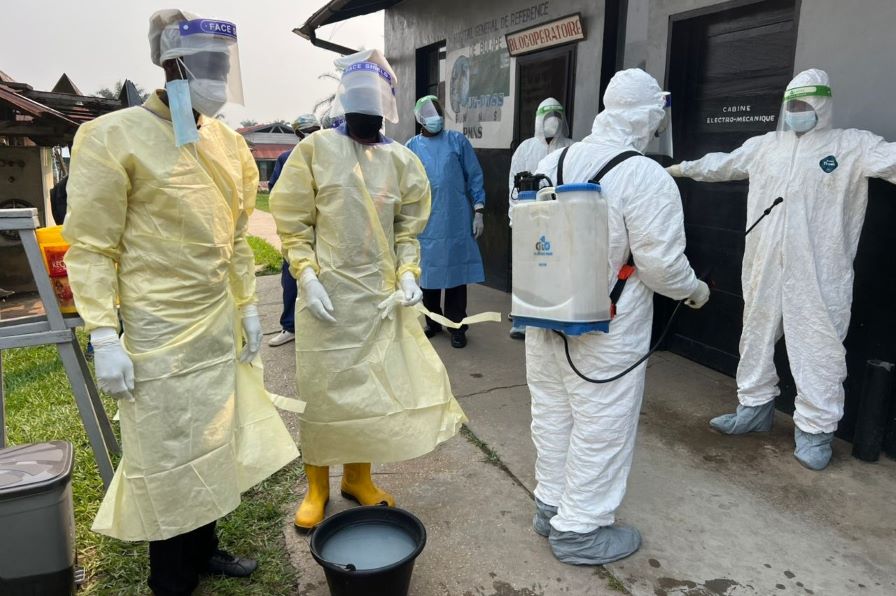
The response extended beyond clinical care. At Bulape’s entry points, teams were deployed to check travellers’ body temperature, promote hand-washing and disinfect vehicles.
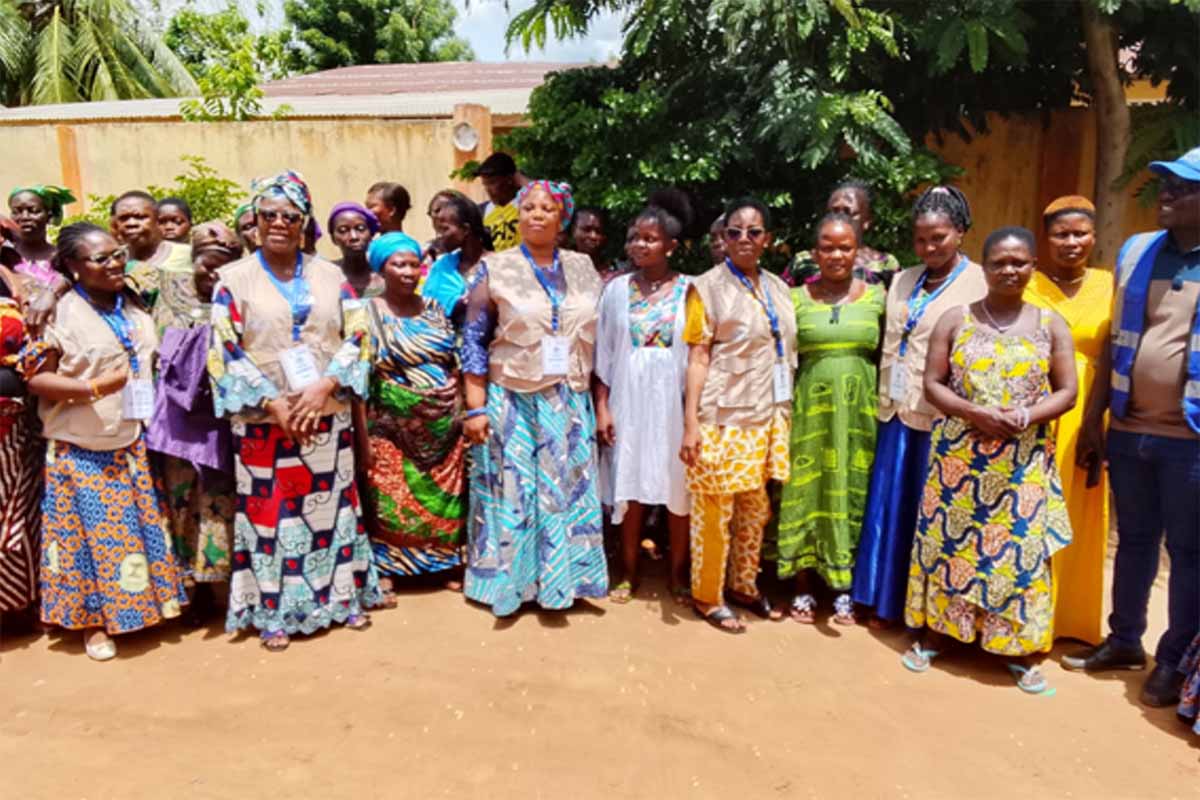
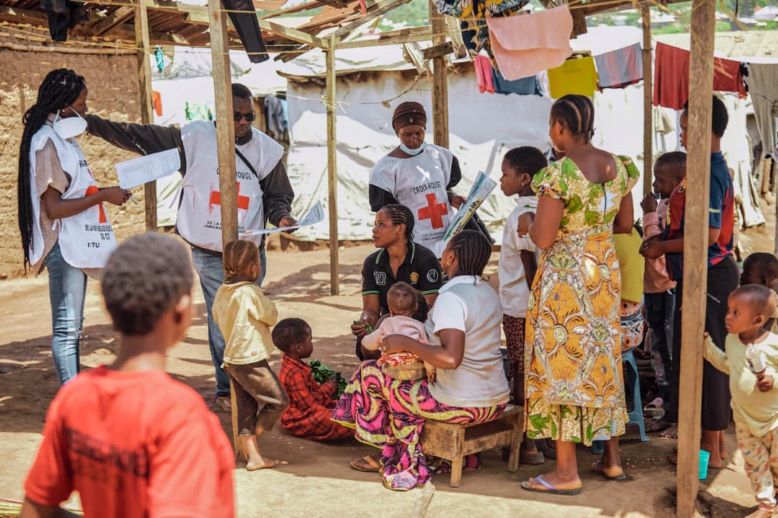
Red Cross volunteers mobilised for community awareness, surveillance, psychosocial support and the organisation of safe and dignified burials. During the outbreak, 118 safe burials were carried out to reduce transmission risks.
After the outbreak, vigilance maintained
In Bulape, an enhanced surveillance phase has been initiated. Health teams continue monitoring survivors and maintaining early detection systems for potential new cases.
In this rural region deeply affected by Ebola, life is gradually returning to normal. Health facilities are regaining attendance, while communities remain marked by the experience of recent months.
This outbreak – the sixteenth recorded in the DRC since 1976 – leaves Bulape with the imprint of a brutal ordeal, but also that of a rapid response in which vaccination, coordination and community mobilisation played a central role in halting transmission.
More from Patrick Kahondwa
Recommended for you