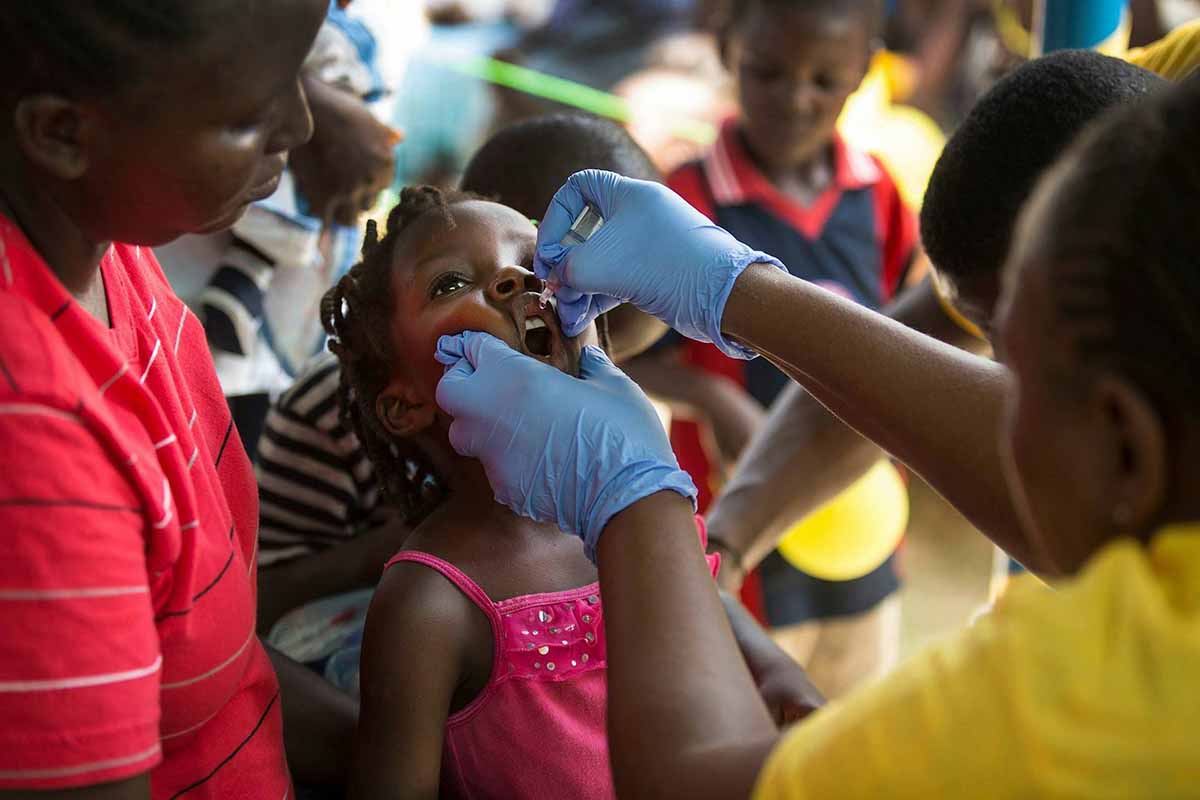

This Nigerian health policy is making immunisation more palatable – literally
Health workers in the country’s southwest are tackling malnutrition and under-immunisation by running culinary demos on immunisation days.
- 2 February 2026
- 6 min read
- by Adetokunbo Abiola
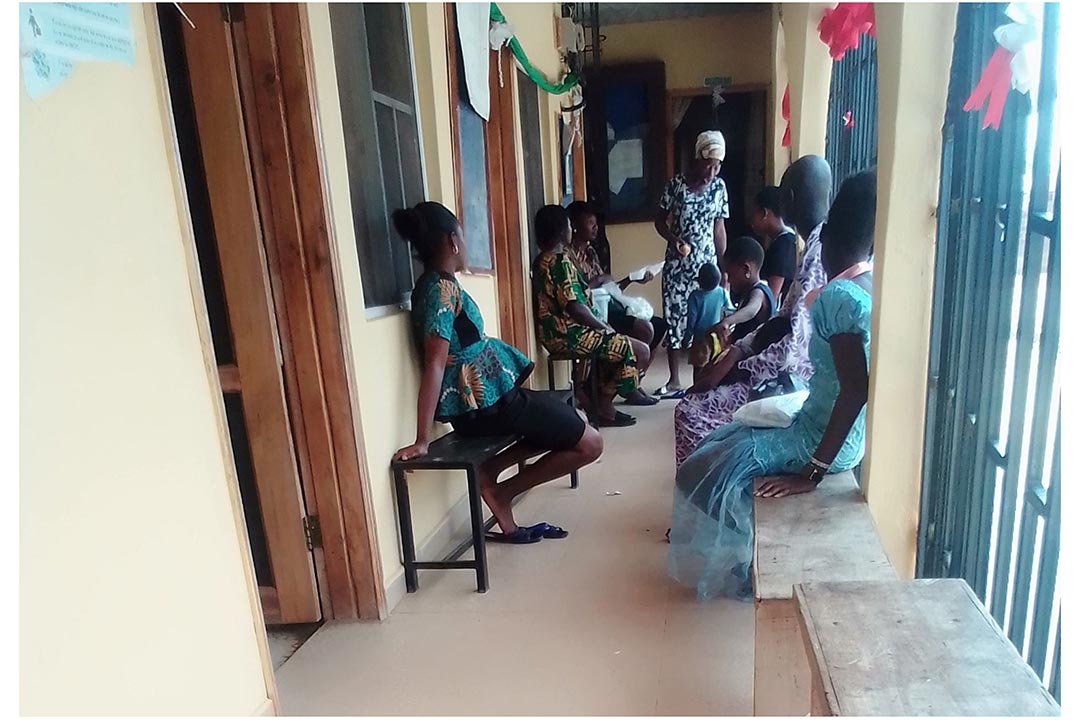
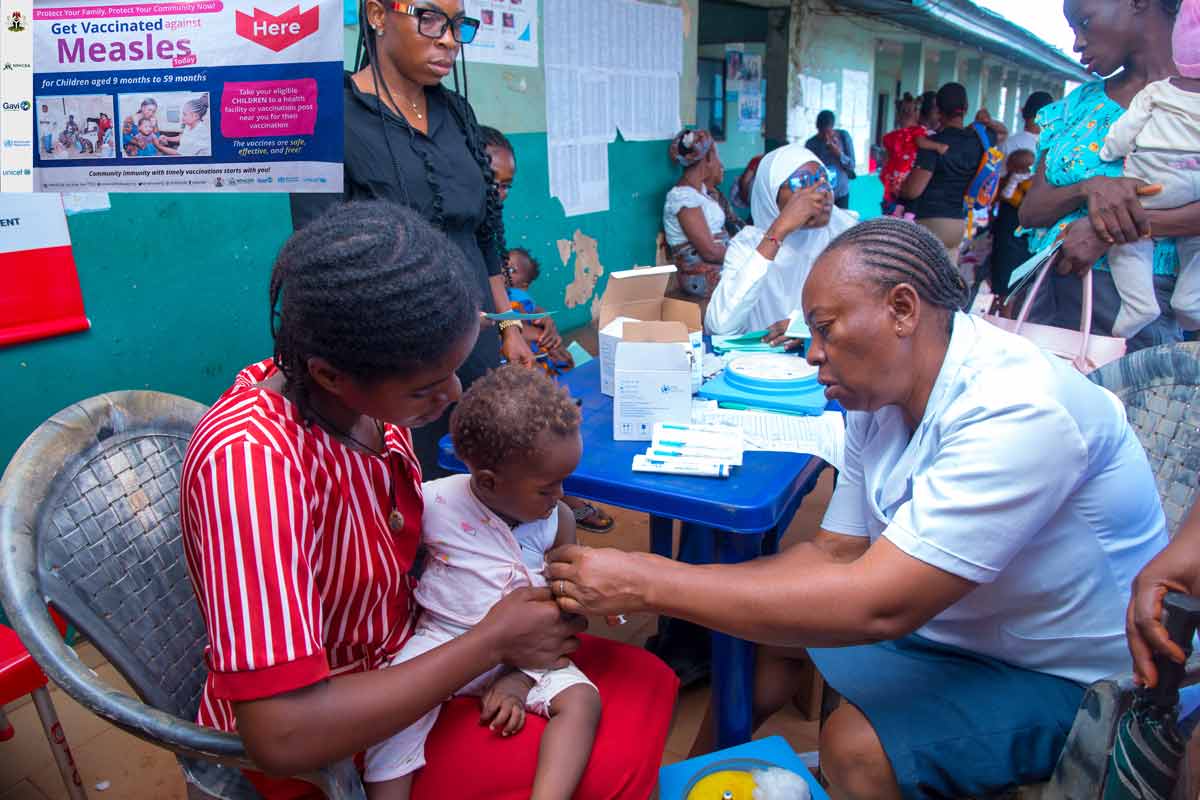
On a Thursday morning in August, the nondescript Iyange Primary Health Centre (PHC), about five kilometres from the heart of Akure, Ondo State in southwest Nigeria, was sizzling with ravishing smells.
Swirling among the women waiting on benches, and between the bustling health workers, rose the aroma of cooking bean cakes, soy beans, pepper and tomatoes. It signalled – surprisingly – another immunisation day.
For a long time, acute malnutrition and under-immunisation had caused concern among health workers in the seven states of southwestern Nigeria, leaving governments in a difficult situation. Different strategies had been used to tackle the problem, such as integrated health campaigns, training frontline health officers and mobile vaccination.
These had seen successes, but health officials wanted to deploy one more strategy: using cooking demonstrations to tackle malnutrition while also increasing rates of routine immunisation.
Health workers at Iyange PHC, and at others in particularly affected parts of southwestern Nigeria, bought into the new idea. Organisations like UNICEF, the World Bank, Red Cross, Gavi and the World Health Organization (WHO) were on hand to offer support.
For Agnes Adebayo, a mother of three children, the tactic was a hit. “The cooking demonstration was great. It not only encouraged me to bring my daughter for immunisation, it gave me knowledge. I now know the kind of food my children should eat during the weaning period,” she told VaccinesWork.
Malnutrition and under-immunisation: twinned threats
Nigeria ranks second in the world for paediatric stunting from malnutrition, with a national prevalence rate of 32% in children under five years of age. An estimated two million children nationwide suffer from severe acute malnutrition, with just an estimated 20% of those receiving treatment.
At the same time, the most recent WHO/UNICEF immunisation coverage data found that just 71% of Nigerian children had received even a first dose of the basic diphtheria, pertussis and tetanus vaccine, with only 67% receiving all three recommended by the national immunisation schedule. Coverage rates for vaccines administered later in the child’s life were much lower still, with just 35% of children receiving the protective two doses of measles vaccine.
Those two conditions are more than coincident. Research shows that unimmunised children typically suffer from overlapping deprivations, including nutritional deficiencies. Further, malnutrition is a massive blow to the immune system, meaning malnourished children are much more vulnerable to infections than their better-fed counterparts. By running cooking lessons during immunisation days, health workers hope they can entwine the solutions to these problems, too.
Women like Abigail Dosa, a mother of two and a fashion designer in Benin City, Edo State, one of the states involved in the scheme, are happy.“Cooking demonstrations are good. When I attend them, I go home to practise cooking, because I learn a lot during the exercises. They make my children healthy and strong,” she told VaccinesWork.
“Now, things have changed”
Many mothers with babies in the age bracket targeted by the intervention – that is, children aged between six months and five years – were short on both money and nutritional knowledge, explained Dr Kikelomo Adejumo, Deputy Director for Nutrition at the Ondo State Primary Health Care Development Agency. For that reason, the cooking demos have focussed on low-cost recipes to meet the financial capacities of community members, she said.
“Cooking demonstrations during immunisation days have been a successful exercise. Women see them, and go to practise cooking the food at home, because it gives their children an adequate diet. We teach them how to prepare so many foods, like yam porridge, rice, bean cakes, vegetables and crayfish meal. Sometimes, we teach them how to cook a special type of food produced by the nutrition department of our agency,” she explains.
The culinary lessons have also proved a draw for mothers, boosting turnout on immunisation days – in some enrolled clinics, immunisation attendance has doubled or tripled since the initiative kicked off, Dr Adejumo says. “It’s like killing two birds with one stone, increasing immunisation rates and limiting malnutrition. With more funding, the results could be spectacular.”
Have you read?
Jumoke Obadan (not her real name), a health worker at the Iyange Health Centre, participated in demos on the preparation of protein-rich oil bean cakes, popularly known as moi moi. “When nursing mothers knew they could get information about the proper diet for their children during immunisation days, they brought their children for the exercise without hesitation,” she said.
“We also counselled mothers about the need to breastfeed their children from the day of their birth to when they were six months old. We tell mothers how this helps the development of children. This has also helped in relation to immunisation days. Before the food demonstration exercise, we struggled to increase immunisation numbers. Some women were lackadaisical about it. Now, things have changed,” Obadan told VaccinesWork.
“We are no longer ignorant”
Folu Oshikoya, who partook in a cooking demonstration exercise at Oda PHC, ten kilometres from Iyange PHC, saw the event as an eye-opener.
“Women who bring their children for immunisation are lucky. The food demonstration is really good. It gives information about the proper food children should eat. We are no longer ignorant,” she told VaccinesWork.
Tasting new recipes
Similar stories were reported from other states in the southwest where cooking demonstrations had been staged on immunisation days.
“The project has been successful in Ogun State,” said Dr Tomi Coker, the Ogun State Commissioner for Health. “It is in line with the governor’s fight to reduce maternal and child mortality rate, which had been on the rise. We are committed to creating new nutrition and tasty recipes with mothers and caregivers during immunisation days.”
A health worker in the state, Bimbola Adeniyi, described the culinary activities that now characterise immunisation days. “We teach mothers about exclusive breastfeeding and how to improve maternal and child diet. New recipes using traditionally available ingredients are shared and cooked. The women take turns to help and raise the food. Women like this, which accounts for an increase to 120 of them bringing their children to our PHC during immunisation days, up from 70,” Adeniyi said.
High chief’s seal of approval
Traditional institutions in most of the southwest states involved see merit in the idea, and lent support to it. High Chief Olusanya Fatoki, the Asuda of Isikan Kingdom, in which the Iyange PHC is located, said the experiment of cooking demonstrations during immunisation days was commendable.
“Children can now have proper food to eat. Those who have not been immunised will now get immunised. The child mortality rate will come down.
“I was at the palace when the health authorities brought up this idea of a cooking demonstration during immunisation days. We talked to our women about it during an immunisation programme that took place at the palace. We were happy when we learnt that they’re now going to the health centre for the cooking demonstrations. I believe it will contribute a lot in bringing down malnutrition. The government has really tried. I give kudos to the governor for the initiative,” Fatoki told VaccinesWork.