
"Singing is praying" – how a choir in Turkana, Kenya, spread the word about immunisation
Music carries, say the Turkana public health officials fighting to close post-COVID-19 immunity gaps.
- 5 January 2026
- 5 min read
- by Pius Sawa
At a glance
- In the build-up to a measles-rubella vaccination campaign in northern Kenya’s Turkana county, a choir called “Women for Peace” put the information parents needed to know into song.
- The stakes were high: 11.4% of the children in the county are estimated to be unvaccinated.
- Local health leaders and workers say the musical gambit worked. “When you use songs, the message is retained,” said Ruth Areman, Turkana County Health Promotion Officer. “Songs are more powerful compared to people sitting in a workshop.
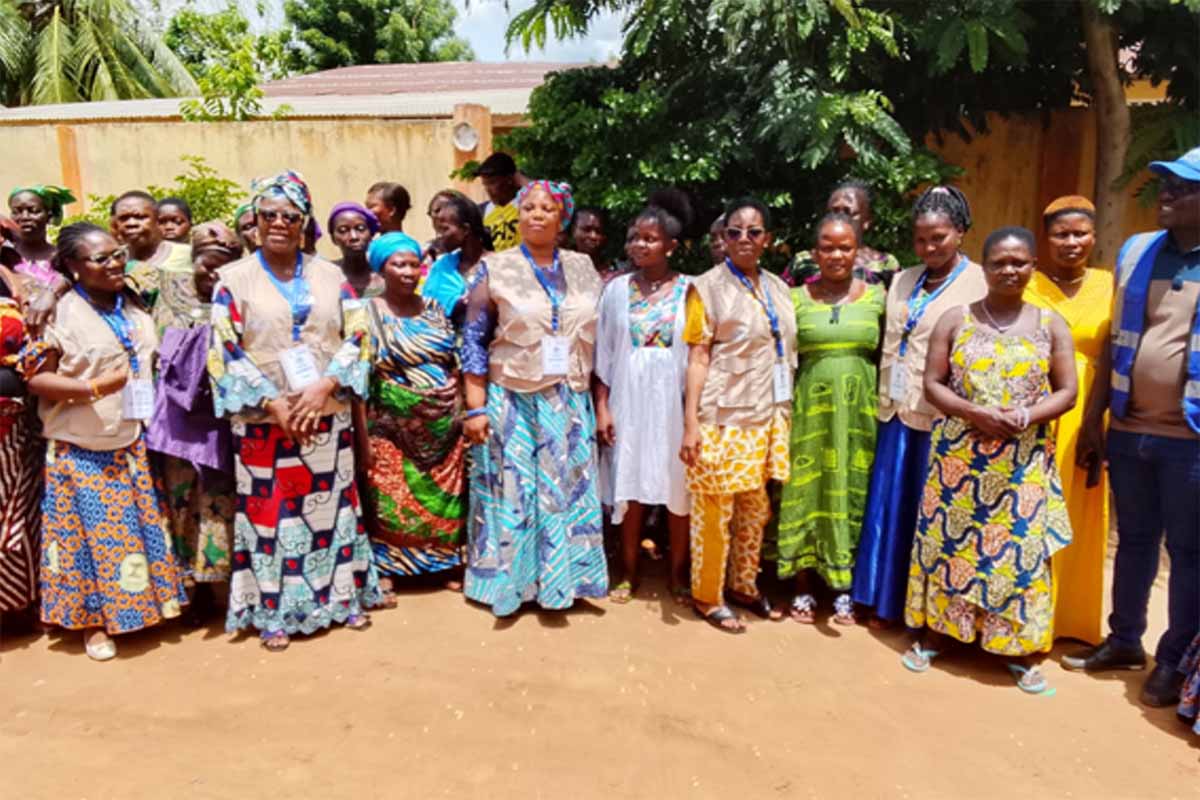
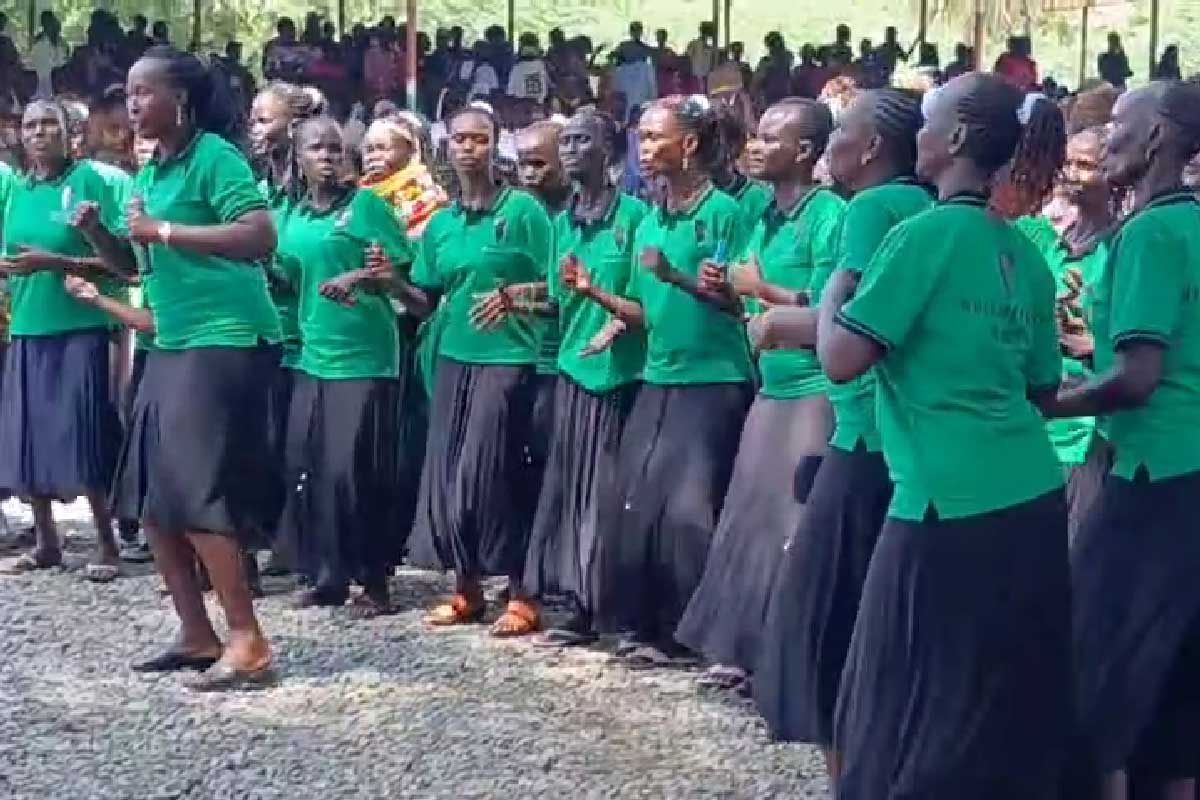
The crowd fell silent as the Women for Peace choir of Lodwar town in Kenya’s Turkana county formed a semi-circle. Their voices lifted and their lyrics – a public service announcement set to music - rang out:
“Today we are launching a vaccine for measles and rubella, so that any child between nine and 59 months can be protected,” they sang. “We are also launching the typhoid conjugate vaccine, to save lives of every child between nine months and 14 years. You, father, you, mother, and everybody, take up the role of ensuring every child is vaccinated.”
“When we started singing, everybody stood up,” Locheria Albert, the choir’s conductor, lone baritone and the song’s composer, recalled. “The county commissioner, the DCC, the what-what, the minister – everybody! It touched everybody.”
“I composed this song in one day after one of the health officials in the Ministry requested, and gave me the information,” Locheria told VaccinesWork.
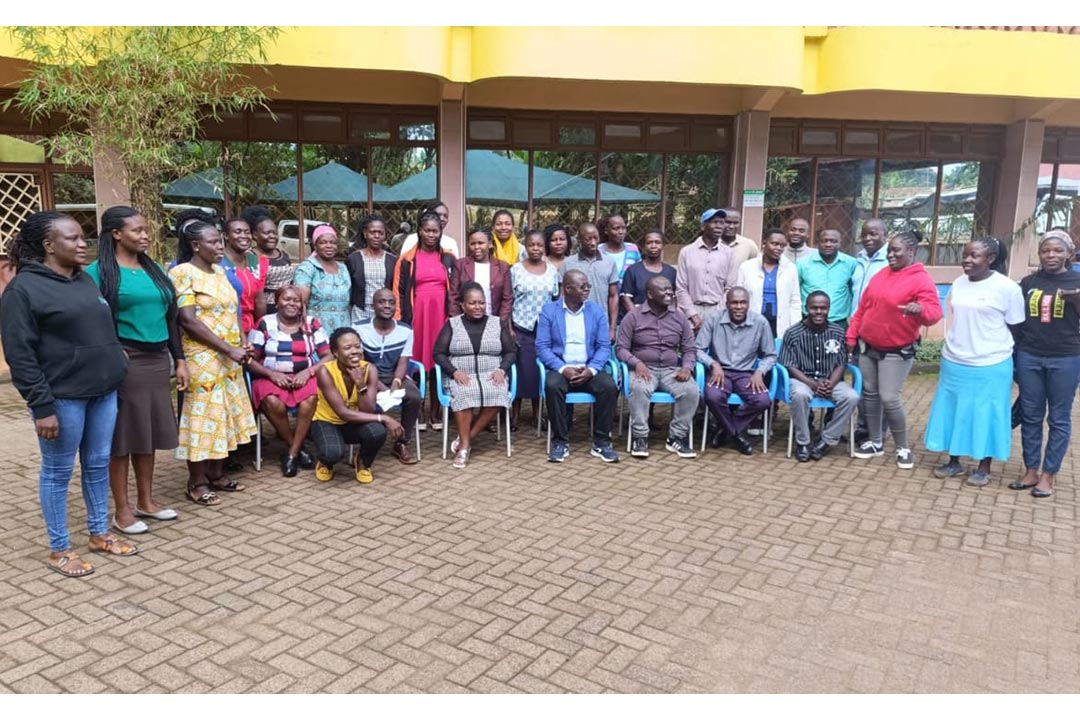
The choir - 45 “elderly women” in Locheria’s words – have been singing together under the retired teacher’s guidance since 2018. They needed only a single day to acquaint themselves with the new music before heading to the recording studio. By the time the ten-day vaccine campaign kicked off two days later, on 4 July 2025, they were performance-ready.
Singing for safety
“When you use songs, the message is retained,” said Ruth Areman, Turkana County Health Promotion Officer. “Songs are more powerful compared to people sitting in a workshop.”
The County had been doing well on child immunisation, she said, but the COVID-19 pandemic had affected that momentum, resulting in many children missing out on essential vaccines. Current data provided by the county suggest Turkana is currently hovering at 60% “full immunisation” – well short of the national 80% benchmark. “We are now struggling to catch up, especially in HPV and the second dose of measles-rubella,” Areman conceded.
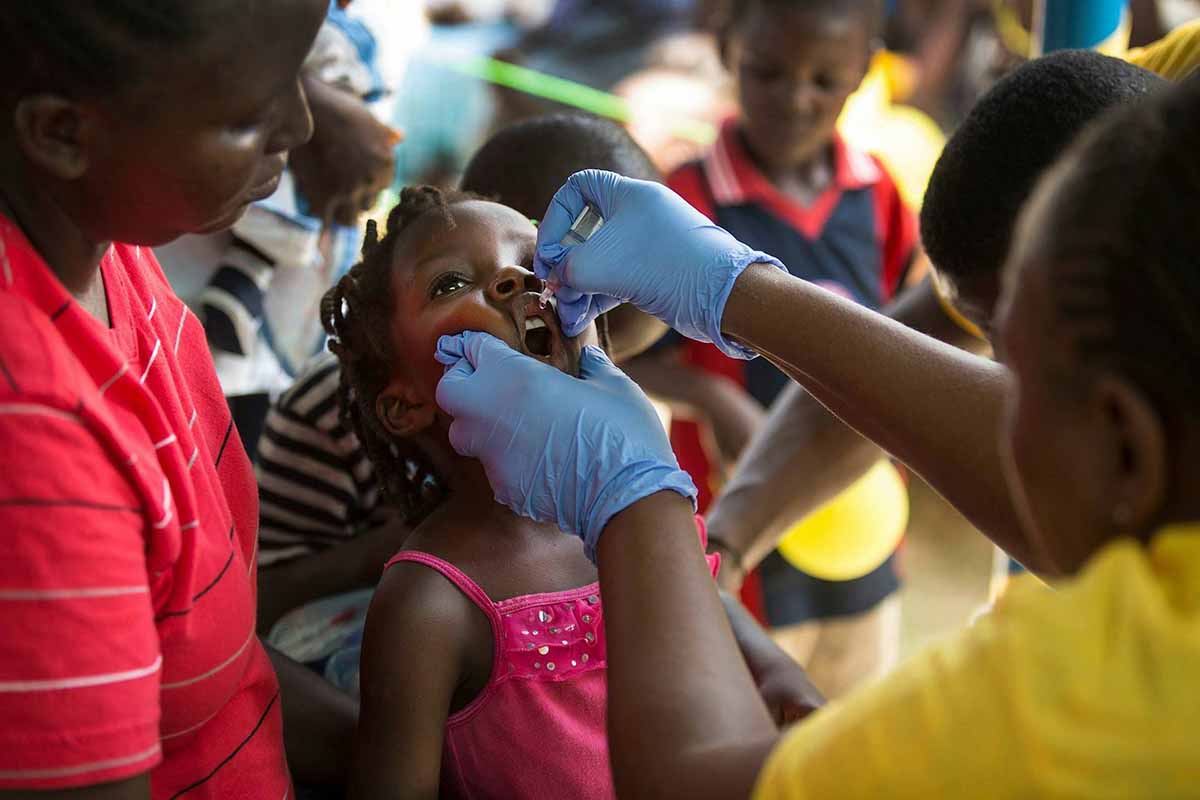
Speaking at the campaign launch last July, County Deputy Governor Dr John Erus linked a recent measles outbreak that affected three Turkana sub-counties to the growth of immunity gaps in the population. Some 177,108 doses of measles-rubella vaccine were readied to help catch up the younger cohort of kids across the county, while nearly 545,000 doses of typhoid conjugate vaccine (TCV) were laid by for children aged between 9 months and 14 years.
Campaigns like this one can act as a vital patch to close dangerous immunity gaps. But long-term change requires sustained commitment from the community. Music, reiterated Areman, has proven one of the best ways to reach families. She said the county used to regularly commission music for campaigns, through AMREF, but a funding shortfall put a brake on that practice several years ago.
“The song directed the message to me”
Music cannot be ignored when it comes to changing mindsets and expanding the reach of immunisation campaigns, said County Deputy Public Health Director Emal Ekaran.
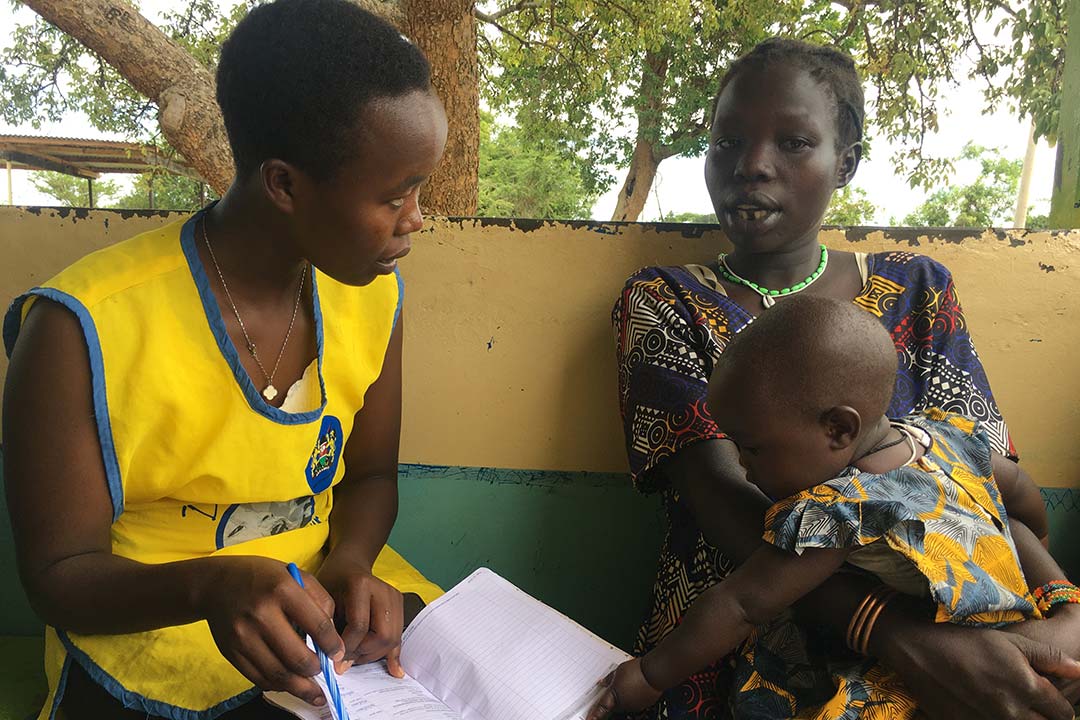
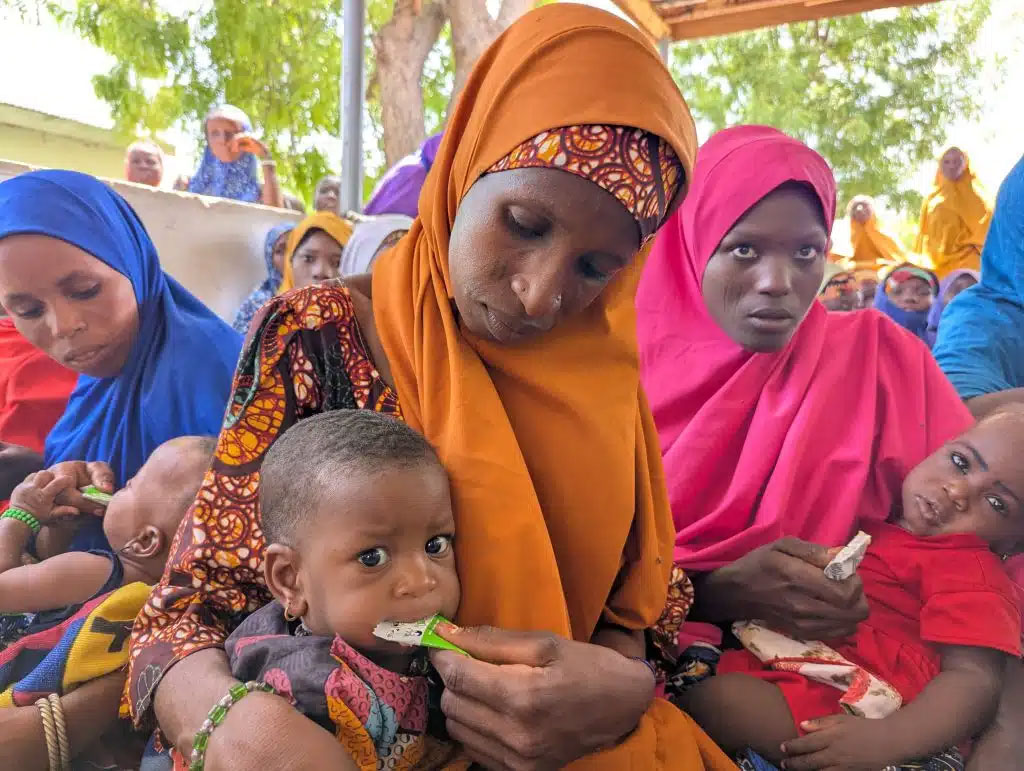
There’s a need for it: about 11.4% of the children in his catchment area are “zero-dose”, or totally unimmunised. That’s principally down to three challenges: long distances between homes and health facilities, with some villages lying 40 kilometres from the nearest clinic; misinformation and disinformation about vaccines; and “poor health-seeking behaviour” among pastoralist communities.
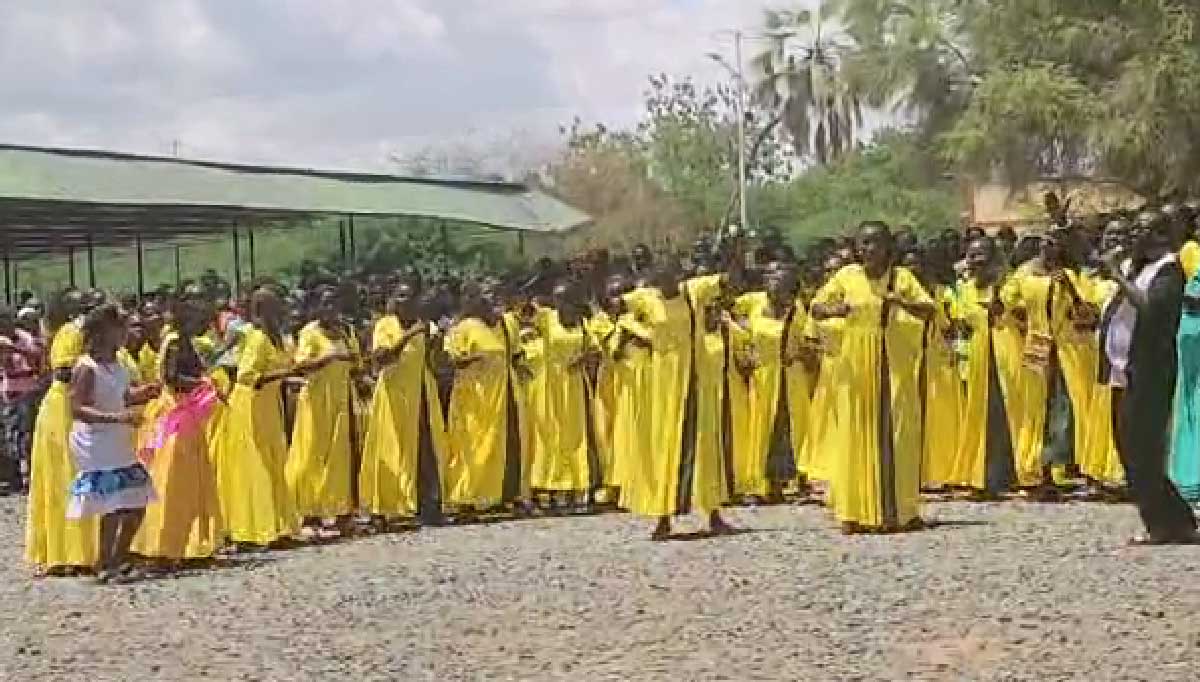
“Music is an easier method of communication. [The] Turkana community love music, and traditionally music has been their way of communication. Audio is good and we say singing is praying twice,” he said.
It worked on Cynthia Maraka, a mother of two children who were eligible for the measles-rubella vaccine, living in Lodwar town. “I was not keen on the vaccination campaign period, because I work whole day and get home at night when tired. When I heard the song, it directed the message to me, as it said, you, mother, take your child for immunisation. It is your duty to see your child protected.” Maraka called several of her friends and reminded them, too, to take their children for their vaccines.
Have you read?
Weddings, funerals and vaccination campaigns
“There must be music in funerals, weddings, and any other public event,” said Locheria. “So [now] we are communicating our message through these elderly women.”
One of those singers, Margaret Lonok, has gained a certain pleasant notoriety after performing the song. She said whenever she moves around town, youths call out to her.
“I feel honoured to motivate these young mothers who should see the benefits of taking their children for immunisation.”
Following the successful performance, Locheria has received calls from different potential partners across Kenya wanting to discuss more songs on different topics on health. He says people are realising that songs in Swahili can reach many people through social media. He indicates more new music may be in the works.
But future applicants for a spot in the choir may be disappointed. With 45 ladies and 45 voices, Locheria says the Women for Peace choir are complete.