
Tackling the threat of cholera amidst Nepal’s flood disaster
- 19 October 2026
- 10 min read
- by Chhatra Karki
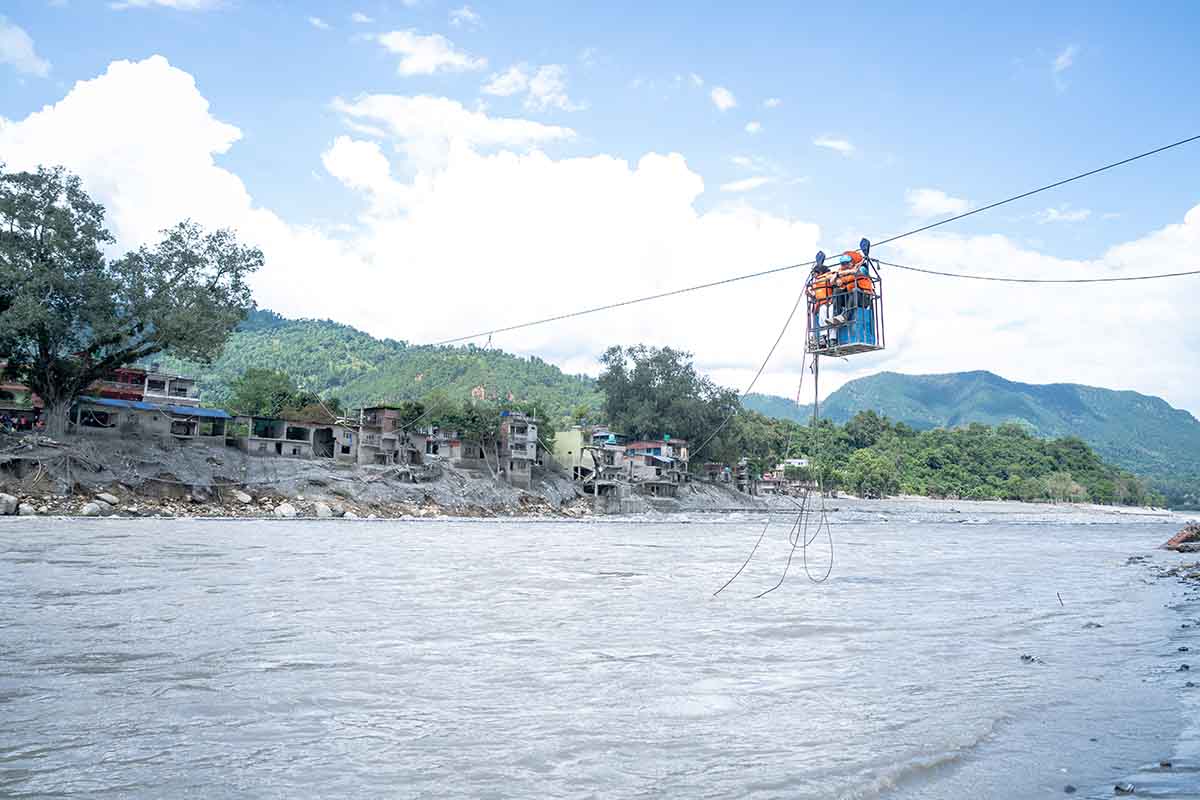
As the water levels of Nepal’s Trishuli River began to recede following the devastating flash floods that hit Rasuwa in late August, local health workers were already preparing for the next threat: diseases spreading silently through contaminated drinking water.
Managing the aftermath of the disaster was a challenge of daunting scale: the so-called “Himalayan tsunami” had caused severe losses of life and infrastructure. Yet preventing a potential cholera epidemic was one job that couldn’t wait.
Asmita Khanal, a Senior Auxiliary Nurse Midwife (Senior ANM) positioned at the Health Post in Bidur Municipality Ward No. 2, Nuwakot, was certain that the Government of Nepal would launch a vaccination campaign to control the cholera threat.
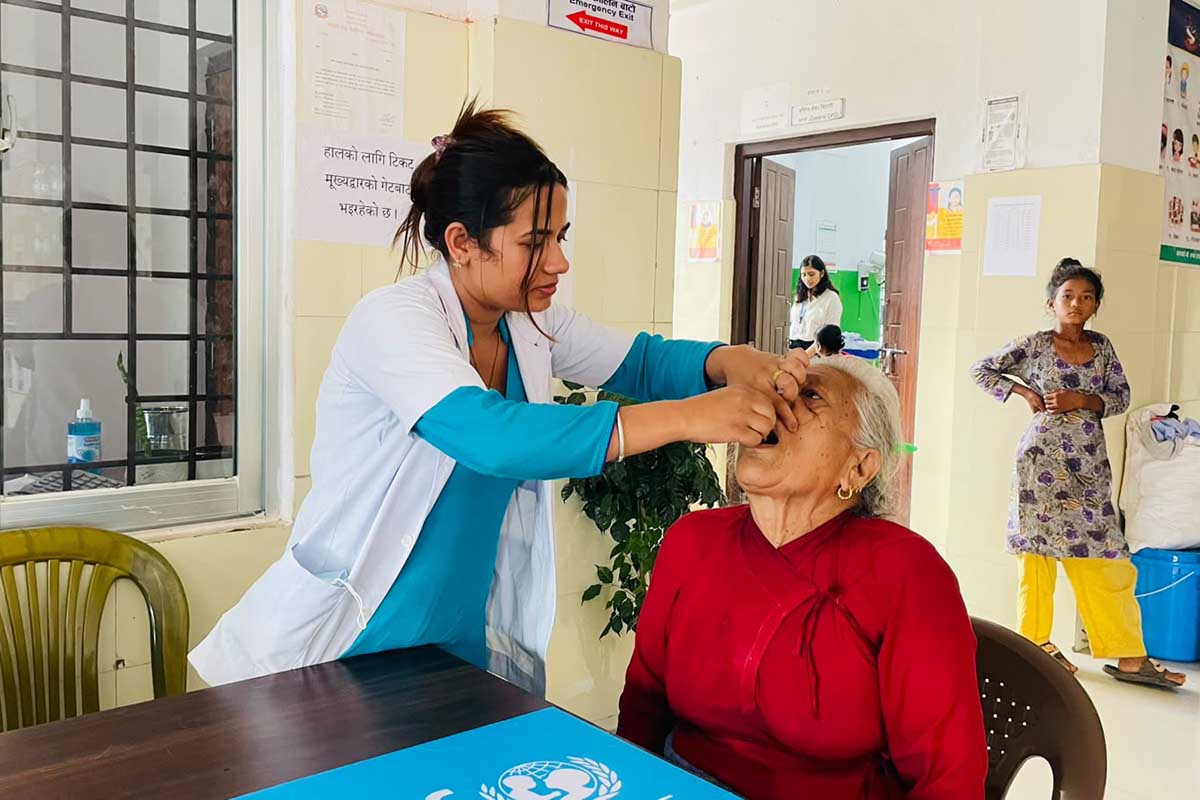
She was right: Nepal’s government set up a vaccination drive from 10–17 September 2026, targeting eight local level municipalities within the flood-affected districts of Rasuwa and Nuwakot.
Heading off aftershocks
The cholera vaccines had a specific job: to buy the community time to make the more substantive repairs they needed to live here safely once more.
The violent wash of glacial water and debris that killed thousands, took down houses and left as many as 84,000 people in need of aid had moved quickly – experts estimated that it travelled down-valley at between 100 and 200 kilometres an hour. The second-round dangers it left behind would be more persistent.
Crucially, the flood-zone now lacked clean water. Water sources had become contaminated with debris, animal carcasses and human bodies pulled in by the flood.
“While some managed to secure mineral water or bottled water for drinking, the necessity of using polluted water for washing clothes, bathing and other purposes raised the risk of a cholera outbreak.
"Foul odours permeated the area, and sanitation was poor due to the reliance on temporary toilets. People were distressed – not only were many grieving the loss of loved ones, but survivors also lived in fear that cholera might claim their lives next,” said Senior ANM Khanal.
She noted that high levels of community awareness of a potential epidemic after the flood made her job somewhat easier – people wanted the vaccines.
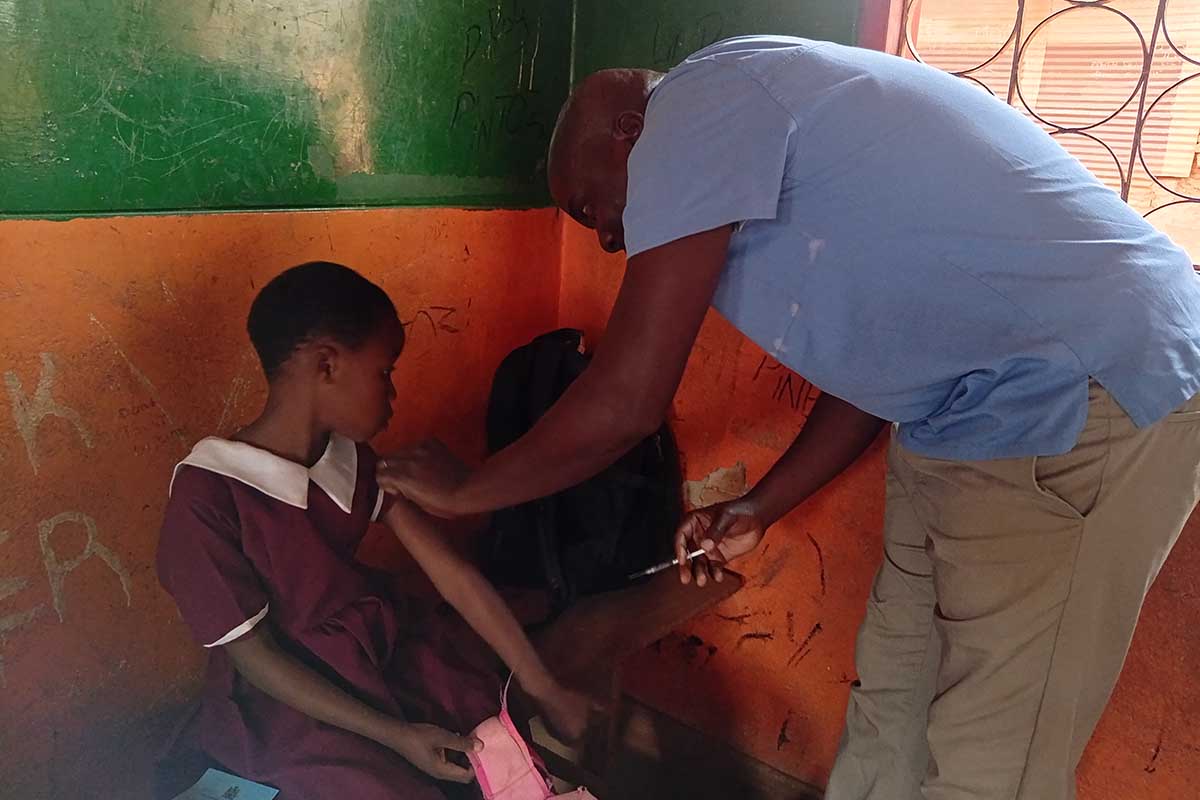
Khanal saw that from her spot on the frontline. At a vaccination outpost set up within the temporary holding shelter at the Ayurveda and Jyoti Secondary School in Bidur Municipality, Nuwakot, she administered the oral cholera vaccine (OCV) doses to flood-affected residents – specifically, to those individuals aged one year and older. She and her colleagues also administered Td (tetanus-diphtheria vaccine) to health workers, rescue workers and victims.
Vaccination to prevent cholera: why take the risk?
According to Child and Immunization section of the Family Welfare Division under the Department of Health Services, Ministry of Health and Population, a total of 70,176 people were vaccinated by September 30, 2026.
This figure included 16,756 individuals in flood-affected Rasuwa district and 52,078 in Nuwakot district who received the Oral Cholera Vaccine (OCV), as well as 1,302 rescue workers, security personnel, and volunteers who received the tetanus-diphtheria (Td) vaccine.
Nirmala Gajurel, a resident of Bidur Municipality Ward No. 2, Nuwakot, received a dose of OCV at a vaccination centre located at the Ayurveda Hospital in Tallo Pipaltar on September 12.
Gajurel was working as a volunteer for the Nepal Red Cross Society, Bidur Sub-branch in the flood-affected areas of Bidur Municipality, and explained that she took the vaccine to protect herself.
“It appears that the Public Health Office and various other organisations have effectively informed the general public about the cholera vaccine in the flood-affected areas, and there has been excellent participation in the vaccination campaign. I am happy to be protected from the risk of cholera through vaccination,” Gajurel told VaccinesWork.
Health workers said that public health risks are elevated by the fact that individuals displaced after losing their homes to the floods can face difficulty in accessing healthcare services. Amrit Maharjan, Immunization Focal Point at the District Public Health Office, Nuwakot, knows that first-hand: he lost his house and life savings to the flood. Fortunately, his family was saved.
Conscious that disasters of this sort have a tendency to swell, Maharjan was back at work immediately. “During such disasters, the challenge is not merely how to provide medical treatment to the sick. We must also be equally vigilant about detecting existing infectious diseases and assessing the risk of future epidemics caused by waste or contaminated water, as well as determining the strategies needed to prevent them.
"Fortunately, no cholera cases were identified in the flood-affected areas,” he said.
Need for adequate preparation
Maharjan and colleagues were aided in that determination by the available of Rapid Diagnostic Tests (RDTs) for cholera.
According to Child and Immunization section of the Family Welfare Division under the Department of Health Services, 50,000 of them had been distributed nationwide prior to the 2025 cholera outbreaks in Birgunj and Saptari through a Gavi-supported initiative.
Other preparations proved invaluable amid crisis: health workers had been trained up, surveillance and response systems had been strengthened, and protocols for case management, immunisation and community engagement were in place.
Nepal did not have to face this new emergency situation unprepared or empty-handed. “In 2025, we only faced what was termed an ‘outbreak’. But in 2026, it became such a massive crisis – devastating floods, what can be called a ‘Himalayan tsunami’...
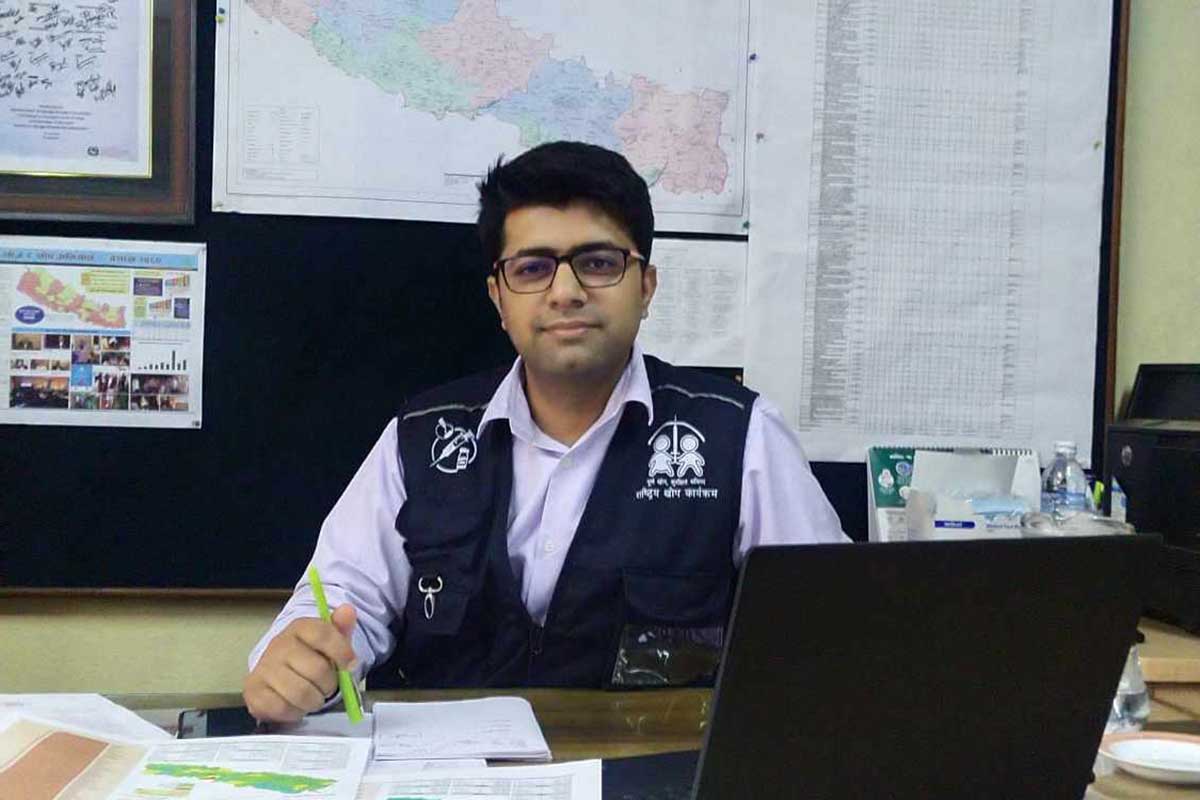
"Horrific disasters turn out to be so different from what we expect. Taking ideas and lessons learned from one disaster helps us prepare for the next,” said Dr Abhiyan Gautam, Chief of the Child Health and Immunization Section of the Family Welfare Division under the Department of Health Services.
According to Dr. Gautam, the biggest lesson learned is pre-positioning – having supplies for vaccination and other logistics, like cold chain equipment and generators located in reach. “In several places lacking generators, power outages raised major concerns about how to safely collect and store vaccines.
"In response, we provided advice and took swift action, including rapidly delivering refrigerators to those sites. All of this was accomplished through a joint effort,” Gautam said.
The National Immunization Advisory Committee had recommended this approach, and immediately initiated the process.
“For this drive, we had 100,000 vaccine doses remaining from a previous campaign conducted in Bara and Parsa, which were originally provided by the ICG (International Coordinating Group on Vaccine Provision for Cholera Control). After quickly securing approval from the ICG, we arranged for their immediate deployment.
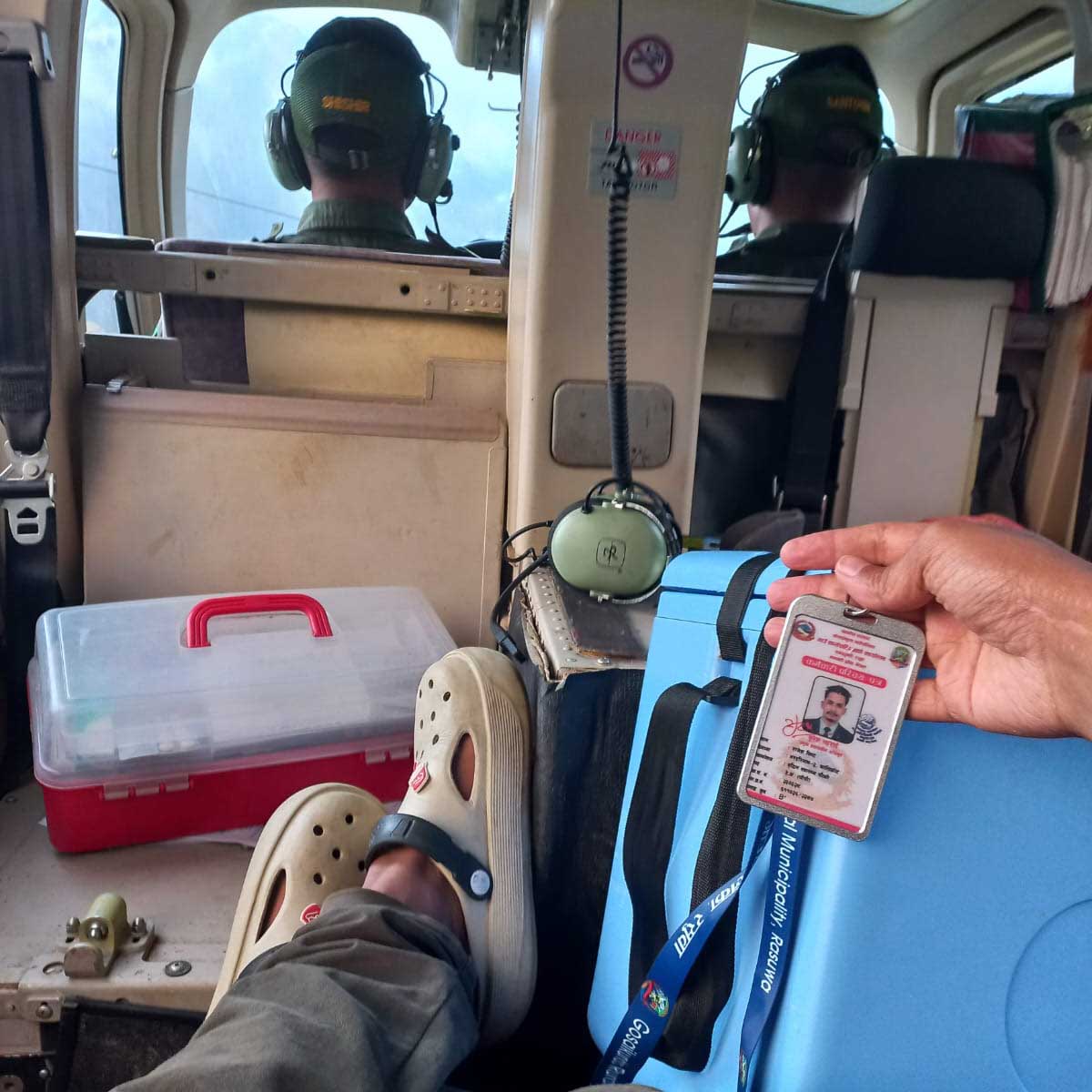
"Regarding the logistics and supply chain: the vaccines were located in Madhesh Province. We transported them overnight to Kathmandu by road. From Kathmandu, one batch was sent to Rasuwa via helicopter. For Nuwakot, the batch was driven by road to the nearest accessible point and then delivered to the relevant local authorities using drones,” Gautam said.
'A call to action'
Health officials say Nepal's challenge extends beyond responding to a single disaster.
As communities recover from the August flood, the country has already experienced further landslides and another major flood event, underscoring how difficult recovery can be in a landscape increasingly exposed to cascading hazards.
According to the World Meteorological Organization (WMO), Nepal's recent disasters are a "call to action" on the growing risks facing mountain regions, where glacier retreat, thawing permafrost, unstable slopes and more extreme weather can combine to trigger floods and landslides.
The WMO noted that the October 2026 flood came just weeks after the catastrophic Rasuwa glacial collapse and rock-ice avalanche along the China–Nepal border, highlighting how mountain communities remain vulnerable to sudden, interconnected hazards that can overwhelm infrastructure and recovery efforts.
For Nepal's health system, that means preparedness can no longer focus on isolated outbreaks or disasters. As climate-related shocks become more frequent and unpredictable, maintaining vaccine stockpiles, surveillance systems, cold chain capacity and rapid response mechanisms will be increasingly critical to protecting vulnerable communities from the secondary health impacts that can follow floods and displacement.
National preparedness, local response
According to Bimal Ghimire, Chief of the Health Section at Gosaikunda Rural Municipality in Rasuwa, the floods caused “total damage” to the rural municipality’s health office and ward offices. Health posts in Timure and Syaphrubesi were completely destroyed.
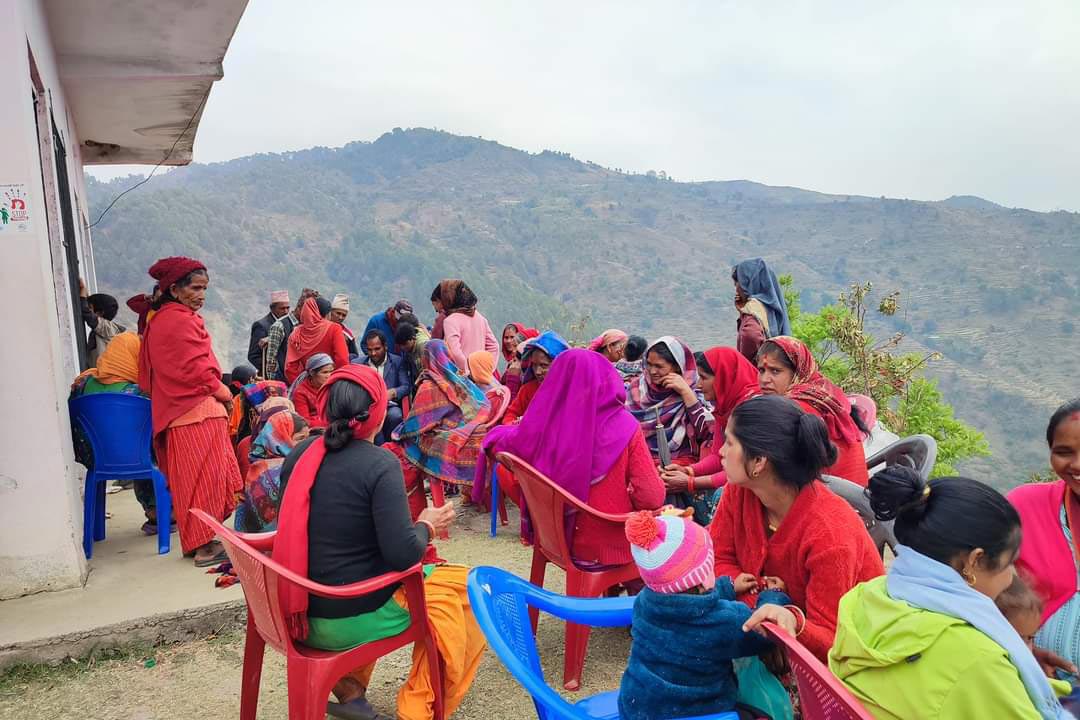
After the floods swept away most houses in Timure – located near the northern border with China – most displaced residents were put up in Kathmandu. But six individuals sheltering in a shed in Khaidi village, above Timure, were administered the OCV vaccine through a helicopter-delivered supply.
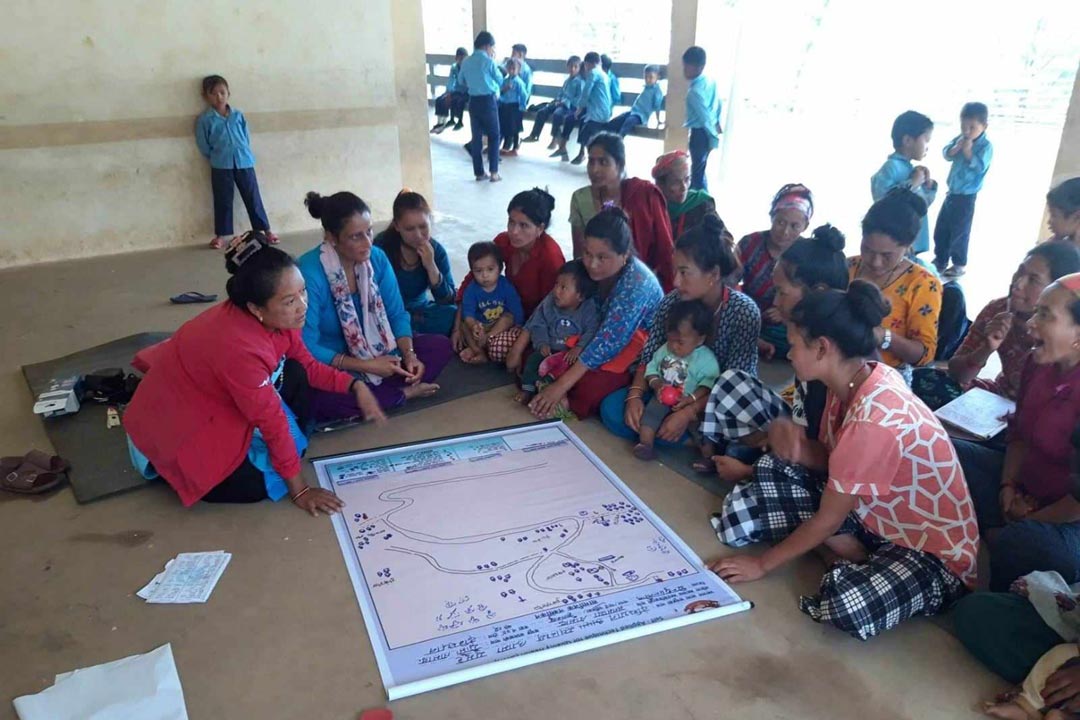
“Gosaikunda Rural Municipality had strengthened its surveillance and response systems. To prevent cholera, initiatives involving WASH (water, sanitation, and hygiene), case management and community engagement were implemented.
"Subsequently, displaced persons staying at a holding center in Koming were also administered the OCV (oral cholera vaccine). Even when road transport was disrupted, the rural municipality coordinated logistics to transport the vaccine to remote villages through Nepal Army helicopters,” Ghimire said.
Have you read?
Challenges in the ground
Upendra Bahadur Blon, a Senior Assistant Health Worker (Senior AHW) at Gosaikunda Rural Municipality, noted the importance of bringing help directly to the community during disasters.
Teams visited the area to inform residents about the OCV programme and administer the vaccine. He explained that delivering vaccines – carried in small passive vaccine coolers – amid floods and blocked roads presented a significant challenge.
“There were no roads to send bulk amounts of vaccines – normally, we were only sending small quantities. Sending large amounts of vaccines requires significant cold chain volume for OCV. Items sent by helicopter would not return, including the carrier containers used to maintain cold temperatures during transport.
"Cold boxes were required, and we experienced a shortage of them for a period of time. With difficulty, we searched and managed to pool resources – pulling from one district or another province – to respond overnight and get them delivered. Another part is vaccination: we are conducting routine vaccination operations to ensure no vaccines are missed,” Blon recounted.
According to Gautam, in areas without electricity to power usual computer systems, the municipality conducts surveillance via phone calls. In places with electricity or where systems are functional, there is SURVMASS – which EDCD oversees – and data comes directly through that system.
According to the national strategy, the OCV campaign relies on an integrated structure involving surveillance, RDTs, vaccination, WASH and Community, logistics management and supply chain operations. But the engine powering all of it is human.
“We were amazed by healthcare workers who thought, ‘My home has been swept away, but I still must dedicate myself to work.’ Perhaps because volunteers stepped up, we were able to launch oral vaccination [quickly]. Seeing colleagues work so tirelessly in the field motivated the rest of us to do our part as well,” Gautam says.