
Is vaccine hesitancy preventing uptake of the malaria vaccine in Western Kenya?
In 2025, a set of independent judges selected Anthony Wanjala as an Ekko Fellow. He received grant funding and mentorship from Ekko Insights to complete his masters research. In this post he shares his research findings as his fellowship comes to a close.
- 27 October 2026
- 5 min read
- by Development Ekko
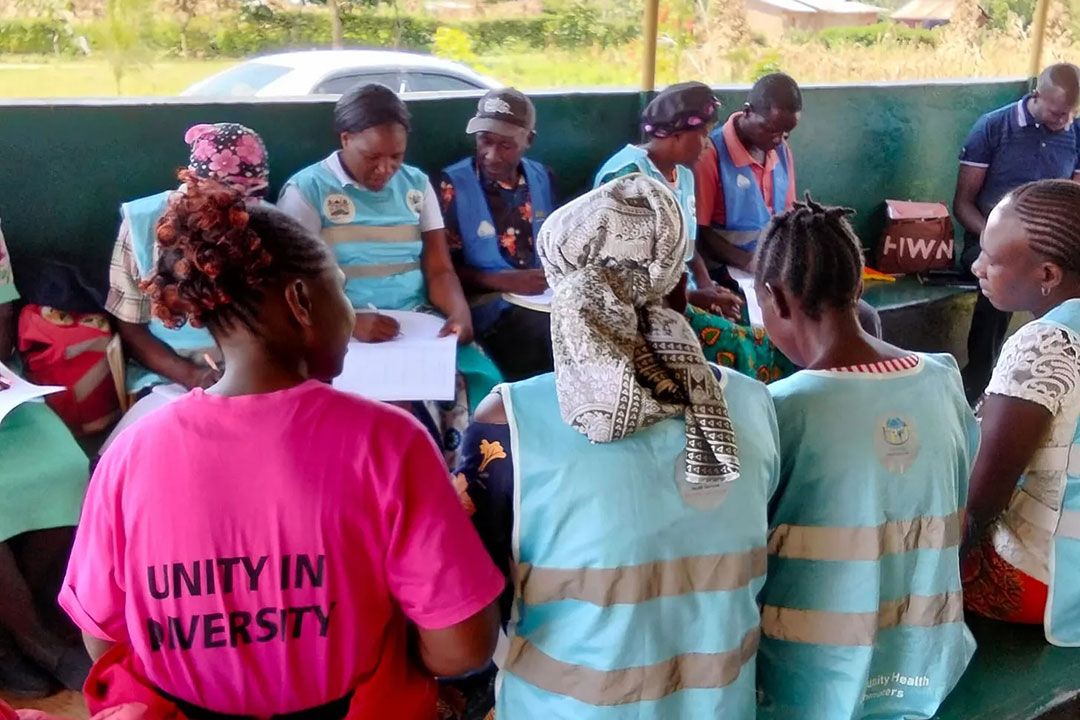
The introduction of Mosquirix (RTS, S) malaria vaccine has raised hopes for dramatically reducing malaria deaths in Kenya, but its effectiveness will hinge in part on vaccine uptake.
This vaccine targets children ages 6-24 months and is administered over four doses. During a 2019 pilot across eight counties in Western Kenya, 96% of children targeted received the first dose, but the rate dropped to 87%, 78%, and 39% for doses two, three, and four respectively (WHO,2022; WHO, 2023).
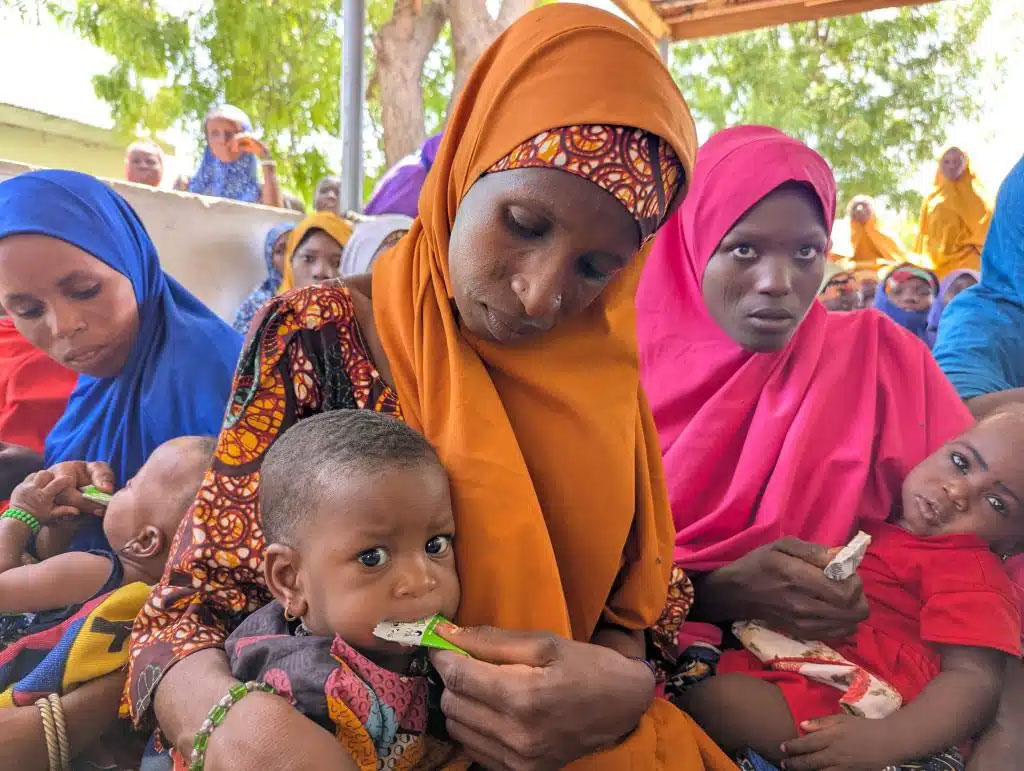
Seventy-three percent of caregivers reported overall positive views on the vaccine. In focus groups, caregivers pointed out how much their children used to suffer with malaria, and how they were hopeful that this vaccine would help.
This raised questions about whether vaccine hesitancy might be driving this drop off and leaving children without adequate protection. I designed my thesis research for a master’s degree in public health at Masinde Muliro University of Science and Technology to find out.
What I did
I focused my research in one sub-county in Western Kenya. First, I hosted five focus groups with 6-10 caregivers each and spoke with 15 healthcare workers as key informants to better understand the key issues around vaccine uptake and to refine my questionnaire.
I then asked local community health promoters to help me with a listing of primary caregivers of children under two years old across three wards. With the help of research assistants, I surveyed 417 of these primary caregivers over one month from August 24th to September 22nd 2025.
I designed my survey based on the health belief model, which illustrates how caregivers’ knowledge, attitudes and practices (among other factors) influence their uptake of the malaria vaccine.
Finding 1: Caregivers want their children to be vaccinated.
I found that 97% of caregivers in my sample were aware of the vaccine, and 95% of children under two years old had received at least one dose. Caregivers who trusted the vaccine, perceived the vaccine to be safe, and perceived the vaccine to be effective were deemed to have a positive overall attitude towards the malaria vaccine.
Seventy-three percent of caregivers reported overall positive views on the vaccine. In focus groups, caregivers pointed out how much their children used to suffer with malaria, and how they were hopeful that this vaccine would help:
"Before vaccination, the child used to get malaria almost every other month, but now it’s different. That gave me confidence because I saw the difference with my own eyes. It encouraged me to also take my child for the vaccine because I want the same protection."
Vaccine stockouts were a major issue. When the malaria vaccine was out of stock, caregivers had to come back and face long queues and lose another work day to try and follow up.
A healthcare worker told me:
"A major motivator is personal experience with malaria. Mothers who have lost a child or seen severe cases in their families tend to be the most consistent with vaccination."
Finding 2: Complete vaccination is mostly hindered by supply problems.
While caregivers are supportive of vaccination, my sample also seemed to have a drop for the fourth and final dose, similar to the 2019 pilot experience.
But instead of being about caregiver resistance, the issue was mostly on the supply side. Early doses were relatively easy. They were built into the normal vaccination schedule and parents could usually get their child at least one or two when they are coming for other vaccines.
However, vaccine stockouts were a major issue. When the malaria vaccine was out of stock, caregivers had to come back and face long queues and lose another work day to try and follow up.
These were visits not planned in the normal schedule for child clinic visits, which typically taper off after a child can stand on his or her own. A community health nurse confided:
“The main challenges are vaccine stock-outs due to supply chain delays.”
Finding 3: Caregiver knowledge matters, too.
But it was also true that many caregivers were not aware that children were meant to receive four doses.
Only 40% of caregivers in my survey knew the correct number of doses.
Caregivers with high knowledge were more than twice likely to accept the vaccine which suggests that clear understanding drives action.
Caregivers with high knowledge were more than twice likely to accept the vaccine which suggests that clear understanding drives action.
One interesting thing I heard during my in qualitative interviews was that even some nurses and CHPs thought children were supposed to receive three doses, rather than four, which is also what many caregivers thought.
The communications reaching health professionals are just as important, if not more important, as those reaching caregivers directly through sources like radio, TV, and social media.
Conclusion: A Roadmap for Action
My research suggests that successful implementation of the malaria vaccine among children aged 6-24 months in Western Kenya, is hindered by health system constraints, not primarily due to the resistance of children’s caregivers.
Although 97% of caregivers were aware of the vaccine and 73% held positive views of the vaccine, only 40% were aware of the correct number of doses. This low caregiver knowledge contributes to the drop off in malaria vaccine coverage which seems mostly caused by stock outs.
Therefore, there is reason to believe that fixing the problem of stock outs would increase completion rates.
It is also important to improve communication to increase understanding of the full vaccine completion schedule, and this communication needs to reach both healthcare workers and caregivers of small children.