
Vaccines work. Trust makes them reach every child
In Pakistan, tackling measles takes more than vaccines alone. Jhpiego is working to build trust in communities to help reduce the disease’s toll.
- 27 January 2026
- 4 min read
- by Jhpiego Pakistan
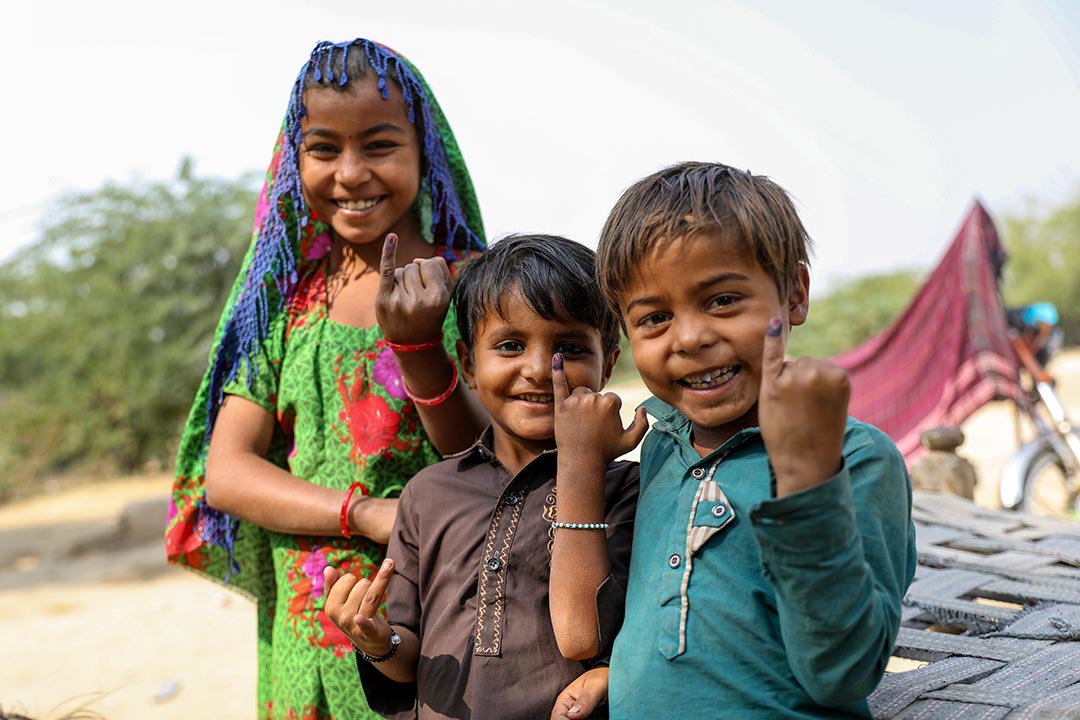
Measles continues to claim children’s lives needlessly.
In 2025 alone, Balochistan, Pakistan’s largest province by area, reported more than 1,700 cases. Over 57% of the more than 16,000 cases registered nationwide were in completely unvaccinated children. That’s despite the fact that the measles-rubella (MR) vaccine is available to every Pakistani child free of charge.
That’s not just a great pity: it’s also a warning.
Measles vaccination is highly effective – with the recommended two doses providing approximately 97% protection against infection – which means these outbreaks are not the result of an elusive virus: they are a signal that immunisation coverage has thinned.
If measles is slipping through the cracks, other vaccine-preventable diseases (VPDs) are likely following the same path. The stakes are high: every unvaccinated child is at risk of serious illness or – in many cases – death.
Addressing this challenge requires more than vaccines. It requires trust, engagement and community-driven strategies.
Why we must engage with communities
Community engagement is not just a nice-to-have; it is central to closing immunisation gaps, reaching zero-dose children and protecting entire communities. Evidence shows that when caregivers understand, trust and participate in vaccination efforts, uptake improves dramatically and innocent lives are saved.
Over the past few years, Jhpiego Pakistan has seen this first-hand.
Jhpiego’s Gavi-supported “Men’s Engagement” project in Quetta, Balochistan, trained civil society mobilisers to work directly with male caregivers, promoting immunisation uptake and gender equity.
Engaging fathers meaningfully transformed household decision-making around child health, resulting in increased vaccination coverage and stronger community ownership. Similarly, CDS-III (COVAX Delivery Support) documented best practices and lessons learned, which showed that building trust within the community improves vaccine uptake and decreases vaccine hesitancy, providing a roadmap for scaling interventions across districts and provinces.
The cost of skipping vaccines
The importance of such strategies became even clearer during a recent trip to Quetta, where I met Dr Aftab Hussain Kakar, Provincial Coordinator for EPI Balochistan. Our discussion covered surveillance, polio, the 2025 national MR campaign and routine immunisation programmes, but what stayed with me most were the stories from the ground.
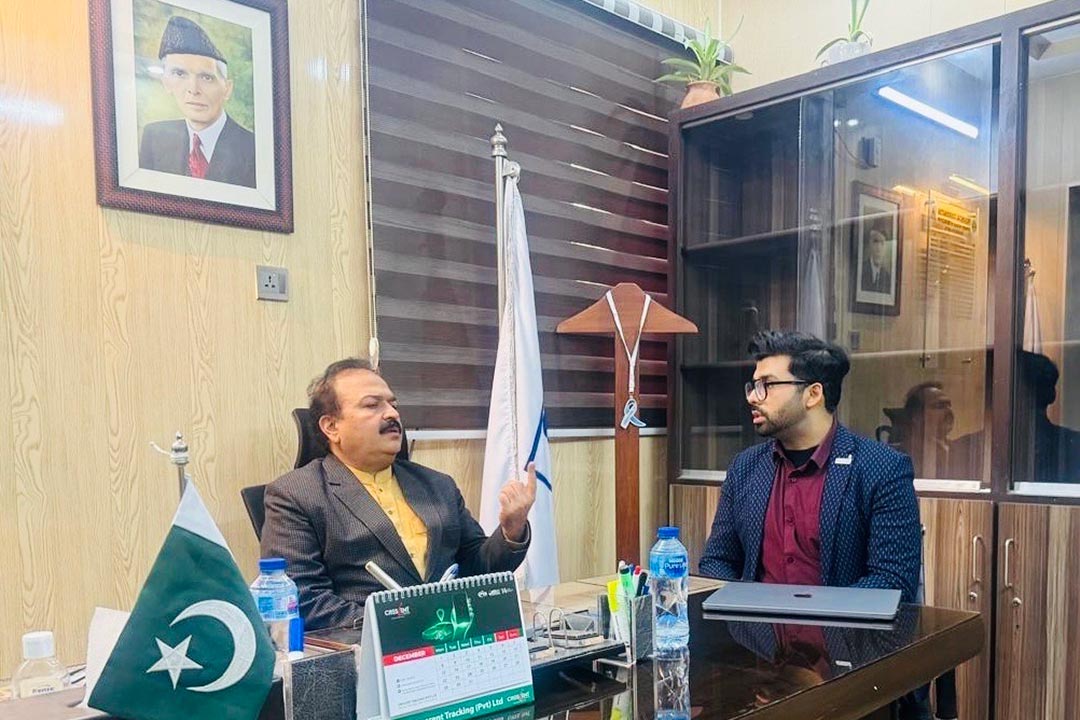
Recalling one such incident, Dr Kakar shared, “In a neighbourhood near Qilla Abdullah, an area called Shamshozai, we lost two siblings to measles simply because they had never received their routine vaccinations.”
He explained that the parents had skipped the doses, believing them unnecessary, while “children in neighbouring homes who were vaccinated remained completely healthy.”
Witnessing this tragedy first-hand, he noted, left a deep mark on him. Perhaps most compelling was how “the same parents later became some of our strongest advocates,” he said, describing how they went on to motivate other caregivers in their community to vaccinate their children.
Have you read?
Show and tell
These stories highlight a crucial truth: numbers alone do not capture the challenge. Community engagement carries emotional and cultural weight. Families often internalise the value of vaccination most vividly when they see its consequences – both the cost of missed doses and the protection it provides.
Strategies that combine technical solutions with culturally sensitive outreach, trust-building and tailored messaging are the ones that succeed in reaching every child.
Balochistan’s provincial immunisation programme paints a vivid picture of both the hurdles and the promise that lie ahead. In 2025, the province faced a measles outbreak while simultaneously training over 140,000 health workers for the nationwide measles-rubella campaign, targeting 35.4 million children aged 6–59 months.
Preventive efforts like these are critical, but they must be paired with community-focused strategies that address hesitancy, misinformation and access barriers.
How to build trust
Community engagement works best when data, strategy and local knowledge converge. Jhpiego’s Zero-Dose Strategy for Balochistan, developed in 2023 through close consultation with district health officers, brings this approach to life.
By pinpointing zero-dose populations, prioritising underserved areas, and marrying technical interventions with community outreach, the strategy offers a practical blueprint for closing immunisation gaps across the province.
The lesson is clear: vaccines alone are not enough. Protecting children from VPD requires a commitment to engaging caregivers, listening to communities and building trust.
Partners like Gavi, Jhpiego, and provincial authorities must continue to work together to deploy these strategies effectively. Scaling these approaches will not only reduce measles outbreaks but also strengthen the broader immunisation system, with new non-infant vaccines emerging.
As Dr Kakar told me, “We are putting all our efforts into reaching every child, and partners like Gavi and Jhpiego make a real difference in helping us reach the last child with life-saving vaccines through interventions.” His words echo the power of collaboration and community-driven action. The future of Pakistan’s children depends on this combination: vaccines in the vial, yes… but also trust in the hands of families and communities.
Community engagement isn’t just another task on the checklist: it’s the heartbeat of lasting immunisation success. When trust is nurtured and dialogue flows, every interaction becomes a step toward a future where every child in Pakistan can grow up healthy, safe and full of promise.
More from Jhpiego Pakistan