
Why forest conservation is also public health
New research illustrates how improved ecological monitoring can connect conservation and public health, supporting the view that protecting ecosystems and managing disease risk are closely linked.
- 30 April 2026
- 7 min read
- by Mongabay
At a glance
- A new study from Madagascar provides the first complete mitochondrial genomes for two endemic tuft-tailed rats, offering a clearer baseline for identifying and tracking native rodent species.
- Fieldwork found these native rodents only in intact forest, while degraded areas were dominated by invasive black rats, suggesting a shift in community composition linked to habitat change.
- Understanding which rodent species are present, where they live and how their populations change is critical not just for biodiversity, but for identifying how pathogen dynamics may shift across landscapes.
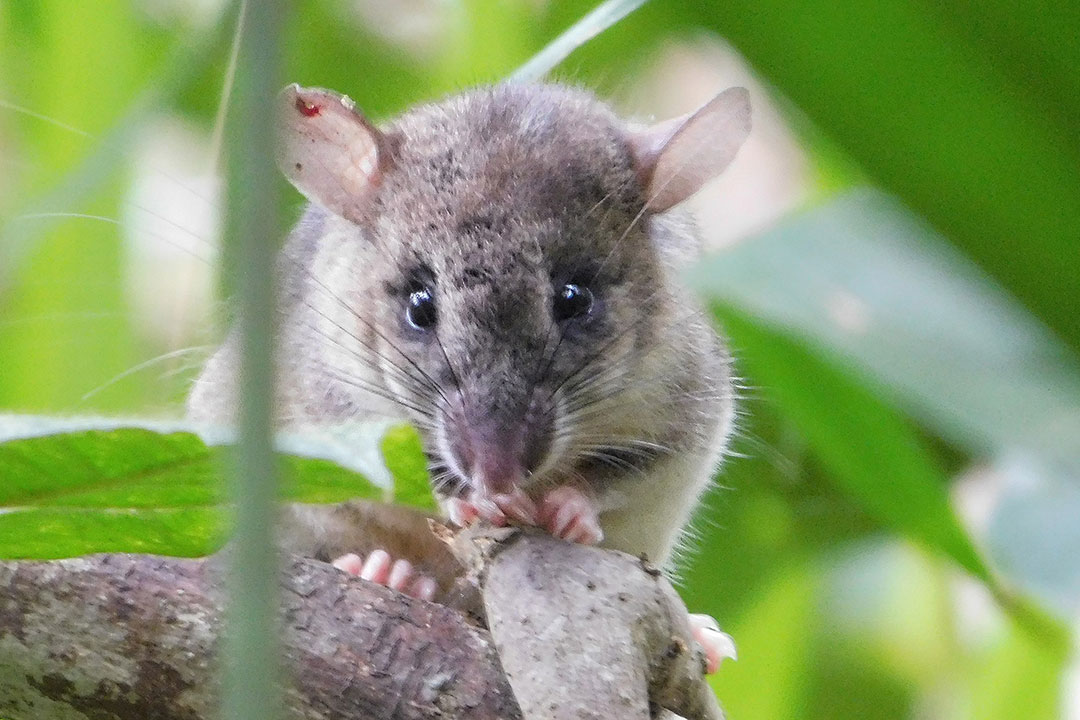
In a lowland forest in southeastern Madagascar, what was missing proved as telling as what was found. Researchers trapping small mammals in the Manombo Special Reserve caught tuft-tailed rats in the intact interior forest. In the nearby littoral forest, despite repeated efforts, they found none. The traps held black rats instead.
The observation appears in a recent paper describing the first complete mitochondrial genomes for two endemic species, Eliurus webbi and Eliurus minor. The study, published in Mitochondrial DNA Part B by Elise Paietta and an international team of researchers, itself is technical. It assembles genetic sequences, places them within a sparse phylogeny, and notes gaps in what is known about these animals. Yet the fieldwork offers an important ecological finding: native rodents were confined to intact forest; degraded habitat was occupied by an introduced species.
The pattern is not unusual. In many tropical systems, disturbance tends to favor generalists. Species with narrower ecological requirements recede as habitat fragments or is altered. What is less often spelled out is what this shift means beyond the change in species lists. The Malagasy study offers a way to examine that more closely.
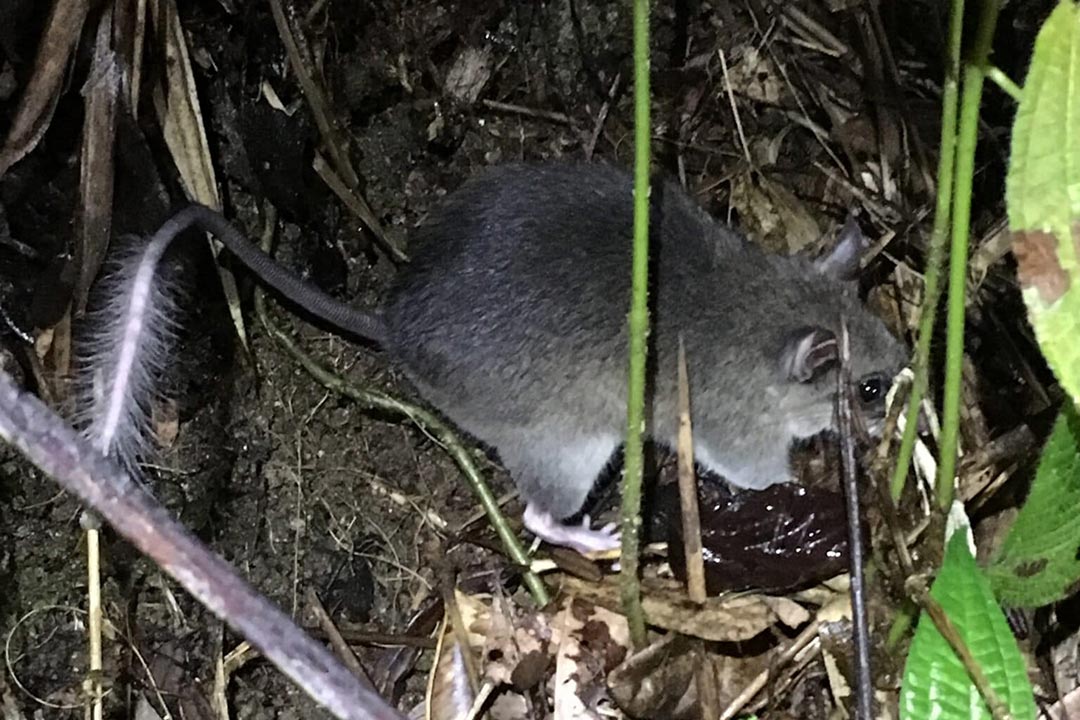
Photo by Nina Finley / Health in Harmony
Its immediate contribution is genetic. Until now, no complete mitochondrial genomes existed for the Nesomyinae, a subfamily of rodents found only in Madagascar. Earlier work relied on shorter sequences, often from a single gene. These can indicate broad relationships but leave much unresolved. Whole mitochondrial genomes offer greater resolution, making it easier to distinguish closely related species and to detect variation within them.
This is relevant because the taxonomy itself remains unsettled. The genus Eliurus includes more than a dozen described species, and recent work suggests additional diversity. Without clearer genetic baselines, it is difficult to say how many species exist, how they are distributed, or how their populations are changing. The new sequences do not settle these questions but they provide a starting point.
Baseline data are often treated as preliminary, something to be completed before more consequential work begins. In practice, they shape much of what follows. Without reliable identification, declines are hard to detect. Without spatial information, it is difficult to know where to focus attention. Broader conclusions about ecological change rest on these details.
The absence of tuft-tailed rats from degraded forest points in that direction. It suggests displacement, but leaves open the mechanism. The animals may be absent because the habitat no longer suits them, or because they are outcompeted by invasive species. Populations may be shrinking, or shifting into remaining patches of forest. Each possibility implies something different. Each requires data that can separate one from another.
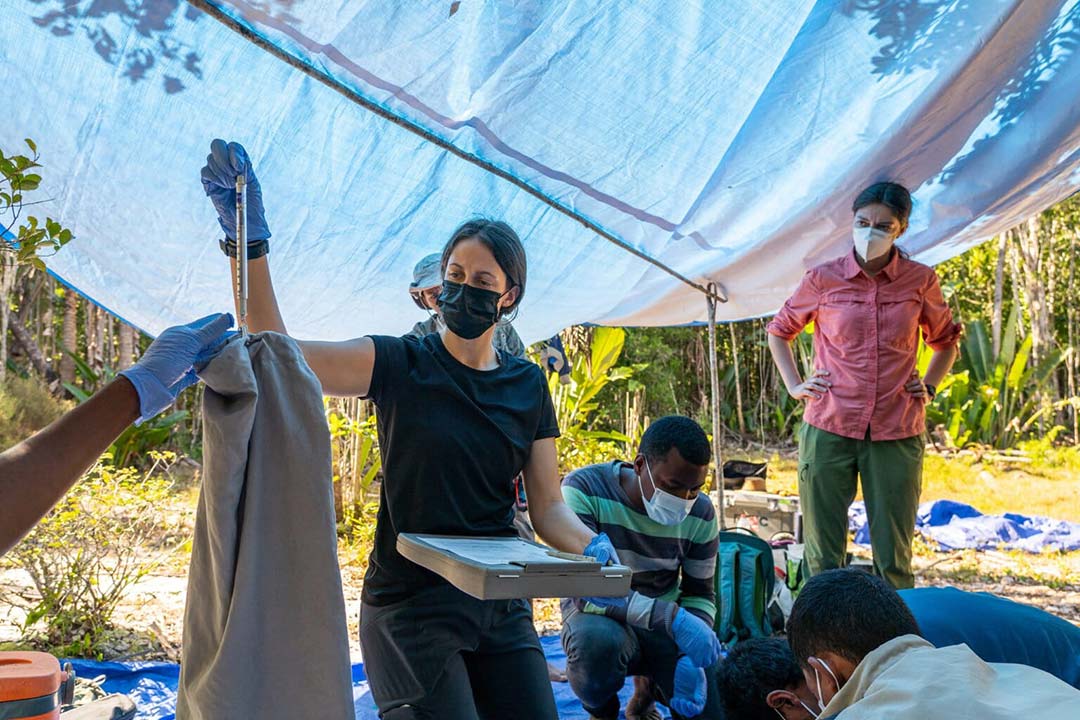
Image by Ryan Park.
The genetic work in Madagascar adds to that capacity. It allows for more reliable identification, including among species that look similar. It can also be paired with non-invasive sampling, such as oral swabs or environmental DNA, to monitor populations without extensive trapping. The study itself relies on swabs collected in the field, showing that this approach is workable.
With that in place, a second set of questions comes into view. Rodents are not only part of ecological communities. They are also hosts for a range of pathogens. The composition of a rodent community shapes which microbes are present, and how they may move between species.
Here the distinction between native and invasive species matters. Generalist rodents such as the black rat tend to do well in disturbed environments and near human settlements. They are also known to carry a range of diseases. Native species often occupy more specific niches and may host different pathogens. When one replaces the other, the epidemiological landscape can shift.
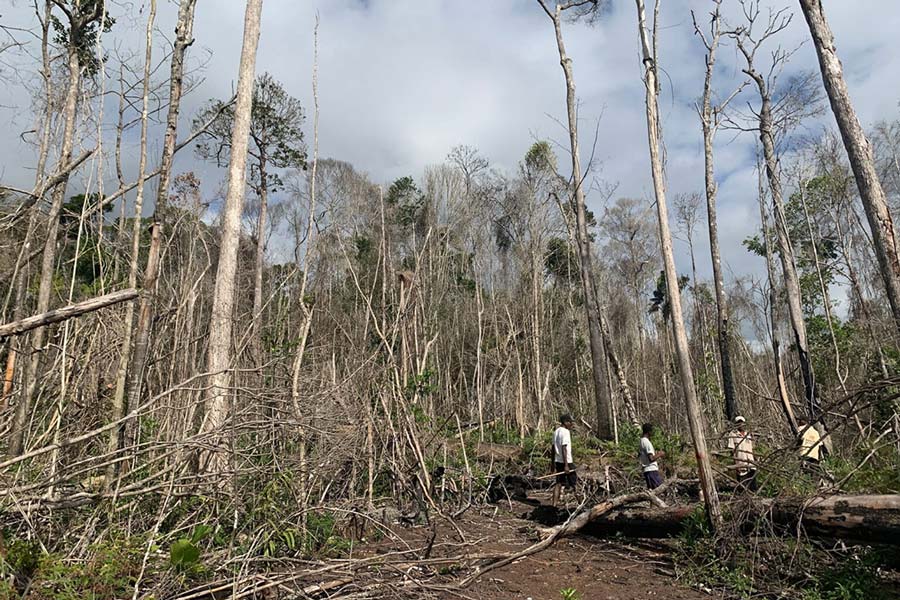
Photo by Nina Finley / Health in Harmony
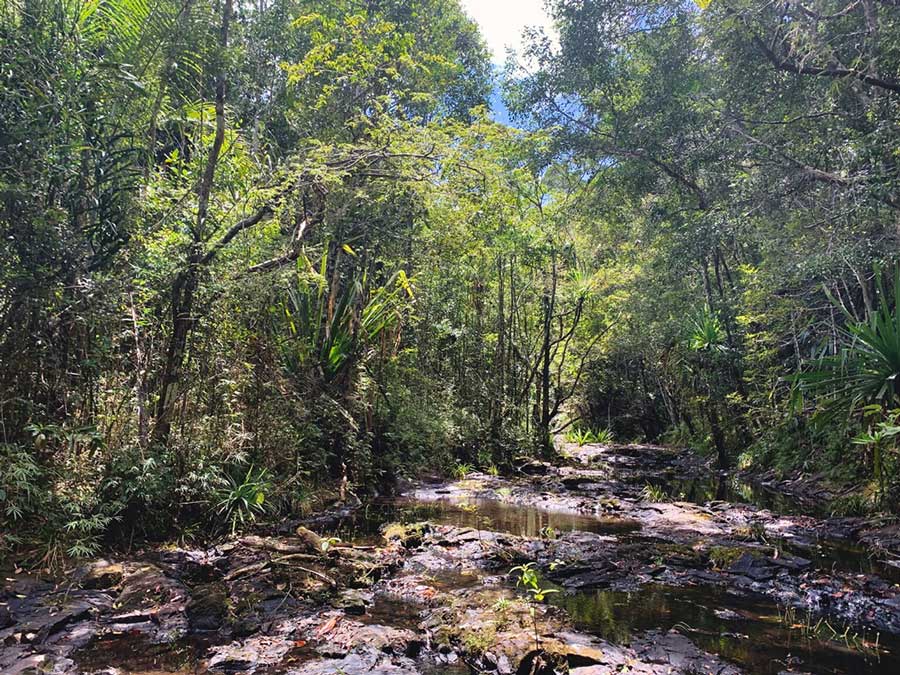
Photo by Nina Finley / Health in Harmony
The direction of that shift is not uniform. In some cases, disturbance reduces diversity while increasing the abundance of a few species that are effective reservoirs. In others, it changes contact patterns among species, altering transmission. What remains consistent is that composition matters. Knowing which species are present, and where, becomes part of understanding disease risk.
This is where ecological monitoring and public health begin to intersect. The connection is often framed broadly, under the label of “One Health”, which links human, animal, and environmental well-being. The challenge has been to anchor that idea in data that can be tracked over time.
Work of this kind helps to do that. By improving species identification and enabling more precise monitoring, it becomes possible to map not only biodiversity, but the distribution of hosts and pathogens. One can begin to ask whether disturbed areas correspond to higher pathogen prevalence, or whether intact ecosystems limit exposure. The answers are likely to vary by setting. What changes is the ability to examine them directly.
There is also the question of time. The paper notes that the conservation status of the two tuft-tailed rat species rests on assessments made nearly a decade ago, and that population trends are uncertain. This is common. For many small mammals, especially in tropical regions, baseline data are limited and updates infrequent. As habitats change, the delay between ecological shifts and their documentation can be considerable.
Better monitoring shortens that delay. It allows changes to be detected earlier and followed more closely. It can also bring gradual shifts into view, such as the steady replacement of native species by invaders. In the Malagasy case, the contrast between forest types is clear. Elsewhere, it may be less so.
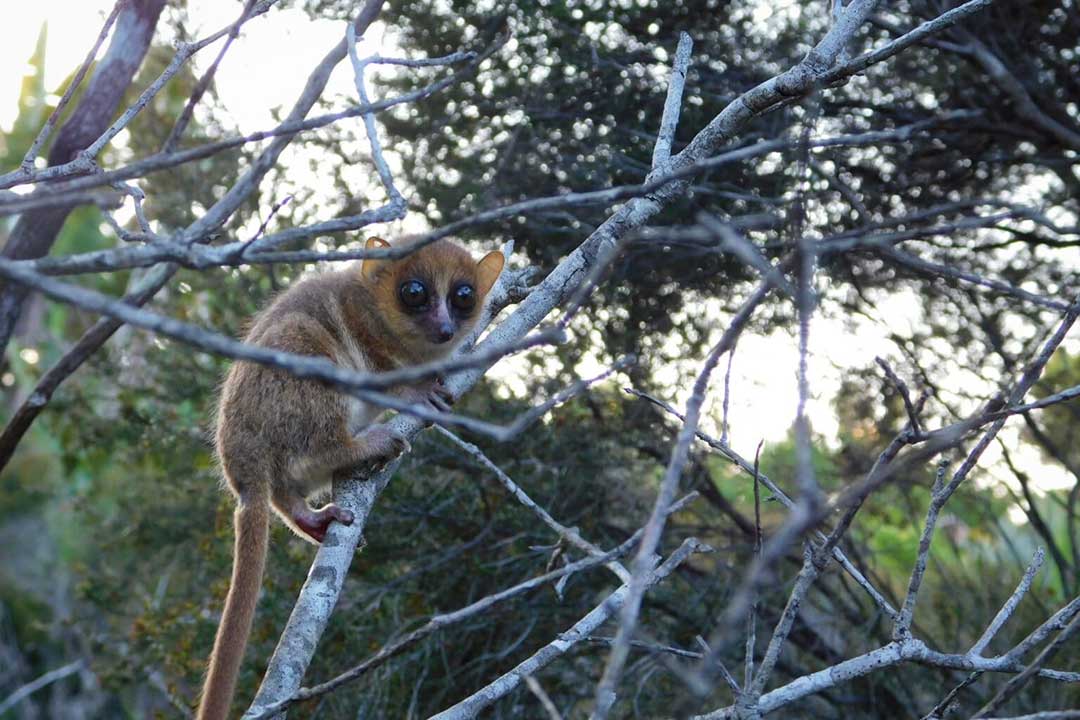
Photo by Elise Paietta
Work in other regions points in a similar direction. In fragmented landscapes, invasive rodents often come to dominate, sometimes coinciding with the loss of native species. Removal efforts have shown that native communities can recover when pressure from invaders is reduced, though outcomes vary. These studies suggest that community composition reflects both habitat and interaction among species.
They also underscore the limits of focusing on habitat alone. Forest cover may be necessary for many species, but it is not always sufficient if invasive competitors are present. Managing invasive populations without addressing habitat conditions may also fall short. In practice, both tend to matter.
The same holds when considering health. Efforts to reduce disease risk often focus on surveillance or treatment. Yet if ecological conditions favor reservoir species, these measures address only part of the problem. Bringing ecological data into public-health work offers a way to consider underlying drivers.
This kind of integration is not simple. It depends on collaboration across fields and institutions, and on data that can be compared across studies. The development of genetic resources, such as the mitochondrial genomes described in the paper, contributes by making identification more consistent and analyses more comparable.
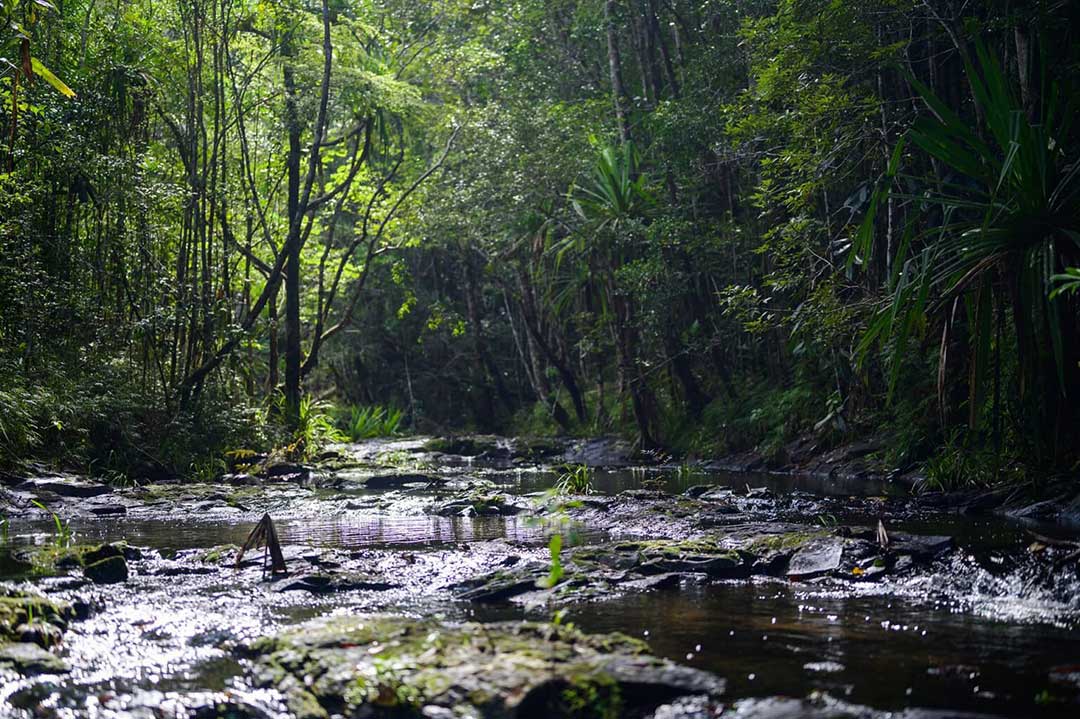
Photo by Nina Finley / Health in Harmony
There are constraints. Fieldwork takes time, and genetic analysis requires resources. In many places where biodiversity is high, capacity is limited. The Malagasy study involved collaboration among local researchers, international institutions, and non-governmental groups. That model is likely to remain important.
Even so, coverage will remain uneven. Some species and regions will be better understood than others. Uncertainty will persist. The aim is not to remove it entirely, but to reduce it enough to inform decisions. In that sense, the “toolkit” is a means of asking more specific questions.
The initial observation remains a useful guide. In intact forest, tuft-tailed rats were present. In degraded forest, they were not. That difference reflects a change in the structure of the ecosystem, with implications that extend beyond the rodents themselves.
Understanding those implications depends on detail. It involves identifying species, tracking their distributions, and examining how they interact. None of this is especially dramatic. Taken together, it offers a clearer view of how ecological change unfolds, and what it means for the systems that depend on it.
The conclusion is modest. Protecting ecosystems and safeguarding human health are linked. The link is not abstract. It can be traced through the composition of a rodent community, and through the data that show it.