
“As a parent, you cannot relax”: a polio outbreak urges action across Malawi
One child has been paralysed in the polio outbreak declared this January, but authorities hope a robust national vaccination campaign is enough to halt the spread.
- 18 May 2026
- 6 min read
- by Rabson Kondowe
At a glance
- A polio outbreak was declared in Malawi early this year, just four years after a shock case of wild poliovirus type 1 precipitated a large-scale immunisation campaign.
- Authorities have responded with several rounds of nOPV2 vaccination, reaching millions of children under ten with more than one dose each.
- No further cases have been identified since a child in Blantyre was diagnosed with paralytic symptoms in January.
Unlike most Malawians in her generation, 31-year-old Alinafe Manon’ga has seen polio up close. Her one-time neighbour, an elderly man, had lost the use of his limbs in infancy to an infection his parents had first taken to be malaria.
Listening to her neighbour describe life in the village with a disability instilled fear in Manon’ga, but also a sense of urgency. When she had her first child in 2022, she made sure to have the baby promptly immunised against polio.
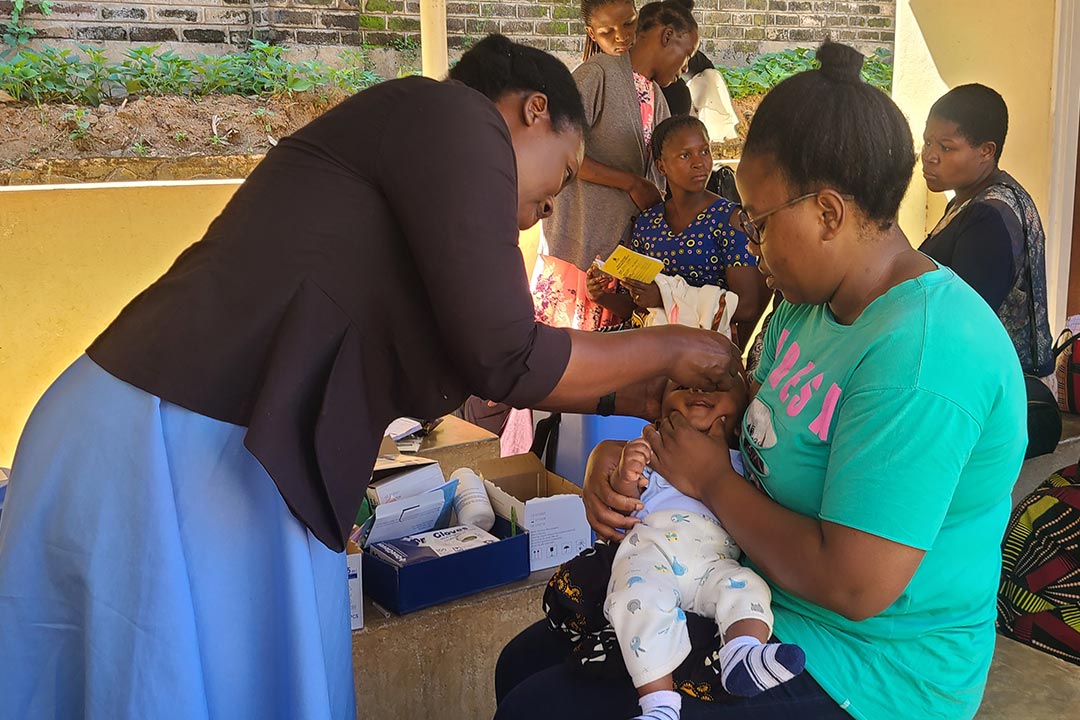
Now, the mother of two has taken time off from her job as an accountant to return to a vaccination site at Zingwangwa Health Centre in Blantyre. As her five-month-old second-born receives the same protection, her neighbour’s struggles are on her mind.
“His experience is a reminder that we need to protect our children while they are still young,” she told VaccinesWork. “I want the best for my children. It is my duty to protect them at all times.”
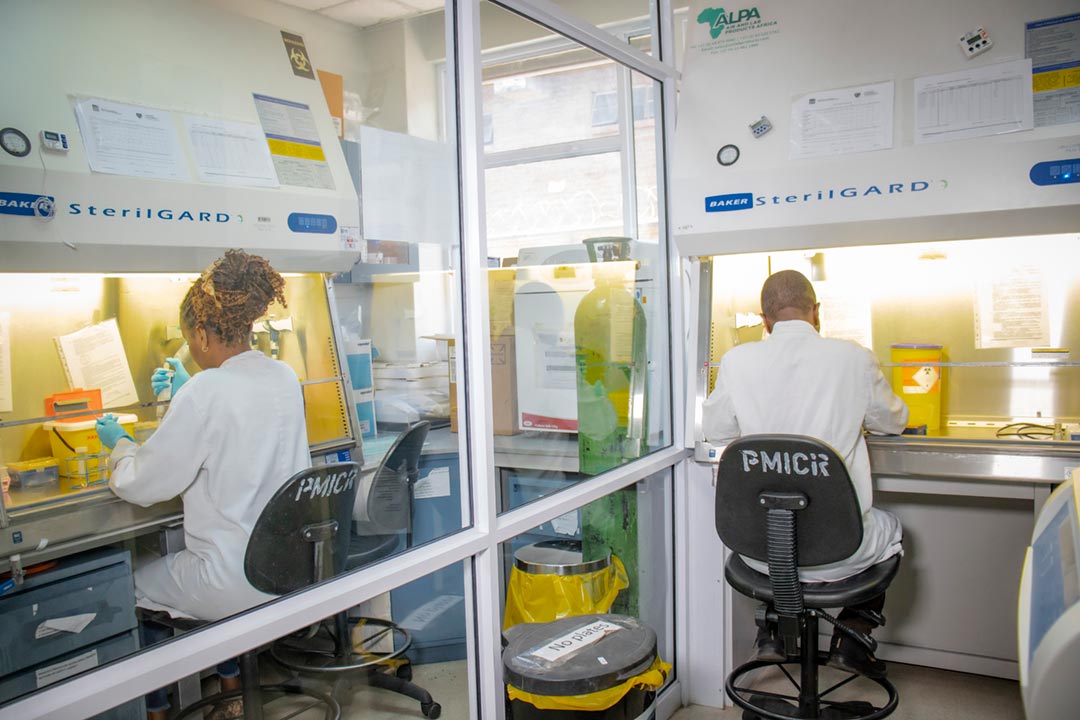
In late January this year, Malawi declared an outbreak of the circulating vaccine-deprived poliovirus type two (cVDVP2), following a detection in environmental samples from two sewer plants in Blantyre during routine sewage surveillance. The news dropped four years after the country had last been called on to mount a major polio response: in 2022 a shock outbreak of wild poliovirus type 1 had paralysed a three-year-old girl in Lilongwe.
What does “vaccine-derived polio” mean?
The oral polio vaccine (OPV) is the workhorse of the global eradication effort and has protected billions from a virus that used to paralyse more than half a million people every year.
But in rare cases, and only in under-protected populations, the weakened virus in the vaccine can hop from unimmunised person to unimmunised person, accruing tiny changes along the way, finally ending up again capable of causing disease. The chances of that happening are statistically very small, and historic cases of vaccine-derived polio virus are few. The risk falls to zero if most people are vaccinated, because in immune populations, rogue vaccine viruses can’t spread and mutate.
A national emergency
The effort to contain the new outbreak began in February, with a four-day polio vaccination campaign targeting 1.3 million children under the age of ten in the eight most-at-risk districts.
The campaign, a joint endeavour by the Ministry of Health, UNICEF, World Health Organization and other partners, was then scaled up nationwide. During the first round of the national campaign in March, more than 6 million children received the novel oral polio vaccine (nOPV).
Credit: Rabson Kondowe
A second round, conducted from April 27 to 30, targeted 6.2 million. A third round is planned for June, with the Ministry of Health aiming to reach 6.4 million.
“We initially targeted eight districts because they were high risk and wanted to control the virus from the source as quickly as possible, then scale up to the rest of the country,” said Dr Mike Chisema, Deputy Director of Community and Promotive Health Services, and the person responsible for the Expanded Programme on Immunization in the Ministry of Health.
Have you read?
Each child is expected to receive the OPV during each round, to build strong immunity. “These repeated rounds are important because some children may not develop enough protection from the first dose,” Chisema said. “Additional rounds ensure that every child has a better chance of being fully protected.”
In a statement, acting WHO representative in Malawi, Dr Charles Njuguna, said they will “continue to support Malawi in its efforts to ensure that every child is protected from this debilitating but vaccine-preventable disease.”
So far, the country has recorded one case involving a seven-year-old child who developed paralysis of the chest and upper limbs in late January, but Chisema says since the virus spreads quickly and silently, “even one case is considered an outbreak.”
Grassroots fight-back
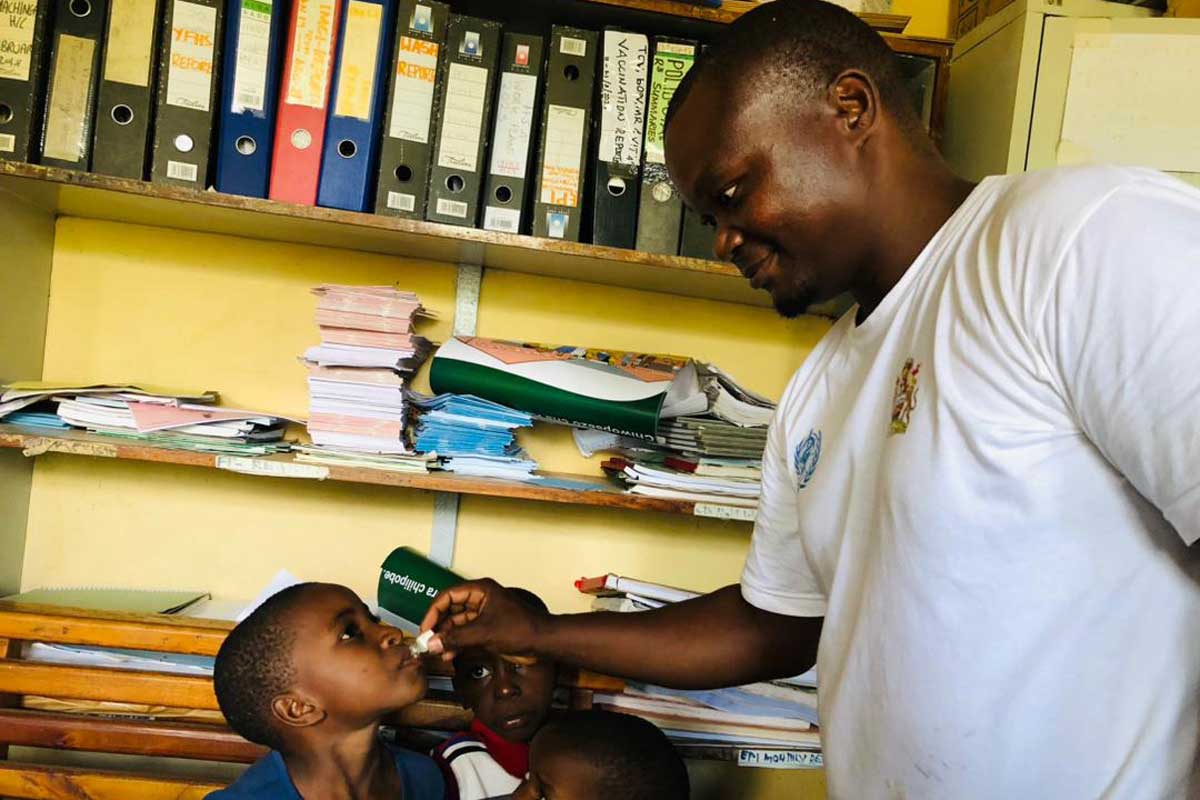
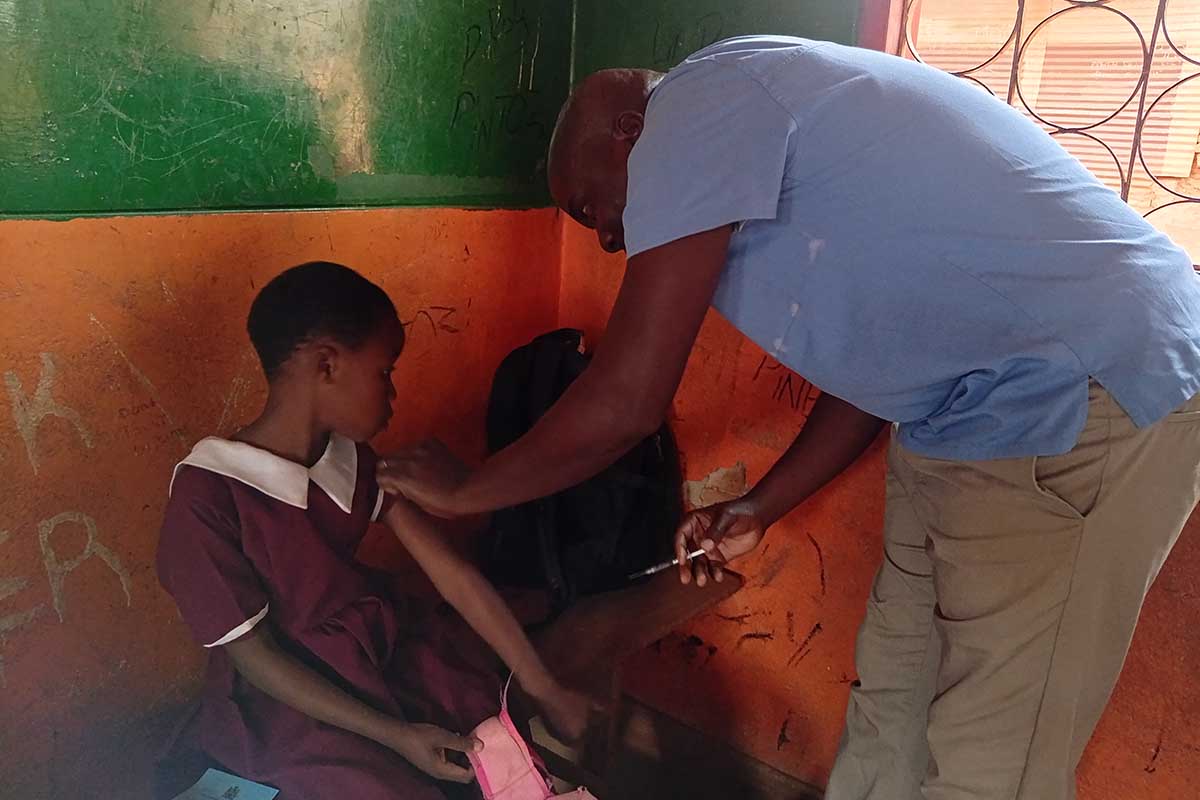
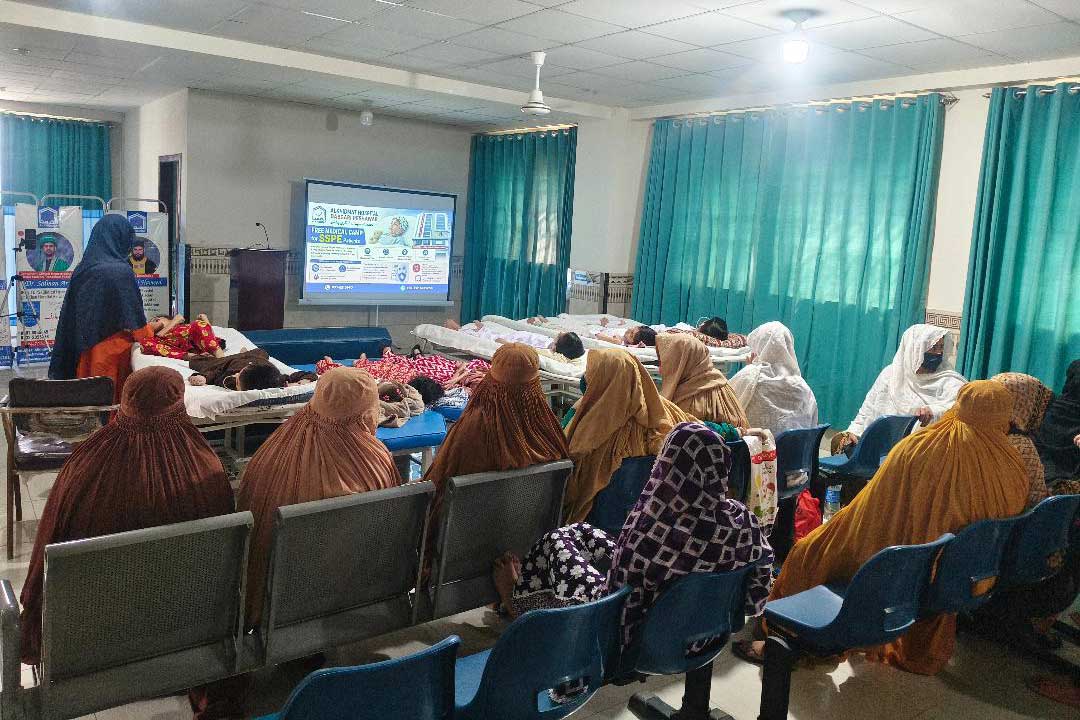
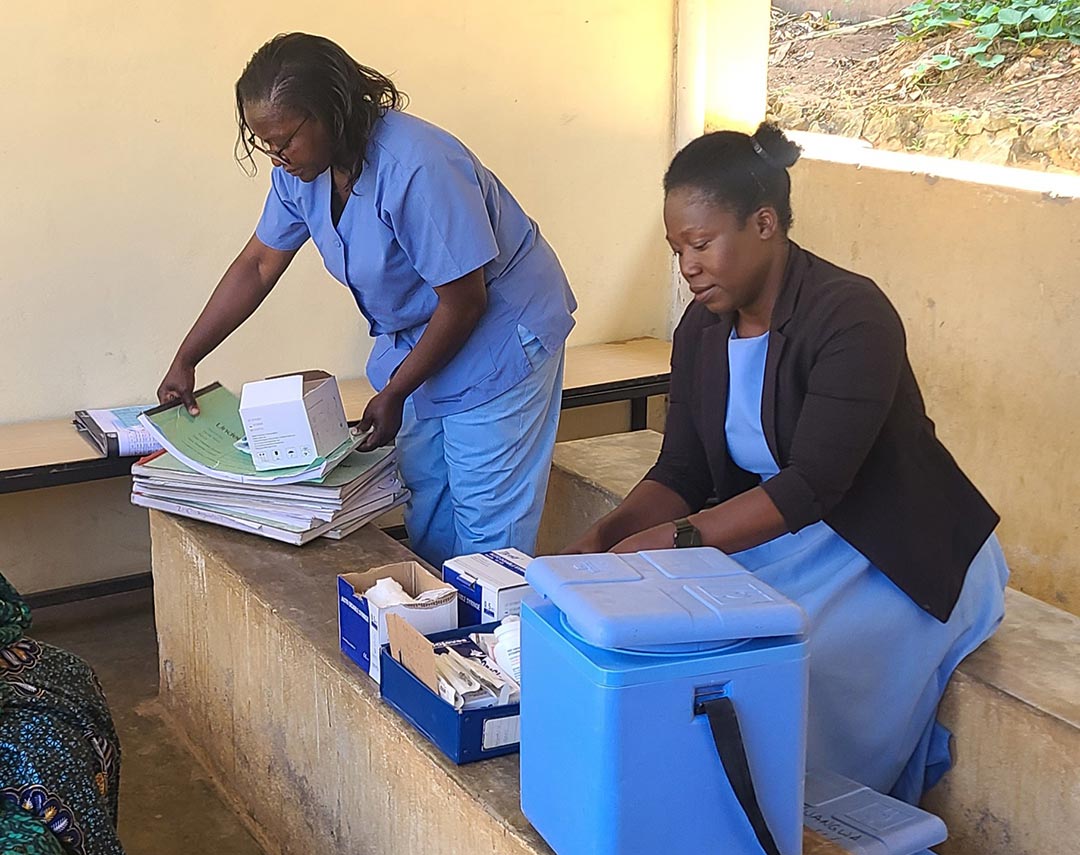
Across the country, caregivers like Manon’ga have been taking their children to vaccination sites set up in health centres, while health workers also move from house to house, and to schools and markets, carrying small blue cooler boxes, to ensure no child is left behind.
At Zingwangwa Health Centre, Nisha Sawanga is beaming with satisfaction. The 22-year-old new mother of a six-month-old baby has just had her child vaccinated, and is confident that the repeated rounds of immunisation mean she is safe.
“When I first brought my child for the first dose, health workers explained to me that it would be important to come again for several more doses to build a strong immune system,” Sawanga said. “I will be coming again for a third round.”
But Sawanga is not only protecting her own child. She says she has taken a new volunteer role in her community by encouraging women who are sceptical about vaccines, or might have heard myths surrounding immunisation, to take their children for an oral jab.
“Some families believe children develop physical disabilities because they have been bewitched,” she said. “But I try to explain that it is caused by a virus, and that vaccination can protect their children from polio.”
Lessons learned
Chisema says in the phased roll-out, some districts recorded a high number of missed children, either because caregivers were not at home during door-to-door visits or because children were not brought to vaccination sites.
To address this, additional measures were put in place to ensure no child is missed in other rounds.
Florence Nasava, a Senior Health Surveillance Assistant at Zingwangwa Health Centre, told us how those measures play out. Supervisors have been closely monitoring vaccination teams during both door-to-door visits and outreach in schools, she said, by revisiting areas to verify that all eligible children have been reached.
Her district’s vaccination teams are consequently learning and improving as the exercise goes on. “This time around, sensitisation has been more robust in both the first and second nationwide rounds because we were better prepared, compared to the February campaign, which was more of an emergency response,” Nasava told VaccinesWork.
Beyond the campaign
Looking ahead, health authorities say routine immunisation remains critical. “This campaign does not take away the need for the caregivers to still bring their children for routine immunisations, including polio,” Chisema said. “It is important that every child has a proper record of how they are supported immunisation-wise.”
Just like Sawanga, Manon’ga is already preparing to take her two children for another dose in the last round of the polio vaccination campaign. She says she will continue to take heed of the advice she once received from her polio-disabled neighbour.
“As a parent, you cannot relax when it comes to your children’s health,” she told VaccinesWork. “You don’t want to live with regret over something that can be prevented.”