
In India, a team of transgender women lead a vaccination revolution
The “Sakhee didis”, a path-breaking team of trans women outreach workers, have helped to get thousands of vulnerable kids protected.
- 5 March 2026
- 6 min read
- by Shuriah Niazi
At a glance
- Transgender women in India have for generations occupied an ambivalent position: generally kept out of mainstream employment and positions of leadership, they have also been asked for blessings at important life events, like the birth of a child.
- A Gavi-funded project asked a group of trans women in Maharashtra’s Mumbra and Kausa slum neighbourhoods to put their unique brand of social influence to work as vaccine champions.
- Over the course of two years, some 1,500 acutely vulnerable children were vaccinated as a consequence. And the outreach workers? They found the old walls of prejudice and distrust began to come down: “At first we were chased away,” said one of the project staffers, Amrin Khan. “[Later] they would say, ‘Come in, sister. Sit down and talk.’”
For centuries, India’s transgender community has existed at the edges of public life – visible, acknowledged, excluded.
Largely shut out of formal employment and denied mainstream social acceptance, many survive by begging at traffic signals, on local trains, or in crowded markets. They are often met with impoliteness or ridicule, sometimes outright hostility. Rarely are they held up as full contributors to society; almost never are they trusted with professional responsibilities.
And at the same time, in many Indian communities, transgender women hold unique positions of influence. Historically, they have played a visible role in important rites of passage, including being called upon to bless newborn children and believed to bring good fortune.
This has given transgender women a unique entry point into family life. In the Thane district of Maharashtra, one health project quietly, but decisively, tested whether that social position could be put to work in service of better community health – and in the process, unsettle generations-old stigma about transgender identity.
Meet the Sakhee didis
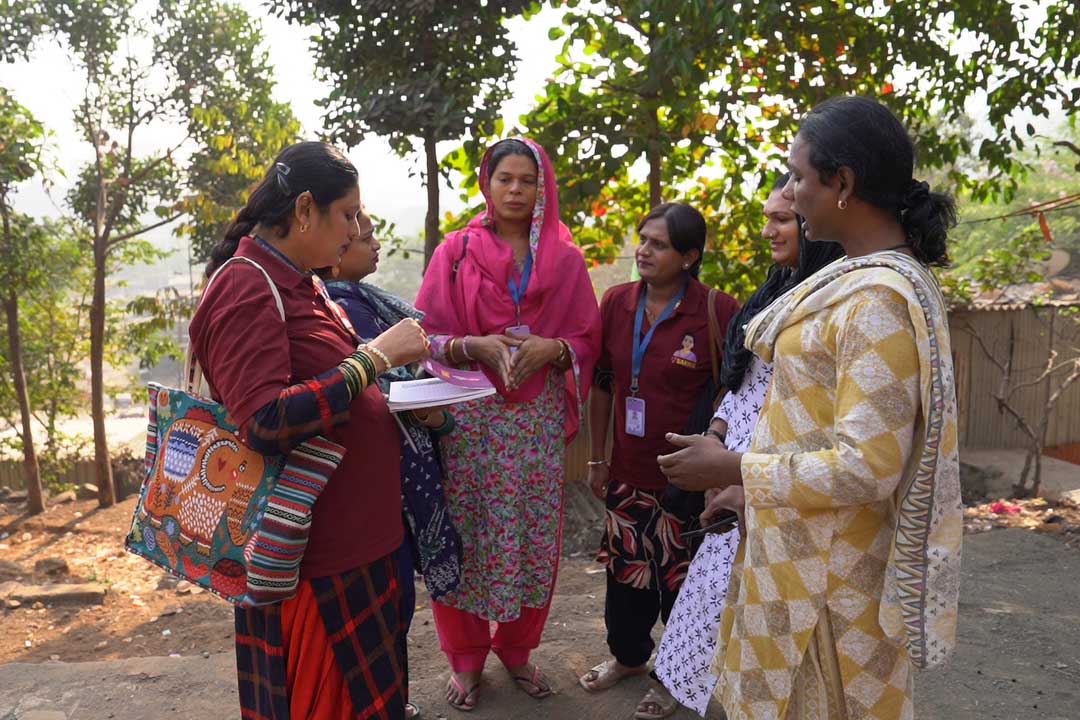
In the densely populated slum settlements of Mumbra and Kausa, transgender women emerged as a new kind of frontline public health worker, helping to get children vaccinated in some of the area’s most underserved neighbourhoods.
Home to around 370,000 people, these localities are largely inhabited by Muslim migrant families from different states, many living in cramped conditions, navigating language barriers, and carrying a deep mistrust of government systems. Vaccine hesitancy is widespread in these neighbourhoods, propelled by misinformation, fear and lack of access to reliable health information.
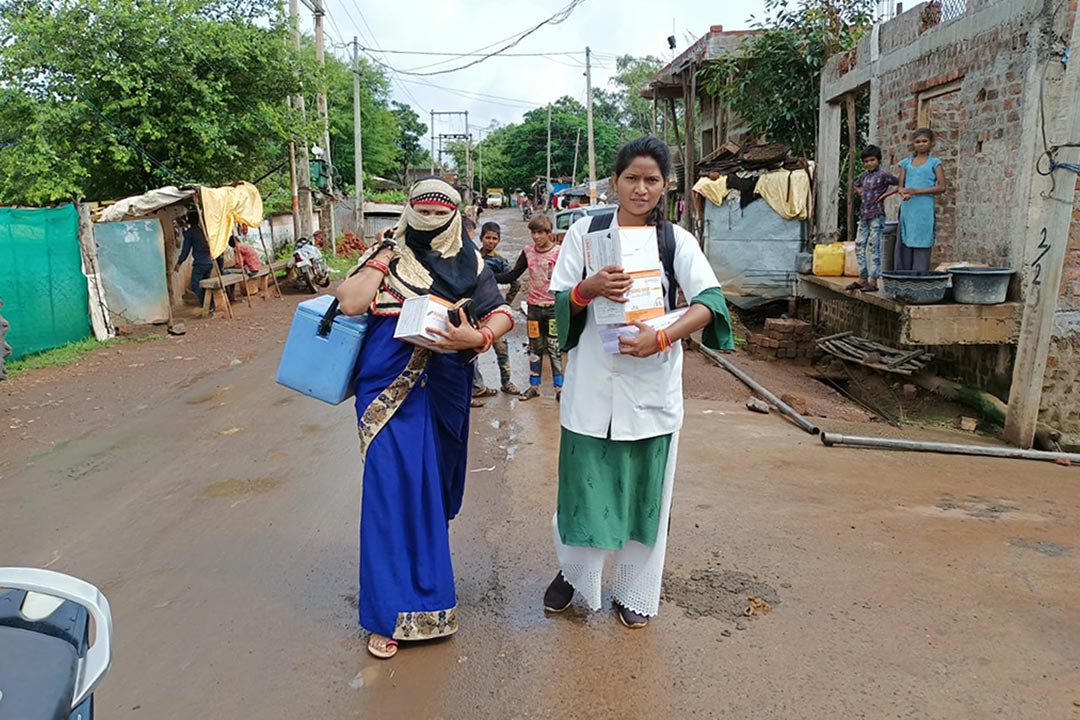
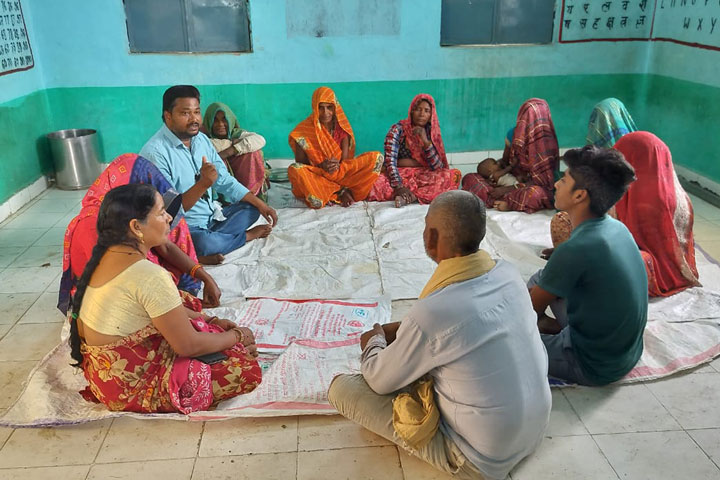
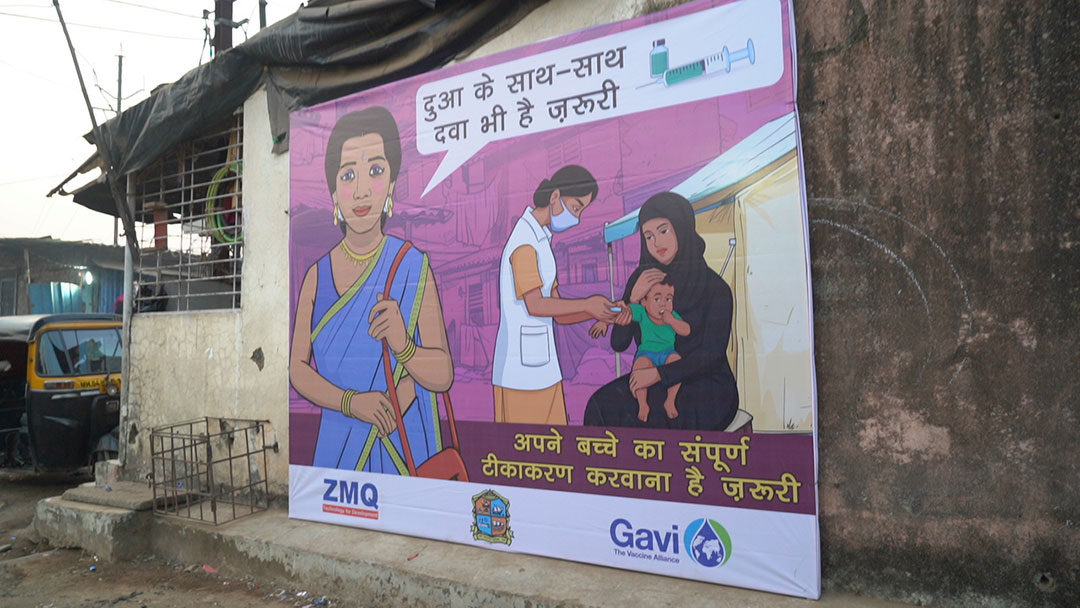
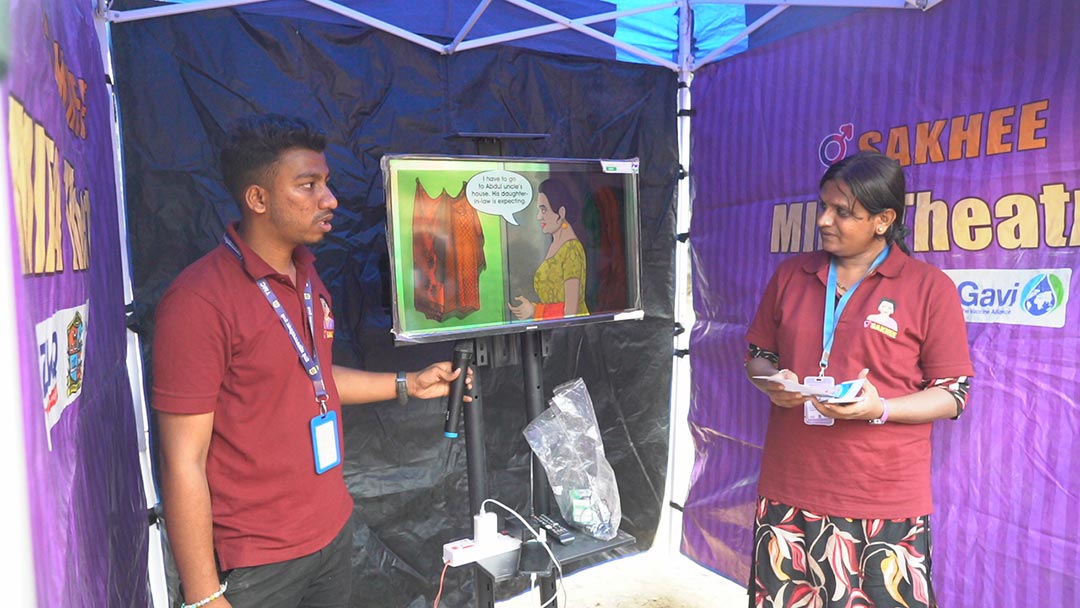
Under the Sakhee initiative – a two-year pilot project runby the NGO ZMQ and funded by Gavi, the Vaccine Alliance – transgender women were recruited as community mobilisers. Known as “Sakhee didis” – a phrase connoting sisterhood and trusting female companionship – they were trained to work at the grassroots: going door to door, explaining vaccination schedules, dispelling rumours, screening informational films and accompanying government health workers during immunisation sessions.
Tricky beginnings
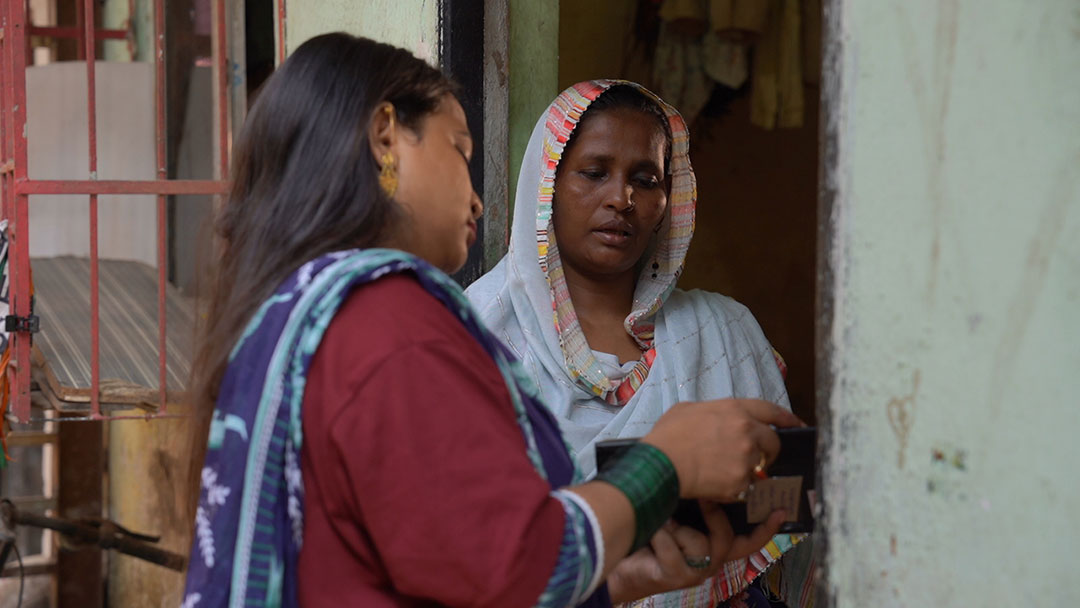
In the early months, many Sakhee didis faced deep suspicion and open hostility. Doors were slammed shut. Abuse was common. Some were chased away with slippers.
Credit: Amman Shaikh
“People thought we had bad intentions,” recalled Tulsi Agarwal, one of the transgender women staffing the project. “Some even believed we would kidnap their children and turn them into eunuchs.”
The fear was not only about vaccines; it reflected generations of stigma attached to transgender lives, overshadowing the long-held cultural belief that transgender women bring blessings and good fortune to families and communities.
Despite the insults and emotional distress, the Sakhee didis persevered. For many of them, this work was about more than employment. It was about dignity.
Credit: Amman Shaikh
“We are always seen as beggars or troublemakers,” said Amrin Khan, another Sakhee didi. “We don’t get respectable jobs. This was a chance to earn with self-respect – but more than that, it was a chance to serve society.”
Wadia Qureshi, another member of the outreach worker group, said she did not want to miss the opportunity. “We were determined to make ourselves useful in a noble mission.”
Becoming the bridge
According to Hilmi Quraishi, founder of ZMQ, the programme succeeded because it recognised strengths that already existed within the transgender community. “Urban slums are crowded and complex,” he said. “Migrant families often fear authorities, especially if they lack documents. We needed a bridge between the health system and the community.”
Have you read?
The Sakhee didis became that bridge.
Fluent in multiple languages and deeply embedded in informal neighbourhood networks, they often knew when a child was born or when a woman was pregnant – information that rarely reached the formal health system in time. Their cultural skills – storytelling, singing, humour – helped to turn public health messaging into conversations that felt familiar rather than threatening.
Slowly, attitudes began to shift.
Credit: Amman Shaikh
“At first, we were chased away,” Amrin said. “Later, people started inviting us in, offering us tea, and asking for advice. They would say, ‘Come in, sister. Sit down and talk.’” Suspicion gave way to acceptance, and acceptance gradually turned into trust.
For the Sakhee didis themselves, the change was deeply personal. Wearing identity cards and working alongside government health staff gave them a sense of legitimacy they had never known. “Earlier, people avoided us,” one worker said. “Now, when we talk about children’s health, they listen.”
The impact was visible inside homes as well. Iram Khan, a resident of Mumbra, admitted she initially refused to immunise her four-month-old son. “They kept coming,” she said. “They showed us films and explained everything patiently. Slowly, I understood that vaccination was essential – not just for my child, but for my family.”
Making a difference
Over two years, 12 Sakhee didis played a crucial role in ensuring that nearly 1,500 children received life-saving vaccines, reaching approximately 40 households every day. Health workers reported that their presence helped to reach families who had previously been hesitant to engage with the formal healthcare system.
“They made our work much easier,” said Yasmeen Khan, an auxiliary nurse and midwife (ANM). “When we went with them, people opened up. They were excellent communicators and played a crucial role in overcoming vaccine hesitancy.”
A third-party independent assessment found that the initiative exceeded its targets. More than 1,500 zero-dose and under-immunised children were identified; no zero-dose children remained across three birth cohorts. More, the community in general kept to immunisation schedules in a timelier manner, and 99.5% of caregivers now possessed vaccination cards.
The Sakhee initiative has since ended, but its impact has not. It showed that inclusive public health models do more than improve numbers. They restore dignity, build trust and challenge long-held prejudices. When marginalised communities are treated as partners rather than problems, the benefits ripple outward.
The story of the Sakhee didis serves as a powerful reminder that empathy, representation and respect are just as crucial to public health as vaccines themselves.