
In India’s Rajasthan, a diphtheria crisis restores faith in vaccines
A community with longstanding patterns of vaccine hesitancy was brought low when an outbreak swept through, carrying off seven children.
- 12 December 2025
- 5 min read
- by Shuriah Niazi
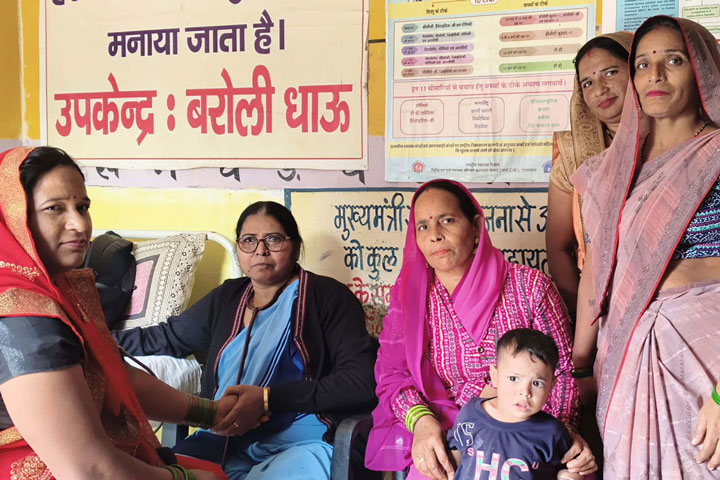
Panic and grief swept through Deeg district, in the northern Indian state of Rajasthan last year, as seven children lost their lives in the span of just one month to diphtheria. The deaths, occurring in quick succession, shook the region and exposed deep cracks in the healthcare system, particularly in the Meo community, among whom high rates of vaccine hesitancy had prevailed for years.
Today, the administration claims that the situation is under control. While four cases have been reported over the course of the year, all affected children received timely treatment and survived.
The progress has been hard-won, relying on tireless efforts of health workers, community participation and a change in people’s mindset triggered by tragic loss.
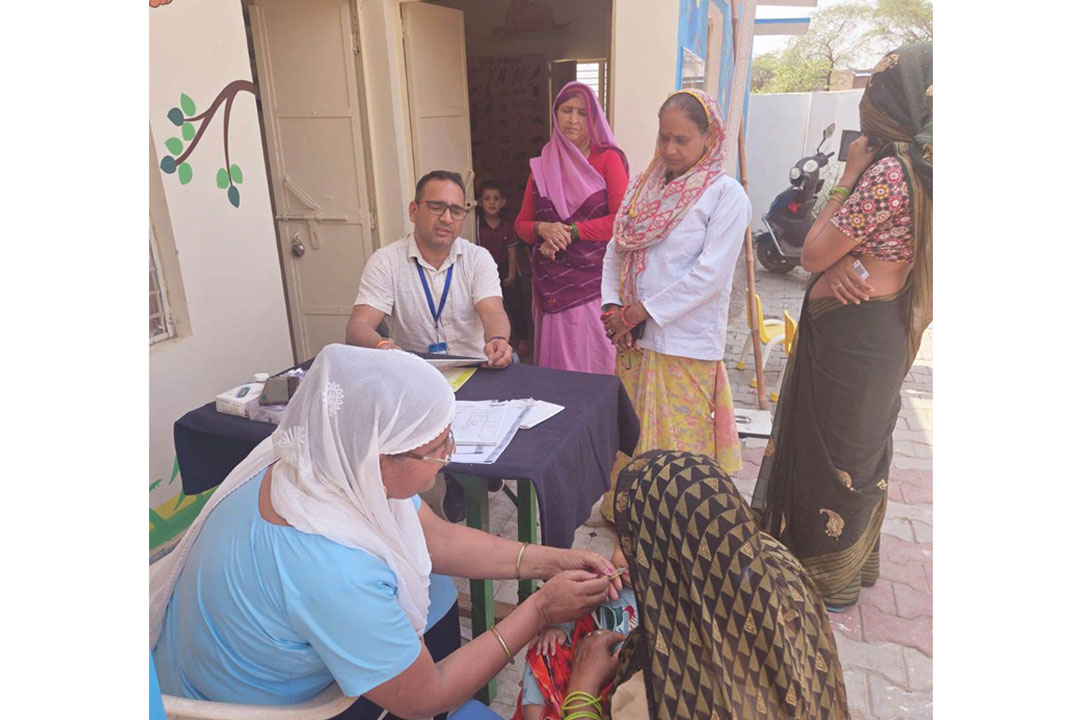
Long-standing hesitancy
Deeg lies in the larger Mewat belt, home to the Meo community, a culturally distinct Muslim community, among whom apprehensions about vaccines have been a long-standing concern.
According to Dharamvir Singh, the district’s Immunization Officer, health workers have struggled for years to convince Meo families to vaccinate their children.
Misinformation connecting vaccines to fertility issues, religious objections, and general mistrust of government programmes kept immunisation levels low despite official reports suggesting otherwise.
“Nearly 90% of our population lives in the Mewat region, and vaccine resistance has always been a major challenge,” said Dharamvir Singh. “There are several misconceptions in the community, and many families simply refuse to get their sons and daughters vaccinated.”
Local health workers say that people of the Meo community here tend not to have high levels of formal education, and convincing them that vaccines have been proven safe and effective was not easy.
Avoidable consequences
That created the conditions for diphtheria, a bacterial infection that has been vaccine-preventable for over a century, to spread rapidly. But the deaths of children made people reconsider the need for vaccination.
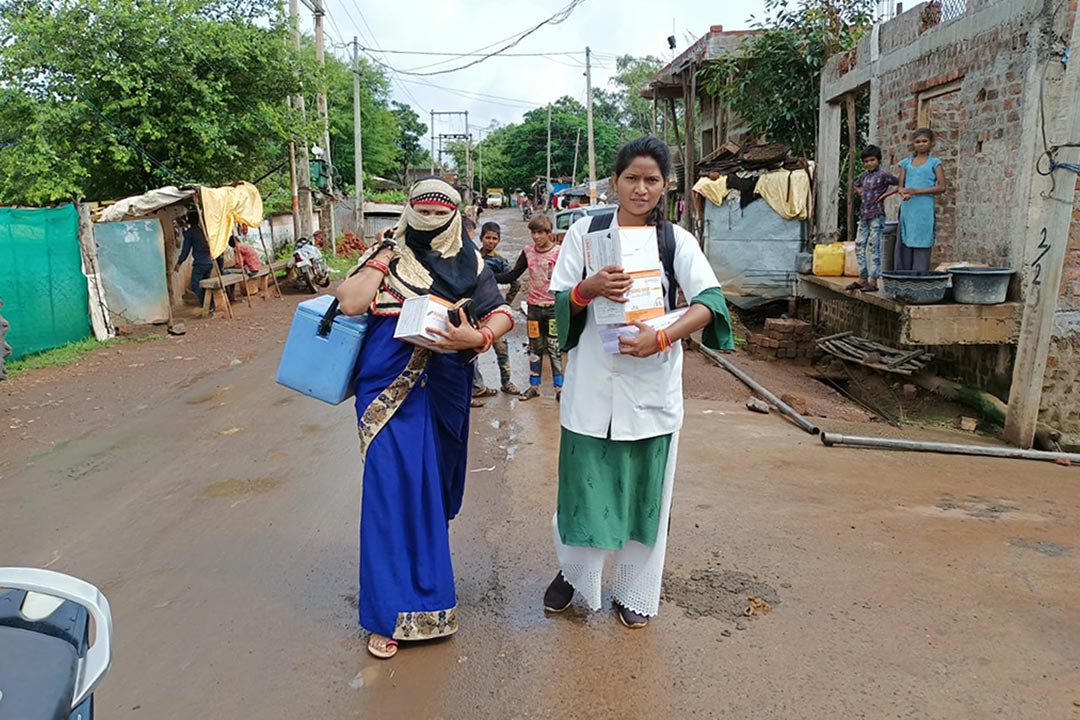
When the first cases emerged, health authorities knew to take the threat seriously. “As soon as we saw cases rising, we formed rapid response teams and went village to village to identify cases. Our entire focus shifted to the field,” Singh recalls. “We didn’t wait for lab confirmation. The moment a paediatrician clinically suspected diphtheria, we administered anti-diphtheria serum immediately – and that decision saved lives,” he adds. “Outbreaks can happen, but we were clear: we cannot allow further deaths.”
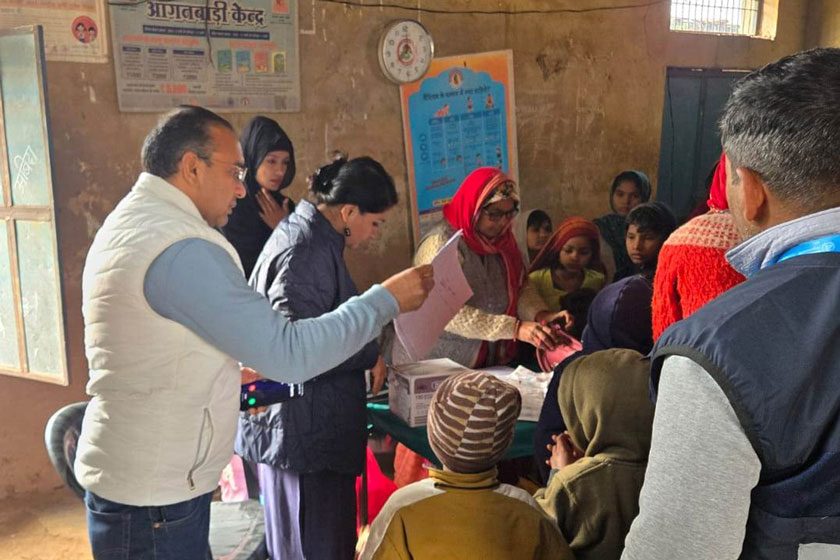
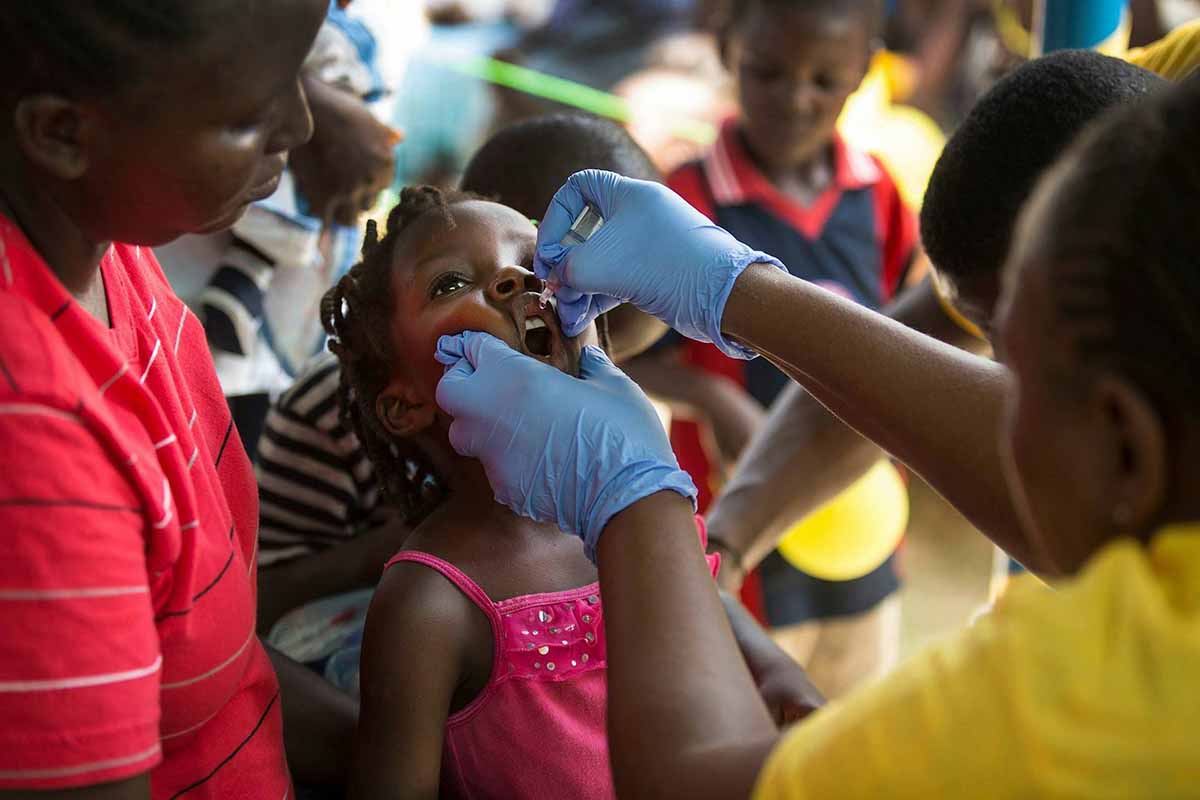
Nazia B, a 30-year-old woman in Khurja village, Kama block, has since resolved that her children are safer immunised. “Now I’m getting my children all the vaccinations they need. I know that if we don’t, we’re doing them a disservice. It could even cost them their lives. I’m advising others to get their children all the vaccinations they require,” she said.
Other women in the area say they agree with her.
The atmosphere changed
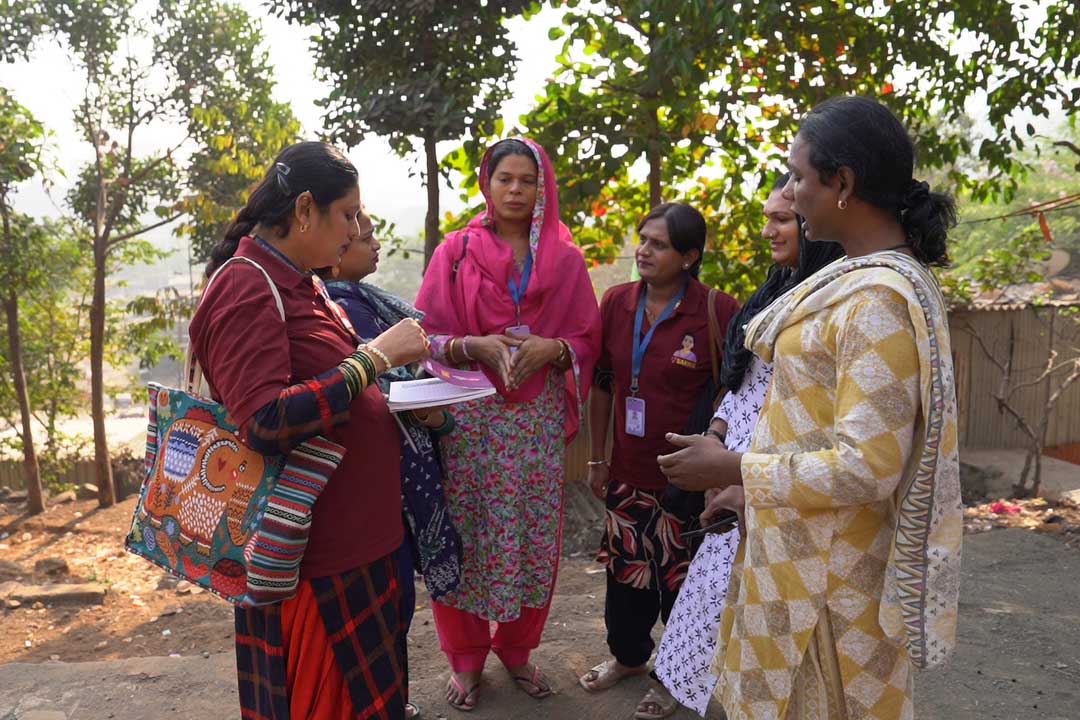
Auxiliary Nurse-Midwife (ANM) Manju Singh, who worked in one of the worst-hit areas near Neemla, has had a front-row view of the changes in Deeg.
She said convincing parents to vaccinate their children was extremely challenging in the beginning. “At first, people believed vaccination went against their religious beliefs. We had faced similar objections during polio and measles campaigns,” she explains.
Have you read?
But once the first deaths occurred, the atmosphere changed. Fear and anxiety spread through the villages as families realised the disease had reached their own neighbourhoods.
“We immediately reached out to religious leaders and explained the gravity of the situation,” Manju says. “When the imam began making announcements from the mosque supporting vaccination, families started trusting us. They realised there was nothing wrong in getting the vaccine.”

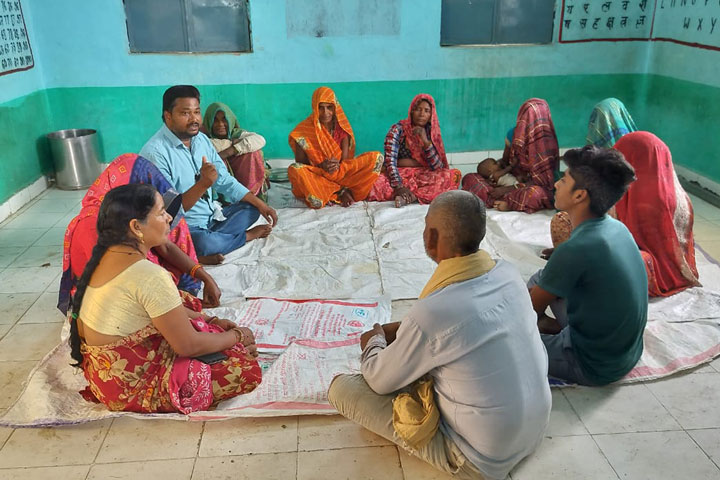
Along with this, health workers organised small meetings with groups of ten families at a time, so they could speak directly to parents and explain the significance of vaccination. “Slowly, people’s attitudes began to change, and children started coming for their doses. That’s when we felt that the real transformation had begun,” she says with a smile.
Fake reporting of vaccinated children
The prevalent attitude to vaccination was not the only factors that made Deeg vulnerable. Deeg was carved out of the old Bharatpur district in 2023, so there was a lack of administrative and health infrastructure. Ground health staff were not deployed at various places around the district.
Moreover, the data describing the district was far from perfect. Vijay Singhal, Chief Medical and Health Officer (CMHO), Deeg, said, “Although vaccination coverage was shown as 102% in the district, yet diphtheria spread.
“We found that many children had not actually been vaccinated; the doses were only marked online. Diphtheria cases were reported among children aged five to ten. That means the fake reporting must have happened five to ten years ago,” said Singhal.
“When children died, we understood the seriousness immediately. There was media pressure, teams from higher offices arrived, and phone calls kept coming. We worked day and night to control the situation.”
“We formed a three-tier monitoring system and ensured every ASHA and ANM visited every household. No child with fever or throat symptoms was to be missed under any circumstances,” he added.
For some, however, it was too late. Mohammad Arif of Khurja village breaks down in tears as he remembers his son. He says, “The child initially had a slight cough. We took him to a private doctor in the village. No one told us it could be diphtheria. When his condition worsened, we took him to Alwar [a nearby town], but it was too late. We saw him die before our eyes.”
Arif says he still regrets not having his children vaccinated in time: “I too believed the hearsay,” he said.