
Why multidose-vaccine vials could be a game-changer for global RSV prevention
WHO has given its stamp of approval to a multidose formulation of the maternal RSV vaccine for protecting infants. Here’s why it matters.
- 7 September 2026
- 4 min read
- by Linda Geddes
At a glance
- The World Health Organization has prequalified a multi-dose vial presentation of the maternal respiratory syncytial virus (RSV) vaccine.
- Multi-dose vials can make vaccination more affordable and practical in lower-income countries by reducing the cost, packaging, cold chain space and medical waste associated with each dose.
- RSV is a leading cause of severe respiratory illness, hospitalisations and death among infants and young children worldwide, particularly in lower-income countries.
The World Health Organization (WHO) has given its quality stamp of approval to a multi-dose version of the maternal RSV vaccine, RSVpreF (Abrysvo) – a major step towards protecting more babies from one of the world’s leading causes of serious respiratory illness and pneumonia worldwide.
Multi-dose vials are expected to make maternal RSV vaccination more affordable and easier to deliver, particularly in countries supported by Gavi, the Vaccine Alliance.
What is WHO prequalification and why does it matter?
WHO prequalification is a process that checks whether vaccines and other medical products meet strict international standards for quality, safety and efficacy.
It is particularly important for Gavi-supported programmes, as vaccines generally need to be WHO-prequalified before UN agencies such as UNICEF can procure them for countries.
In March 2025, WHO prequalified the world’s first maternal vaccine against respiratory syncytial virus (RSV), but this only applied to its single-dose presentation, where each vial is discarded after use.
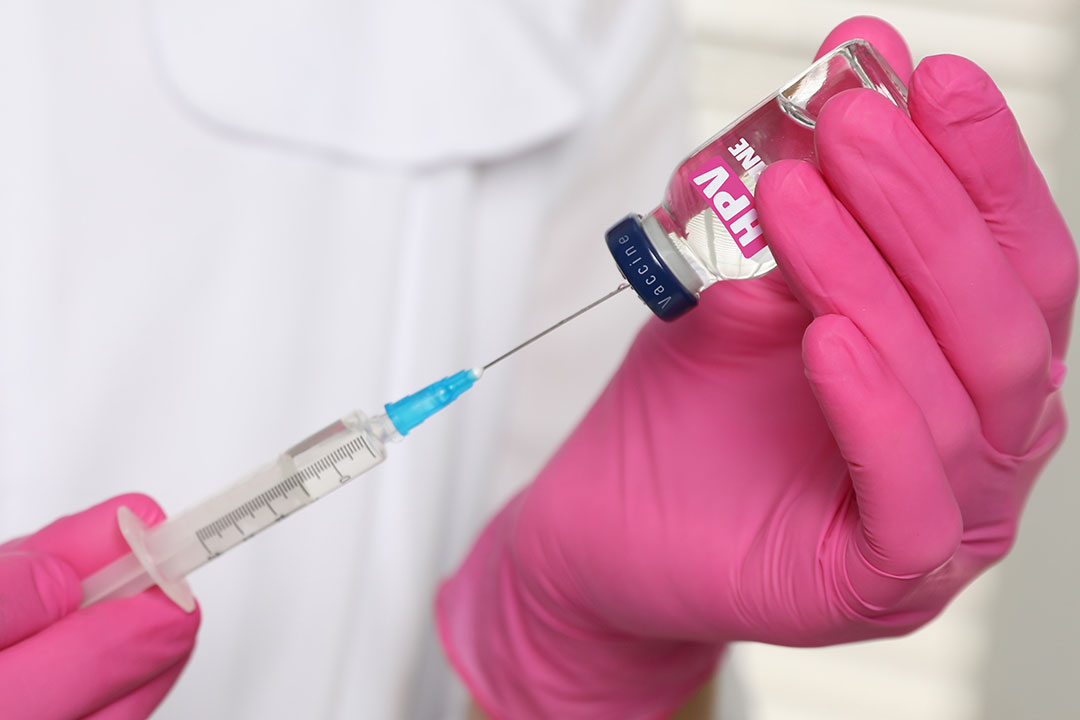
Multi-dose presentations contain several doses within a single vial and can be used to immunise more than one person, provided a sterile needle is used to draw each dose, and the opened vial is stored appropriately and discarded within a specified time.
However, turning a single-dose vaccine into a multi-dose product can involve changes to the vaccine’s formulation and packaging, which may require additional immunogenicity and stability testing to demonstrate that the product remains safe, effective and stable in its new presentation.
Multi-dose formulations therefore require a separate prequalification assessment: one that a multi-dose presentation of the Abrysvo vaccine has now passed.
Why are multi-dose vaccine vials so important in lower-income settings?
While single-dose vials provide a safe and convenient way of transporting and administering vaccines, they are often less well-suited to lower income settings, where budgets, cold-chain capacity and medical waste disposal systems may be constrained.
Have you read?
Vaccines must be kept refrigerated during their journey from the factory to people’s arms, but cold chain storage can be limited in lower-income settings.
Putting multiple doses into a single vial takes up less space and requires less packaging than the same number of doses in separate vials. It can also reduce packaging and transportation costs, with those savings often translating into a lower price per dose.
Once the vaccines have been administered, it also reduces the amount of medical waste that clinics are left to dispose of.
What difference could a multi-dose RSV vaccine make to global infant health?
RSV causes an estimated 33 million lower respiratory tract infections, 3.6 million hospitalisations and 100,000 deaths among children under five each year, with babies particularly vulnerable during their first year of life.
Around 97% of RSV-related deaths occur in lower- and middle-income countries, with many infants dying at home before they can reach a medical facility.
The maternal RSV vaccine is designed to be given to women during late pregnancy to protect their infants against severe RSV disease during their first six months of life, through the transfer antibodies from mother to baby before birth.
The vaccine has already substantially cut RSV-related hospital admissions in countries where it has been introduced, and WHO recommends that all countries introduce either maternal RSV vaccination or long-term acting monoclonal antibodies to protect newborns from this leading cause of serious illness and death.
In July 2025, Gavi agreed to make funding available to support the introduction of maternal RSV vaccination in eligible countries, and has been working with partners to lay the groundwork for its roll-out. However, this programme couldn’t move forwards until a multi-dose formulation had received WHO prequalification.
“This is a key milestone for RSV and, more broadly, for pneumonia prevention and reducing infant mortality globally,” said Ignacio Esteban, Senior Policy Manager and incoming Head of Adult & Adolescent Vaccines Portfolio at Gavi.
“Last year, Gavi approved the inclusion of the maternal RSV vaccine in our vaccine menu, allowing countries to apply for support. However, this was conditional on the availability and WHO prequalification of the multi-dose vial, which countries have been anticipating and preparing for.
“Now that this formulation has received WHO’s quality stamp of approval, we look forward to countries being able to turn those preparations into action – protecting more babies from RSV during their first, most vulnerable months of life and reducing infant mortality and hospitalisations globally.”
More from Linda Geddes