
Turn up the music and hide the needle: science-based strategies to make vaccination less stressful
New guidelines identify 17 evidence-based strategies for reducing pain and distress during vaccination.
- 21 September 2026
- 5 min read
- by Linda Geddes
At a glance
- A Canadian organisation dedicated to improving the vaccination experience has published updated guidelines outlining 17 evidence-based strategies for managing pain, fear and distress during vaccination.
- The guidelines recommend vaccinators keep needles out of sight, inject quickly and give the least painful vaccine first when multiple shots are needed.
- Caregivers and people receiving vaccines can also use other strategies such as listening to music or using forms of distraction, numbing or stimulating the injection site.
Getting vaccinated doesn't have to be frightening. A new set of guidelines presents 17 evidence-based strategies for managing pain, fear and distress during vaccination.
Published by Help Eliminate Pain in Kids & Adults, a Canadian organisation dedicated to improving the vaccination experience, the guidelines offer practical advice for health system leaders, clinicians, patients and those accompanying them.
Simply chatting to distract someone isn’t recommended as this could inadvertently slip into excessive reassurance, or the use of fear-provoking words.
“The goal is to make vaccination a more positive experience, reduce fear and help people feel more comfortable getting vaccines in the future,” said guideline co-author Dr Anna Taddio at the University of Toronto and The Hospital for Sick Children in Toronto, Canada.
Why do pain and fear during vaccination matter?
Fear of needles affects up to two thirds of children and adults to some degree, contributing to vaccine hesitancy and refusal in around 10% of people.
For those who do make it to the clinic, injection-related distress can also increase the risk of dizziness and fainting.
HELPinKids&Adults published its first guidance for reducing vaccination-related pain and distress in 2015. Since then, new evidence has emerged on how best to handle this, while falling vaccine uptake among adults and children in some regions has increased the need to make vaccination a more positive experience.
To update the guidance, researchers reviewed evidence from 201 different studies to come up with 17 recommendations covering everything from how quickly vaccines are injected and in what order, to music and other distraction techniques. Here are some of the key ones.
What can vaccinators do to reduce pain and distress?
Inject vaccines quickly, without pulling back the plunger: Traditionally, some vaccinators pulled back slightly on the syringe plunger after inserting the needle to double-check it hadn’t accidentally entered a blood vessel – a practice known as aspiration.
The downside is that the injection takes longer, increasing the opportunity for the person receiving it to move and potentially be injured.
However, commonly used injection sites in the arm or thigh don’t contain large blood vessels and many countries now recommend injecting vaccines quickly, without aspirating instead.
The guideline authors found no evidence in the studies they reviewed that this was harmful and it substantially reduced distress.
Keep needles and other equipment out of sight: For some people, simply seeing a needle or other vaccination equipment can trigger fear or anxiety before the injection has begun.
The guidelines therefore recommend keeping such equipment out of sight, e.g. by storing needles behind a tabletop divider and keeping them covered until the moment of injection, and positioning people to face away from needles.
The same principles apply to caregivers accompanying the person being vaccinated.
During the injection itself, some people find it helpful to look at the needle. This choice should be respected if they do.
Give the least painful vaccine first: Some vaccines are known to cause more discomfort than others, due to their composition, volume and how or where they are injected.
When several vaccines are given during the same appointment, the guidelines recommend starting with the least distressing one, because the pain and fear caused by an earlier injection can heighten distress during those that follow.
Give people information about what can help: The guidelines recommend educating everyone involved in vaccination, including clinicians, vaccine recipients and those accompanying them, about evidence-based ways of reducing distress.
Vaccinators should also ask about needle fears and previous issues during vaccination, such as dizziness or fainting, so they can tailor their approach.
Asking people about these symptoms in a neutral way does not make them more likely to experience them, the authors said.
What can people do to help themselves or their child?
Numb or stimulate the injection site: For babies under 12 months, the guidelines recommend offering caregivers a choice between applying a topical anaesthetic to numb the injection site or gently tapping the skin.
Tapping is thought to provide a competing touch sensation that dampens pain signalling and distracts from the injection.
For older children and adults, the guidelines also recommend topical anaesthetics, although numbing creams typically need to be applied about an hour in advance, so advance planning may be necessary.
Have you read?
Other options include applying pressure with a thumb or device, tapping, vibration or a cold or cooling spray – although the evidence supporting them is less certain.
Taking an oral painkiller such as paracetamol or ibuprofen beforehand is not recommended, as these may interfere with the effectiveness of some vaccines and there’s little evidence they reduce needle-related distress.
Manually rubbing near the injection site also isn’t recommended, as evidence that it reduces distress is low or uncertain, and better options are available.
Feed or soothe babies during vaccination
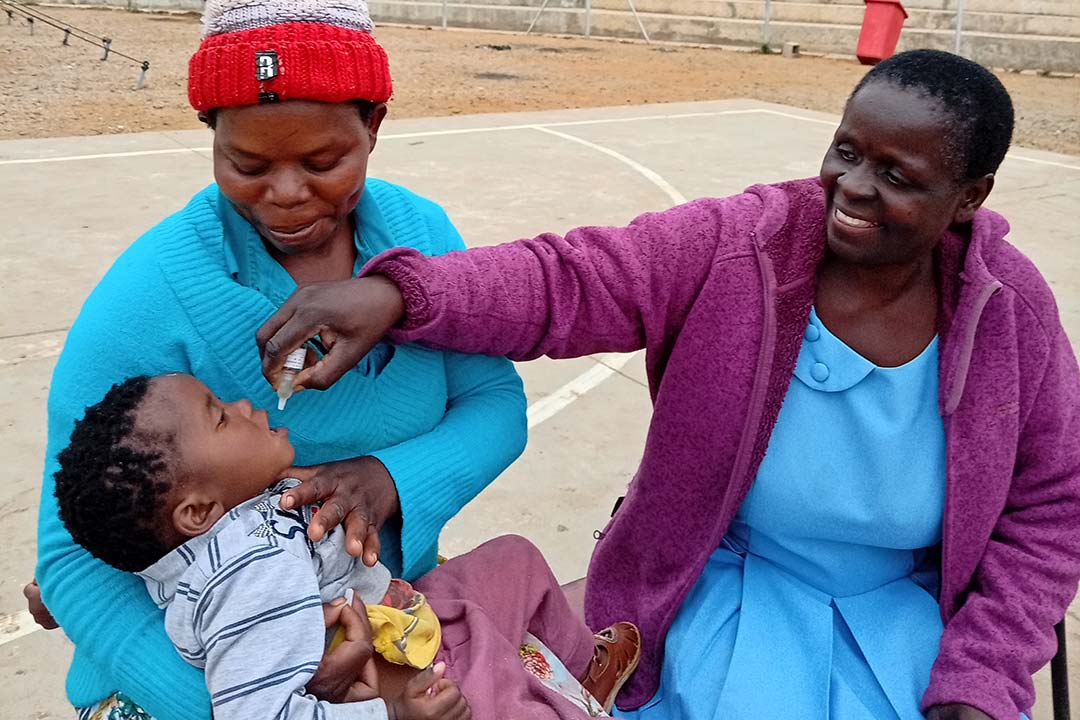
Feeding or sucking can help to reduce distress in babies, so the guidelines recommend offering caregivers the choice of breastfeeding, bottle-feeding or providing a dummy (pacifier). This should ideally begin before the injection and continue during and afterwards.
Giving babies a small amount of a specially prepared glucose or sucrose solution before the injection can also reduce distress, although this recommendation doesn't extend to sweet-tasting substances more generally, the authors said.
Use distraction
Distraction can help shift attention away from the injection to something more pleasant or interesting.
For babies, the guidelines suggest singing or providing a toy such as a rattle. For older children or adults, music can be a good distraction, although other options could include digital activities or games, a video or toy.
Simply chatting to distract someone isn’t recommended as this could inadvertently slip into excessive reassurance, or the use of fear-provoking words.
However, if someone asks to be chatted to about something they enjoy, this should be respected.
Find a comfortable position
How someone sits or is held during vaccination can also affect their level of comfort.
For babies, the guidelines recommend being held by and having and physical closeness with their caregiver. For older children and adults, a comfortable upright position is recommended.
The guidelines advise against forcibly restraining people during vaccination, as this can escalate distress and potentially cause psychological trauma.
Those with a tendency to become dizzy or faint may prefer to lie down, while a technique involving repeatedly tensing and relaxing major muscle groups can also help to maintain blood pressure and reduce the risk of fainting.