
Eight lessons from the Big Catch-Up on childhood vaccination
Launched in 2023 to help reverse pandemic-related declines in childhood immunisation, the Big Catch-Up showed that children who miss out on vaccines can still be reached.
- 29 September 2026
- 10 min read
- by Gavi Staff
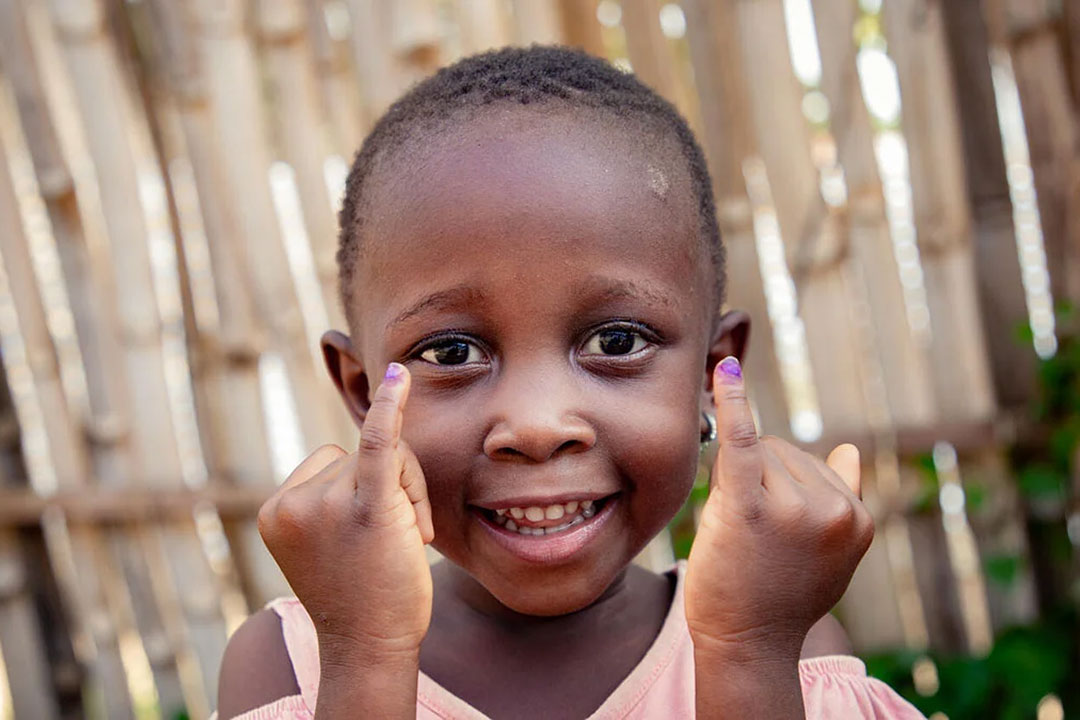
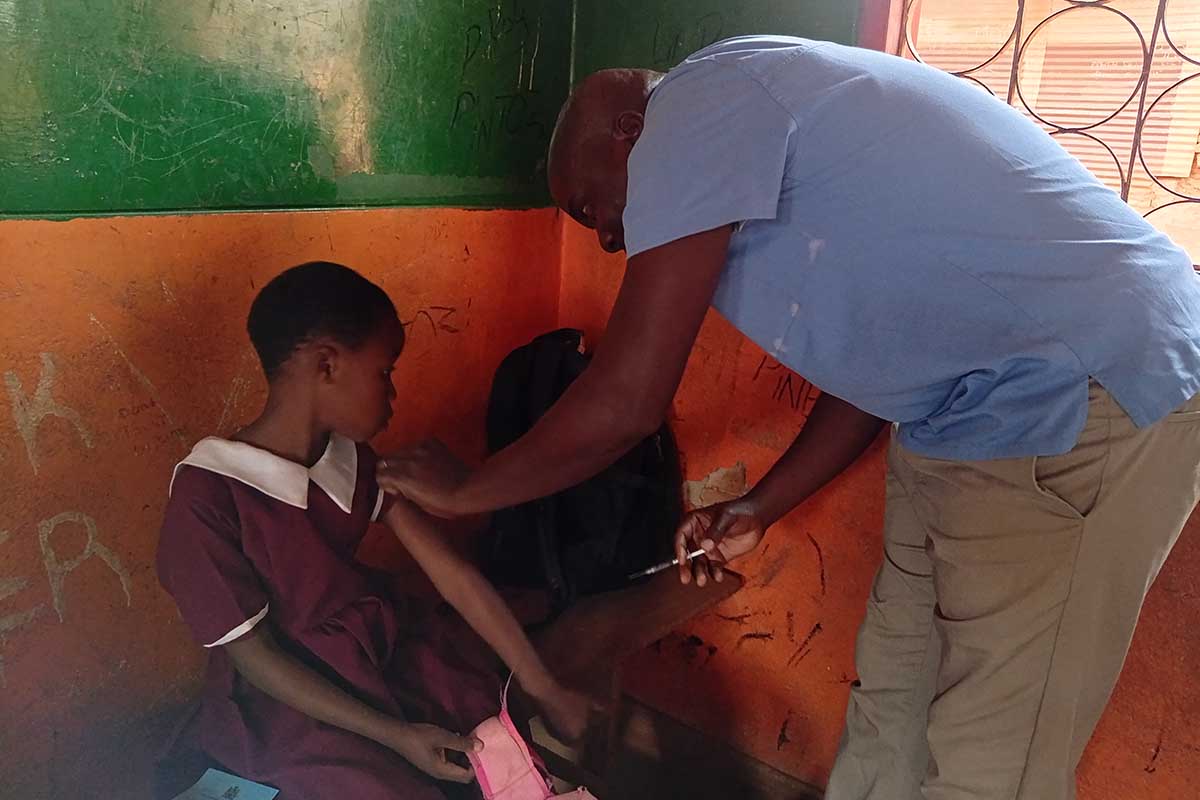
When the Big Catch-Up launched in 2023, many of the children it sought to reach were no longer infants. In Ethiopia’s Ambassel district, health worker Meseret Belay regularly walked for hours across mountainous terrain to vaccinate children who had missed routine immunisations months or even years earlier.
Similar efforts played out across 36 countries as governments, communities and partners worked to close immunity gaps that had widened during the COVID-19 pandemic. By the initiative’s end, 21 million children had received catch-up vaccinations.
But the Big Catch-Up’s legacy extends beyond those numbers. As well as showing that reaching missed children is possible, it offers a blueprint for making catch-up vaccination a permanent part of resilient immunisation programmes.
This matters, because although the Big Catch-Up has ended, the need for catch-up vaccination – as well as sustained efforts to reach missed communities and children who have never received any vaccines – has not.
The challenge now is to build on the Big Catch-Up’s gains, strengthening the systems both to deliver childhood vaccinations on time, and to identify and reach children who continue to miss vaccinations for any reason.
A new report examining the Big Catch-Up's implementation in five countries offers lessons for this next phase, assessing what worked, what hindered progress and how catch-up vaccination can become part of routine immunisation.
Here are eight key lessons that could strengthen countries’ ability to reach missed children in the future.
1. Missing a vaccine doesn’t mean a child is lost to immunisation
Although routine childhood vaccines are generally scheduled at specific points during infancy,1 missing that first opportunity doesn’t mean it is too late to protect a child.
One of the clearest lessons from the Big Catch-Up is that with sustained and concerted effort, large numbers of older children can be found and vaccinated. Many of these lessons also apply to routine immunisation and could therefore help to strengthen efforts to reach missed communities more broadly.
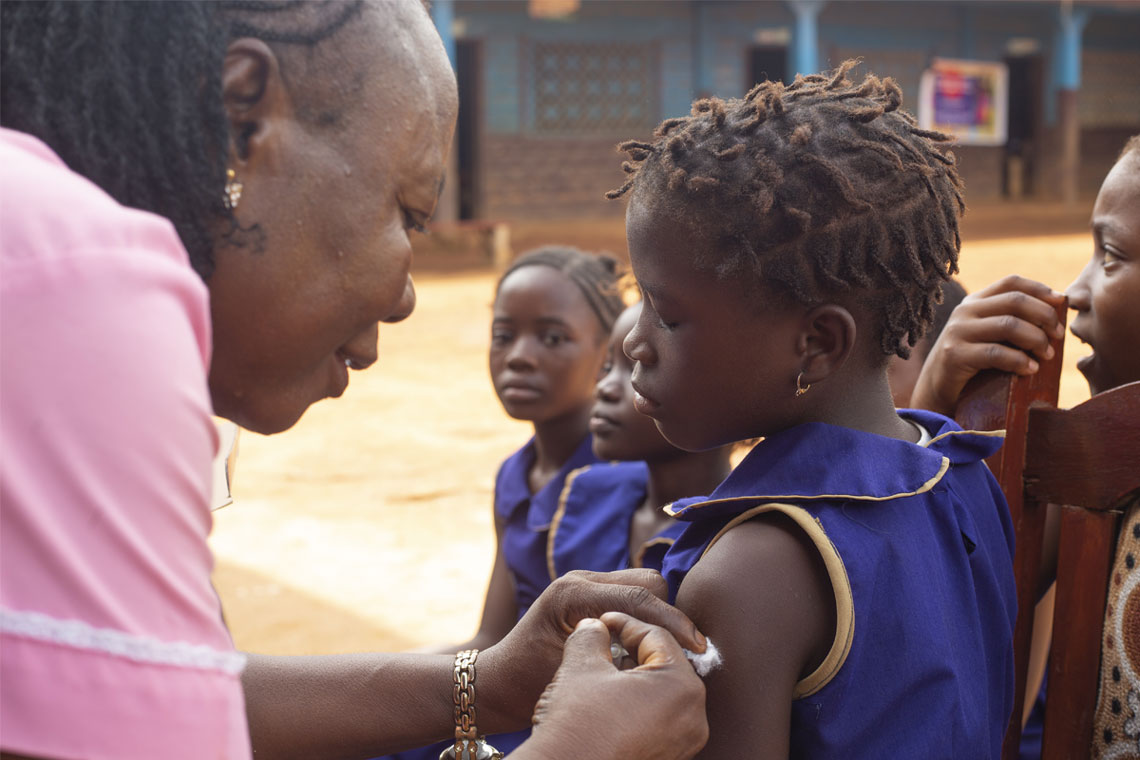
By the time the Big Catch-Up concluded on 31 March 2026, some 21 million children aged one to five years across the 36 countries had received an estimated 159 million catch-up vaccine doses through the initiative.
Of these, more than 14.3 million were “zero-dose children” who had never previously received any vaccines, and more than 17.2 million were children aged 12–59 months who had never received a measles vaccine.
Twelve participating countries reported reaching more than 60% of all zero-dose under-fives who had previously missed their first dose of a diphtheria, tetanus and pertussis-containing vaccine (DTP).
“As the largest ever international effort to reach missed children with life-saving vaccines, the Big Catch-Up shows what is possible when governments, partners and communities work together to protect the most vulnerable in society,” said Dr Sania Nishtar, CEO of Gavi, the Vaccine Alliance.
“Thanks to this accomplishment, not only are millions of children now protected from preventable diseases, but so are their communities for generations to come.”
2. Some communities remain hard to reach
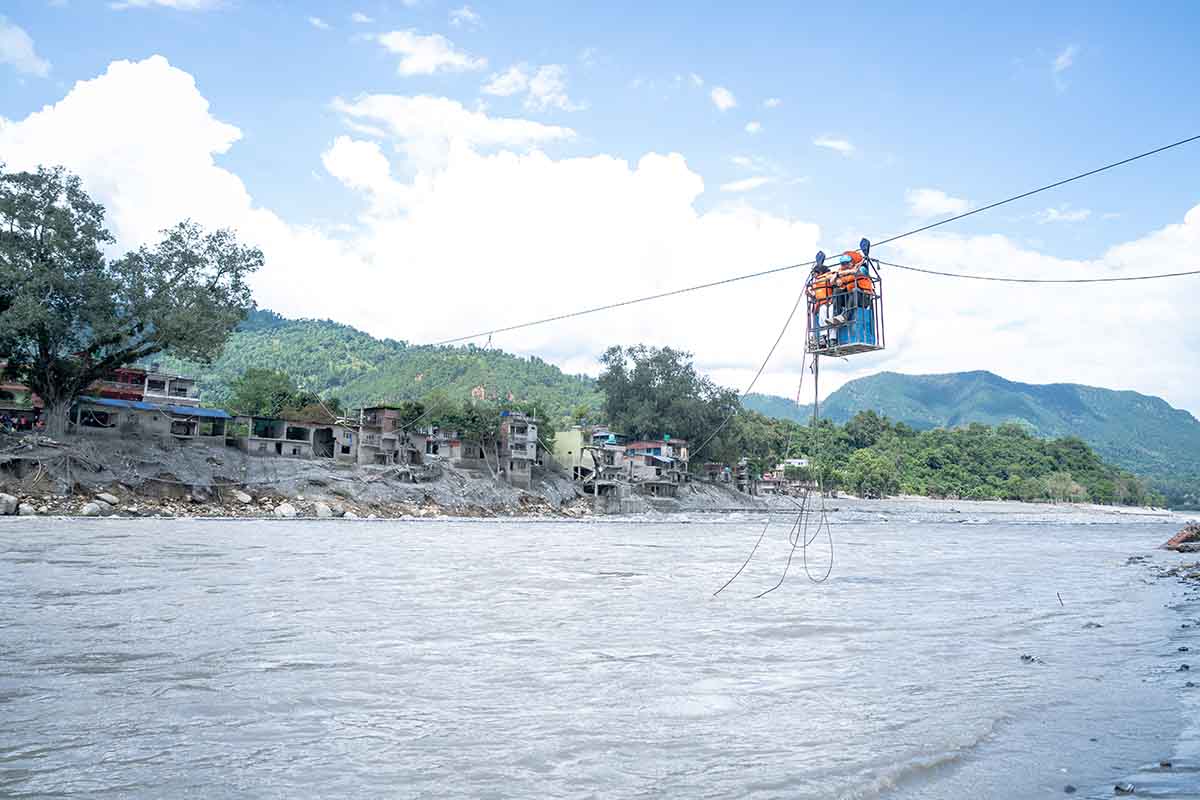
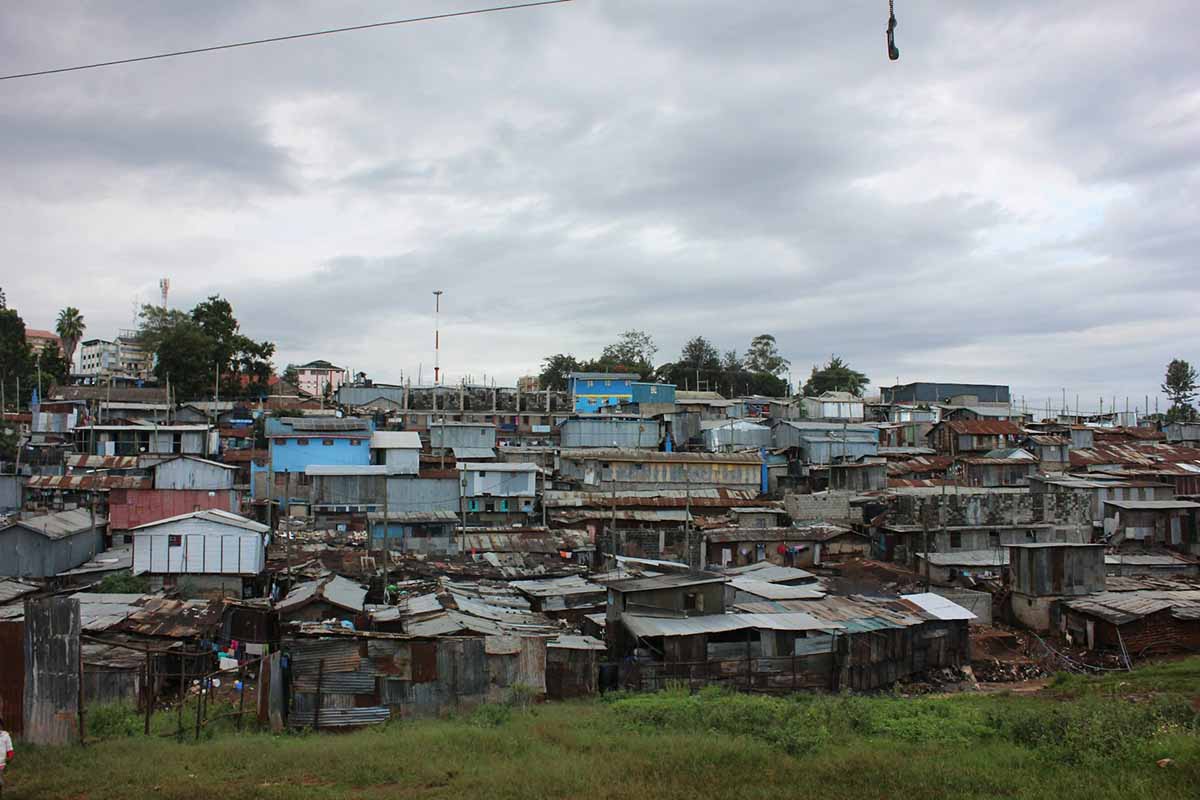
Successful as the Big Catch-Up has been, some children remain un- or under-vaccinated. In many cases, these children live in under-served communities where geographic, social or logistical barriers continue to limit access to vaccination services.
“One of the most important lessons from the Big Catch-Up is that we need sustained efforts to reach children who have been missed by routine immunisation services. Many live in hard-to-reach or underserved communities, so having strong catch-up policies in place is essential. These policies give health workers the flexibility to find and vaccinate missed children, even when they are older than the recommended vaccination age,” said Emmanuella Baguma, Gavi’s Senior Country Manager for Ethiopia.
To better understand what could be learned from the Big Catch-Up, country researchers working with the Alliance for Health Policy and Systems at WHO examined how the initiative was implemented in five participating countries – Cameroon, Nigeria, Pakistan, Tanzania and Yemen.
One of their conclusions was that the remaining catch-up burden is now “smaller but more complex” because many underlying conditions for missed doses have not changed, and new infants are born into these conditions.
Their analysis suggested that persuading families to seek vaccination and making it easier for them to access services isn’t the only challenge. Inconsistent outreach, cancelled sessions and staff shortages can also leave children unprotected, while transport and safety concerns can make it difficult for health workers to travel to remote or insecure communities.
3. Reaching missed children looks different in different contexts
The report suggests that one of the keys to reaching missed children during the Big Catch-Up was flexibility.
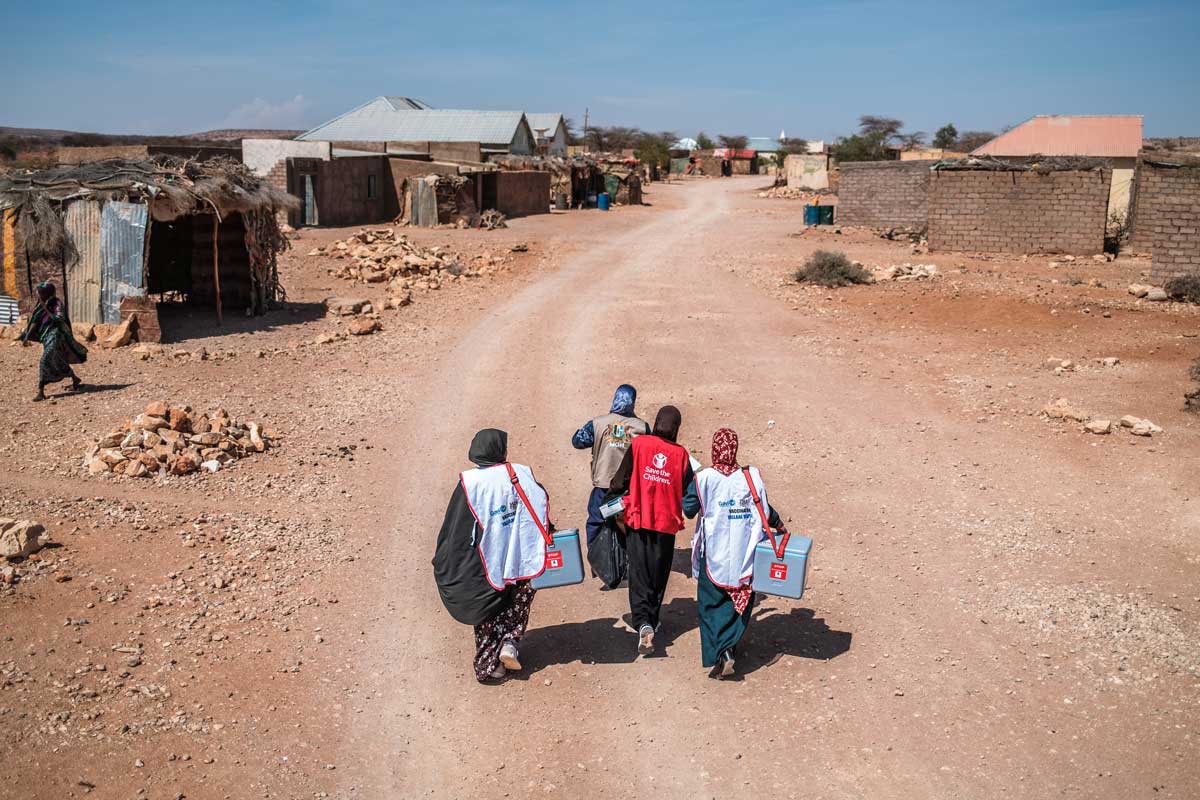
All five countries combined vaccination service delivery strategies with different approaches depending on the populations they were trying to reach, including fixed vaccination sites, mobile teams, outreach sessions and vaccination delivered alongside other health services.
Screening was an important component to assess which doses eligible children were missing, or whether a child was up to date for their age and no doses were needed. Community health workers and volunteers played important roles in mapping and screening in some contexts.
Countries also adapted their service delivery strategies as they learned what worked locally.
In Nigeria, vaccination sessions were scheduled around agricultural cycles to make them more convenient for families.
In Tanzania, approaches included home-based vaccination in Zanzibar, while local leaders were enlisted to build acceptance among pastoralist communities.
While such efforts were not always implemented consistently, e.g. because of funding constraints or too few community mobilisers, the report highlighted the importance of tailoring catch-up efforts to the needs of individual communities.
4. Fragile and conflict-affected settings demand different approaches
Insecurity, displacement and damaged infrastructure can disrupt both routine immunisation and catch-up efforts.
In conflict-affected regions of Cameroon, for instance, limited transport and high travel costs made it difficult for families to reach health facilities, including fixed vaccination sites, while health workers also faced difficulties operating in these areas.
To overcome such problems, health teams in Cameroon used flexible approaches, including door-to-door outreach and so-called “hit-and-run" vaccination, in which health workers made short, rapid visits into dangerous areas.
Have you read?
They also used geolocation and population-mapping tools to identify highly mobile communities, including places hosting people displaced by conflict, enabling vaccination teams to target their efforts more effectively.
In southern Yemen, meanwhile, limited and poor-quality population data made it difficult to plan and target vaccination efforts, while the fragile nature of the area’s health system meant its starting point for routine immunisation was weaker.
Efforts to overcome some of these challenges included drawing on an existing network of 50,000 community health workers and volunteers to screen and refer children for vaccination, while an electronic immunisation registration system is now being piloted.
5. Strong leadership needs to be backed by resources
All five countries covered by WHO’s report demonstrated strong political support for the Big Catch-Up.
This national leadership was complemented by partnerships at the local level, with religious and community leaders helping to build trust and counter misinformation, and community health workers providing an important link between health systems and families who might otherwise have been missed.
However, catching up children across several missed birth cohorts required additional vaccine doses and funding, as well as considerable time and effort from health workers, supervisors and community volunteers. It also required health workers to be trained to identify older children who had missed vaccinations, work out which doses they needed, and record and report these correctly.
Maintaining this safety net will therefore require sustained commitment and continued investment in health worker training and support, data systems and community partnerships.
6. Better data can help to find missed children, but systems must be able to track them
You can’t vaccinate missed children if you don’t know who they are, yet in many countries, data systems do not track individual children’s vaccination records.
For monitoring purposes, systems have traditionally focused on children under two in alignment with routine immunisation schedules.
The Big Catch-Up prompted countries to adapt by modifying existing reporting and recording systems to capture doses given to older children and, in some settings, digitising monitoring tools .
Countries that incorporated catch-up monitoring into existing digital and paper-based systems from the outset experienced fewer problems with consistent data and reporting, whereas those that did not ended up with systems that didn’t work well together and backlogs of data that had to be reconciled later.
Countries also used data to adapt their efforts as they went along. Real-time monitoring, regular review meetings and supportive supervision helped teams to identify bottlenecks, track progress and redirect activities accordingly.
But challenges remain. Poor internet connectivity, delayed data flows and gaps in disaggregated reporting limited real-time monitoring and accuracy in some settings, while tracking children who move between areas, including displaced and other mobile populations, remains difficult.
The report concluded that sustaining the gains from the Big Catch-Up will require continued investment in both digital and paper-based information systems.
7. Families need to know that it’s not too late to catch up
In many settings, caregivers were unaware that older children remained eligible to receive missed doses, so countries employed various strategies to communicate this message, including mass media campaigns, radio broadcasts, school-based communication and engagement with traditional and religious leaders.
Boosting awareness among community health workers and vaccinators also played an important role in identifying missed children and engaging families. These activities were often adapted to local contexts, while several countries developed tailored materials and messaging to address specific rumours or concerns that were circulating at the time.
On-time vaccination is and should always remain the goal to ensure the best protection, but this can be complemented by catch-up vaccination when doses are missed.
Maintaining awareness about the importance of catch-up vaccination will require continued effort, as it adds another layer to vaccination messages that have come before.
8. Catch-up is part of a functioning and resilient routine immunisation system
Even though the Big Catch-Up is over, each year some children will miss vaccinations at the recommended age and require further opportunities to receive them.
“While timely vaccination remains the priority, catch-up should be an essential component of immunisation programmes, now more than ever,” said Stephanie Shendale, Technical Officer at WHO.
“It’s not just about COVID-19; there can be many different types of disruptions to routine immunisation and health systems, so having catch-up policies and plans in place to respond to emergent issues or crises is important, alongside year-round continuous catch-up vaccination through routine services.”
One of the simplest ways to achieve this is to treat every contact with the health system as an opportunity to check a child’s vaccination status and offer any doses they have missed.
During the Big Catch-Up, countries combined catch-up vaccination with other child health services such as Vitamin A supplementation, growth and nutrition screening, as well as using national polio or measles vaccination campaigns to reach children who had missed other vaccines.
The long-term goal should be to move away from intensive campaign-style vaccination rounds and towards making the identification and vaccination of missed children a routine part of immunisation and primary healthcare.
That transition is already under way, but it won’t happen overnight. “We’ve seen incredible progress across countries in updating recording and reporting tools, training health workers to check the immunisation status of older children, and other systems strengthening efforts.
“To support further institutionalising these gains, Gavi’s new Funding Guidelines encourage countries to consider planning for catch-up doses and invest in activities to reach previously missed children up to age five.
“Gavi is also providing targeted funding through its Fragility and Humanitarian Approach to support catch-up vaccination efforts in selected countries facing fragility and humanitarian challenges,” said Rita Kaali, Programme Manager at Gavi.
It’s worth it. As the Big Catch-Up showed, missing a vaccine at the recommended age doesn’t have to mean missing protection.
More from Gavi Staff