
Living with chronic hepatitis B in Kenya
More than 10% of the people living in Migori County’s fishing communities are infected with hepatitis B, a vaccine-preventable virus that can cause liver failure and cancer.
- 28 September 2026
- 6 min read
- by Joyce Chimbi
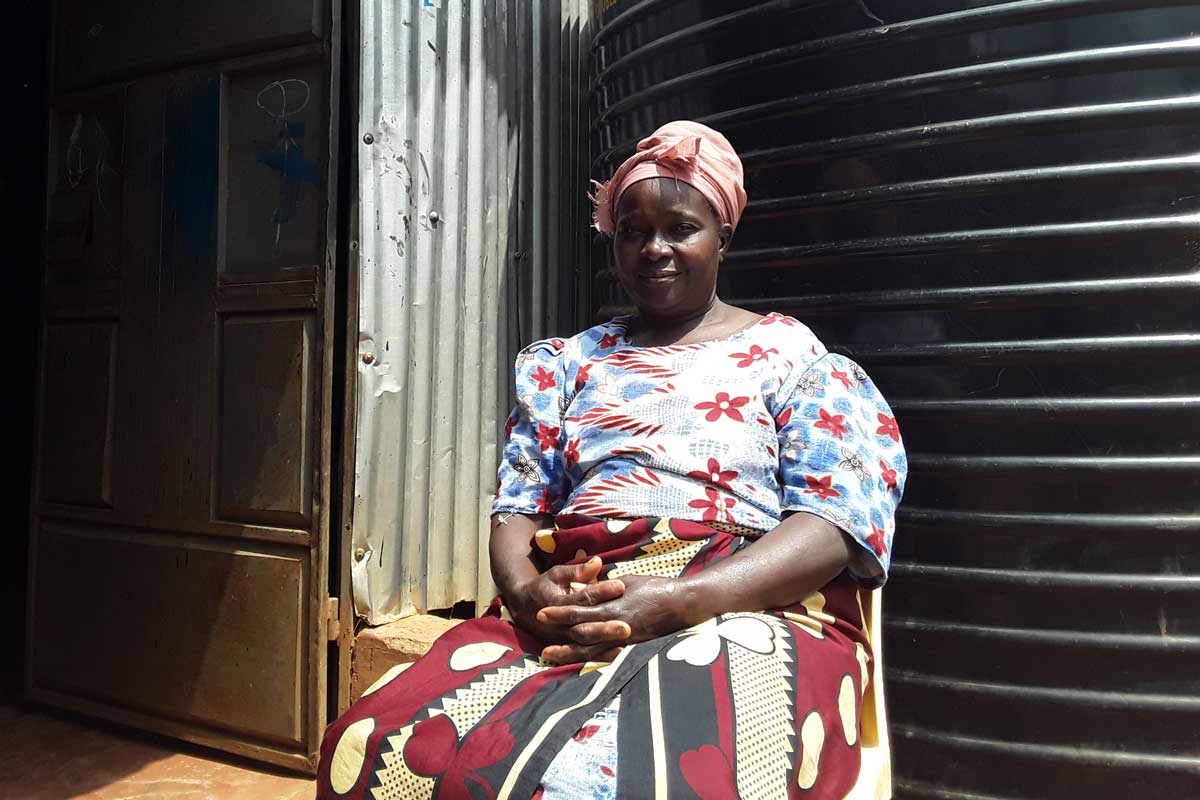
Melvin Onyango lives in Muhuru Bay, a town in Migori County, on the shores of Lake Victoria in Kenya.
Fishing is the heart of the economy here, putting food on tables and money in pockets, Onyango says. But it also sustains unsafe sexual networks. “Women do not catch fish, they sell it. In some cases, they can buy the fish with money or jaboya,” he says. Jaboya is a local transactional system of ‘sex for fish’ in the fishing communities along the lake.
Onyango believes it was that trade, involving unsafe sex, that led to his six-year long battle with chronic hepatitis B, a viral infection of the liver that puts him at risk of deadly liver failure and cancer.
Getting to grips
Onyango was orphaned by HIV/AIDS, “but I did not know there were other very serious diseases. It started with a lot of sweating, pain in the stomach, no appetite, joint pains and general body weakness. This is a malaria zone, so I was mistakenly treated for that and then typhoid for some time.”
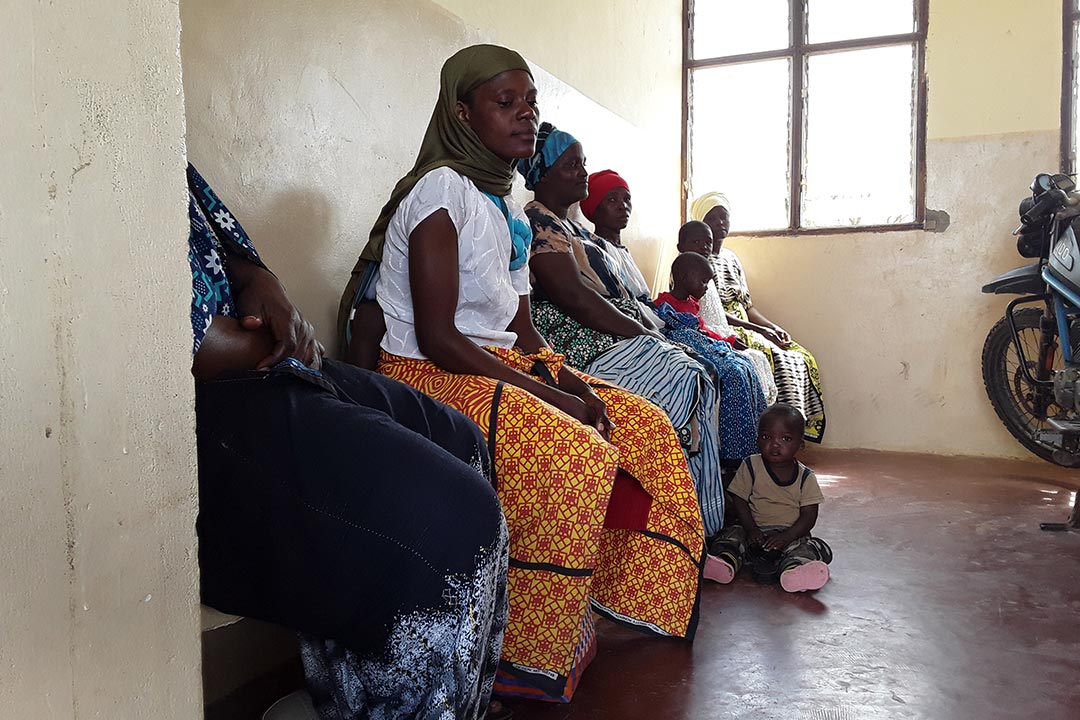
Odhiambo Ouma, a clinical nurse at Migori County Referral Hospital, says rural and lower-tier facilities such as Onyango’s village health centre regularly miss the hepatitis B virus.
Onyango’s condition worsened. The correct diagnosis was finally made at Migori County referral hospital. His wife tested positive too. There is no complete cure for the viral disease, but both were put on daily oral antivirals to suppress the viral load. So far, those drugs have protected them from liver failure and cancer.
Migori County has a hepatitis B prevalence rate of about 10% to 13%, significantly higher than the national prevalence of 3.5%, which itself places Kenya in ‘highly endemic country’ bracket. One third of all liver cancer fatalities worldwide are linked to infection with the virus.
Ouma has learned that the disease is largely transmitted mother-to-child during birth, through unprotected sex, and through contact with infected blood. He also says the widespread misconception that it can spread through casual contact like coughing, sneezing and hugging obscures the real risk, and therefore drives the high prevalence in his home area.
Have you read?
He attributes Migori’s hepatitis B rates to “polygamy, widow inheritance, jaboya, unsafe invasive traditional practices such us circumcision, unsterilised traditional dentistry, and cultural beliefs where those affected claim they were bewitched and refuse modern treatment”.
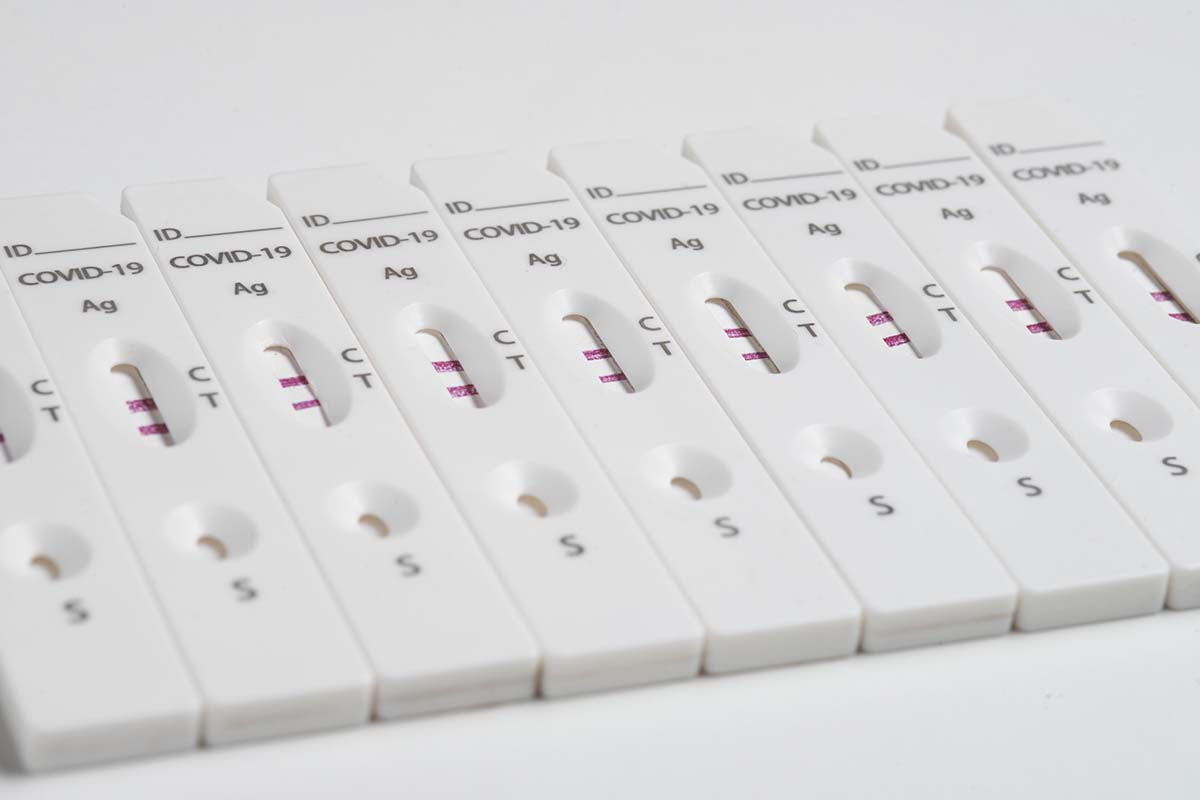
He warns that hepatitis B can be stealthy: many Kenyans remain completely without symptoms for many years even as the virus quietly damages the liver. Ouma urges people to “embrace regular testing especially through free medical outreach programmes run by the government and donors.”
Silent spread
“The government is fighting the disease by raising public awareness, and more so in most affected areas like Turkana, where one of the primary drivers is traditional piercings and tattoos; Baringo and Migori, where prevalence are highest at 16.8%, 11.9% and 13% respectively,” says Dr John K. Kamau, expert in infectious diseases at the Nairobi County’s Department of Health.
He notes that plans are underway to establish the country’s first dedicated hepatitis B research and treatment centre in Marigat, Baringo County, to be run by the Kenya Medical Research Institute (KEMRI) and the county government.
Dr Kamau says untreated hepatitis B is highly infectious, “with some studies showing that hepatitis B virus can be 100 times more infectious than the HIV virus”.
While approximately 1.56 million people are living with the hepatitis B virus in Kenya, he says less than 10% are diagnosed. Only about 22% of the people who have a proper diagnosis, or up to 35,000 people, are on the required care and treatment.
An estimated 1.56 million people are living with hepatitis B in Kenya, though just 10% of them have been diagnosed. Just 22% of the people with a diagnosis are in proper treatment.
The vaccine saves lives
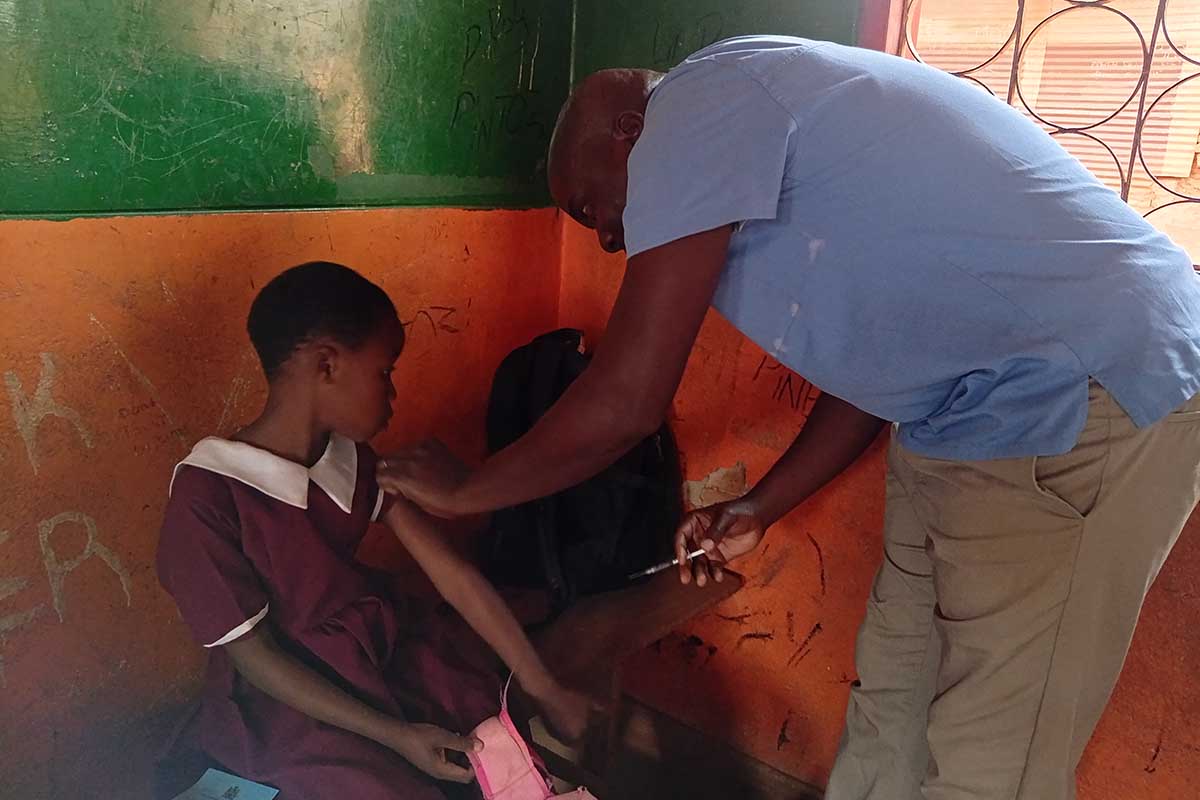
Hepatitis B vaccine was introduced in the early 1980s, and in Kenya, it was incorporated into the Expanded Programme of Immunization (EPI) in 2002. It’s highly effective, with a protective rate of approximately 95%. Kenyan infants receive it as standard as part of the pentavalent vaccine at 6, 10 and 14 weeks of age.
Preventing hepatitis B in the youngest age group is critical. Hepatitis B acquired in adulthood becomes chronic just 5% of the time, whereas infection in early childhood leads to chronic hepatitis in 95% of cases.
Global health organisations additionally recommend a “birth dose” – a dose of hepatitis B vaccine administered within 24 hours of birth. Dr Kamau says while the birth dose is currently not included in Kenya’s national immunisation programme, “introducing the vaccine is a priority issue for the government.
“When a mother is infected with hepatitis B, we can reduce chances of mother-to-child transmission by about 90% by giving the newborn a birth dose. The pentavalent vaccine for children, that protects against five deadly diseases including hepatitis B, also helps reduce the risk of infection.”
Overall, he says the most at-risk populations include health workers, patients requiring blood or blood products, intravenous drug users, people engaging in high-risk sexual behaviour, HIV-positive patients, pregnant women and infants born to infected mothers.
Targeted routine screening for hepatitis B and expanded adult hepatitis B vaccination is key, Kamau says. The adult vaccine is widely available in Kenya and offered for free, or highly subsidised, in public health facilities. While the national infant immunisation coverage is high, over 90%, adult uptake is significantly lower, with localised studies indicating rates typically ranging between 10% and 68%.
He says standard antiviral treatments for hepatitis B, like tenofovir, and monitoring tests, can either be paid for out-of-pocket or can be accessed for free through the government’s special programmes. At private laboratories or county hospitals, hepatitis B screening costs the equivalent of about US$ 4–12.
“Monitoring tests like liver function tests are US$ 23–76, and daily antiviral pills like tenofovir are US$ 8–23 per month for those not enrolled in public county health programmes.”
Living with hepatitis B
For now, the cost of specialised diagnosis, rate of late detection and the burden of lifelong treatment to keep the virus suppressed stand in the way of progress.
Onyango, the fisherman from Migori, says that while the drugs are available, the cost of medication becomes hard to carry over time. Regular clinic visits to monitor the virus and liver function are also onerous.
There’s also a social stigma, reinforced by the fact that hepatitis B is associated with HIV in the public imagination, Onyango says.
In the past six years, his life has changed dramatically. He suffers with chronic fatigue so severe that he can no longer sail on his beloved boat and has to buy fish for sale from others.
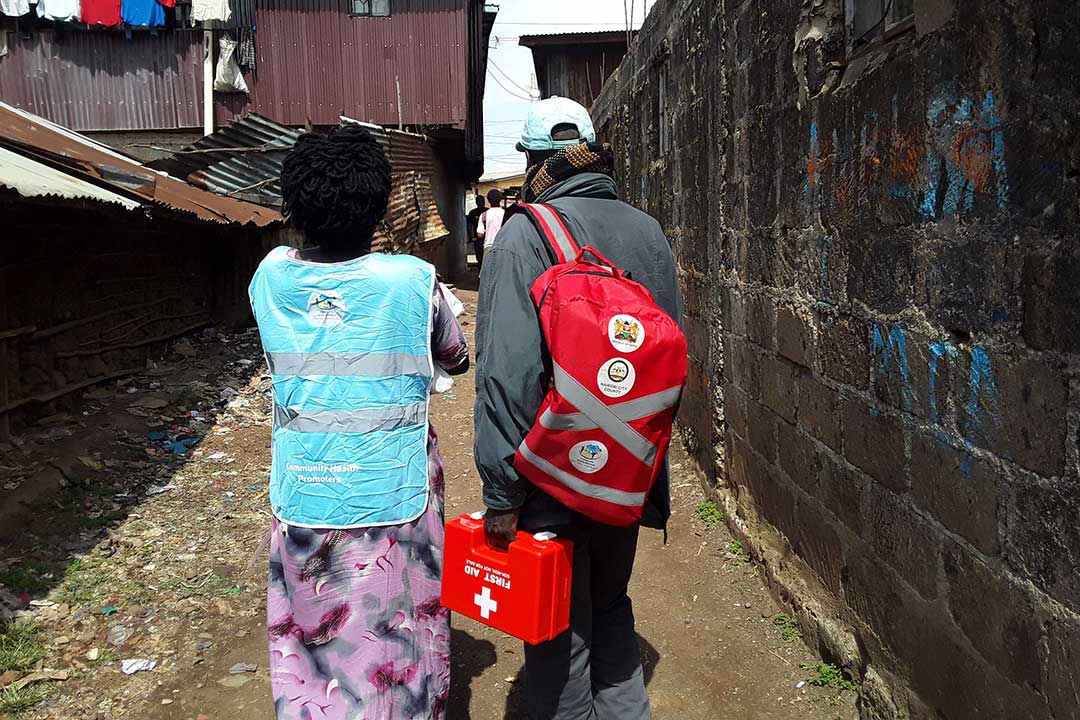
“It is very difficult to take medicine on a daily basis, but the community health workers visit us often for moral support,” he says.
Meanwhile, Dr Kamau says the government’s Viral Hepatitis & STIs Unit’s roadmap to combat hepatitis B focuses on eliminating mother-to-child transmission, expanding adult vaccination and scaling up integrated care.
Overall, the Ministry of Health integrates hepatitis B testing and treatment into existing HIV and STI care programmes to address high co-infection rates. The updated Kenya Integrated Guidelines on HIV, Viral Hepatitis & STIs outline the standard pathways for care and are contributing to global efforts to eradicate the disease.